
Gold Drop Pendant Necklace
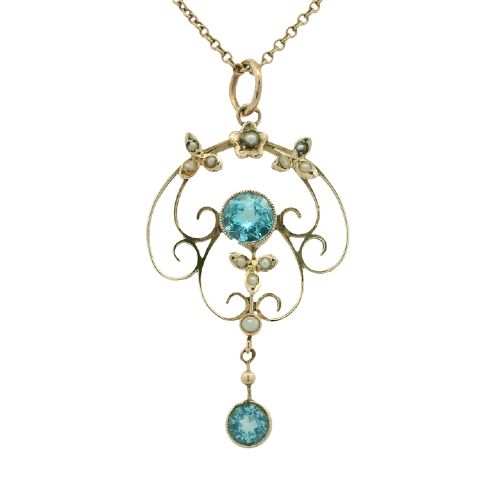
A gold drop pendant necklace hangs with a swinging centre of gravity, drawing the eye down through Edwardian filigree and mid-century modern lines.
Gold Drop Pendant Necklace
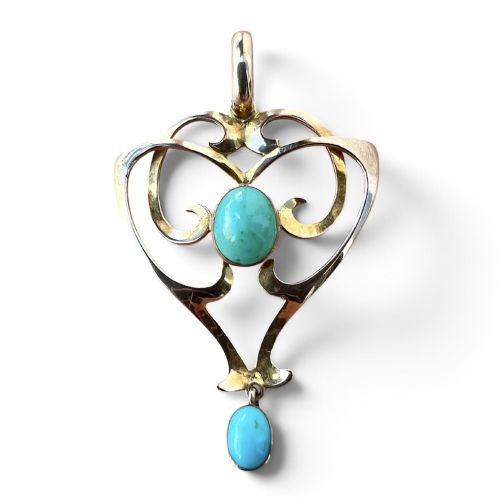
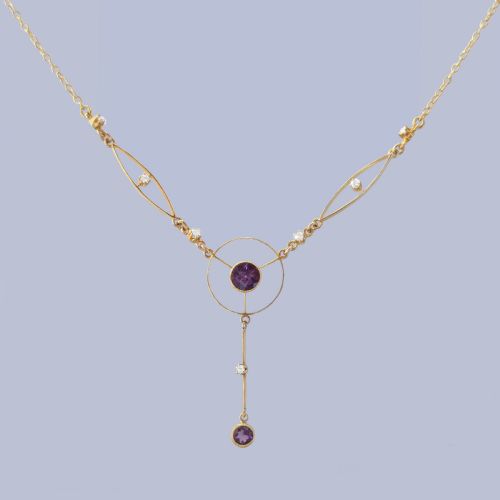
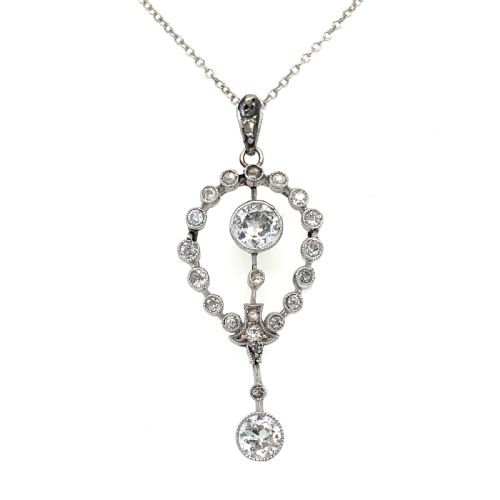
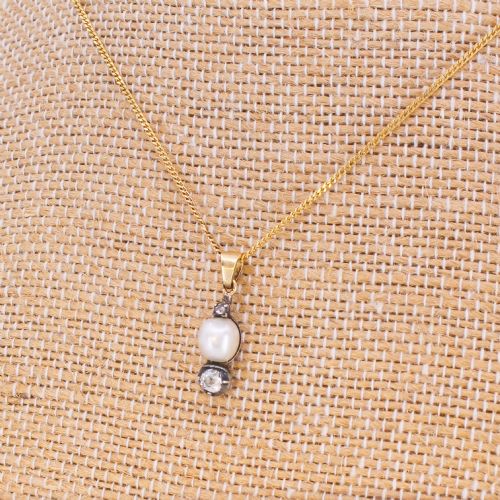
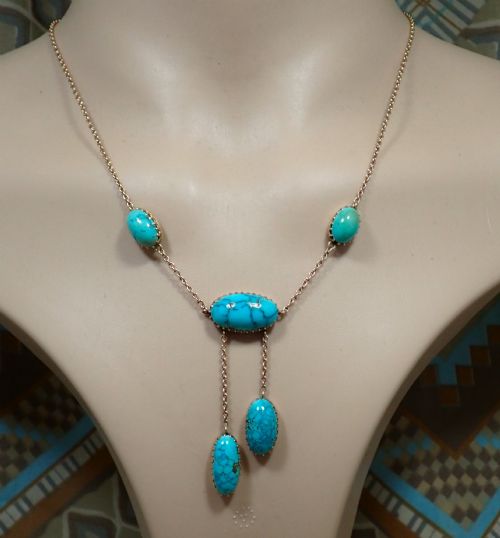
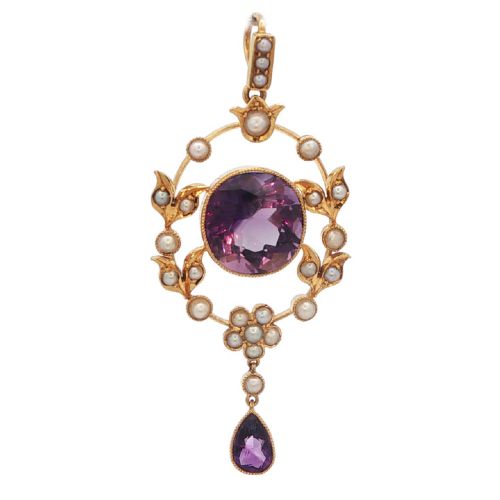
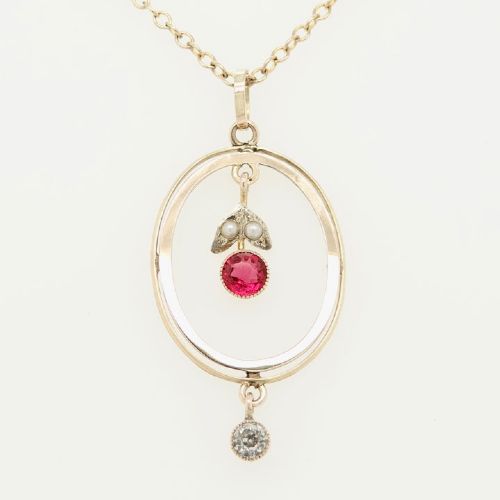
A gold drop pendant necklace suspends a stone or cluster from a fine chain or lavaliere setting, creating a distinct vertical pull on the collarbone. The form spans several decades, with Edwardian pieces showing delicate foliate geometry and later mid-century examples favouring cleaner, bolder silhouettes.
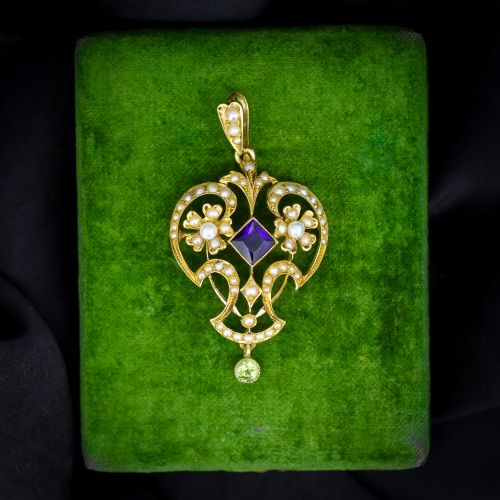
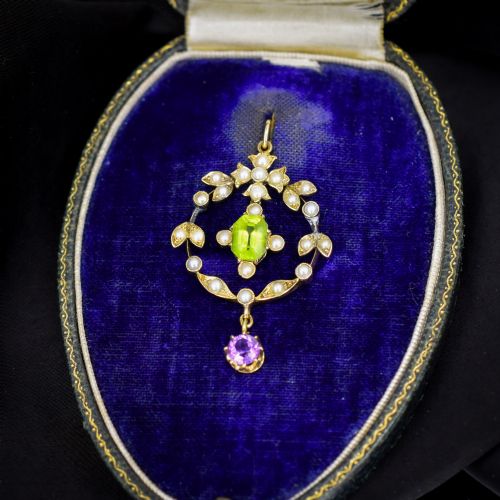
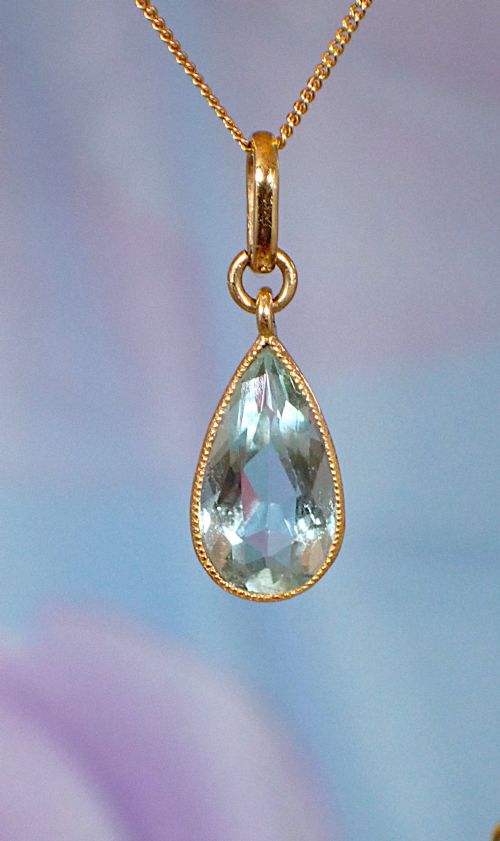
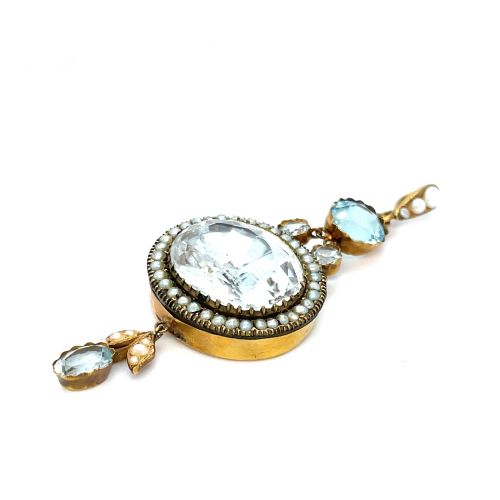
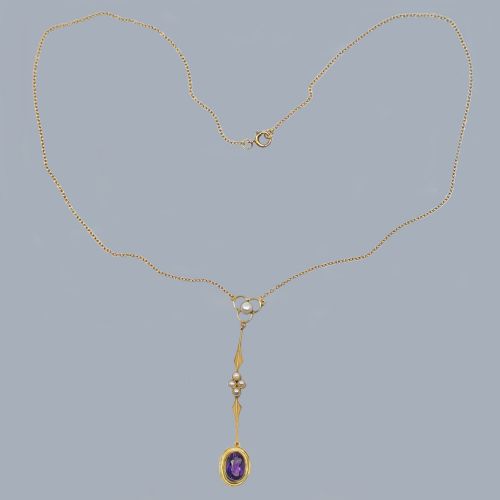
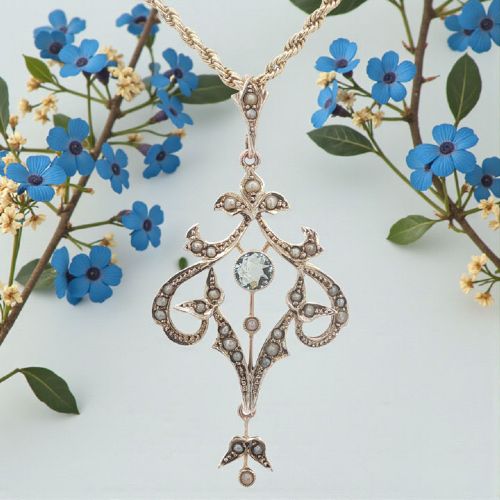
Edwardian interpretations dominate the earlier records, typically pairing 9ct or 15ct yellow gold with pale aquamarines, pearls, peridots and garnets. These frequently employ knife-edge bars and fine wirework to make the suspended drop appear weightless.
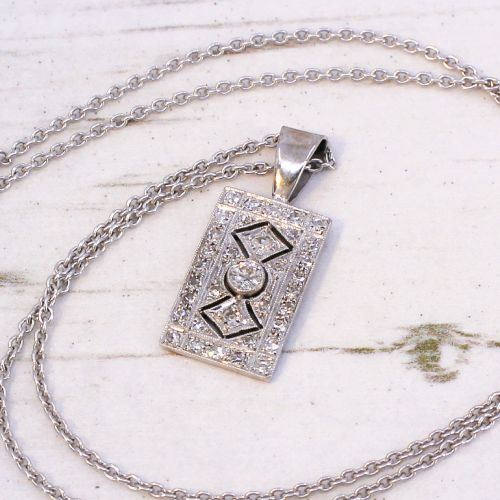
Later iterations shift into the 1950s and 1960s, introducing brighter blue topaz, diamonds and heavier chain links. The modernist approach keeps the structural drop while discarding Victorian and Edwardian scrollwork in favour of unadorned gold settings.
Materials and construction
Goldsmiths constructed these pieces primarily in 9ct and 15ct yellow gold, alongside occasional 18ct yellow and white gold mounts. Chains were integrated directly into the design or attached via jump rings to articulated drop sections that allowed the pendant to sway.
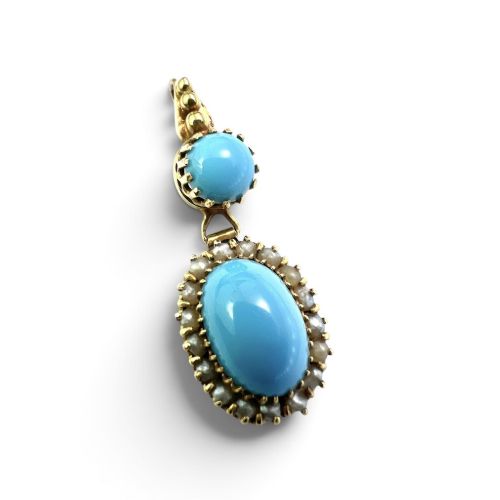
Gemstones such as aquamarine, peridot, garnet, amethyst and blue topaz were cut in pear, oval or cabochon shapes to fit the vertical drop format. Seed pearls, white sapphires and diamonds frequently accented the main stones, secured in minimal claw settings or bezel mounts.
Gold Drop Pendant Necklace Retail Price Guide 2026
Typical asking prices for gold drop pendant necklace among the pieces listed under this phrase on Sellingantiques today, from the lower quarter to the upper quarter. They describe what is for sale here now, not the wider market.
Several Edwardian pieces include tiny seed pearls arranged to resemble delicate moon and star constellations.
Judging the range
Quality rests in the harmony between the suspension chain and the pendant drop, ensuring the piece maintains balance when worn rather than flipping forward. Superior examples display precise solder joints and hand-threaded seed pearls that remain secure within delicate gold bezels.
The choice and cut of gemstones define the upper tier, where stones like aquamarine and amethyst show clean facets and deep, even colour distribution. Finer pieces also retain original matching chains and clasps rather than relying on later replacement hardware.
The Gold Drop Pendant Necklace Glossary
- Drop pendant
- A necklace featuring a suspended element that hangs below the main chain line. This construction adds movement and elongation to the neckline.
- Lavaliere
- A pendant necklace featuring one or more dangling drops, popular during the Edwardian and Art Nouveau periods. It often includes symmetrical or floral wirework framing the central stones.
- Cabochon
- A gemstone shaped and polished with a smooth, rounded surface rather than faceted edges. This cut highlights the internal glow of stones like opal, garnet and moonstone.
- Foliate
- A decorative style inspired by leaves and foliage. It appears frequently in Edwardian openwork gold mounts around central blue stones and pearls.
- Knife-edge
- A thin bar of gold shaped with a sharp triangular profile to look delicate while retaining structural rigidity. Jewelers used this technique to suspend drops with minimal visible metal.
Gold Drop Pendant Necklace: Frequently Asked Questions
How do I date an Edwardian gold drop pendant necklace?
Edwardian pieces typically rely on 9ct or 15ct yellow gold settings combined with aquamarines, peridots, seed pearls or garnets. Look for delicate openwork, millegrain edges and knife-edge bars that support the central drop.
These characteristics reflect the prevailing aesthetic around 1910, distinguishing them from heavier mid-century designs or Victorian predecessors.
What is a lavaliere necklace?
A lavaliere is a specific style of pendant necklace featuring a dangling drop suspended from a fine chain or rigid collar bar. They often incorporate symmetrical Edwardian wirework and multiple hanging stones.
This form maximises movement, allowing the central gemstone to sway with the wearer.
Are these necklaces suitable for daily wear?
Most antique and vintage gold drop necklaces can be worn regularly provided they receive proper care. Pieces featuring softer stones like pearls or opals require extra caution to avoid impact and harsh chemicals.
Checking the security of the jump rings and clasp periodically ensures the pendant remains safe during use.
How do 1960s pendants differ from Edwardian ones?
Sixties pieces move away from delicate floral filigree and seed pearls toward bolder stones like blue topaz and diamonds set in 18ct gold or standard 9ct gold. The lines become cleaner and more modernist in their geometry.
This shift reflects changing tastes that favoured straightforward metalwork over intricate historical revivals.