







Gold Dressing Table
These gold dressing table pieces, spanning Victorian to Art Deco periods in brass, giltwood and glass, bring period elegance to a room.
Gold Dressing Table
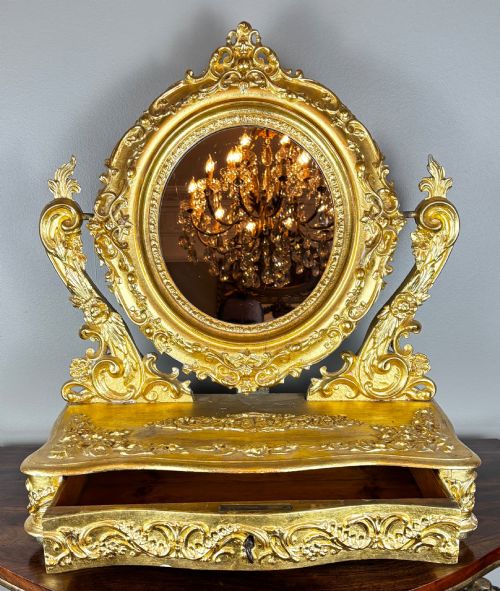
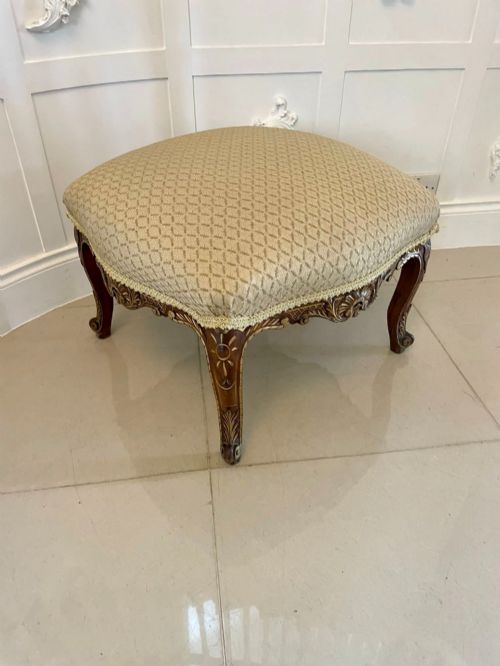
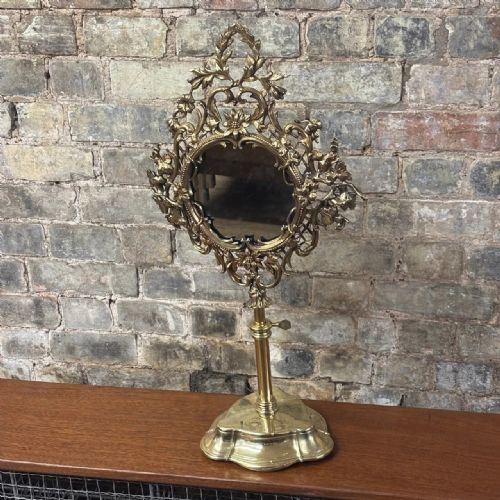
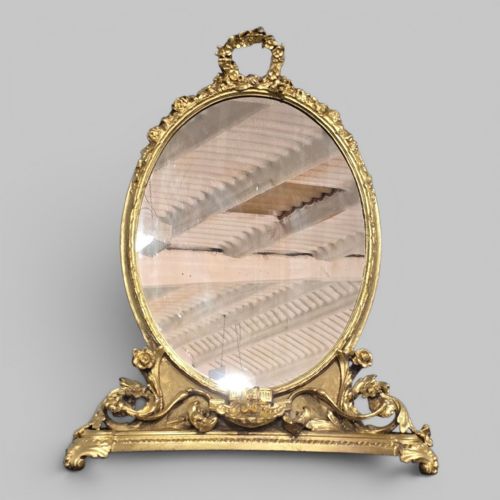
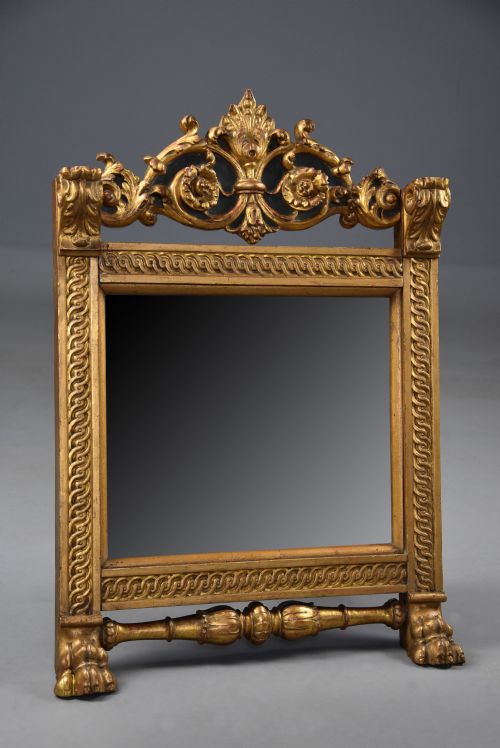
A gold dressing table search encompasses a varied selection of antique mirrors, stools, and small decorative containers rather than a single unified form of furniture. The items most commonly met on this page include Victorian and Edwardian brass table mirrors, gilded footstools, and small scent or powder boxes.
The objects date from the eighteenth century through to the nineteen-thirties, reflecting stylistic revivals from Louis XV and Louis XVI to Art Deco. Table mirrors and vanity glasses dominate the listings, frequently paired with occasional seating such as giltwood stools and window seats.
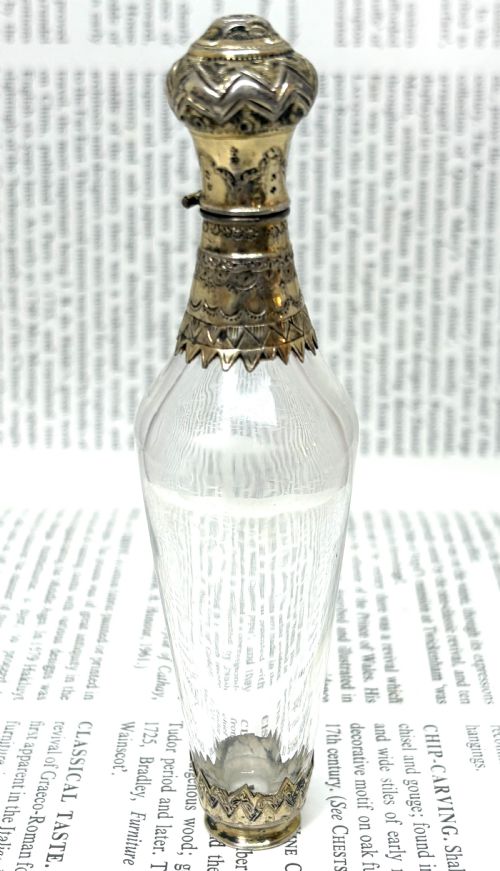
Smaller tabletop accessories also appear under this heading, including jewellery boxes, perfume atomizers, and enamel lidded jars. These smaller pieces share the characteristic gilded finishes and decorative metalwork found on the larger mirrors and seating.
Materials and construction
Makers utilised cast and sheet brass, solid walnut, and carved giltwood alongside applied gesso to create the frames and furniture bases. Timber elements like walnut provide structural rigidity, while soft woods and gesso allow for intricate decorative mouldings.
Glass surfaces range from flat mirror plates to bevelled glass and heavy moulded Czech glass used for perfume atomizers and powder jars. Metal fittings and mounts frequently employ ormolu, silver gilt, or gilded brass to achieve the characteristic golden surface sheen.
Gold Dressing Table Retail Price Guide 2026
Typical asking prices for gold dressing table among the pieces listed under this phrase on Sellingantiques today, from the lower quarter to the upper quarter. They describe what is for sale here now, not the wider market.
Gilded brass candlelamps modelled as cavalry dress sword basket-guards bring unexpected military flair to the dressing table.
Distinguishing quality
The refinement of the surface decoration and the depth of hand-carved detail separate the finer examples from standard production pieces. Hand-carved giltwood and crisp ormolu mounts show superior craftsmanship compared to simpler cast metal or pressed elements.
The quality of the glass and the integrity of the original backing on mirrors indicate the grade of manufacture. Intact bevels, clear mirror plates, and well-preserved gilding without extensive overpainting denote better-surviving items.
Cartier London·S Morden and Co·F Bienvue
The Gold Dressing Table Glossary
- Giltwood
- Wood that has been coated with gold leaf or a gold-coloured finish. This technique highlights carved details on mirrors and furniture frames.
- Ormolu
- Finely chased gilt bronze used for decorative mounts and small accessories. The process involves applying a mercury and gold amalgam to bronze.
- Gesso
- A plaster mix applied to wood surfaces as a base for gilding. It allows artisans to carve intricate relief patterns before applying gold leaf.
- Bevelled glass
- Glass with an angled edge cut around the perimeter. This creates a prismatic light effect characteristic of better period mirrors.
- Guilloche
- An intricate decorative pattern engraved mechanically into metal. It frequently appears beneath translucent enamel on boxes and jars.
Gold Dressing Table: Frequently Asked Questions
What periods do these pieces come from?
The items range from the eighteenth century through the Victorian and Edwardian eras up to the nineteen-thirties. Earlier pieces often display rococo revival or baroque influences.
Later items show the clean lines of Art Deco design or early twentieth-century French styling. Each era brings distinct decorative motifs to the metalwork and woodwork.
How were table mirrors used originally?
Table mirrors and vanity glasses sat atop dressing chests or side tables to assist with grooming and personal care. Folding triple mirrors allowed users to view angles from the side.
Smaller easel mirrors functioned as portable dressing accessories. They provided adjustable reflection points in bedrooms and boudoirs.
How do I care for gilded wood and brass?
Gilded surfaces require gentle dusting with a soft, dry cloth to prevent damage to the delicate gold leaf layer. Moisture and abrasive cleaners will strip the metallic finish.
Brass parts benefit from occasional light cleaning without aggressive metal polishes that remove patination. Maintaining a stable indoor environment protects both the wood and the glass components.
What is the difference between giltwood and gilded metal?
Giltwood consists of a carved wooden base, often coated in gesso and covered with gold leaf. This material forms the ornate frames of mirrors and footstools.
Gilded metal includes brass, bronze, or other alloys treated with a gold-coloured coating or plating. It appears primarily on smaller items like scent bottles, jewellery boxes, and mirror stands.