



Gold Diamond Cluster Pendant
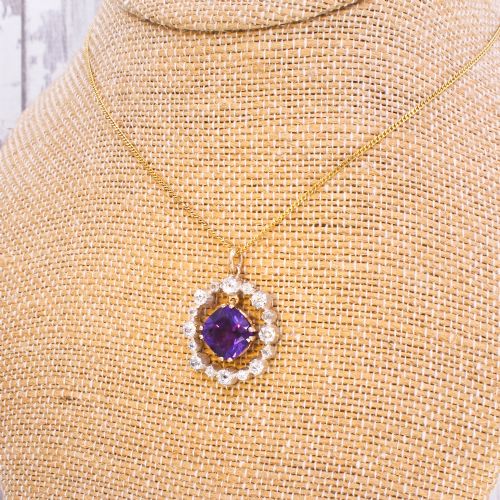
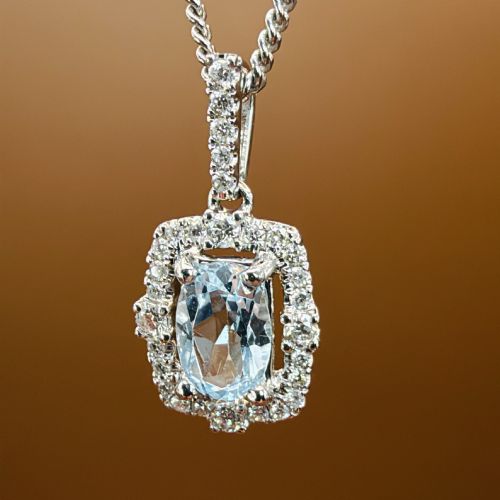
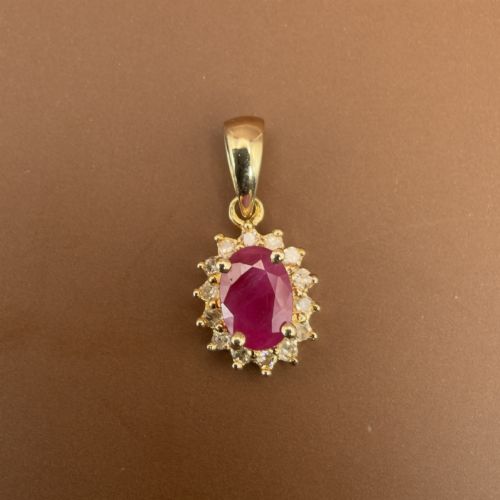
A gold diamond cluster pendant brings together central coloured gems or diamonds ringed by smaller stones, drawing the eye directly to the neckline.
Gold Diamond Cluster Pendant
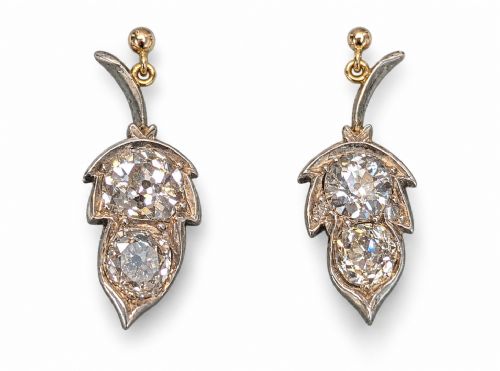
A gold diamond cluster pendant consists of a central gemstone or diamond encircled by a neat border of smaller diamonds, forming a compact geometric or floral silhouette. Buyers searching for a gold diamond cluster pendant encounter pieces spanning the Victorian and Edwardian eras through to mid-century and later decades.
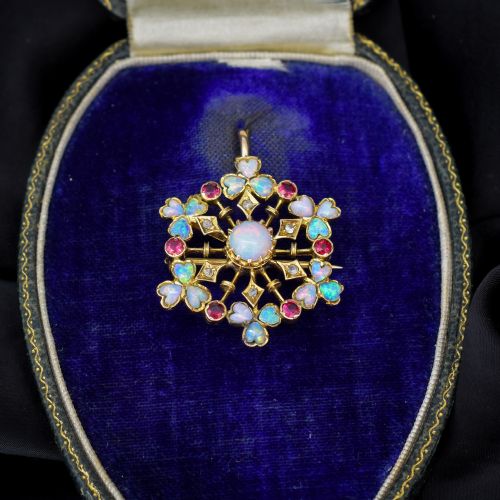
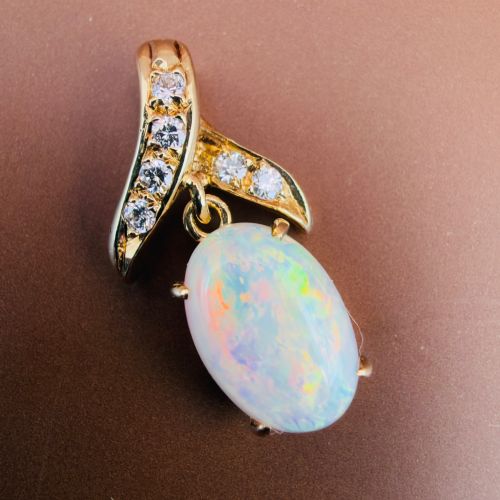
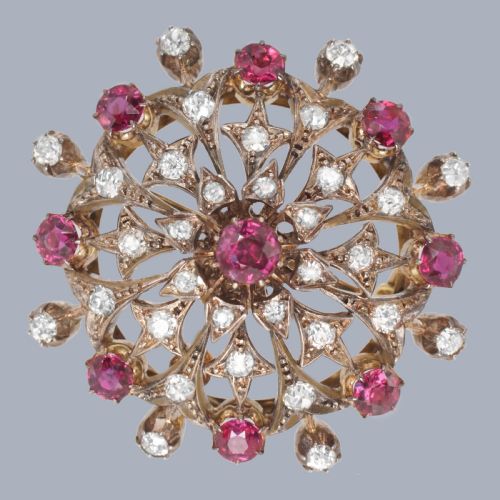
The format appears in various forms on this page, including traditional round clusters, starburst designs, flower motifs, and heart shapes. Many examples incorporate coloured centre stones such as ruby, sapphire, emerald, aquamarine, opal, and amethyst alongside the diamond border.
While primarily designed to suspend from a fine chain, several listed examples double as brooches, showing the versatile mounting arrangements typical of older jewellery. The overall composition balances central colour with the bright sparkle of surrounding diamonds.
Factors determining quality
Quality in a cluster pendant rests upon the balance and matching of the stones, where uniform size and clean colour grading in the outer ring elevate the piece. Superior examples display thoughtful proportions between the central gem and its surrounding diamonds, creating a harmonious outline rather than a crowded surface.
The integrity of the metalwork also defines the tier of the piece, visible in the fineness of the claw work, the neatness of the settings, and the structural weight of the gold mount. Older pieces retain hand-finished details that show the maker's care in shaping the reverse and mounting the pin or bail.
Listings feature yellow gold, white gold, platinum, and silver alongside central diamonds, rubies, sapphires, emeralds, opals, and amethysts across multiple periods.
Hirsch and Oppenheimer
The Gold Diamond Cluster Pendant Glossary
- Cluster
- A jewellery arrangement where a central gemstone is encircled by a border of smaller stones, typically diamonds. This layout maximises visual impact by creating the appearance of a larger single stone.
- Old cut
- An early diamond cutting style characterised by a high crown, small table, and deep pavilion, hand-faceted before modern machinery standardisation. These cuts produce a softer, candlelight sparkle.
- Rose cut
- A historic gemstone cut featuring a flat base and a domed crown composed of triangular facets meeting in a point. It offers a translucent, shimmering effect rather than intense brilliance.
- Bail
- The loop or ring attached to the top of a pendant that holds the chain. Its design and construction often reflect the period and quality of the main piece.
- Collet
- The small metal collar or rim that holds a gemstone in place within its setting. Hand-formed collets are a hallmark of older, bespoke manufacturing.
Gold Diamond Cluster Pendant: Frequently Asked Questions
What chain should I pair with my pendant?
Selecting a matching metal purity and colour ensures the chain complements the pendant without creating undue wear on the suspension loop. A fine gold or platinum trace chain provides enough strength while keeping the focus on the cluster itself.
Heavier pendants benefit from slightly thicker links to distribute the weight evenly and prevent any strain on the bail.
How do I date a cluster pendant?
Dating relies on examining the cut of the diamonds, the type of metal alloys used, and the construction of the setting on the reverse. Rose cuts and old cuts typically point to Victorian or Edwardian origins, while brighter white gold alloys and uniform brilliant cuts often indicate mid-century manufacture.
Maker's marks, hallmarks, and structural clues such as closed-back settings further narrow down the exact period of creation.
Are these pendants suitable for daily wear?
Gold cluster pendants from earlier eras can be worn regularly provided they receive gentle treatment and periodic checks by a jeweller to ensure the stone settings remain tight. Avoiding exposure to harsh chemicals and removing the pendant during physical activities preserves the delicate metalwork and softer gemstones.
Storing the piece individually in a lined box prevents scratching from other items in your collection.