



Gold Decorative Dish
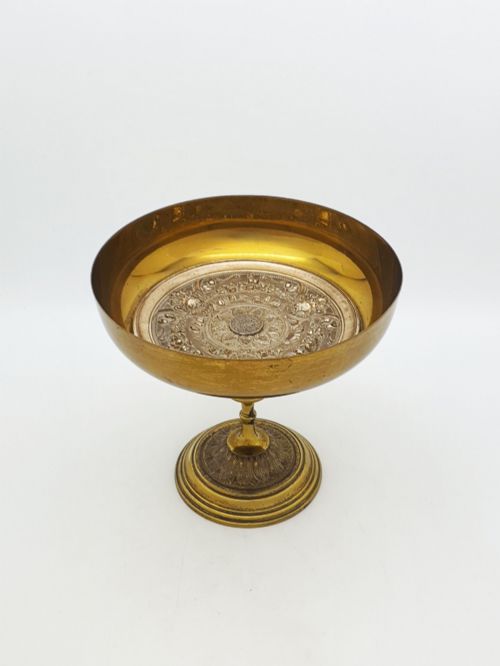
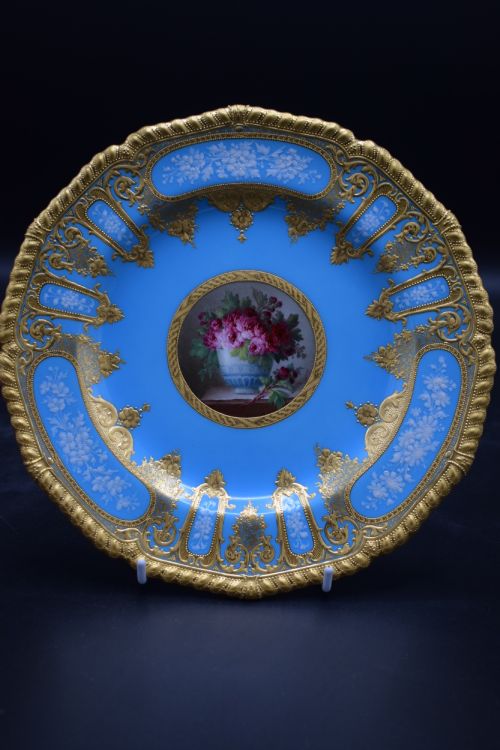
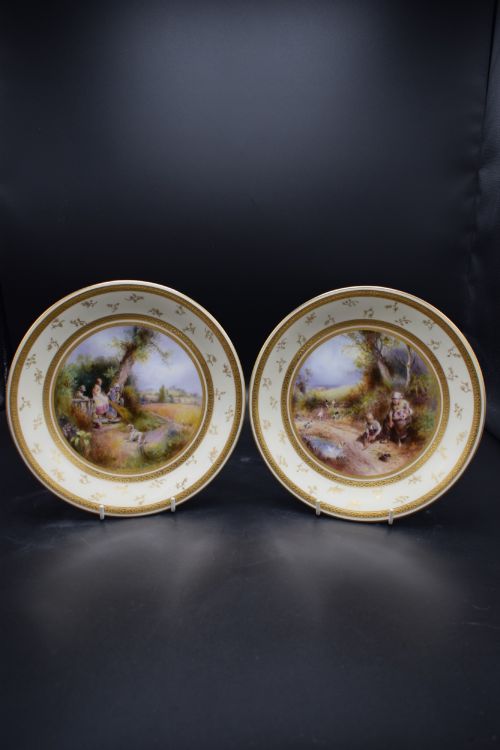
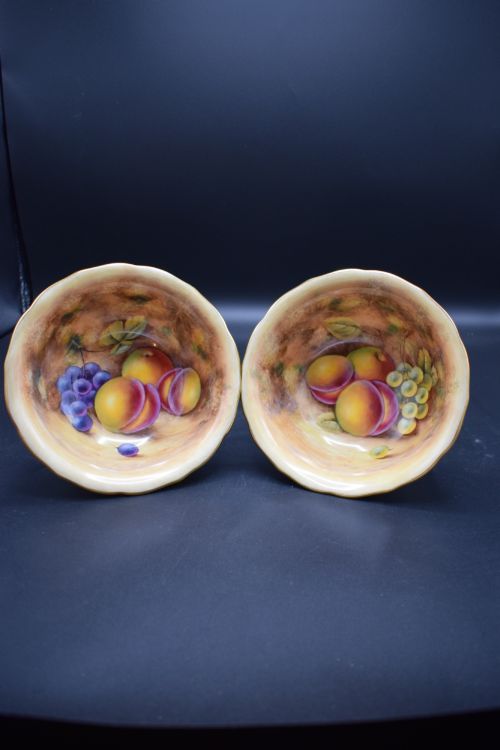
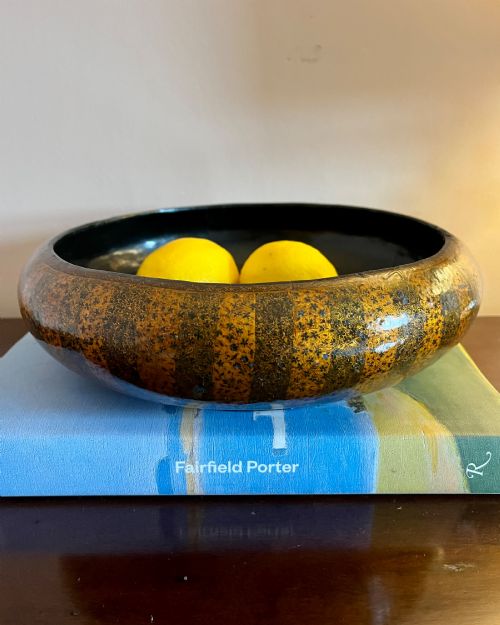
Gold decorative dish options span cabinet plates, chargers, and bowls enriched with gilding, gold leaf, and metal inlay across diverse periods.
Gold Decorative Dish
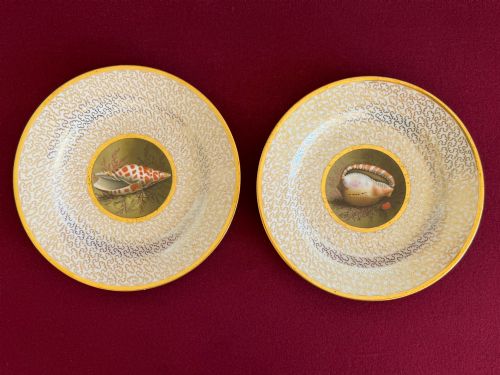
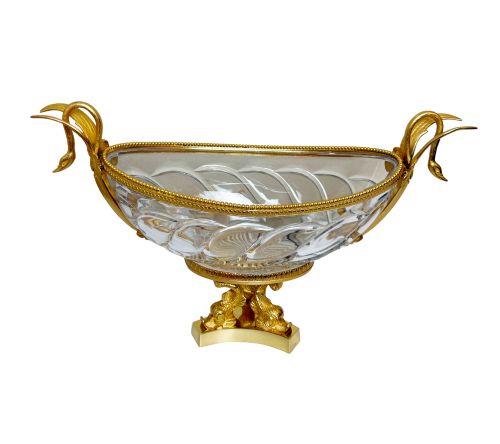
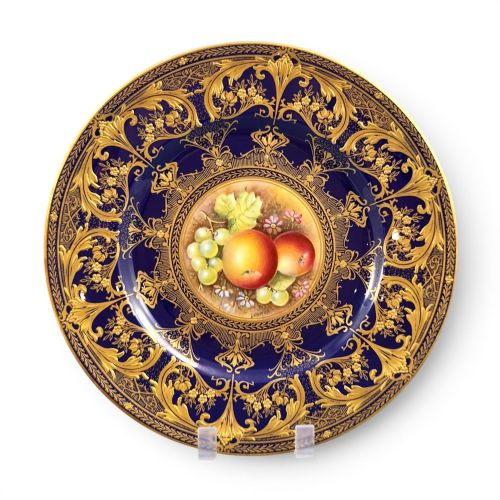
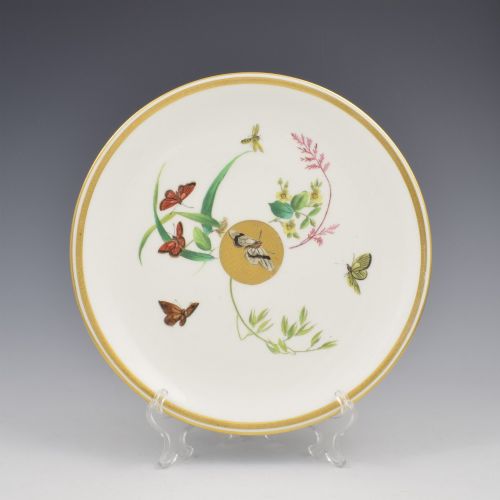
A gold decorative dish encompasses cabinet plates, wall chargers, decorative bowls, centrepieces, and trays designed for display rather than utility.
The selections on this page range from Georgian English porcelain plates and Victorian Minton dessert services to Japanese Satsuma bowls, Meiji period bronze platters, and Edwardian Wedgwood lustre ware.
Buyers encounter forms executed in porcelain, bone china, earthenware, brass, bronze, and patinated iron, unified by the presence of gold decoration, leaf, or gilt bronze mounts.
How they were made
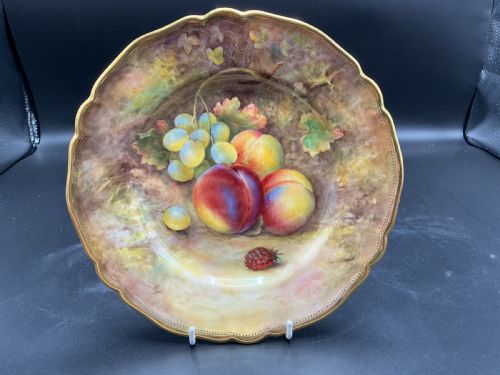
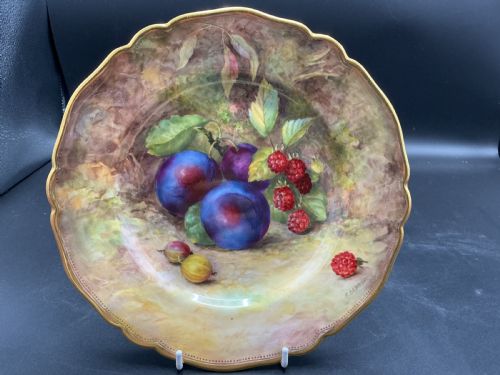
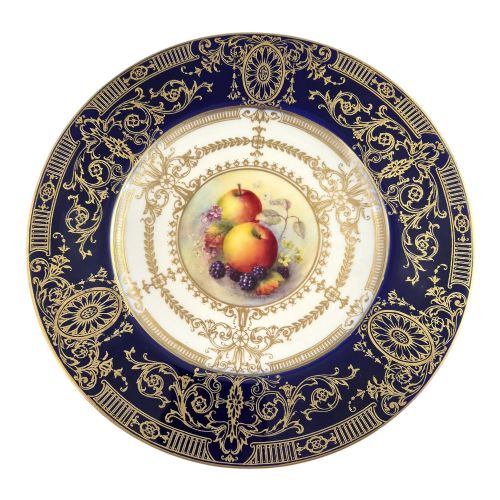
Ceramic pieces such as Worcester, Minton, and Royal Doulton utilise porcelain, bone china, or earthenware bodies painted by hand with enamel colours and finished with delicate gilding or gold leaf.
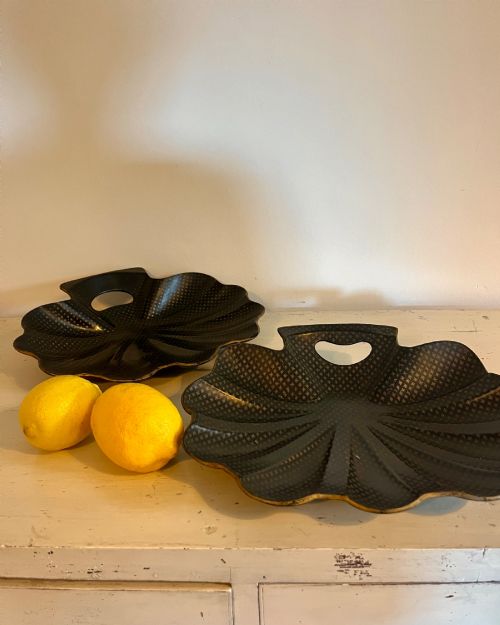
Metalwork items incorporate brass, bronze, and patinated iron shaped into trays, chargers, and centrepieces, frequently enhanced with gold and silver inlay, champleve enamel, or gilt bronze mounts.
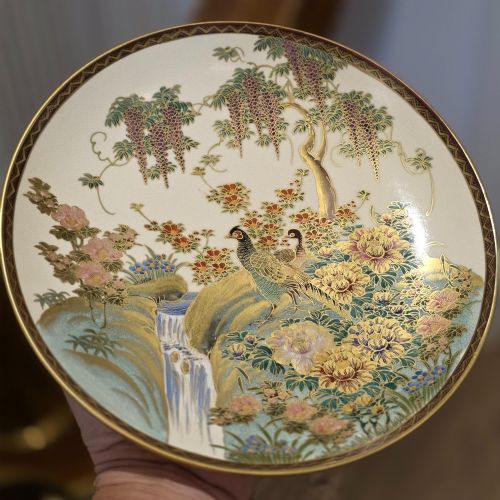
Japanese Satsuma and Kutani wares combine refined earthenware or porcelain bodies with intricate hand-painted enamel designs set against rich gold grounds.
Gold Decorative Dish Retail Price Guide 2026
Typical asking prices for gold decorative dish among the pieces listed under this phrase on Sellingantiques today, from the lower quarter to the upper quarter. They describe what is for sale here now, not the wider market.
Object forms span flat cabinet plates, deep chargers, footed centrepieces, serving dishes, and lidded boxes.
What varies in quality
The distinction between standard output and the highest tier rests on the mastery of hand-painting, particularly on signed cabinet plates featuring fruit, floral studies, or figural scenes by notable artists.
Execution depth separates mass production from superior examples, visible in the density and precision of gold leaf application, enamel saturation, and the complexity of metal inlay work.
Provenance and documented maker attributions elevate certain porcelain plates and cloisonne chargers, reflecting the rigorous standards of factories like Worcester, Minton, and Sevres.
Barr Flight and Barr·Royal Worcester·Royal Crown Derby·Wedgwood·Minton
The Gold Decorative Dish Glossary
- Cabinet plate
- A decorative plate intended for display in a cabinet or on a wall rather than for dining. These typically feature intricate hand-painted scenes and generous gilding.
- Gilding
- The application of a very thin layer of gold or gold leaf to the surface of porcelain, metal, or wood. This technique provides the reflective metallic highlights characteristic of these pieces.
- Champleve enamel
- An enamelling technique where troughs or cells are carved into a metal surface and filled with vitreous enamel before firing. It frequently appears alongside gilt bronze mounts in nineteenth-century decorative objects.
- Lustre ware
- Pottery decorated with a metallic glaze that produces an iridescent sheen. Wedgwood Fairyland Lustre pieces exemplify this technique through vibrant coloured glazes and gold designs.
- Charger
- A large decorative plate or platter. These were historically placed beneath smaller plates during formal meals or displayed upright on sideboards and walls.
Gold Decorative Dish: Frequently Asked Questions
How should I display a cabinet plate safely?
Cabinet plates and decorative dishes are best mounted using properly fitted wall brackets with protective coating or displayed securely within enclosed glass cabinets to prevent accidental knocks.
Avoid placing them in direct sunlight to protect hand-painted enamel colours and delicate gold leaf from fading over time.
How do I distinguish between Japanese Satsuma and European porcelain?
Japanese Satsuma pieces utilise a distinctive finely crackled cream-coloured earthenware body decorated with dense hand-painted enamel and abundant gold details. They frequently bear signatures or family crests associated with Kyoto or Meiji period workshops.
European pieces from makers like Worcester, Minton, or Sevres typically employ hard-paste or soft-paste porcelain bodies with neoclassical, floral, or landscape motifs framed by formal gilt borders.
What does signed by the artist mean on these plates?
A signature on a cabinet plate indicates that a specific ceramic painter decorated the piece by hand, rather than relying on standard factory transfer prints. Master artists such as Albert Shuck or Richard Sebright painted detailed naturalistic fruit and floral studies that elevated factory output into fine art.
Signed pieces generally command greater interest among collectors due to the documented skill and individual artistry involved.