




Gold Daisy Ring
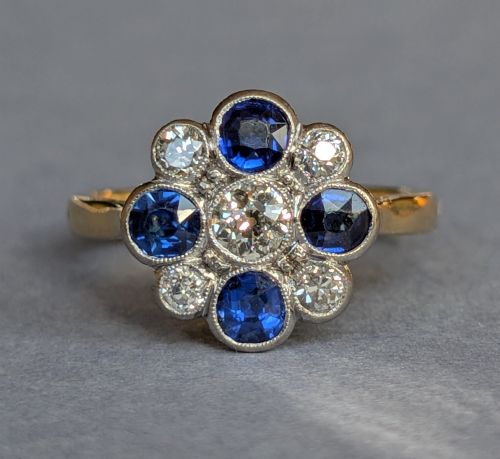
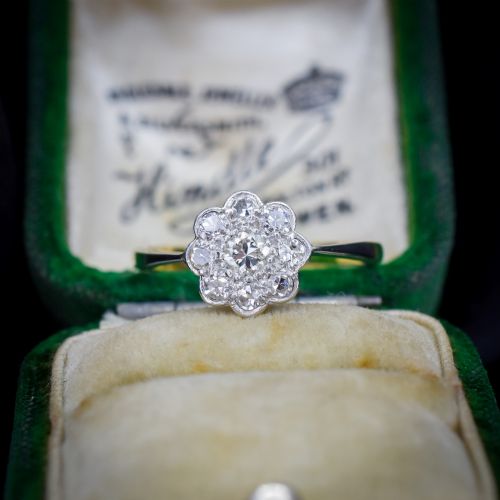
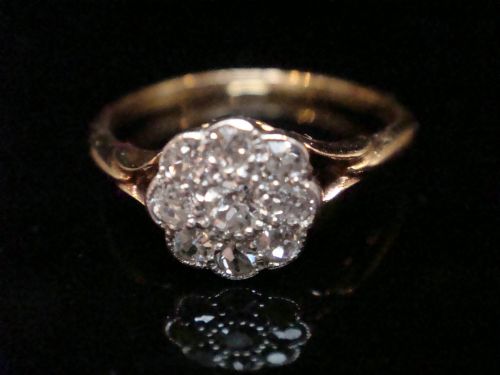
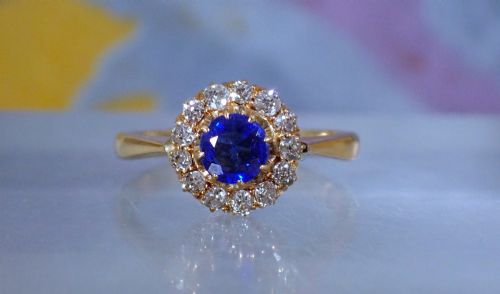
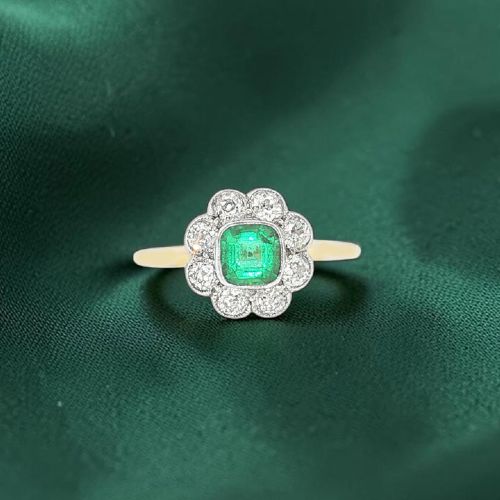
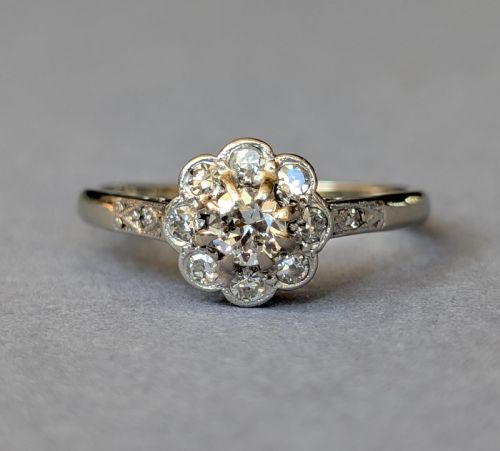
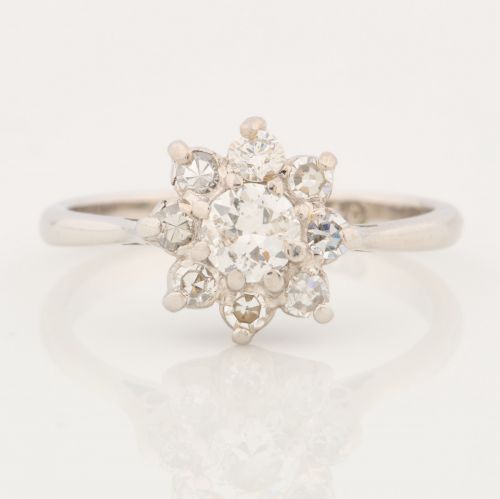
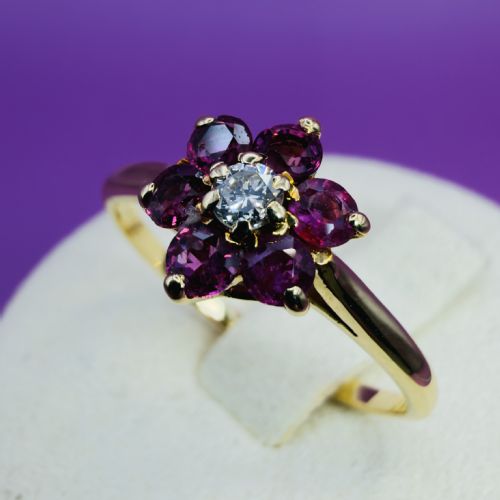
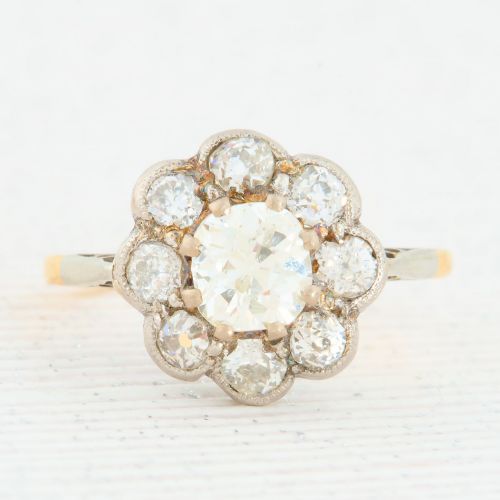
A gold daisy ring gathers a central gemstone within a circle of smaller stones to form a floral motif.
Gold Daisy Ring
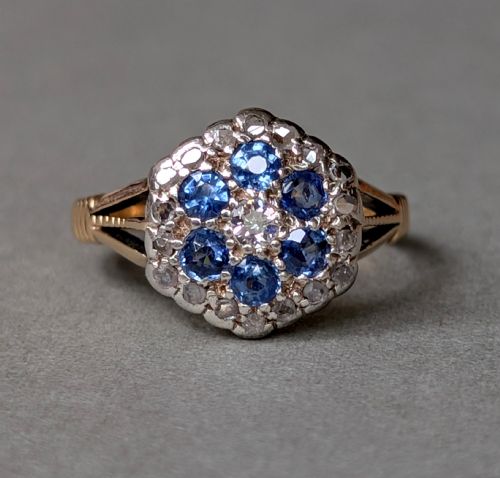
A gold daisy ring centres on a bright gem, frequently diamond, ruby, sapphire or emerald, surrounded by a tight border of glittering smaller diamonds that mimic petals. This floral cluster design appears across Victorian, Edwardian, Art Deco and mid-century periods, capturing nature through symmetrical gemstone arrangements.
Edwardian examples frequently pair yellow gold shanks with platinum settings to highlight white stones, whilst Art Deco pieces lean towards geometric precision. Buyers encounter yellow gold, white gold and platinum constructions spanning from the late nineteenth century into the mid-twentieth century.
Materials and construction methods
Goldsmiths constructed these clusters predominantly in eighteen-carat yellow gold, often combining platinum on the face to secure diamonds without altering perceived colour. Early pieces utilise old-cut diamonds hand-set into claw or collet mounts, showing individual gemstone facets shaped by hand.
The integration of platinum with yellow gold became standard practice during the Edwardian era to maximise the brilliance of surrounding diamonds. Later mid-century iterations incorporate white gold alloys alongside brilliant-cut stones to achieve uniform sparkle.
Listings feature yellow gold, white gold and platinum metals spanning Victorian, Edwardian and Art Deco periods.
Factors determining quality
Quality rests upon the symmetry of the stone arrangement, the matching proportions of the petal gems to the centre stone, and the integrity of the original claw settings. Master jewellers ensured tight, seamless spacing between stones so the metal receded visually behind the collective sparkle.
The wear upon the band and the retention of crisp grain work around each setting distinguish superior specimens from heavily polished or altered examples. Original stones matched for clarity and colour elevate the overall cohesion of the floral cluster.
The Gold Daisy Ring Glossary
- Cluster ring
- A ring design featuring a prominent central stone encircled by a group of smaller surrounding stones. This layout forms the structural basis of every daisy motif.
- Old-cut diamond
- A diamond cut by hand before modern machinery standardised facet counts, typically displaying smaller tables and higher crowns. These stones produce a distinctive softer candlelight glow.
- Collet
- A band of metal that holds a gemstone in place by enclosing its girdle. It provides a secure border around individual cluster elements.
- Platinum
- A dense, durable white metal utilised in jewellery manufacturing since the Edwardian period. Its strength allows for minimal metal visibility around closely set diamonds.
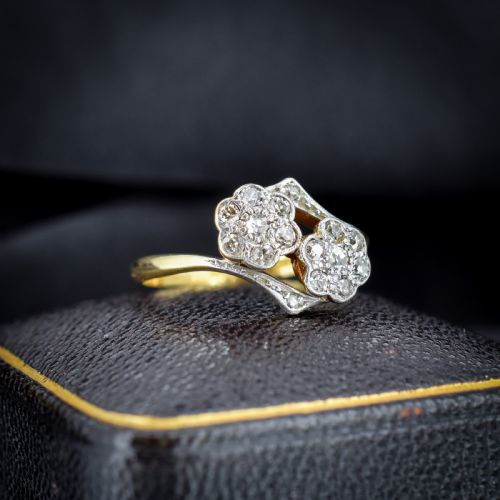
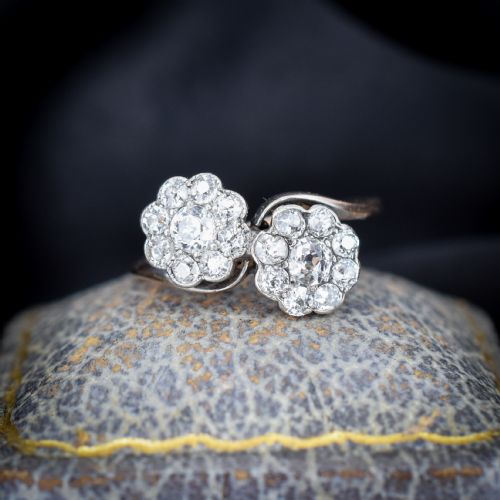
- Toi et moi
- French for you and me, denoting a ring style featuring two main stones positioned side by side. Some variants incorporate surrounding cluster work around this dual arrangement.
Gold Daisy Ring: Frequently Asked Questions
How do I clean my gold daisy ring?
Warm soapy water and a soft brush remove everyday oils from beneath the cluster setting.
Avoid harsh chemical dips that might harm softer gems like pearls or emeralds.
Can these rings be resized safely?
A skilled jeweller alters the gold band at the rear without disturbing the delicate floral head.
Intricate antique shoulders require careful attention to preserve original engraving.
Are old-cut diamonds different from modern stones?
Hand-cut diamonds possess smaller tables and deeper pavilions shaped during the nineteenth and early twentieth centuries.
They catch ambient light differently than modern brilliant cuts.
What periods do these floral rings cover?
Examples span from Victorian and Edwardian eras through Art Deco and mid-century decades.
Design shifts from ornate platinum-topped yellow gold to streamlined white gold settings.