
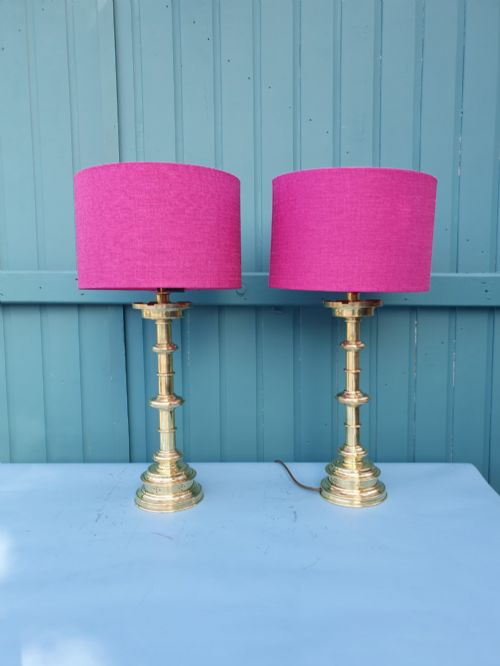
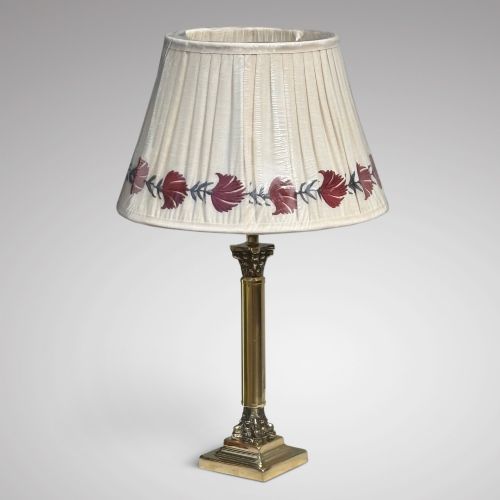


Gold Column Table Lamps
Gold column table lamps bring vertical elegance and classical proportion to a room, channelling antique architecture into practical domestic lighting.
Gold Column Table Lamps
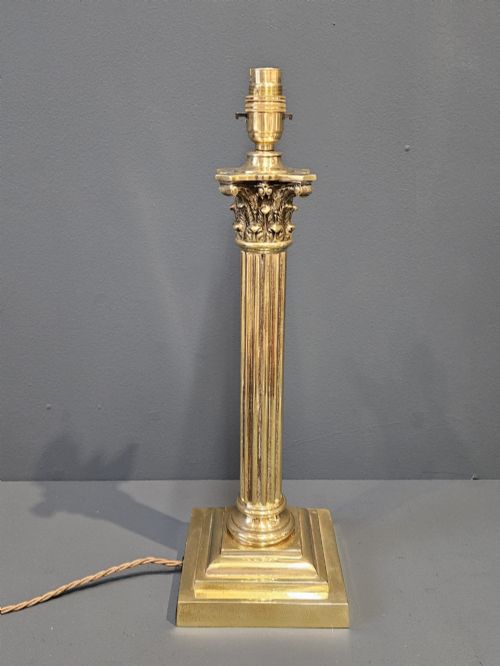
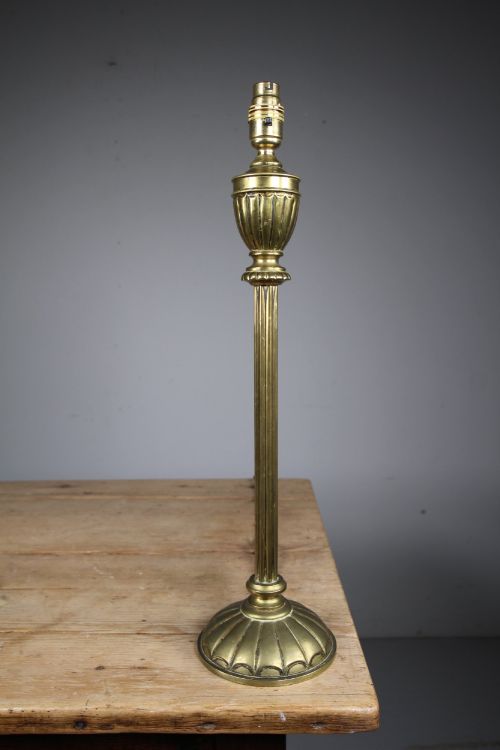
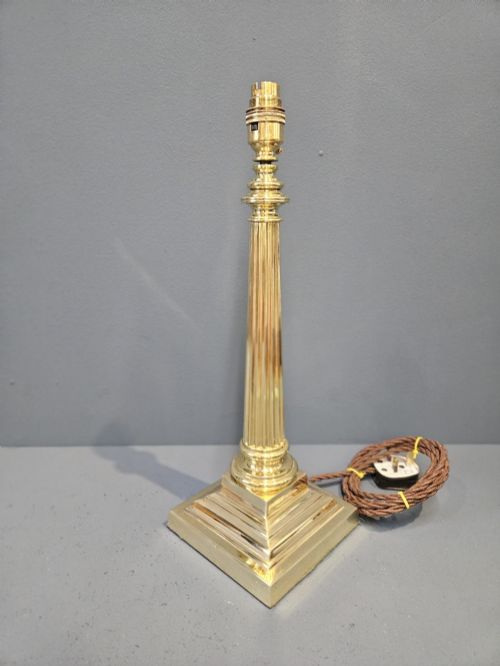
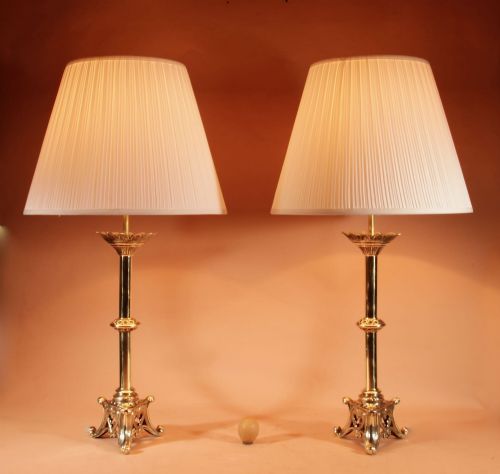
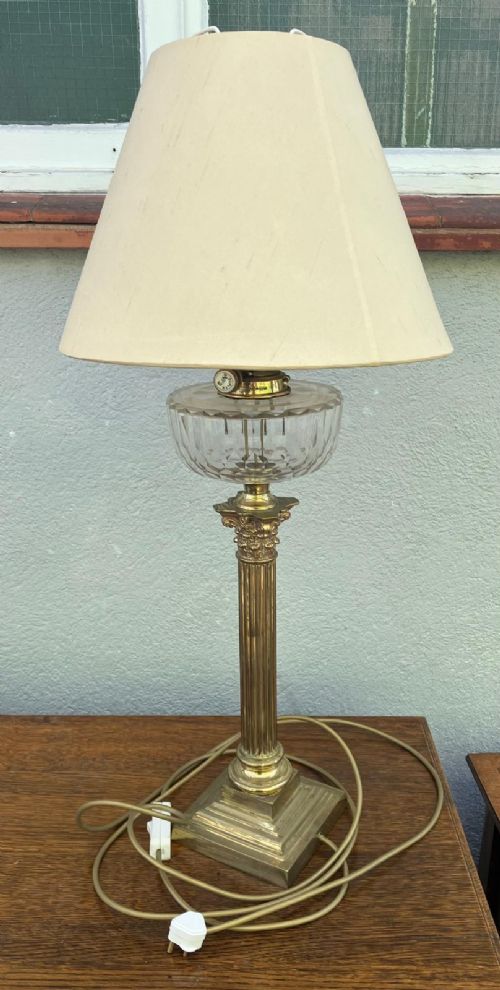
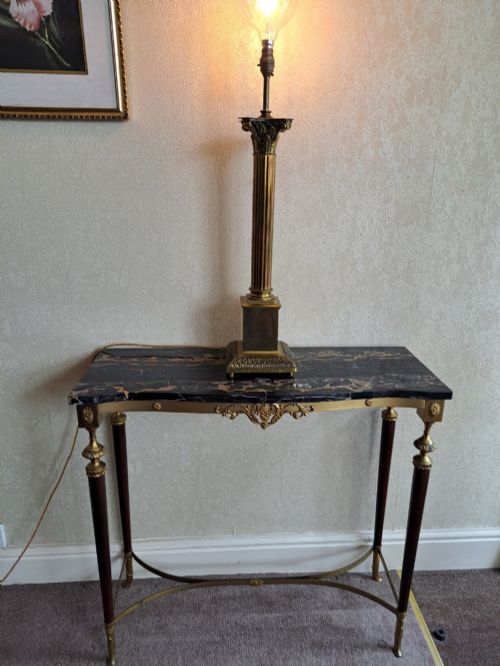
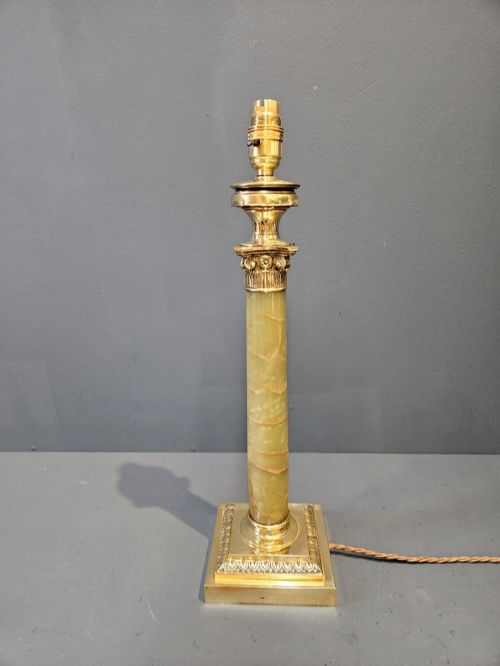
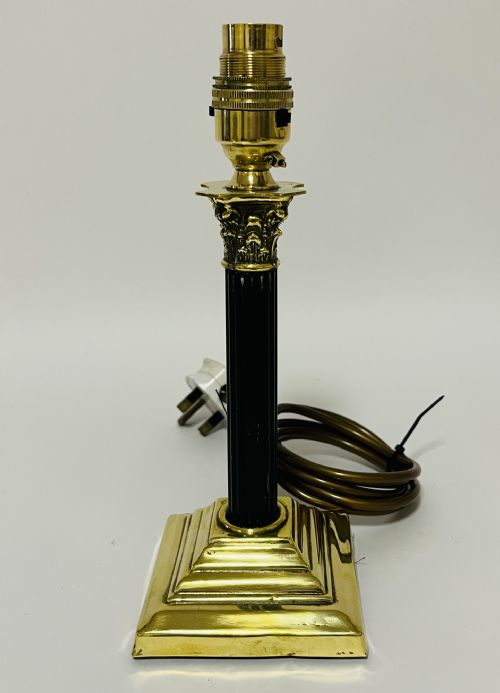
Gold column table lamps draw heavily on classical architectural forms, taking inspiration from ancient Greek and Roman orders. When exploring gold column table lamps, buyers frequently encounter pieces designed with fluted shafts, stepped bases, and ornate capitals.
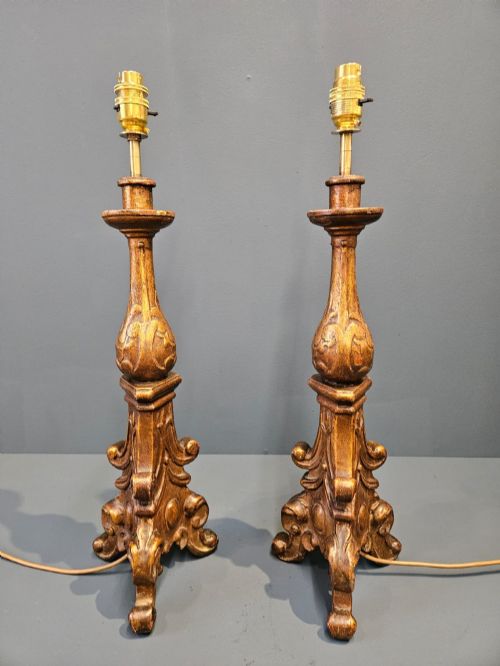
The selection ranges from nineteenth-century Victorian brass and ormolu creations to Edwardian and early twentieth-century interpretations. Many examples originate as converted altar candlesticks or oil lamps, adapted later for modern electrical wiring.
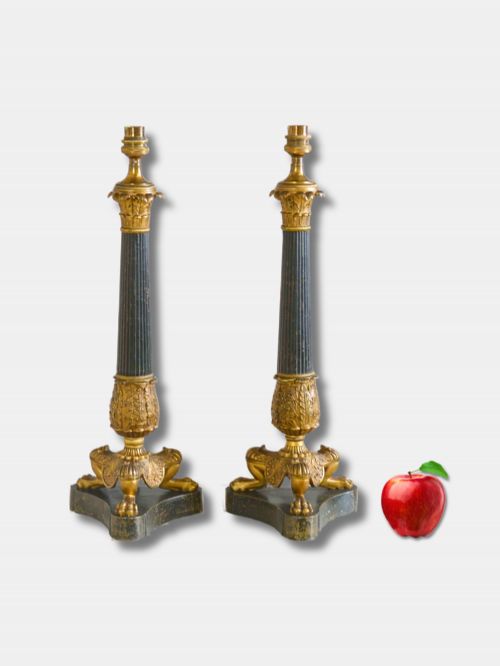
Neoclassical and Gothic Revival styles dominate the pieces available, alongside occasional French Empire pieces featuring lions paw feet or bronze mounts. Tall proportions and substantial weight distinguish these items from ordinary domestic light fittings.
Materials and construction methods
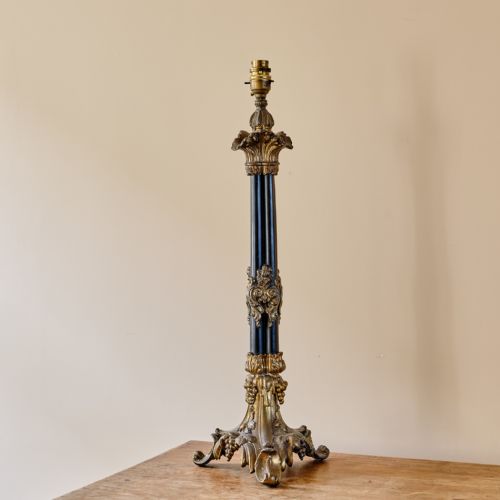
Foundry work and metal casting define the construction of these pieces, utilising brass, ormolu, and gilt bronze to achieve a durable metallic structure. Metal components are frequently cast in sections, threaded together, and chased by hand to sharpen architectural details like acanthus leaves on capitals.
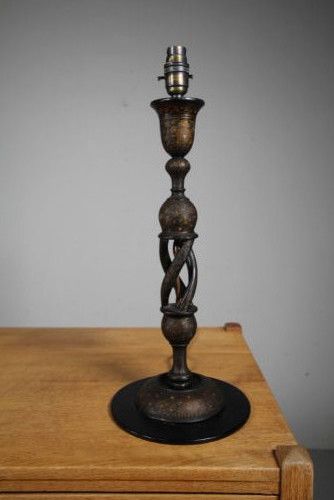
Combinations of materials add textural contrast, pairing polished metals with white marble bases, glass crystals, or painted lacquer surfaces. Components such as faux lapis lazuli columns and timber gilt candlestick bodies demonstrate the varied material palette employed by makers.
Materials recorded across the inventory include brass, marble, gilt bronze, ormolu, and fabric, spanning the Victorian, Edwardian, and twentieth-century periods.
Distinctions in quality and execution
The crispness of the casting marks the primary difference between standard production and superior examples. Finer pieces retain sharp relief in the capitals and fluting, whereas lesser versions exhibit softened edges from worn moulds.
Substantial scale and balanced proportions elevate certain items, particularly matched pairs that maintain uniform height and heavy gauge metal bases. Integrated details such as detailed lion paw feet or heavy gilt layers indicate superior workshop standards.
The Gold Column Table Lamps Glossary
- Corinthian capital
- The uppermost member of a column, decorated with carved acanthus leaves and scrolls. This motif appears frequently on nineteenth-century brass lamp shafts.
- Ormolu
- Finely ground high-carat gold applied to a bronze base using a mercury amalgamation process. Genuine ormolu displays a deep, warm metallic lustre.
- Reeded column
- A shaft decorated with parallel convex mouldings running vertically along the length. This technique adds texture and catches ambient light.
- Gothic Revival
- An architectural and decorative style drawing inspiration from medieval design. Pieces in this style often incorporate pointed arches and heavy ecclesiastical detailing.
- Doric column
- A sturdy, plain architectural order featuring a simple circular capital without ornate decoration. It provides a more restrained silhouette than Corinthian variants.
Gold Column Table Lamps: Frequently Asked Questions
How do I choose the right height?
Consider the placement of the lamp and the height of surrounding furniture. Tall column designs require adequate clearance to balance proportions within a room.
Matching pairs suit larger side tables or console surfaces, while single lamps fit more compact spaces comfortably.
Are these lamps safe to use?
Many antique lamps require rewiring to meet contemporary electrical standards. Buyers should inspect the internal wiring and consult a qualified electrician.
Conversion from oil lamps or candlesticks is standard practice for pieces originating from the nineteenth century.
How do I identify the period?
Examine the casting techniques, base construction, and patination of the metal. Victorian and Edwardian examples often display distinct weight and manufacturing marks.
Stylistic cues like Gothic Revival or Neoclassical motifs offer further clues to the date of manufacture.
Can I polish the brass?
Gentle cleaning preserves the historic patina developed over decades of handling. Aggressive polishing can remove thin layers of gilding or ormolu.
Dusting with a soft cloth is usually sufficient for routine maintenance.