

Gold Clasp Jewellery
Gold clasp jewellery brings together functional fasteners and precious metals, offering secure mechanisms on pieces designed to be worn daily.
Gold Clasp Jewellery
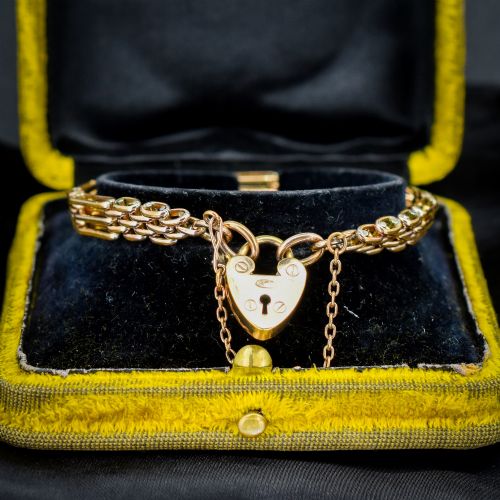
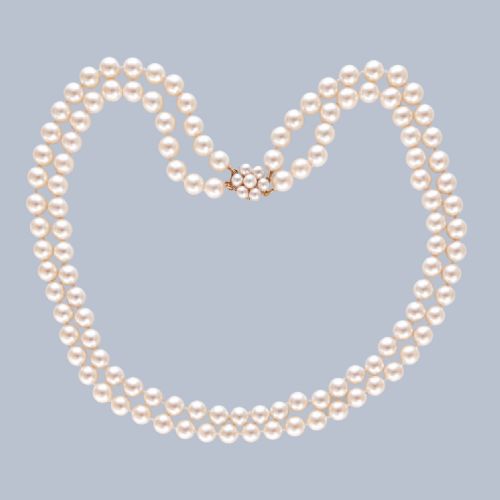
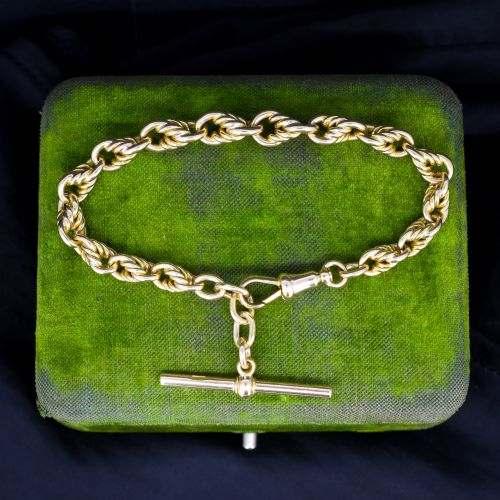
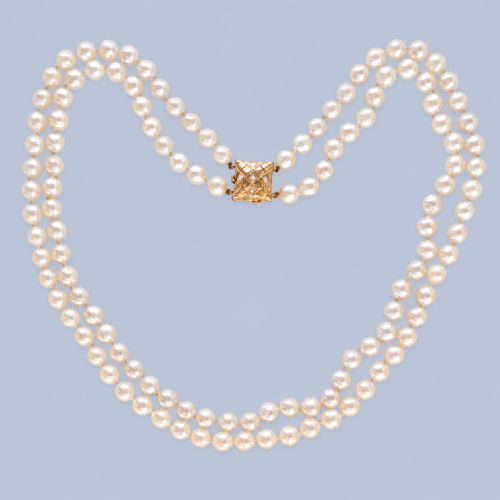
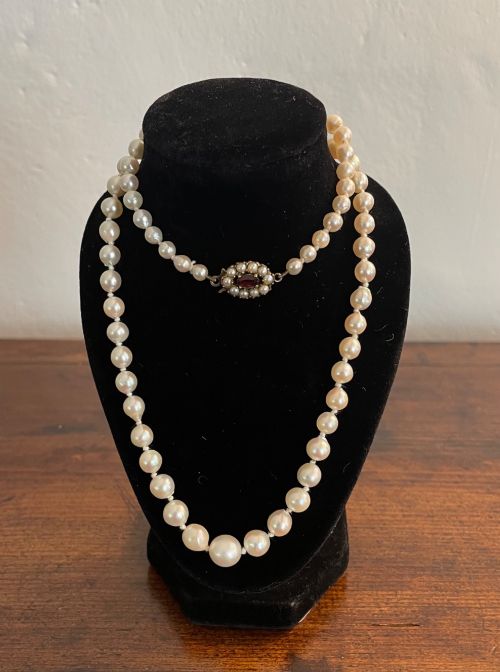
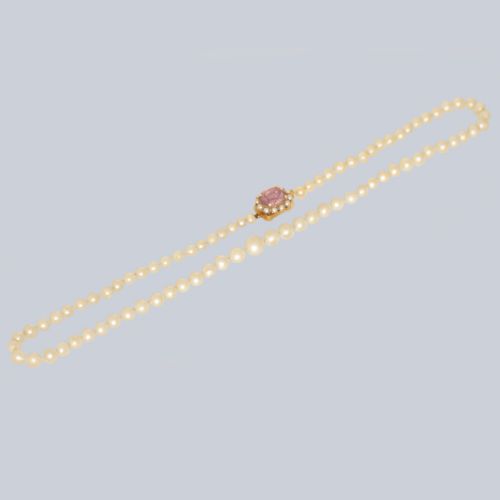
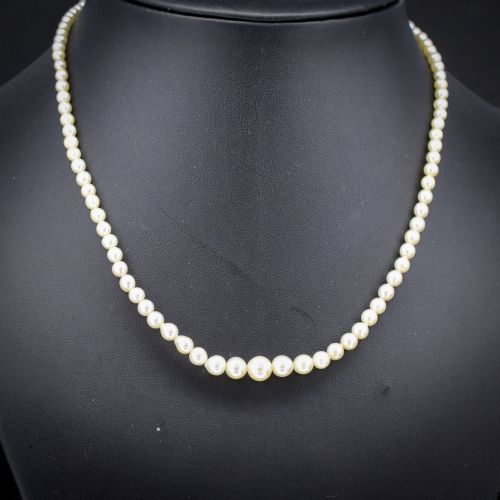
Gold clasp jewellery encompasses items where the fastening mechanism is an integral part of the design, such as necklaces, bracelets, and brooches. When searching for gold clasp jewellery, buyers encounter pieces ranging from Victorian watch chains and gate bracelets to mid-century cultured pearl necklaces.
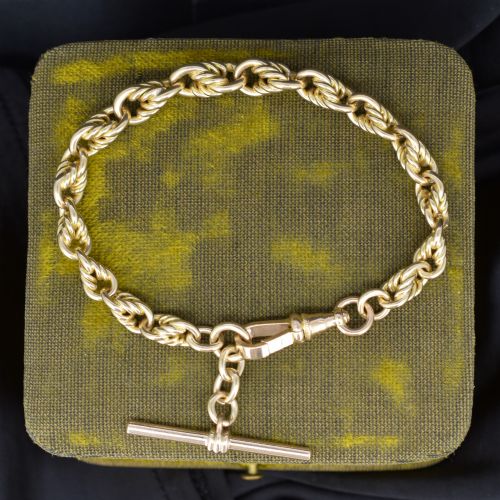
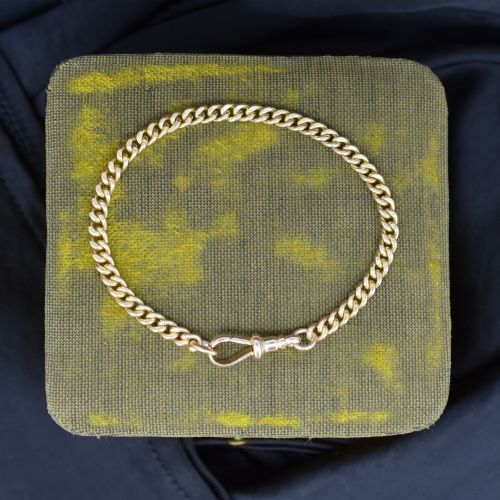
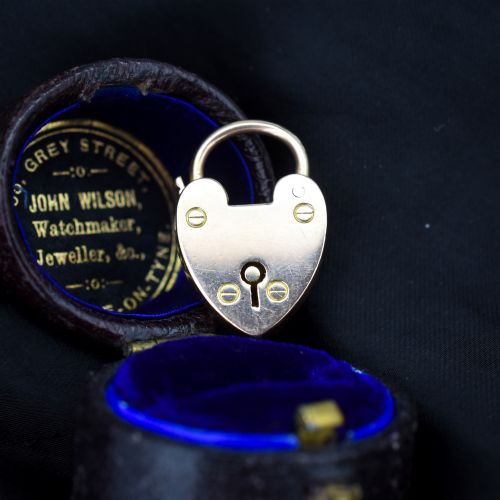
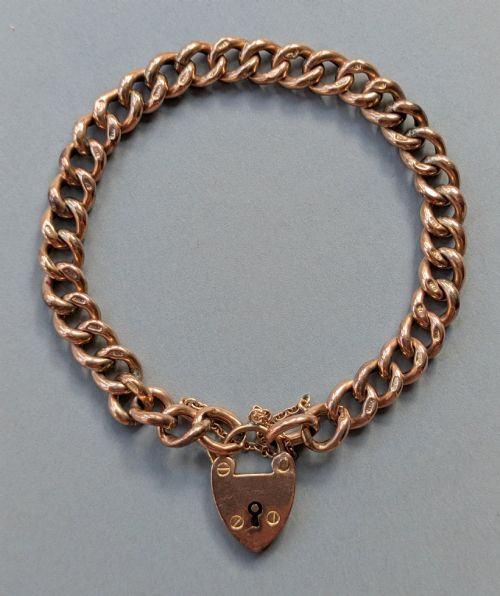
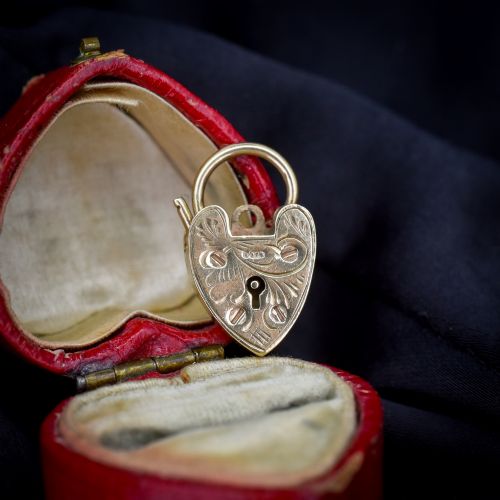
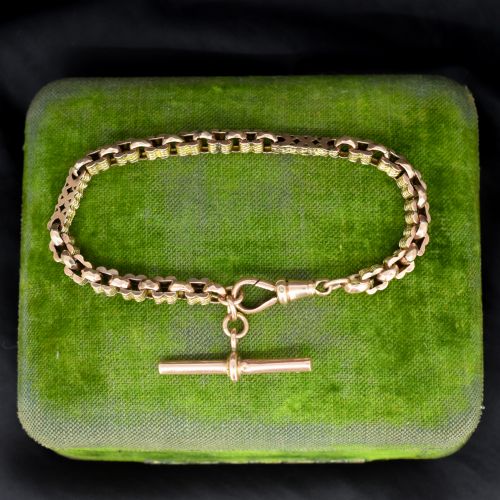
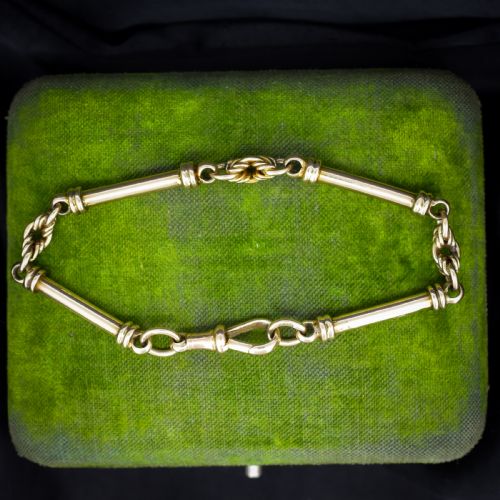
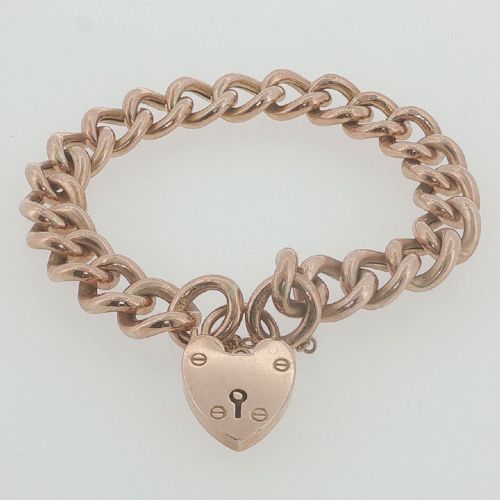
The selection on this page relies heavily on nineteenth-century and twentieth-century examples, spanning Victorian, Edwardian, Art Deco, and 1950s or 1960s periods. Forms include curb link bracelets, heart padlock charms, double strand pearl necklaces, and trombone link chains.
Origin points visible in the listings connect items to British assay offices, notably London and Birmingham, alongside period pieces featuring dog clips, T-bars, and jewelled clasps. The materials utilised span yellow, rose, and white gold, often paired with pearls and gemstones.
Materials and construction methods
The primary material foundation relies on 9ct and 18ct gold in yellow, rose, and white variations, alongside rolled gold alternatives. Chain links, gate bracelets, and padlocks are formed through traditional metalworking techniques including engraving and tubular bar construction.
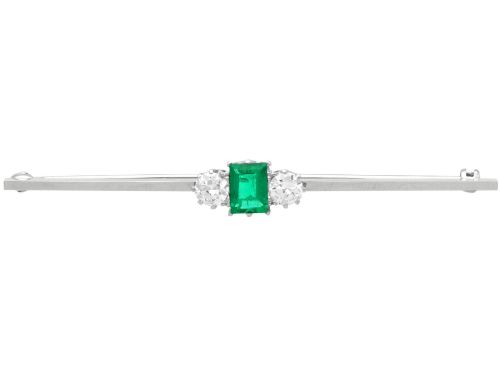
Gemstone integration involves diamonds, emeralds, sapphires, garnets, and amethysts set into gold mountings alongside cultured and freshwater seed pearls. Clasps such as dog clips, heart padlocks, and box fasteners are engineered to secure heavy chains and multi-strand bead arrangements safely.
Gold Clasp Jewellery Retail Price Guide 2026
Typical asking prices for gold clasp jewellery among the pieces listed under this phrase on Sellingantiques today, from the lower quarter to the upper quarter. They describe what is for sale here now, not the wider market.
Some Victorian dog clips were originally designed to keep pocket watches firmly attached to waistcoats, but now happily secure stray charms.
Distinctions in craftsmanship and materials
Quality differences emerge through the weight and solidity of the gold components, the precision of hand engraving on curb links and padlocks, and the structural integrity of internal clasp mechanisms. Substantial gram weights and fully hallmarked components distinguish superior pieces.
Gemstone selection and pearl grading also set items apart, with certified diamonds, matched cultured pearls, and precious stones like emerald or sapphire elevating the standard of the clasp and the primary body of the necklace or bracelet.
The Gold Clasp Jewellery Glossary
- Dog clip
- A spring-loaded swivel fastener commonly found on Victorian watch chains and charm bracelets. It allows charms and pendants to be attached and removed securely.
- Heart padlock
- A heart-shaped clasp used predominantly on Victorian and Edwardian gate and curb link bracelets. These often feature engraved decoration and secure pin mechanisms.
- T-bar
- A short transverse bar attached to the centre of a watch chain or Albert chain, designed to anchor the chain through a waistcoat buttonhole.
- Curb link
- A type of chain design where the links are oval and twist to lie flat against the skin. They form the base of many heavy antique bracelets.
- Albert chain
- A pocket watch chain named after Prince Albert, worn across the chest or attached to a garment. They frequently feature trombone links and dog clips.
Gold Clasp Jewellery: Frequently Asked Questions
What is an Albert chain?
An Albert chain is a traditional watch chain designed to secure a pocket watch to a garment, often featuring a T-bar at one end and a dog clip at the other.
In modern styling, these chains are frequently worn as necklaces or wrapped bracelets, showcasing intricate link patterns like trombone or curb variations.
How do heart padlock clasps work?
Heart padlock clasps serve as both the functional fastener and a decorative centrepiece on Victorian and Edwardian bracelets. A small spring-loaded latch opens the bail to secure onto a designated ring.
Many of these padlocks are hollow or solid rose gold and feature hand-engraved motifs specific to their manufacturing period.
Are cultured pearls original to mid-century clasps?
Mid-century pearl necklaces often pair multi-strand cultured or freshwater seed pearls with 9ct or 14ct gold clasps set with diamonds, sapphires, or garnets. Gem certificates frequently accompany these pieces to verify pearl origins.
Some vintage necklaces are historically restrung to ensure the silk thread remains strong while retaining the original gold clasp and gemstone elements.
How do I identify a Victorian gold chain?
Victorian gold chains and bracelets are typically characterised by heavier gram weights, 9ct or 18ct yellow and rose gold alloys, and components like dog clips or tubular bars. Hallmarks, where present, link directly to British assay offices and specific production years.
Designs from this era emphasise structural durability, incorporating hand-chased engraving and solid link construction that differ from later twentieth-century manufacturing.