
Gold Charm Necklace
Gold charm necklaces assemble wearable miniature histories from pendant pieces suspended on precious metal chains.
Gold Charm Necklace
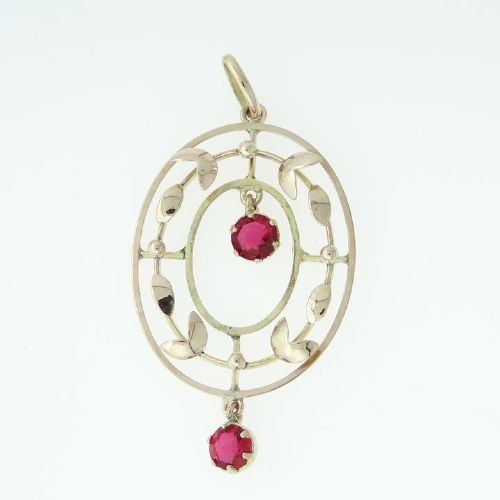
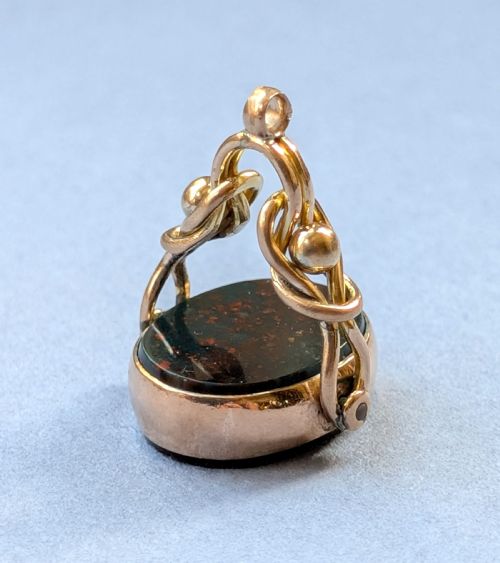
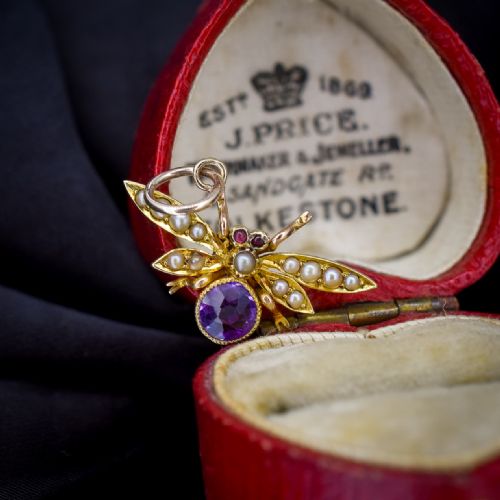
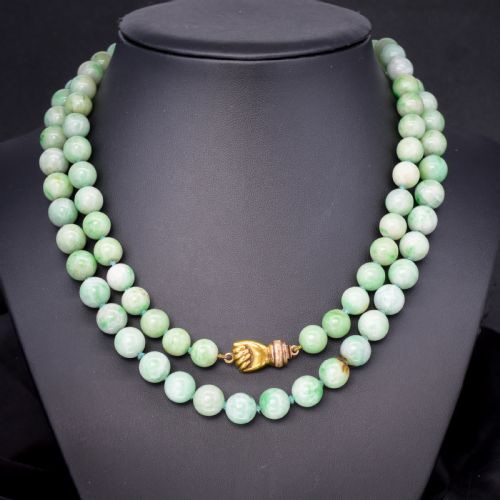
A gold charm necklace brings together individual pendants, lockets, fobs, and medals gathered across decades or selected as cohesive suites. Pieces span Victorian, Edwardian, Art Nouveau, Art Deco, and mid-century eras, reflecting changing tastes in wearable miniature art.
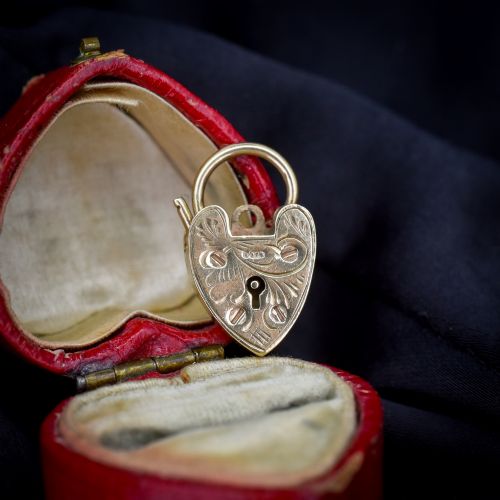
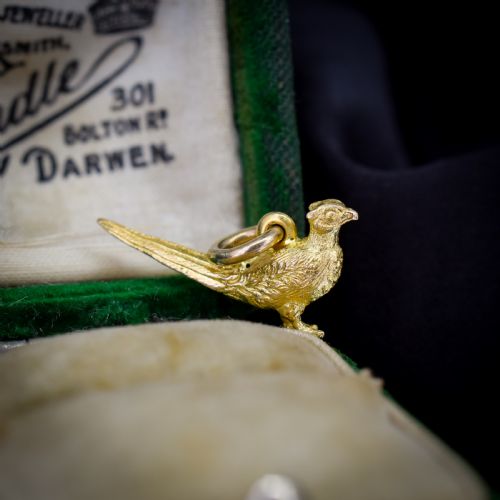
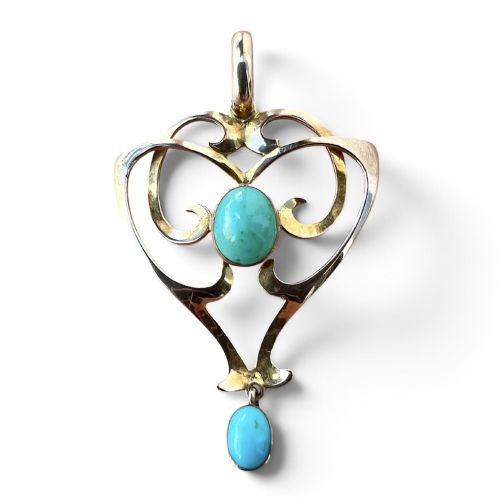
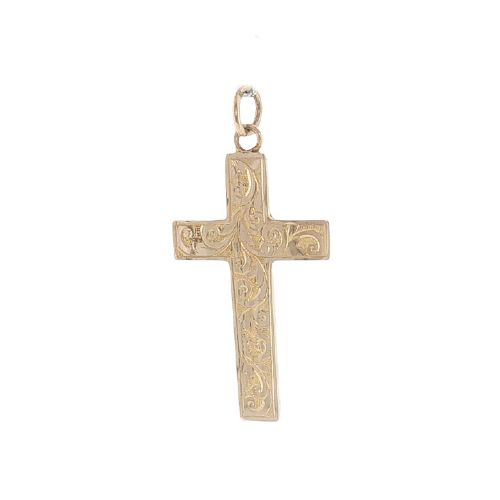
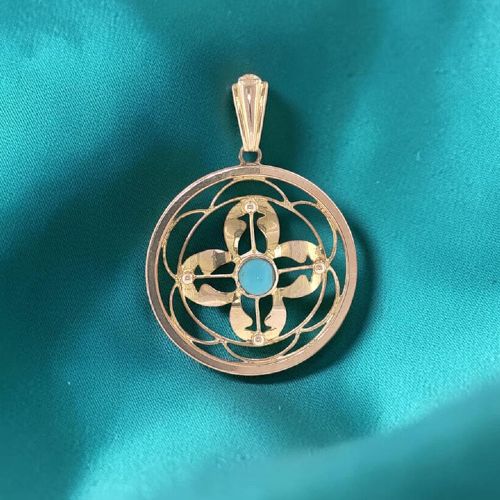
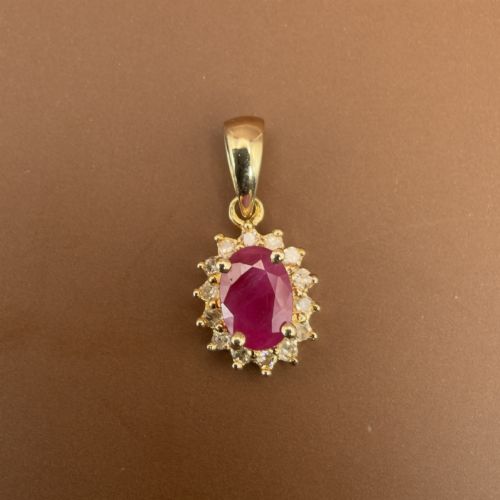
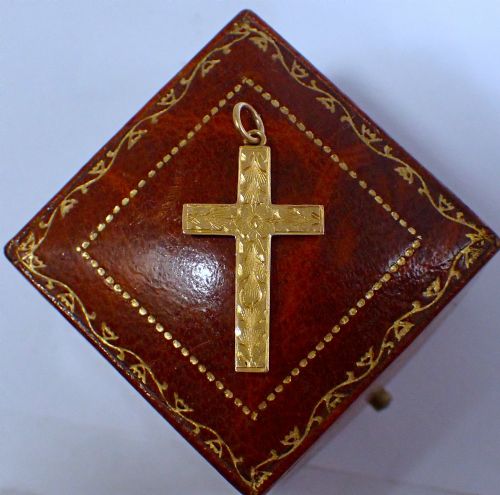
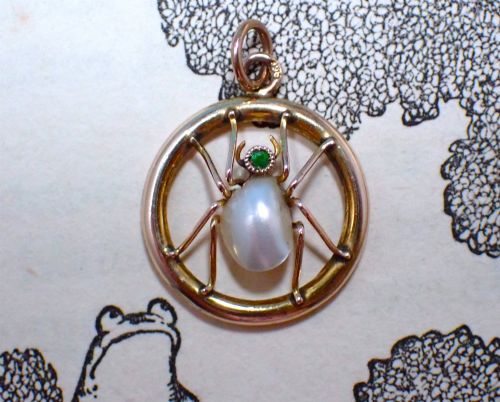
The most common configurations feature hollow or solid yellow gold pendants, ranging from engraved padlocks and animal figures to gem-set clover hearts and religious medals. Chains hold these elements securely, allowing individual charms to move and catch the light.
Materials and construction
Goldsmiths utilised 9ct, 14ct, 15ct, and 18ct yellow and rose gold, occasionally incorporating white gold in later pieces. Construction methods combine hollow stampings with heavy cast elements, secure bezel settings, and detailed hand engraving.
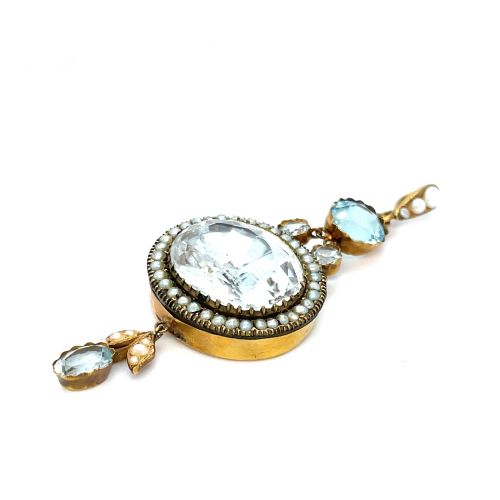
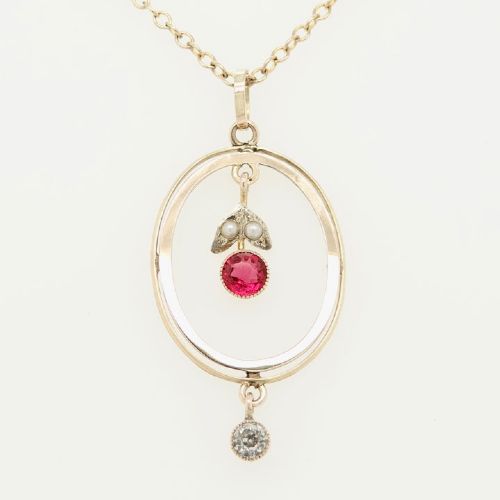
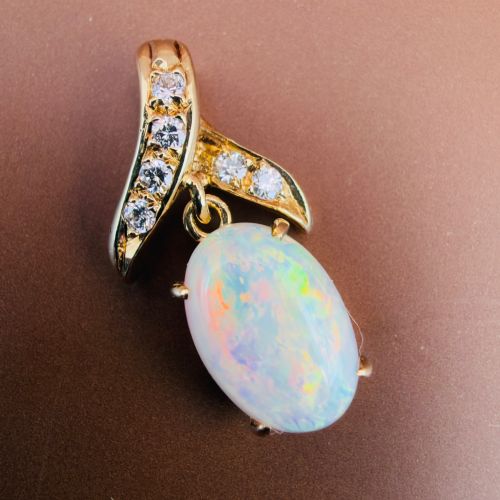
Gemstones such as opals, aquamarines, rubies, amethysts, citrines, and turquoise are paired with seed pearls, paste, and enamel work like plique-à-jour to add colour and texture to the metal framework.
Listings feature yellow gold, rose gold, and white gold items spanning the Victorian era through the mid-nineteenth century.
Craftsmanship and distinction
Quality rests in the crispness of the hand engraving, the depth of the gold gauge, and the security of stone settings. Superior examples display articulated movement in figures, meticulous enamel work, and well-preserved hallmarks that anchor the piece to a specific assay office and year.
Deakin & Francis·Paul Brandt·Monier·Pageli Perriat
The Gold Charm Necklace Glossary
- Padlock charm
- A small lock-shaped pendant often used on Victorian and Edwardian bracelets and necklaces, frequently decorated with hand engraving.
- Plique-à-jour
- An enamelling technique where enamel is applied without a backing, creating a translucent, stained-glass effect that lets light pass through the colour.
- Watch fob
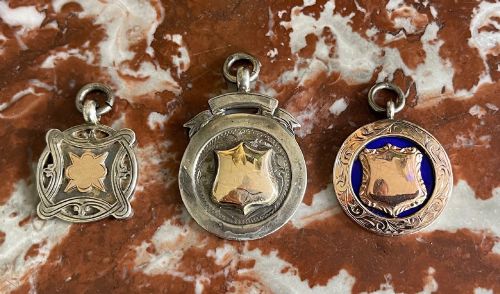
- A short chain or pendant attached to a pocket watch, repurposed in jewellery collections to hang from chains as a decorative charm.
- Foil back
- A sheet of coloured metal placed beneath a gemstone to enhance its brilliance and alter its perceived hue in antique jewellery.
- Articulated
- Designed with movable joints, allowing parts of the charm like a fish tail or animal limbs to flex and shift during wear.
Gold Charm Necklace: Frequently Asked Questions
How do I care for antique gold charm necklaces?
Clean antique pieces gently with a soft microfibre cloth, avoiding harsh ultrasonic cleaners that can dislodge seed pearls or damage delicate enamel work like plique-à-jour.
Store charms individually in soft pouches to prevent scratching between moving metal components and faceted gemstones.
Are all gold charms original to their necklaces?
Many gold charm necklaces are assembled over time, mixing contemporaneous pendants from the Victorian, Edwardian, and mid-century periods onto a matched chain.
Examining the suspension rings and metal tones helps determine whether elements share a unified origin or represent a curated collection.
What gold purities should I expect to find?
British pieces commonly feature 9ct and 15ct gold standards alongside Birmingham hallmarks, while continental European examples frequently utilise 18k yellow and rose gold.
Colour variations between yellow, rose, and white gold often indicate different historical periods and regional preferences.
How do I identify Victorian and Edwardian styles?
Victorian pieces often display heavier rose gold, sentimental motifs like engraved hearts, and closed-back gemstone settings.
Edwardian designs shift toward lighter yellow and white metals, incorporating delicate seed pearls, aquamarines, and intricate filigree work.