
9ct Yellow Chain
A 9ct yellow chain brings together historic craftsmanship and durable gold in pieces designed for everyday wear.
9ct Yellow Chain
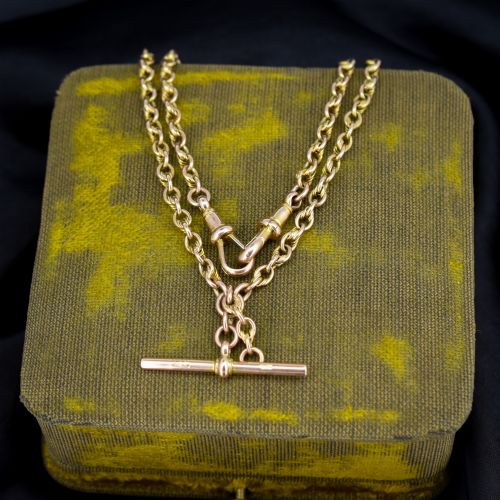
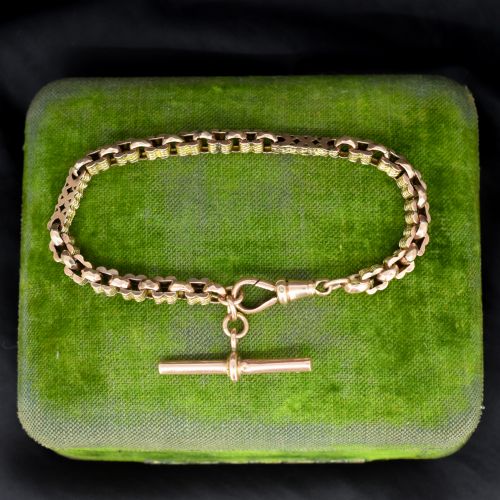
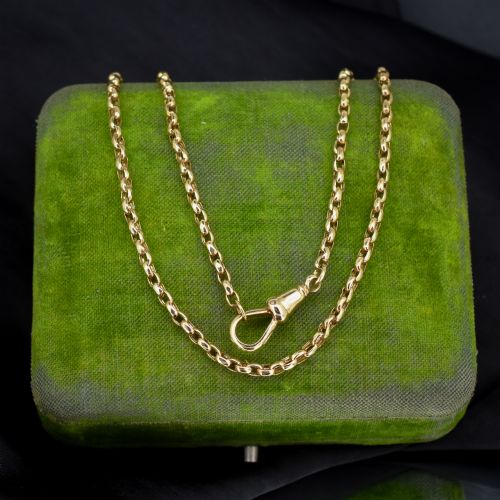
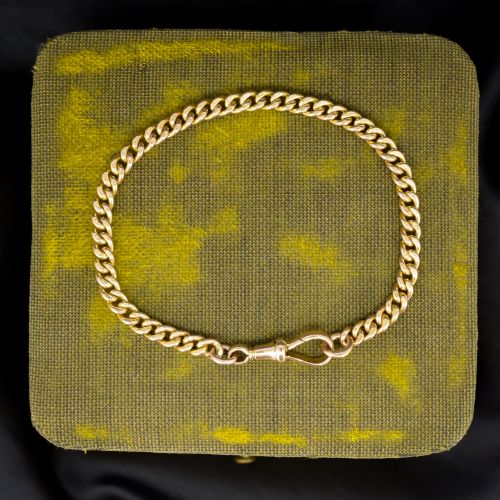
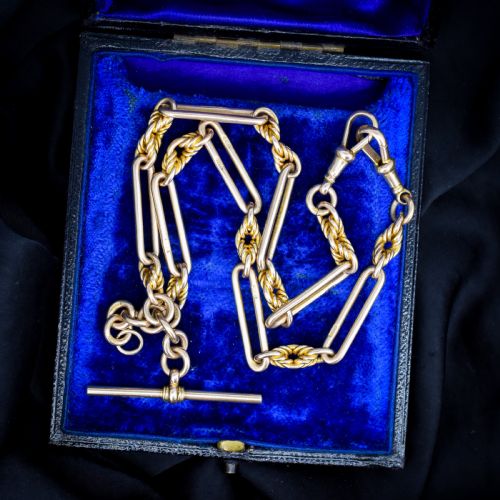
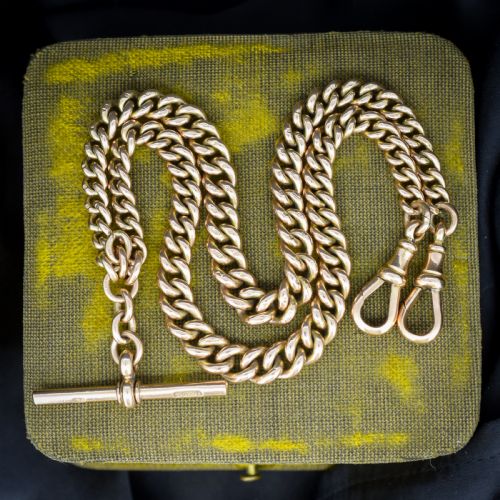
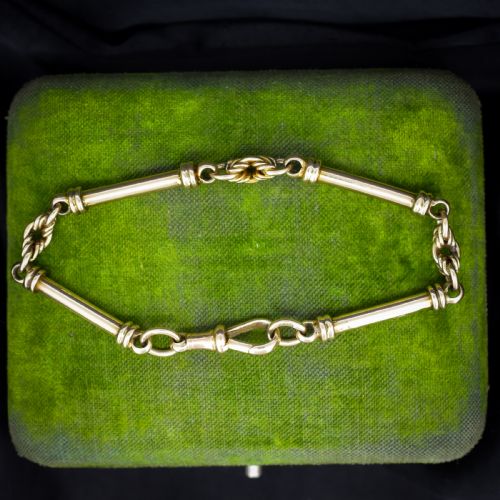
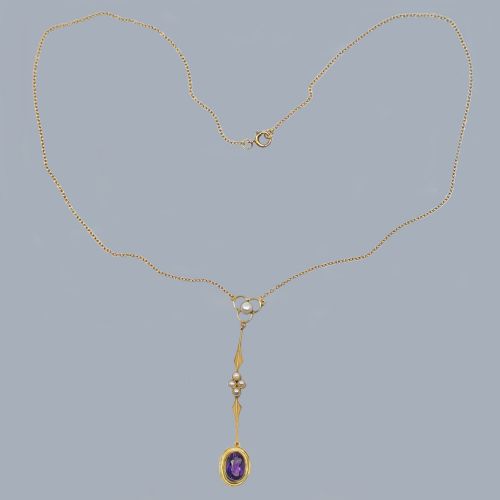
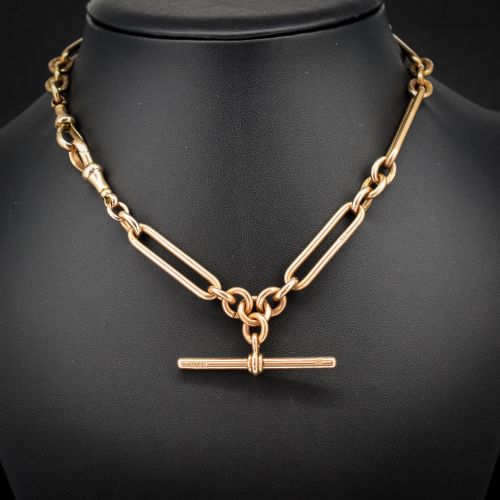
A 9ct yellow chain encompasses a diverse selection of historic neckwear, bracelets, and pocket watch accessories originating from the Victorian, Edwardian, and mid-century periods. Buyers searching this phrase encounter substantial guard chains, delicate pendant necklaces, and traditional Albert chains fitted with dog clips and T-bars.
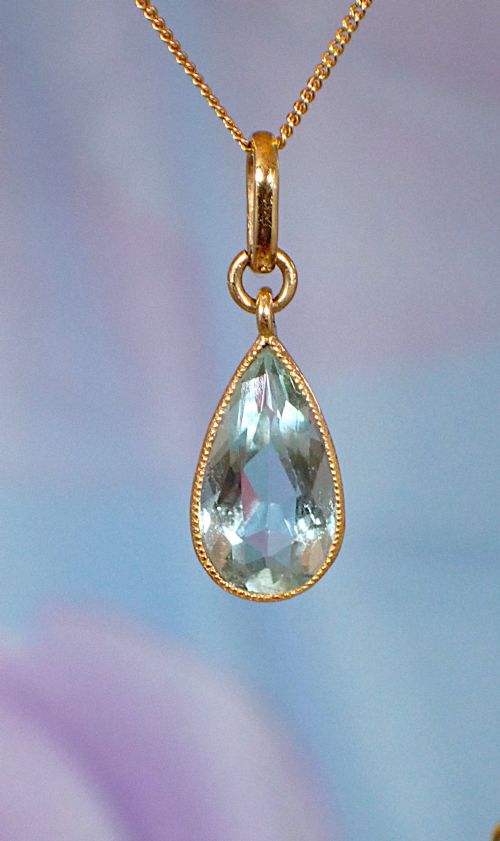
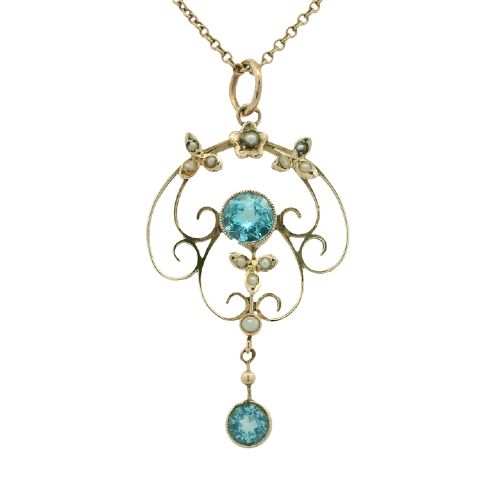
The assortment on this page ranges from long, heavy paperclip and curb link chains designed to loop multiple times, to shorter fancy link necklaces set with stones like aquamarine, amethyst, and seed pearls. Many surviving examples began life as functional watch chains before transitioning into versatile modern necklaces.
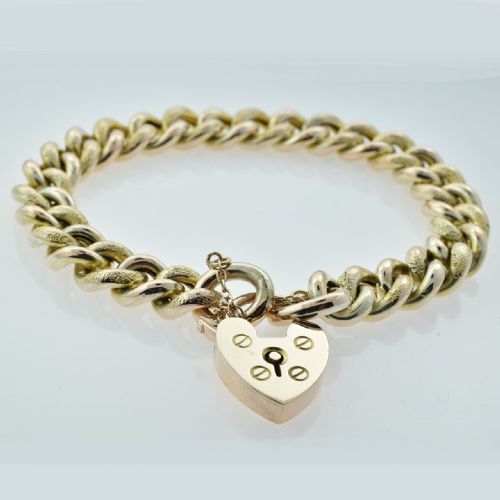
Originating predominantly from British workshops across the late nineteenth and early twentieth centuries, these items demonstrate practical longevity alongside period charm. The selection highlights varied link configurations, including trombone, belcher, and foxtail patterns fashioned in warm yellow gold.
How they were made
Makers constructed these pieces using 9ct gold, utilising both hollow tube formations and solid links depending on the intended strength and purpose of the chain. Longuards and heavier watch chains frequently employed robust curb or trombone links to support pocket watches and fob tassels securely.
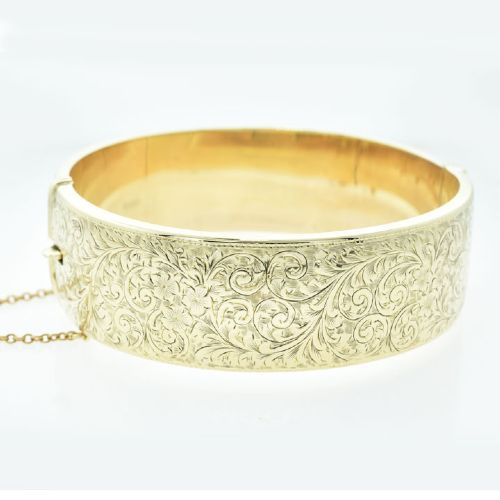
Many links bear clear hallmarks stamped onto individual segments or tags, indicating regional assay offices such as Chester alongside the standard 375 fineness mark. Goldsmiths integrated decorative elements like love knots, starburst motifs, and hand-engraved patterns directly into the links and clasps.
Listings feature 9ct yellow gold pieces spanning the Victorian, Edwardian, and mid-century eras, incorporating gemstones like amethyst, aquamarine, and seed pearls.
What varies in quality
The distinction between standard examples and superior items rests upon the complexity of the link construction and the integrity of the original components. Pieces featuring every link hallmarked, intact dog clips, and undamaged swivel mechanisms command greater appreciation from collectors.
Artistry in fancy link variations - such as alternating patterned bars, integrated gemstones, or complex filigree work - elevates certain items above straightforward utility chains. Preservation of original length, substantial gram weight, and crisp engraving define the upper tier of the range.
Smith and Pepper
The 9ct Yellow Chain Glossary
- Albert chain
- A traditional pocket watch chain designed to pass across a waistcoat, often fitted with a T-bar at one end and a dog clip at the other.
- Dog clip
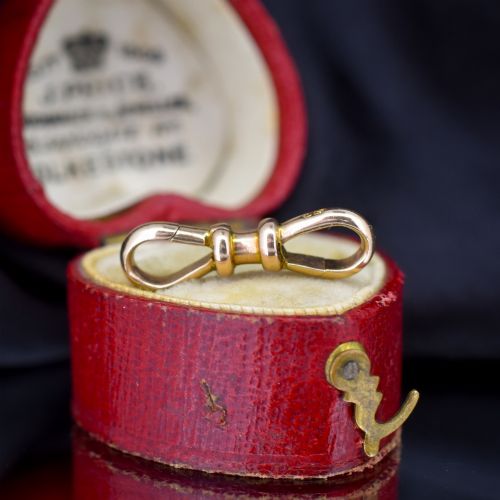
- A spring-loaded clasp resembling a small snap hook, commonly utilised on period watch chains and bracelets for secure attachment.
- Trombone link
- A decorative chain link pattern composed of alternating elongated rectangular bars and smaller circular connecting rings.
- Longuard
- An extra-long necklace style from the Victorian or Edwardian eras, originally created to hold a lorgnette or pocket watch.
- Hallmark
- An official stamp applied to precious metals indicating purity, origin, and often the year of manufacture.
9ct Yellow Chain: Frequently Asked Questions
How do I wear a long watch chain as a necklace?
Longer watch chains and guard chains can be doubled around the neck to create a layered look, or worn at full length depending on the drop you prefer. Many retain their original dog clips, making it simple to attach a pendant or tuck the ends together.
Experimenting with the placement of the T-bar allows you to display historical clasps as decorative focal points at the front or side of the chain.
What is the difference between a curb link and a paperclip link?
Curb links are uniformly twisted and interlocking, creating a dense, flat profile that sits smoothly against the skin and offers substantial weight. Paperclip links consist of elongated wire loops joined by smaller rings, presenting an open, geometric appearance.
Both styles were widely utilised in British jewellery manufacturing during the Victorian and Edwardian periods, but they provide entirely different visual textures.
Can I attach a modern pendant to an antique chain?
Most antique chains with dog clips or bolt rings readily accommodate modern pendants, provided the bail of the pendant is wide enough to pass over the clasp. The secure spring mechanisms on period dog clips make swapping pendants straightforward.
Checking the weight balance between the chain and the pendant ensures the piece hangs correctly without placing undue strain on delicate links.
How can I tell if a chain is Edwardian or Victorian?
Dating relies on hallmarks, overall design characteristics, and accompanying components like sliding drops or specific clasp types. Victorian pieces often incorporate heavier two-tone gold or elaborate fancy link combinations, while Edwardian examples lean towards lighter, airier constructions set with seed pearls or aquamarines.
Consulting the assay marks stamped on the metal provides the most precise chronological indicator for hallmarked items.