

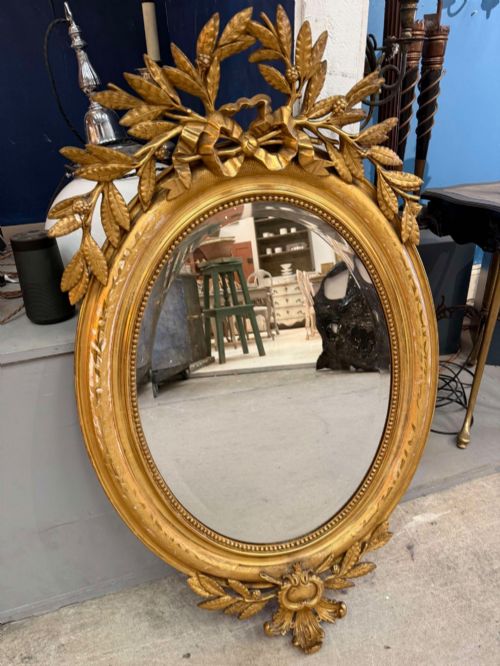
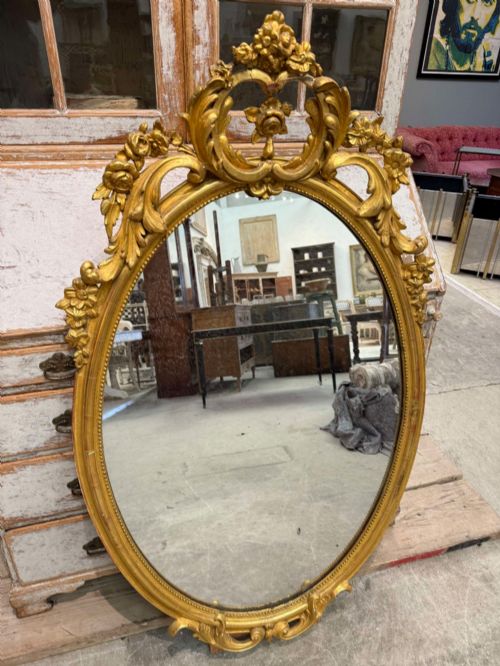
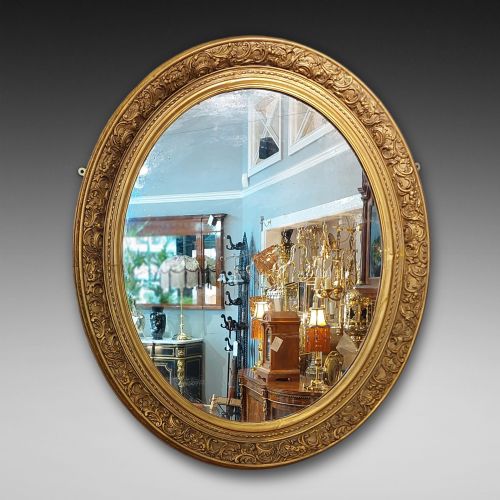
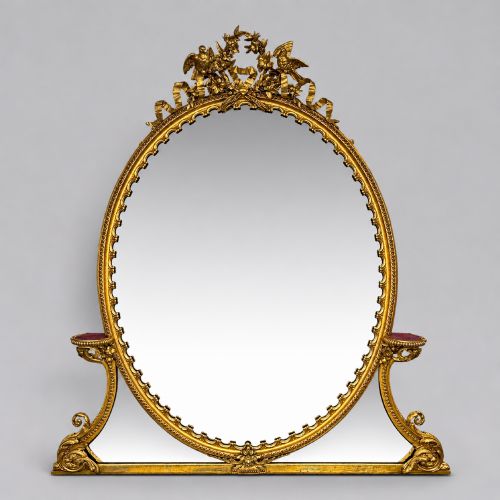
Gold Carved Oval Mirror
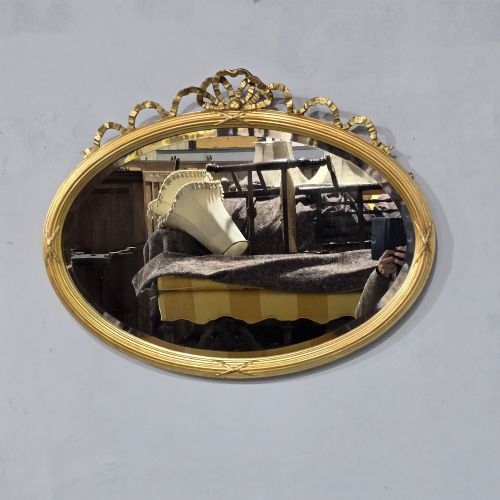
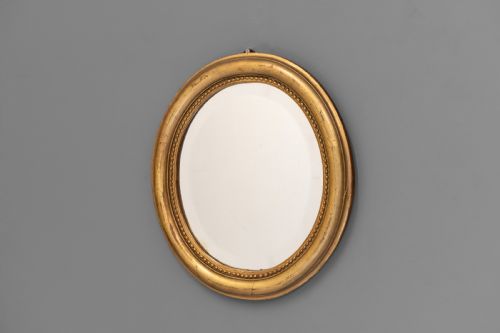
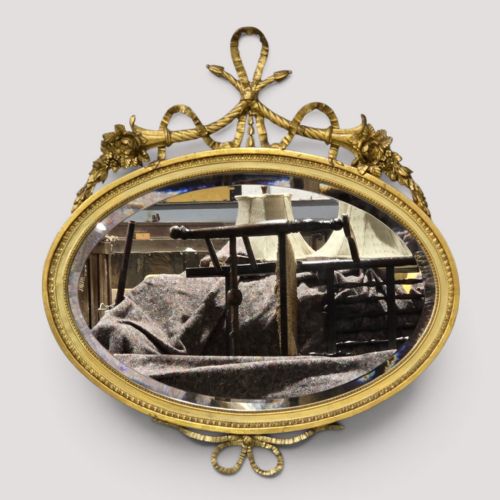
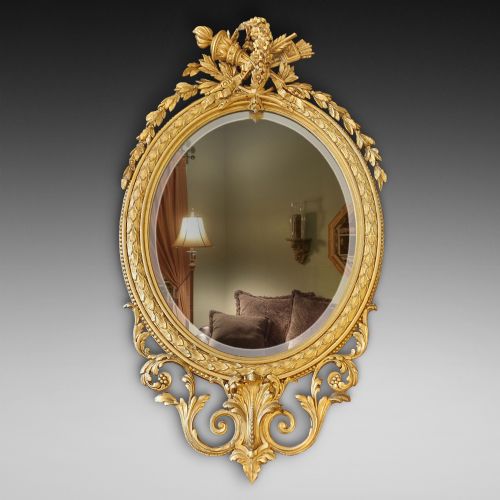
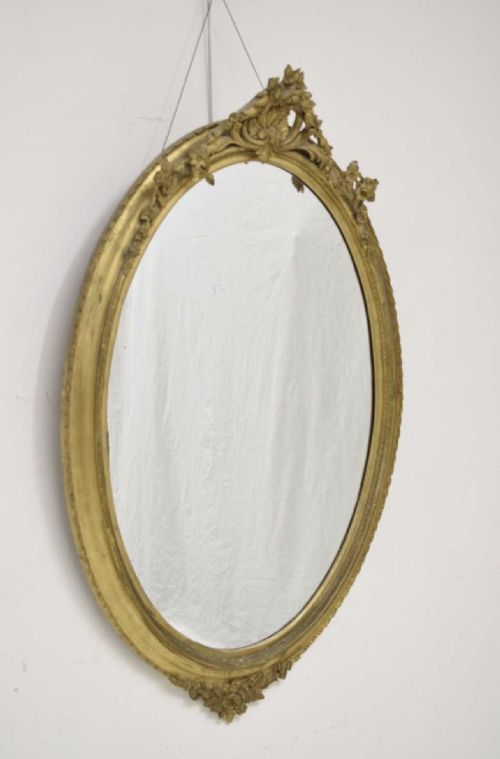
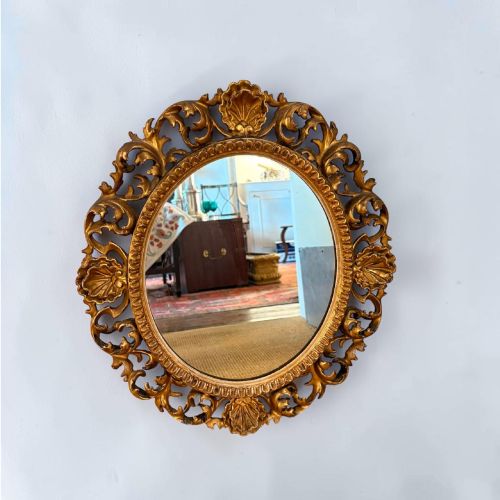
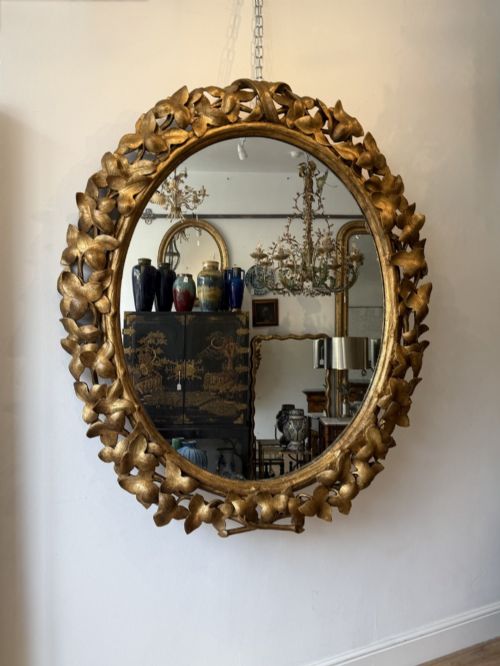
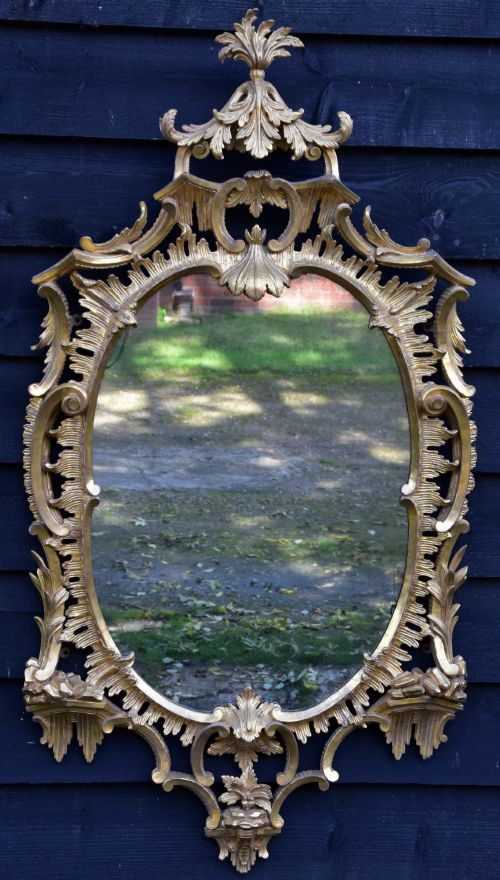
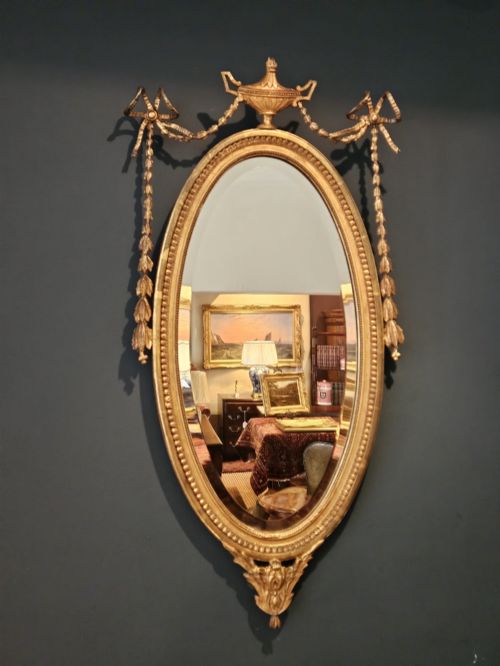
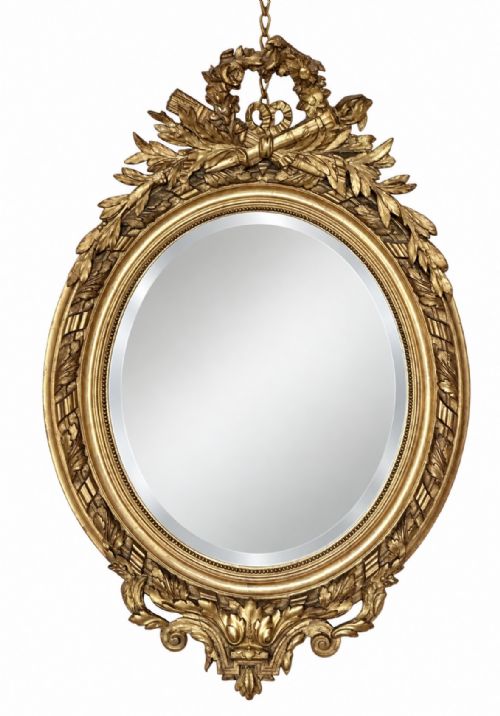
A gold carved oval mirror brings light and classical proportion to a room, framed in gilded wood and gesso.
Gold Carved Oval Mirror
A gold carved oval mirror combines curved wooden frames with reflective glass, appearing frequently in Victorian, Georgian, and 18th Century designs.
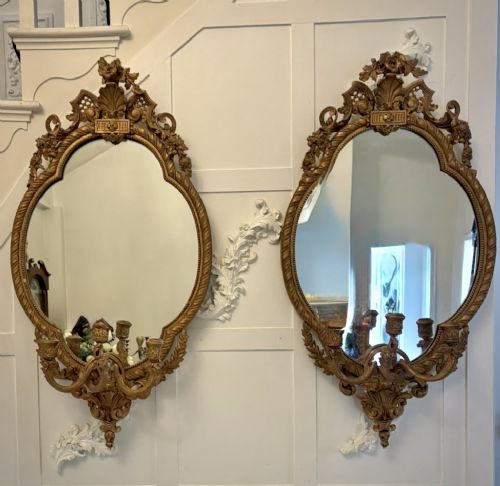
Buyers encounter wall mirrors, girandoles with candle branches, and smaller toilet or table mirrors shaped in vertical ovals.
The form spans centuries of decorative craft, from English George III output to French Louis styles and Italian Florentine workshops.
How they were made
Carved timber forms the structural base, layered with gesso to build up the relief work before final gilding.
Artisans applied gold leaf or gold paint over the prepared surfaces, sometimes pairing the wood with mercury plate glass.
Gold Carved Oval Mirror Retail Price Guide 2026
Typical asking prices for gold carved oval mirror among the pieces listed under this phrase on Sellingantiques today, from the lower quarter to the upper quarter. They describe what is for sale here now, not the wider market.
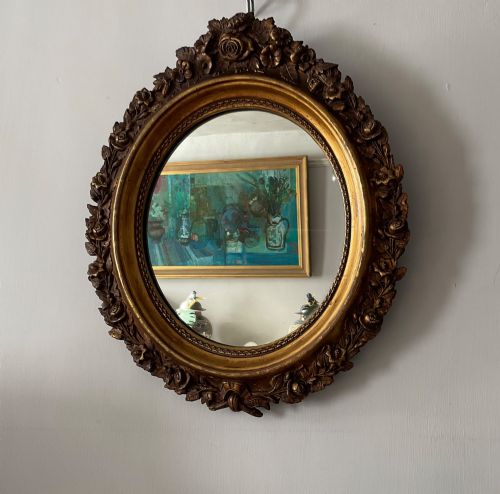
Some Victorian frames incorporate intricate rose vines made of carved timber, bringing garden flora straight onto the drawing room wall.
What varies in quality
The depth and crispness of the carved detail distinguish standard production from exceptional examples.
Original mercury plates and untouched period gilding hold greater appeal than later restorations or replacements.
The Gold Carved Oval Mirror Glossary
- Giltwood
- Timber coated with gold leaf or powder over a prepared ground. It provides the signature metallic warmth seen on these frames.
- Gesso
- A plaster mixture applied to wood frames to create a smooth surface for carving and gilding. This material allows for intricate relief ornamentation.
- Girandole
- A wall mirror featuring attached candle sconces or branches. These fixtures reflect candlelight to brighten dark rooms.
- Mercury Plate
- An older type of mirror glass made with a tin and mercury amalgam. It displays a distinctive mottled, soft reflection.
- Pediment
- The decorative structure surmounting the top of the frame. Urns and vine leaves frequently decorate this upper section.
Gold Carved Oval Mirror: Frequently Asked Questions
Where should I hang an oval mirror?
These pieces suit mantelpieces, hallways, or above dressing tables where their vertical curve breaks up rigid architectural lines.
Ensure the wall fixings support the weight of the timber and gesso frame securely.
How do I date an antique mirror?
Examine the timber construction behind the frame, the backing boards, and the type of glass plate used.
Stylistic cues like Neoclassical urns or Rococo scrolls also point toward specific periods such as the Georgian era or Victorian revival.
What is a girandole mirror?
A girandole incorporates candle arms directly into the design of the wall mirror frame.
In historical interiors, these multiplied the illumination in a room before electric lighting existed.
Is mercury glass original?
Older pieces often retain their original mercury plate, identifiable by subtle dark speckling and a softer reflection than modern glass.
Original plates contribute significantly to the character and authenticity of an 18th or 19th Century frame.