






Gold Bronze Dancer
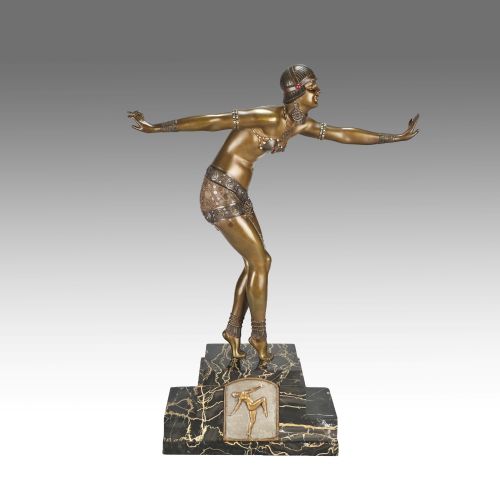
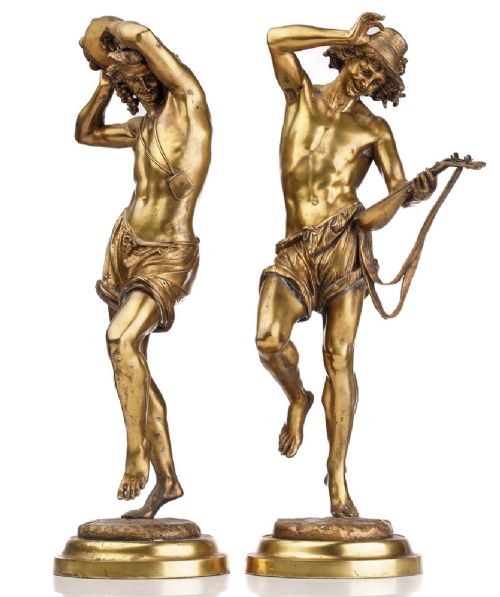
These gold bronze dancer figures capture the motion of the stage in metal, combining the weight of bronze with the grace of early twentieth-century performers.
Gold Bronze Dancer
A gold bronze dancer represents a sculptural study of movement, predominantly rooted in the Art Deco period with influences from Art Nouveau and the nineteenth century. These pieces take the form of table lighters, wall plaques, and standalone figurines depicting female dancers, musicians, and performers.
The versions most likely to appear on this page include Art Deco figures cast from bronze or spelter, often mounted on bases of marble, onyx, or alabaster. Many examples capture specific stylistic movements of the 1920s and 1930s, portraying subjects such as Egyptian, Russian, and cabaret dancers.
Materials and technique
Foundry work relied on traditional casting methods to shape metals such as bronze, gilt bronze, and spelter into intricate human forms. Artisans then applied surface treatments including cold-painting and gilding to accentuate garments, headdresses, and facial expressions.
Sculptures frequently incorporated mixed media elements, pairing metal figures with carved ivory in chryselephantine works. These compositions were secured to heavy stone plinths made from materials like marble, onyx, or alabaster to provide stability and contrast.
Gold Bronze Dancer Retail Price Guide 2026
Typical asking prices for gold bronze dancer among the pieces listed under this phrase on Sellingantiques today, from the lower quarter to the upper quarter. They describe what is for sale here now, not the wider market.
Listings span periods from the nineteenth century through to the 1930s, with later twentieth-century wall plaques also appearing.
Distinctions in quality
Materials dictate the heft and presence of the object, where solid bronze and genuine gilt surfaces hold a different visual weight compared to painted spelter. The quality of the mounting stone, from plain slate to figured marble or onyx, also signals the ambition of the original maker.
Josef Lorenzl·Demetre Chiparus·Paul Philippe·Claire Colinet·Charlotte Monginot·Albert Ernest Carrier-Belleuse
The Gold Bronze Dancer Glossary
- Chryselephantine
- A term describing a statue made of gold and ivory, which in twentieth-century works typically denotes a bronze figure with carved ivory face and hands. This technique allowed makers to introduce tonal contrast to the sculpture.
- Spelter
- An alloy of zinc and lead used as a cost-effective alternative to bronze. It takes cold paint and patination well, though it is softer and lighter than copper-based metals.
- Cold-painted
- A method where paint is applied to a bronze object without subsequent firing in a kiln. This finish allows for vivid polychrome details on garments and hair.
- Gilt bronze
- Metal cast with a thin layer of gold applied to the surface. It offers a lasting sheen that does not tarnish easily.
- Alabaster
- A fine-grained stone used for sculptural bases. Its translucent quality distinguishes it from denser marbles.
Gold Bronze Dancer: Frequently Asked Questions
What materials are used?
Pieces combine metals like bronze, gilt bronze, and spelter with decorative finishes including cold paint. Bases are frequently constructed from stone such as marble, onyx, or alabaster.
Some advanced examples utilise carved ivory alongside metal elements in chryselephantine compositions.
How do I date a piece?
Dating relies on stylistic markers associated with the periods recorded in the evidence, such as the geometric lines of Art Deco or the flowing motifs of Art Nouveau. The materials, clothing styles of the dancers, and presence of signatures also offer chronological context.
Nineteenth-century works display different casting conventions compared to those produced during the 1920s and 1930s.
Where were they displayed?
These figures functioned as decorative table pieces, mantel ornaments, and desk accessories in period interiors. Some specific forms served dual purposes, such as table lighters.
Wall plaques were designed for vertical display in domestic spaces.
How should I clean them?
Dusting with a dry, soft cloth is sufficient for maintaining the surface of both metal and stone components. Moisture and chemical cleaners should be avoided to protect patinated or cold-painted finishes.
Stones like marble and onyx respond well to gentle wiping without abrasive agents.