
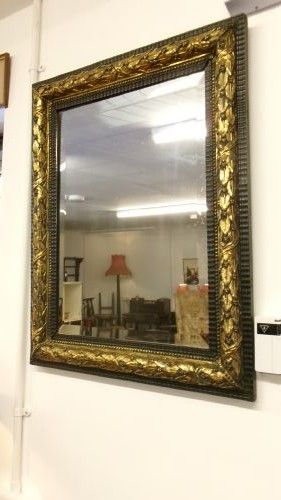


Gold Brass Frame Mirror
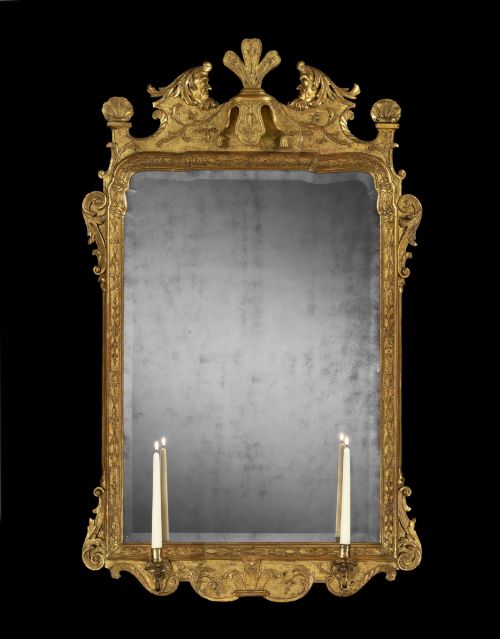
A gold brass frame mirror brings warmth and reflective depth to a room, spanning periods from George I to Art Deco.
Gold Brass Frame Mirror
When searching for a gold brass frame mirror, buyers encounter a diverse selection of wall hanging pieces, table mirrors, and fire screens originating from the nineteenth and early twentieth centuries. These objects combine metal frames with reflective glass plates, often incorporating wooden backing or structural supports.
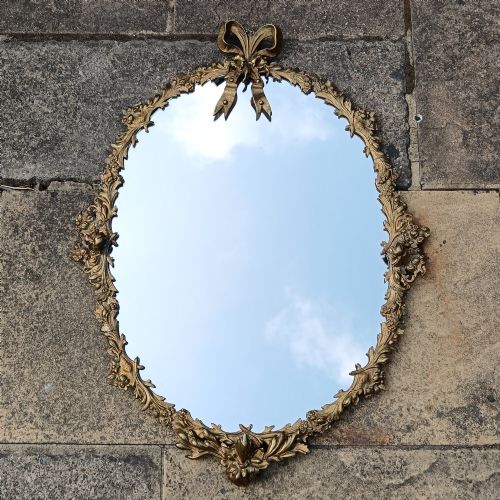
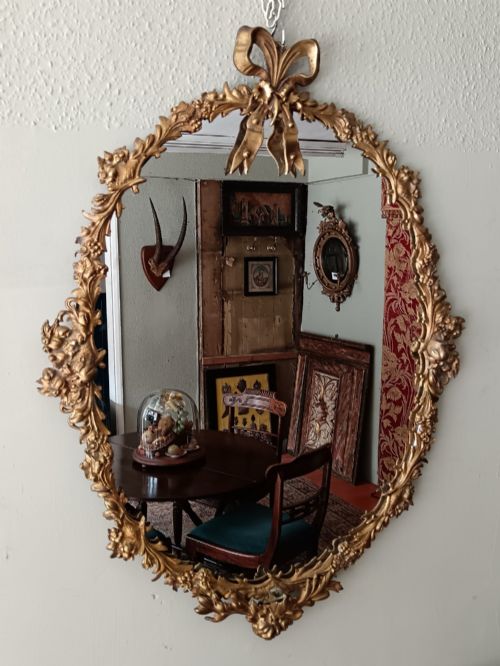
The most frequent pieces met on this page include Victorian oval and rectangular brass wall mirrors alongside French bistro and cushion mirrors from the late nineteenth century. Examples range from simple embossed or repousse brass frames to ornate Louis XVI revival and Hollywood Regency designs featuring cast details.
Larger formats such as cheval mirrors and heavy brasserie mirrors appear alongside smaller table mirrors and decorative panel mirrors. The styles span Edwardian, Art Deco, and French Rococo revival aesthetics, offering varied proportions for different interior spaces.
Qualities of Distinction
The standard of a frame rests upon the crispness of its casting and the depth of hand working in repousse and embossed brass sections. Superior pieces display finely articulated motifs and robust construction where the metal securely holds the heavy glass plate.
Preservation of the original glass plate and backing materials strongly influences the character of the piece. Higher quality examples retain their original gilding or patinated brass surfaces without modern repairs or unsympathetic replating.
Several mirrors incorporate detailed ram heads and cherubs directly into their embossed brass frames.
F.Bienvue
The Gold Brass Frame Mirror Glossary
- Repousse
- A metalworking technique where the metal is hammered into relief from the reverse side. This method creates raised decorative patterns across brass mirror frames.
- Cushion mirror
- A mirror featuring a convex or padded frame profile that curves outward toward the edge. This style creates a pronounced three-dimensional border around the glass.
- Bevelling
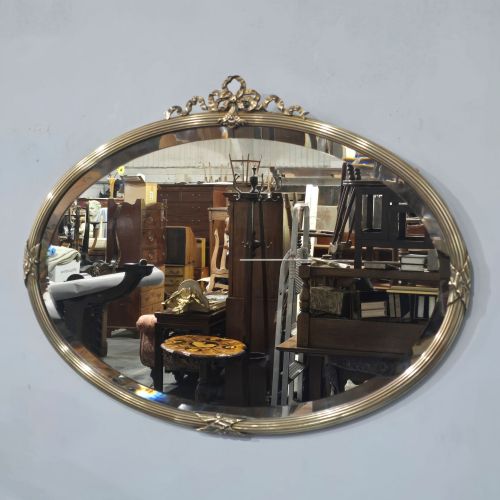
- The practice of angling the outer edges of a glass mirror plate to produce a decorative prismatic border. Period bevels are typically hand-ground rather than machine-cut.
- Ormolu
- Gilded bronze or brass applied to decorative objects and furniture mounts. The finish provides a rich gold appearance on nineteenth-century French frames.
- Fire screen
- A decorative panel placed before a fireplace when not in use, occasionally adapted with mirror glass. These pieces combine functional metal stands with reflective surfaces.
Gold Brass Frame Mirror: Frequently Asked Questions
How do I date an antique brass mirror?
Dating relies upon examining the construction methods of the frame, the fixings used on the reverse, and the characteristics of the glass plate. Hand-beveled edges and original wood backing boards often point toward nineteenth-century origins.
Stylistic cues such as repousse decoration, Art Deco geometric lines, or Victorian cushion framing further narrow the period of manufacture.
What is a French bistro mirror?
French bistro mirrors were heavy commercial mirrors utilised in cafes and brasseries, typically framed in thick brass mounted on sturdy oak or wooden foundations. They were designed to withstand busy public environments while brightening interior spaces.
Today, these robust pieces are prized for their industrial character and often retain their original distressed glass plates.
Can these mirrors be hung safely on plaster walls?
Many period brass mirrors possess considerable weight due to thick metal frames, wooden backing boards, and substantial glass plates. Secure installation requires appropriate wall fixings matched to the weight of the specific mirror.
Wall-hanging models feature designated loops or brackets on the reverse designed for stable mounting.
How should I clean a vintage brass frame?
Vintage brass frames benefit from gentle dusting with a soft dry cloth to preserve their accumulated patination and aged surface character. Aggressive metal polishes should be avoided unless necessary, as they can strip away historic finishes.
Glass plates can be cleaned with standard glass cleaner applied to a cloth rather than sprayed directly near the metal and backing.