



Gold and Silver Inlay
Gold and silver inlay brings together contrasting metals on bronze, iron, tortoiseshell, and leather to create rich surface decoration.
Gold and Silver Inlay
Gold and silver inlay appears across a diverse range of objects, uniting decorative arts from different origins and periods. When buyers search for gold and silver inlay, they encounter pieces that showcase contrasting metallic ornamentation applied to dark bases.
The selections available here span from 19th-century European personal items to Japanese bronzes and metalwork. Wearers and collectors find items ranging from brooches and pendants to larger decorative vases and tables.
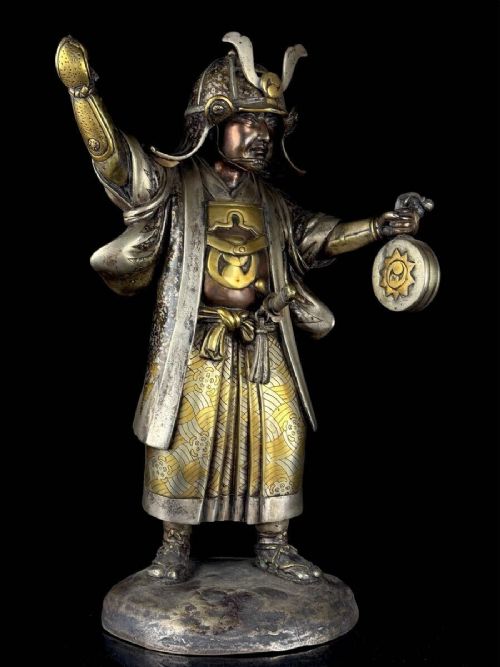
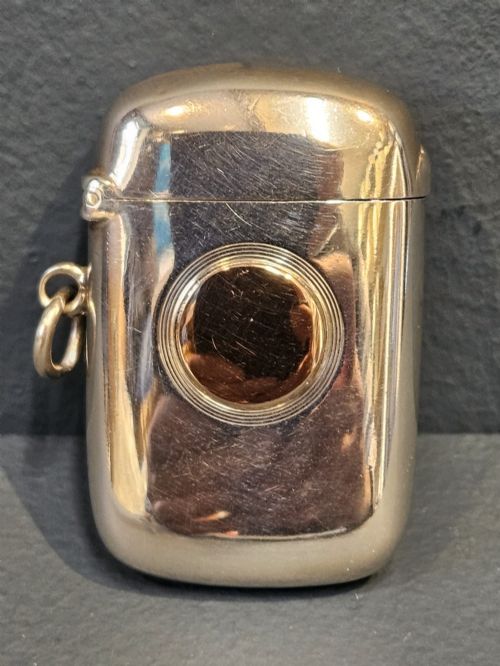
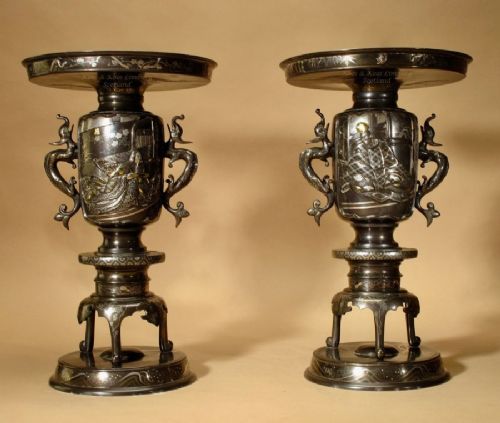
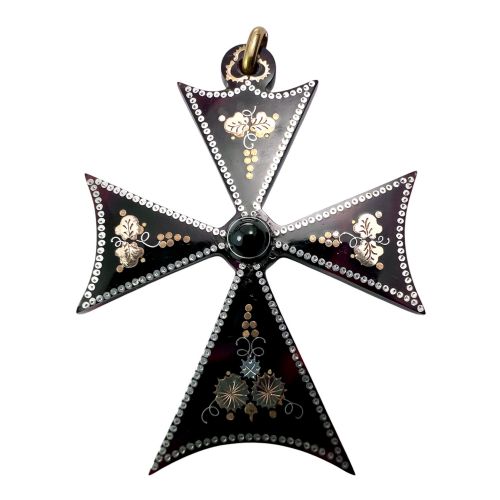
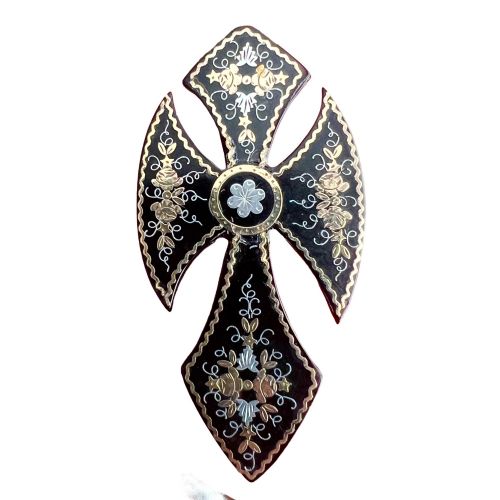
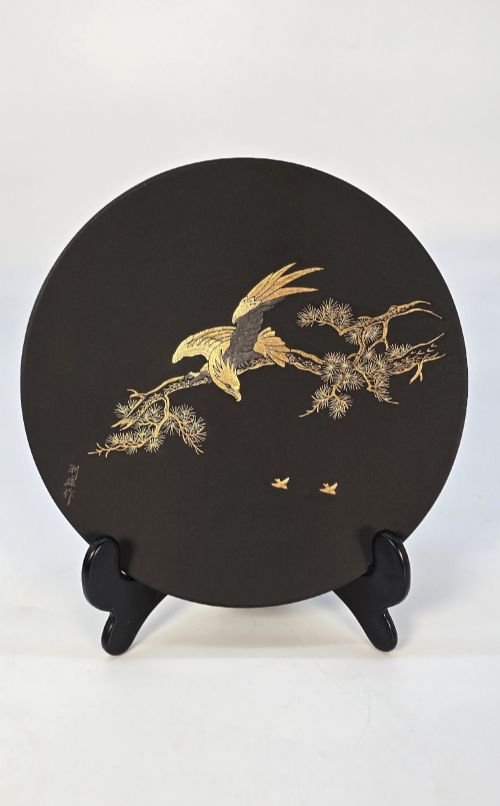
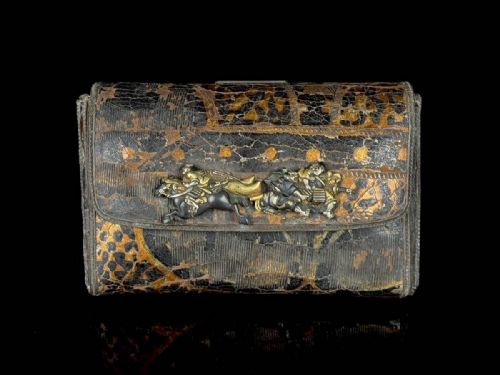
Victorian pieces frequently utilise tortoiseshell or base metals for personal accessories like vesta cases and crosses. Meanwhile, Japanese Meiji and Edo period items demonstrate intricate mixed metal working on iron plaques, bronze boxes, and tobacco pouch clasps.
Materials and construction
Artisans applied fine wires and sheet metals into scored or undercut channels on a contrasting base material. This technique requires steady control to secure the precious metals firmly into surfaces of bronze, patinated iron, or tortoiseshell.
Makers combined silver, 9ct gold, and bronze to achieve varied tones and depth within a single design. Pique work similarly embeds delicate gold and silver points into organic materials like tortoiseshell and leather to form geometric or pictorial motifs.
Gold and Silver Inlay Retail Price Guide 2026
Typical asking prices for gold and silver inlay among the pieces listed under this phrase on Sellingantiques today, from the lower quarter to the upper quarter. They describe what is for sale here now, not the wider market.
Listings feature items from the Victorian, Edwardian, and Meiji periods, utilising silver, gold, bronze, and tortoiseshell.
Assessing quality and execution
The distinction between standard examples and finer work lies in the precision of the metal fitting and the complexity of the design. Superior pieces display flush, seamless integration where the inlay meets the host material without gaps or lifting edges.
The refinement of the underlying carving and the subtlety of the mixed metal palette dictate the visual impact of the object. Well-preserved patination on bronze and iron grounds further enhances the contrast against the bright inlaid precious metals.
The Gold and Silver Inlay Glossary
- Inlay
- A decorative technique where strips or pieces of metal are set into depressions flush with the surface of a base material. This method ensures the ornamentation remains secure during handling.
- Pique
- The art of embedding tiny pins or strips of gold and silver into organic materials such as tortoiseshell or leather. It creates intricate patterns that catch the light.
- Patination
- The natural or induced ageing of a metal surface, resulting in a thin layer of coloration that protects the underlying material. Dark patination provides a strong contrast for bright metal decoration.
- Mixed metal
- The combined use of different metals like gold, silver, and bronze within a single decorative scheme. It allows makers to create shaded, multi-coloured pictorial designs.
Gold and Silver Inlay: Frequently Asked Questions
How do I clean gold and silver inlay?
Clean these items gently with a dry, soft cloth to remove surface dust without disturbing the delicate metals. Avoid liquid dips or harsh abrasives that can damage patinated iron, bronze, or organic tortoiseshell bases.
Store items away from direct sunlight and damp environments to protect vulnerable materials like leather and tortoiseshell from warping or drying out over time.
Are these pieces fragile?
While durable enough for careful handling, items featuring inlaid metals require respect for their age and construction. Sudden impacts can dislodge fine wires or loosen piqué pins from organic backings.
Wearable items like brooches and pendants should be fastened securely, while decorative objects benefit from stable placement away from high traffic areas.
What is Cairo ware?
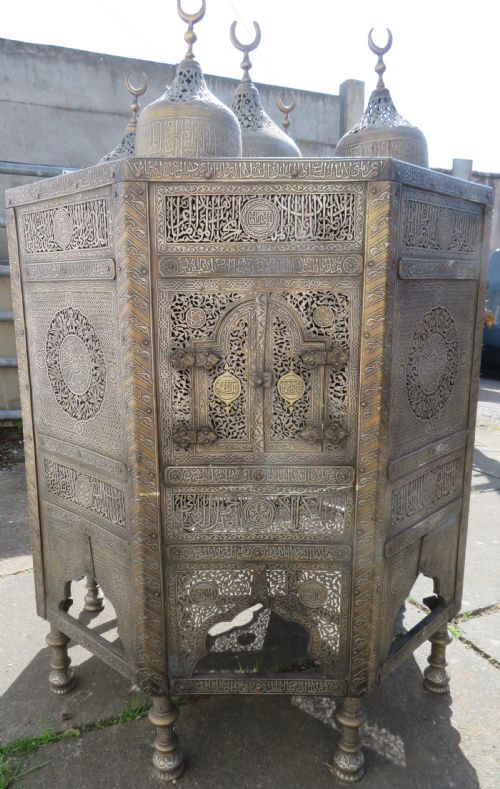
Cairo ware refers to metalwork produced in Egypt during the late 19th and early 20th centuries, often featuring heavy silver and gold inlay on brass or copper bases. These pieces draw on Mamluk artistic traditions to create striking decorative objects.
Collectors prize them for their bold geometric patterns and dense metallic ornamentation that fills the entire visible surface.
How can I tell Japanese metalwork periods?
Japanese pieces often bear distinct stylistic traits depending on their era of manufacture, moving from traditional Edo craft to the intricate mixed metal techniques of the Meiji period. Signatures or studio marks can sometimes be found on bronzes and iron plaques.
Examining the depth of the patination and the fineness of the gold and silver application helps distinguish late 19th-century output from later 20th-century items.