





Glazed Top Side Table
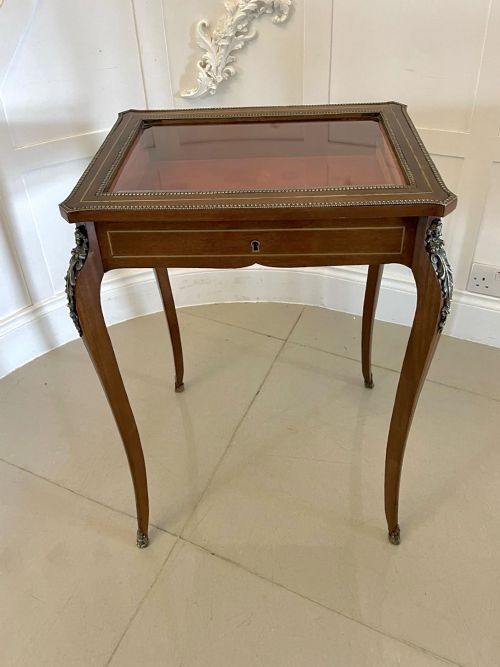
These glazed top side table pieces bring together glass display surfaces and rich timber frames, offering a practical stage for small treasures.
Glazed Top Side Table
When you search for a glazed top side table, you encounter pieces designed to exhibit small collections beneath glass lids or viewing panels. These are primarily found in forms such as bijouterie tables, display tables, and occasional furniture spanning the Victorian and Edwardian eras.
Makers and workshops across England and France produced these pieces in various configurations, ranging from kidney-shaped inlaid tables to octagonal and rectangular display stands. Mahogany remains the dominant wood found throughout these listings.
Materials and construction
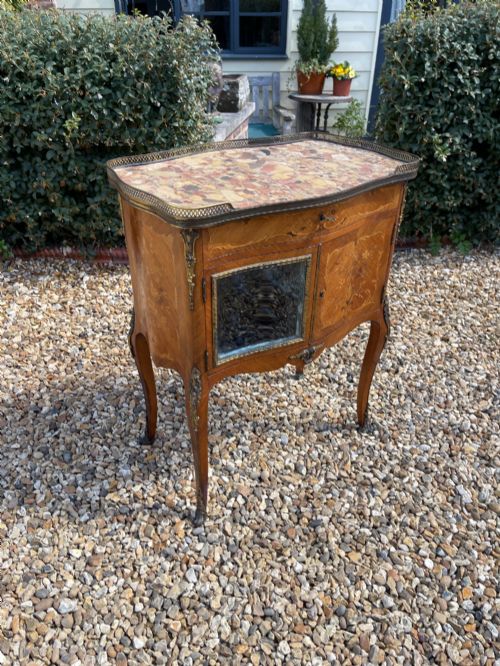
Cabinet makers utilised solid and veneered timbers such as mahogany, satinwood, walnut, and kingwood to build the structural frames of these display tables. Inlays of lighter woods and brass ornamentation often enhance the primary timber surfaces.
Glass panels are fitted into hinged or fixed top frames to protect the contents while allowing an unobstructed view from above. Ormolu mounts and velvet or fabric linings frequently finish the interior display wells of French and English pieces.
Glazed Top Side Table Retail Price Guide 2026
Typical asking prices for glazed top side table among the pieces listed under this phrase on Sellingantiques today, from the lower quarter to the upper quarter. They describe what is for sale here now, not the wider market.
The furniture styles represented across these tables include Edwardian, Victorian, Arts and Crafts, and French Rococo Revival.
What separates the best from the rest
The distinction between standard production and superior work lies in the precision of the timber joinery and the fineness of any marquetry or inlay. Subtle details such as cast brass or ormolu mounts indicate higher workshop standards.
The integration of the glass top with the wooden frame demands careful carpentry to ensure smooth opening mechanisms on hinged lids. Richness in the grain of the chosen mahogany or satinwood elevates the visual presence of the table.
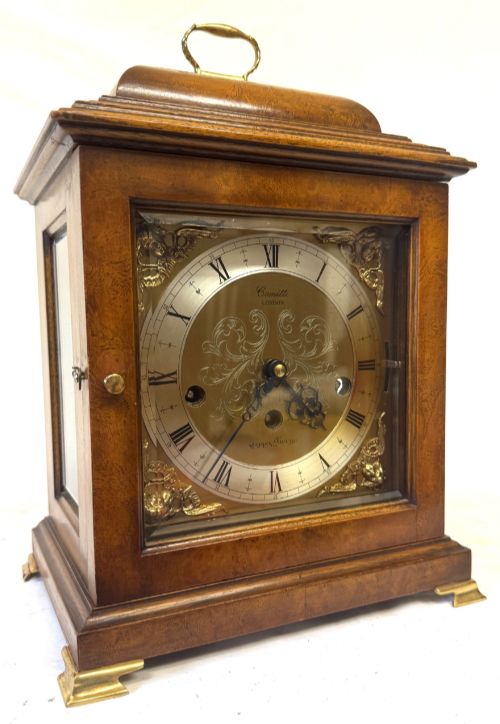
Comitti Of London·LIBERTY of LONDON
The Glazed Top Side Table Glossary
- Bijouterie table
- A specialist display table featuring a glass-topped compartment designed for holding jewellery, medals, and small curiosities. These pieces often feature fabric-lined interiors to cushion delicate items.
- Ormolu
- Gilded bronze ornamentation applied to furniture and decorative objects. This technique was frequently utilised on French nineteenth-century display tables.
- Satinwood
- A durable hardwood with a lustrous, golden sheen used extensively for stringing and decorative inlay work on mahogany furniture. It provides strong visual contrast in Edwardian pieces.
- Marquetry
- Decorative woodwork where pieces of veneer are applied to a structural panel to form intricate patterns or pictures. This technique defines many inlaid Edwardian display tables.
Glazed Top Side Table: Frequently Asked Questions
What is a glazed top side table used for?
These tables provide a secure surface to display small collectibles, medals, and jewellery while keeping them free from dust beneath a glass panel. They combine the utility of a standard side table with the display function of a cabinet.
Historically, they allowed collectors to showcase their prized possessions in drawing rooms and parlours where guests could admire them without handling the objects directly.
How do I identify an Edwardian display table?
Edwardian display pieces often feature lighter framing timbers, subtle satinwood stringing, and inlaid mahogany. The legs tend to be slender and tapered, reflecting the decorative preferences of the early twentieth century.
By contrast, earlier Victorian examples generally employ heavier proportions, darker finishes, and more robust ormolu mounts or brass detailing.
Are the glass tops original?
Many surviving display tables retain their original bevelled or plain glass panes fitted snugly into the timber framework. Examining the glass for small bubbles, minor surface wear, and the way it sits in the rebate helps determine its age.
Replacement glass is sometimes fitted during restoration work to ensure the piece remains practical for daily use and display purposes.
How do I care for the fabric lining?
The velvet or fabric base inside the display compartment benefits from gentle dusting with a soft brush or low-suction attachment. Keeping the table away from direct sunlight prevents the textile colours from fading over time.
Avoid using liquid cleaners on the fabric or the surrounding interior woodwork to protect the original materials from moisture damage.