
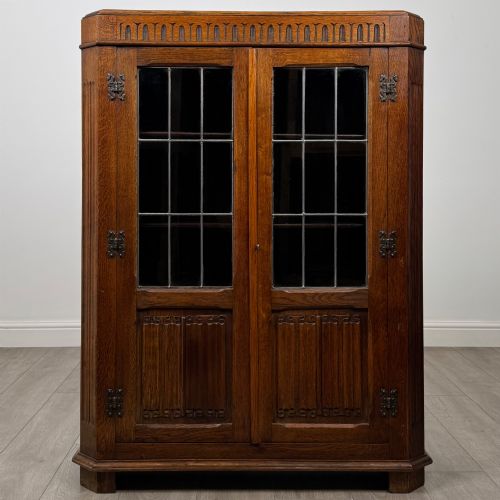
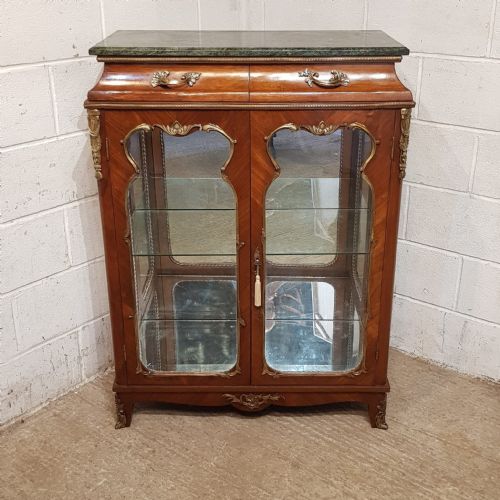
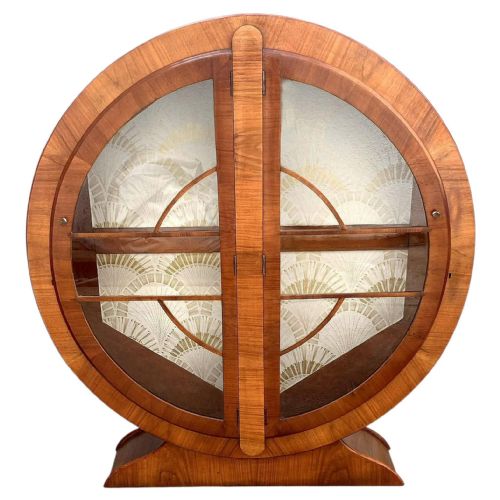
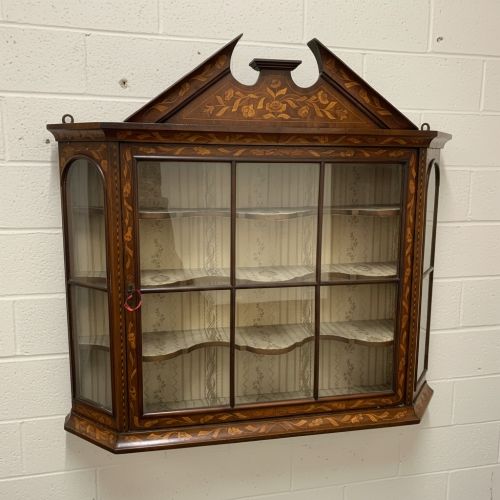
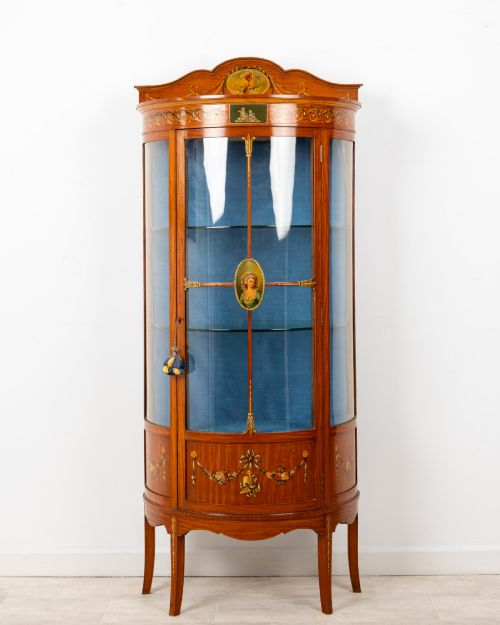
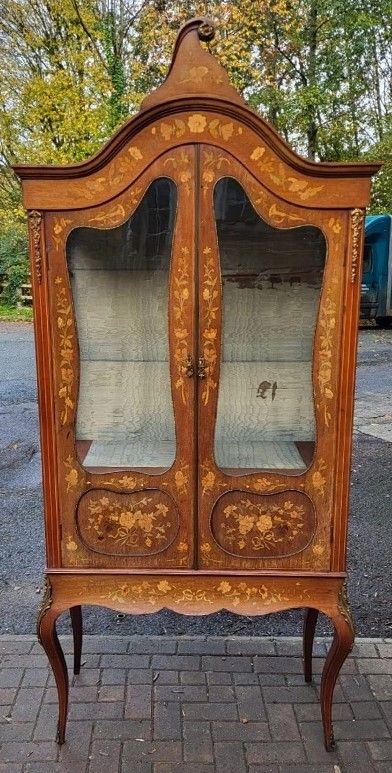
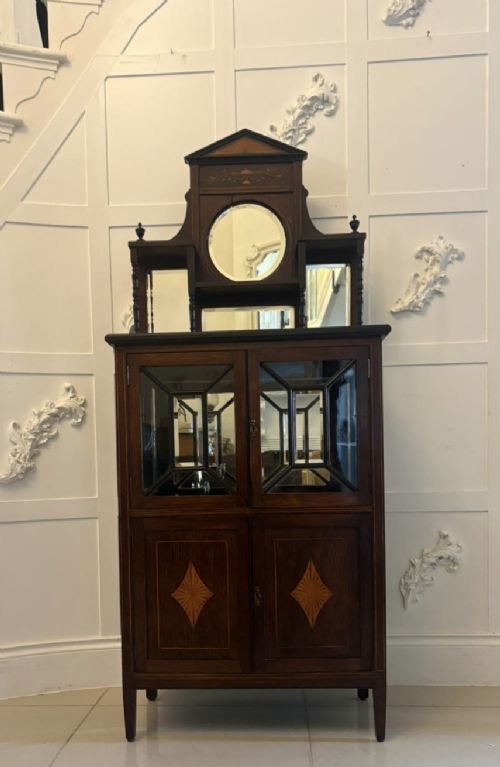
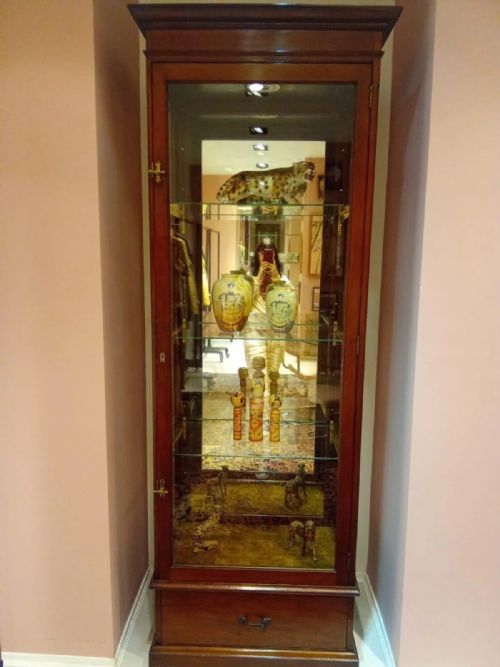
Glazed Showcase Cabinet
These glazed showcase cabinet designs display precious objects safely through glass panels, combining fine timber frames with clear visibility.
Glazed Showcase Cabinet
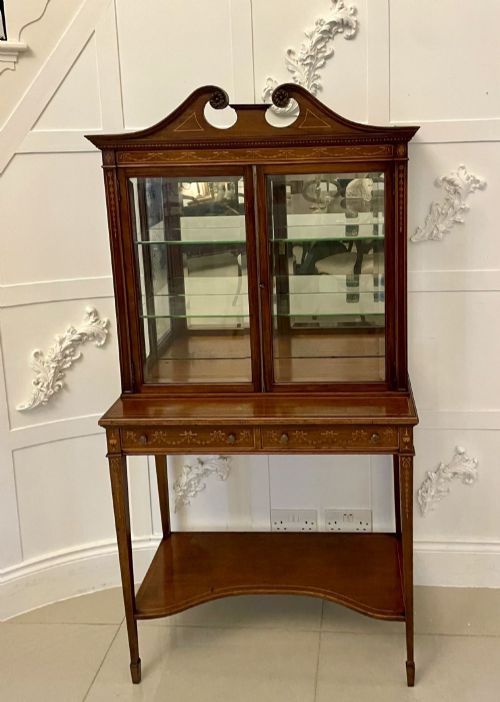
A glazed showcase cabinet serves to display porcelain, miniatures, and curiosities while protecting them from dust. These pieces range from tall freestanding examples to small tabletop cases, corner units, and wall-hanging cabinets.
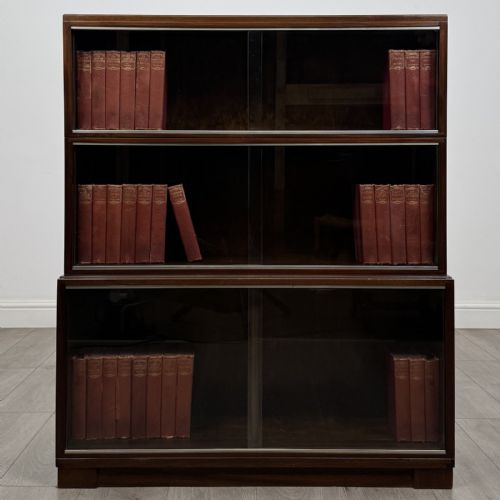
The varieties met most often span the Victorian and Edwardian periods alongside 1920s and 1930s designs. Makers utilised mahogany, walnut, oak, and satinwood, often incorporating glass shelves and mirror backs.
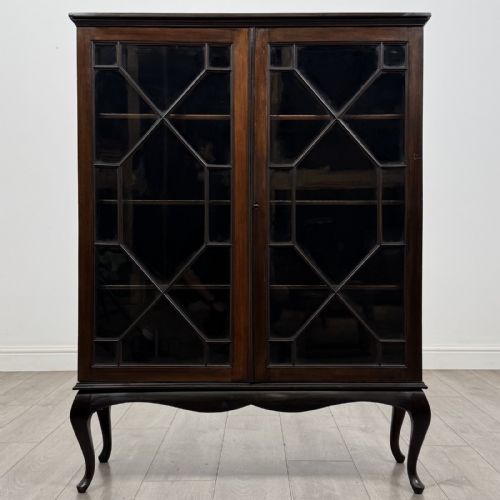
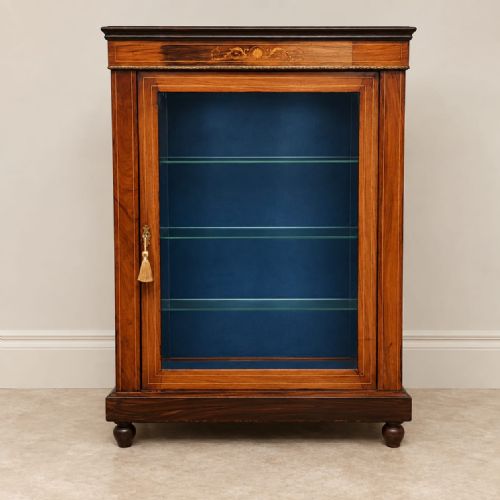
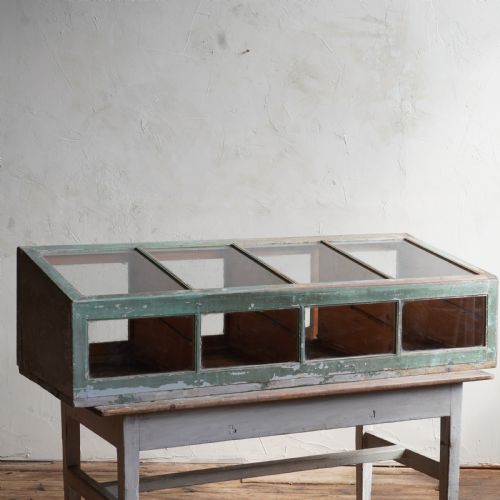
Forms include shop display counters, pier cabinets, and revival styles such as Louis XV, Chippendale, and Art Deco. Buyers select them to organise and highlight collections within domestic or commercial interiors.
How they were made
Frames rely on dense timbers like mahogany, walnut, and oak, frequently enhanced with satinwood veneers or marquetry inlay. Cabinetmakers joined these structures using traditional joinery suitable for supporting heavy glass panels.
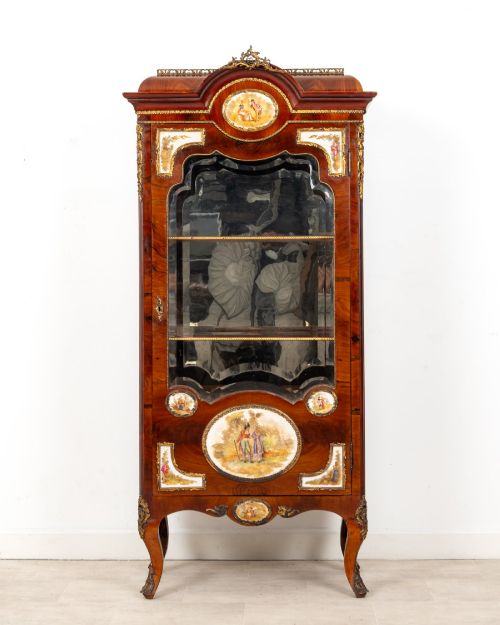
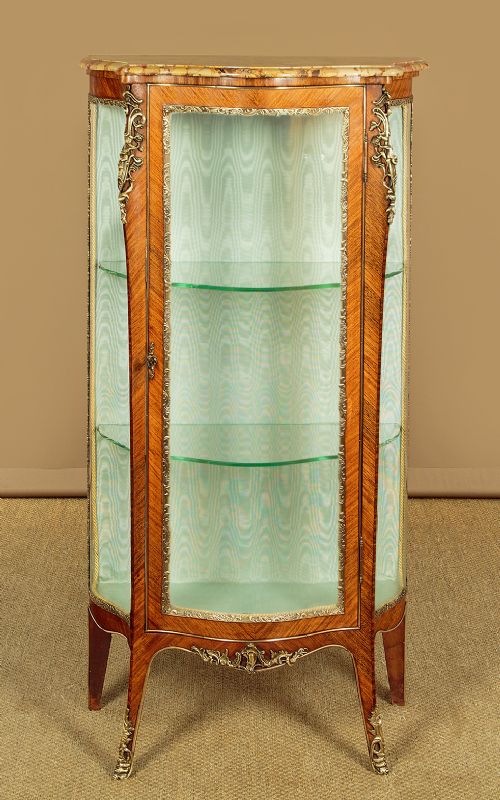
Metal mounts in brass, bronze, and ormolu add decorative structure to French and English vitrines. Interior surfaces often integrate mirrored backs and fabric linings to reflect light onto the displayed items.
One robust nineteenth-century mahogany cabinet bears later hand sign-written lettering for a gunsmith named Robert West.
What varies in quality
The refinement of the timber selection and the intricacy of inlay work dictate the standard of a piece. Finer examples display detailed floral marquetry, matched wood grains, and precise hand-carved mouldings rather than plain surfaces.
Hardware and metal mounts differentiate workshop standards, where cast ormolu and quality brass fittings outlast simple pressed metal. Original glass panes and adjustable internal shelving further elevate the construction integrity.
James Hicks·Rurka·F. Sage & Co.
The Glazed Showcase Cabinet Glossary
- Vitrine
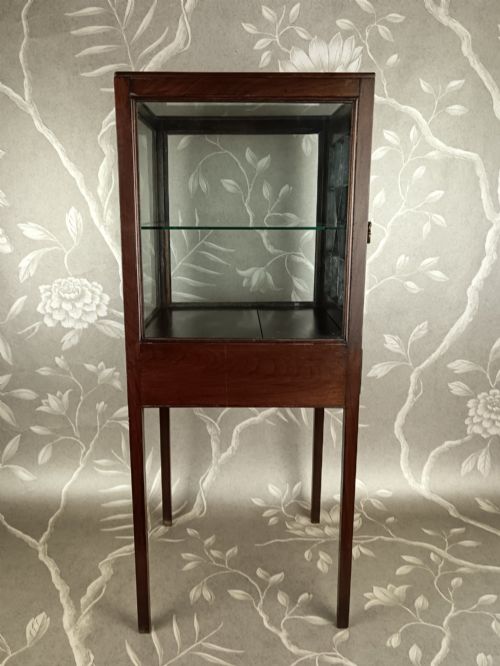
- A glass display cabinet designed primarily for porcelain and small works of art. These pieces typically feature glazed sides and doors to maximise light penetration.
- Bijouterie
- A shallow glass-topped display case or table made for jewellery and small precious objects. The hinged lid allows easy access to the velvet-lined interior.
- Pier cabinet
- A low freestanding cabinet built to fit the wall space between windows. Victorian examples frequently incorporate single glass doors and marquetry decoration.
- Marquetry
- Decorative patterns formed by fitting together thin slices of various coloured woods and veneers. Cabinetmakers applied this technique across drawer fronts and cornices.
- Ormolu
- Gilded bronze mounts applied to furniture for decorative effect. French cabinets often utilise these metal embellishments around the glass framing.
Glazed Showcase Cabinet: Frequently Asked Questions
How do I choose the right glazed showcase cabinet for my space?
Consider the floor area and the items you plan to exhibit, choosing between tall freestanding furniture, corner units, or small countertop cases. Wall-hanging models suit restricted spaces where floor room is limited.
Match the period timber, such as mahogany, walnut, or oak, to your existing interior furnishings to maintain a cohesive look.
What is the difference between a vitrine and a standard display cabinet?
A vitrine traditionally refers to a glazed cabinet with glass on multiple sides to let light reach porcelain and curiosities from all angles. Standard display cabinets may incorporate wooden sides or mirrored backs with a single glazed front door.
Both forms serve to protect collections from dust while keeping them visible.
How were countertop display cabinets used historically?
Merchants utilised countertop glass cases and shop display counters to showcase small goods, jewellery, and silverware to customers. These pieces allowed goods to remain visible and secure on retail counters.
Domestic interiors later adopted similar tabletop models for miniature collections.
Can I adjust the shelves inside an antique glazed cabinet?
Many Edwardian and later commercial cabinets feature adjustable glass shelves supported on metal brackets. Earlier Victorian and Georgian pieces more commonly rely on fixed wooden or glass rests.
Check the internal supports before altering shelf heights to ensure the structure can bear the weight safely.
How do I identify a revival style cabinet?
Revival pieces borrow decorative motifs from earlier eras, such as Louis XV curves or Chippendale fretwork, while employing manufacturing techniques from their actual period of construction. Makers in the nineteenth and twentieth centuries frequently produced these interpretations.
Examine the timber backing, fixings, and secondary woods to confirm the true age of the piece.