

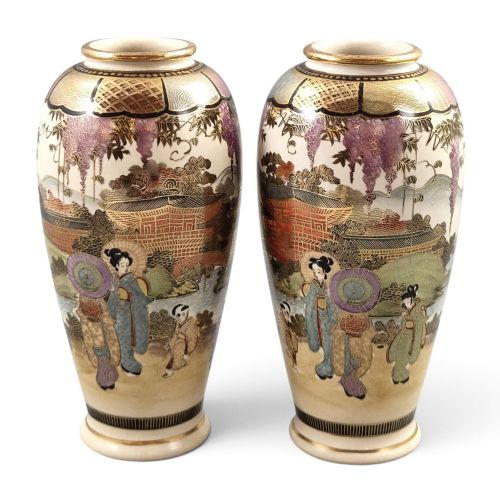
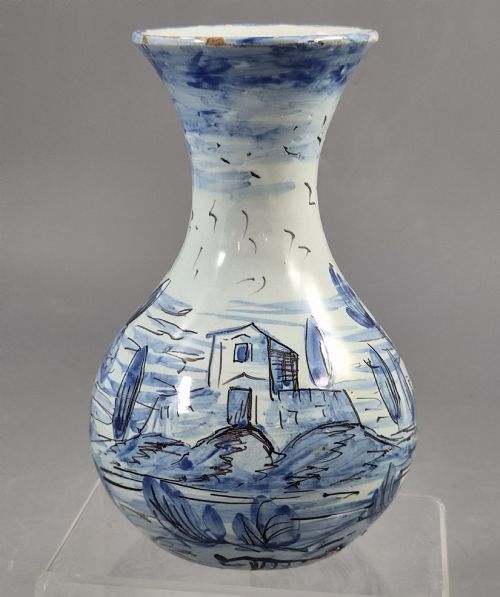
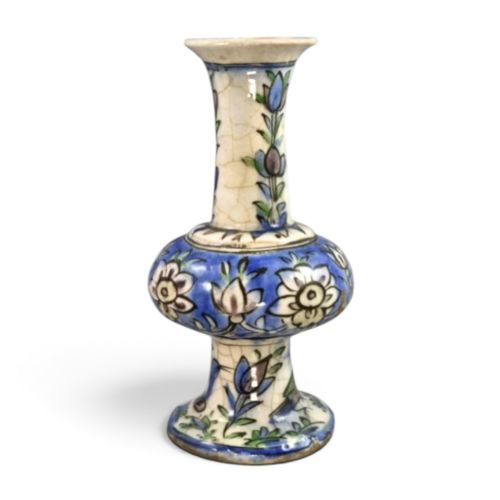
Glazed Pottery Urn
A glazed pottery urn brings together functional earthenware forms and decorative finishes spanning multiple centuries.
Glazed Pottery Urn
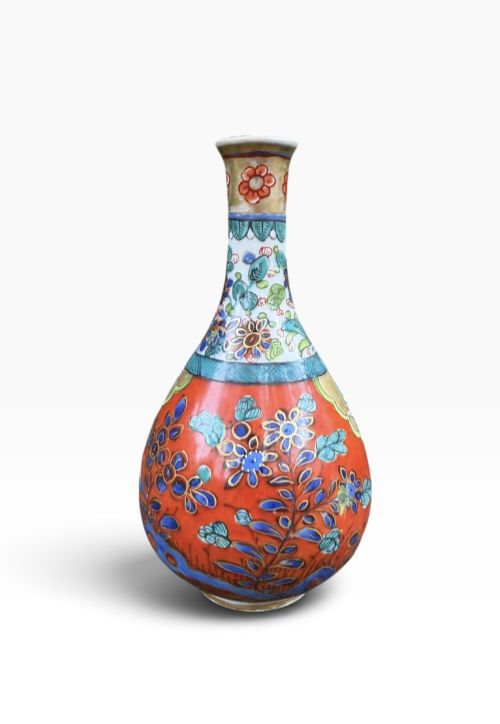
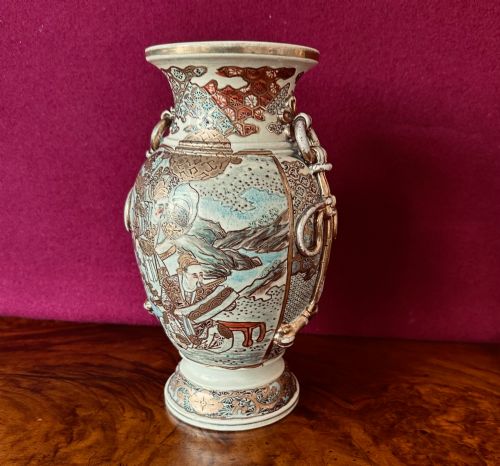
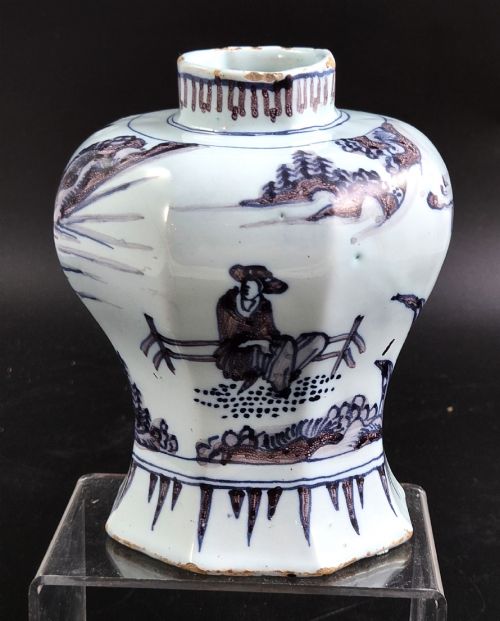
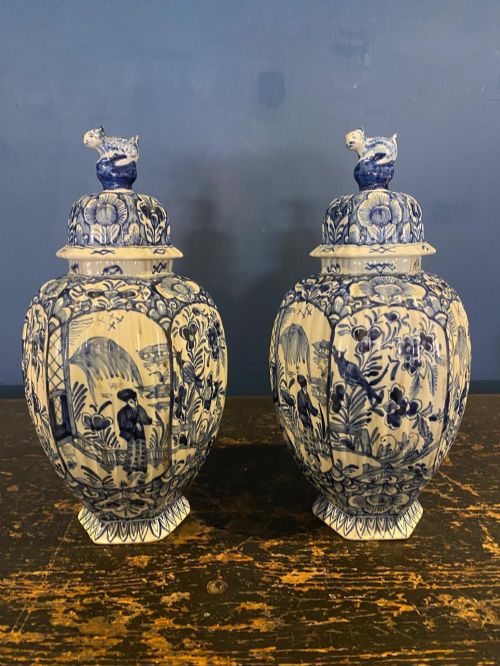
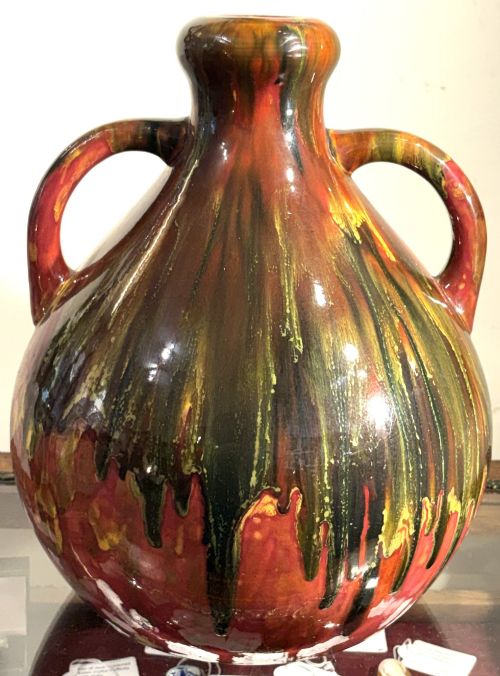
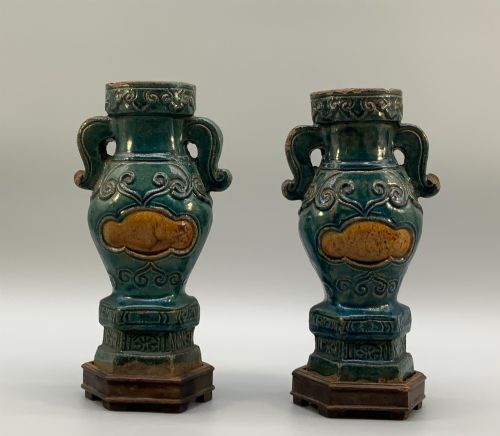
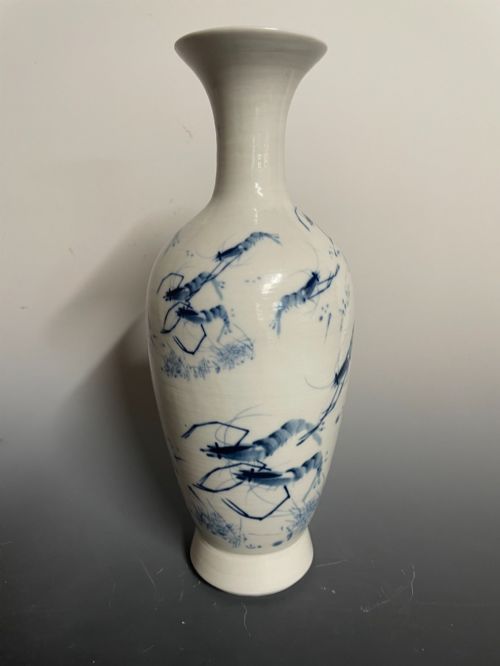
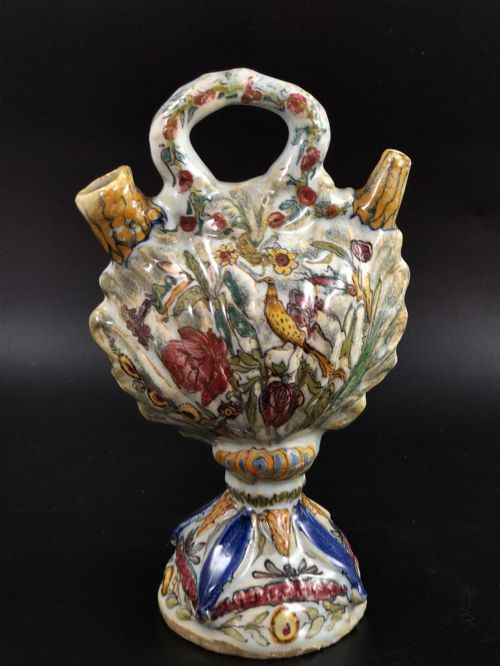
When searching for a glazed pottery urn, collectors encounter various vessels and jars produced across the eighteenth, nineteenth, and early twentieth centuries. These pieces encompass decorative vases, pilgrim flasks, and confit pots originating from English, French, Italian, Dutch, and Asian workshops. The selection ranges from stoneware baluster shapes to earthenware vessels finished with tin glaze or polychrome decoration.
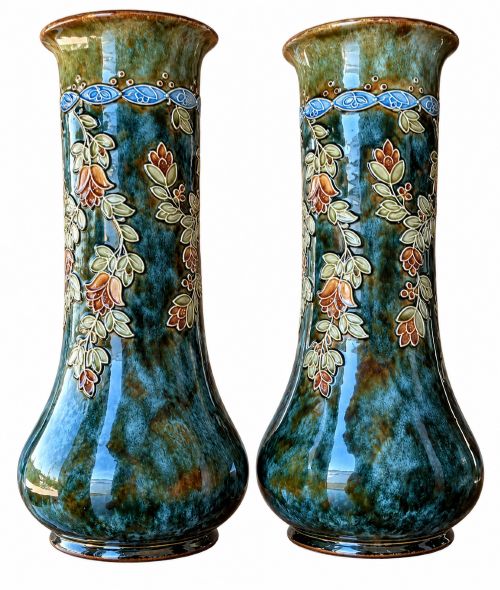
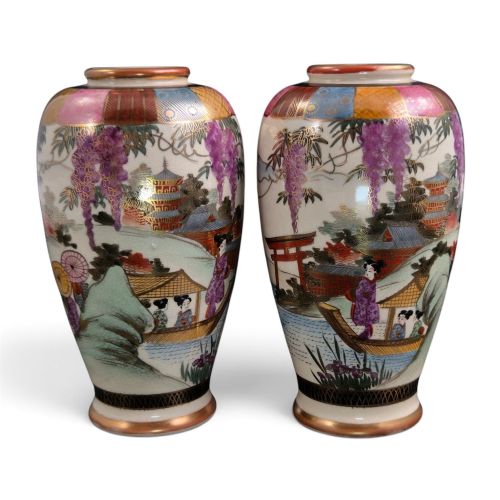
The objects serve primarily as decorative containers and cachepots, adopting styles from Dutch Baroque and Renaissance Revival to Art Nouveau and Art Deco. Many examples emerge as matched pairs, combining traditional utility with period artistic movements such as Arts and Crafts or Meiji period Japanese design.
Materials and production
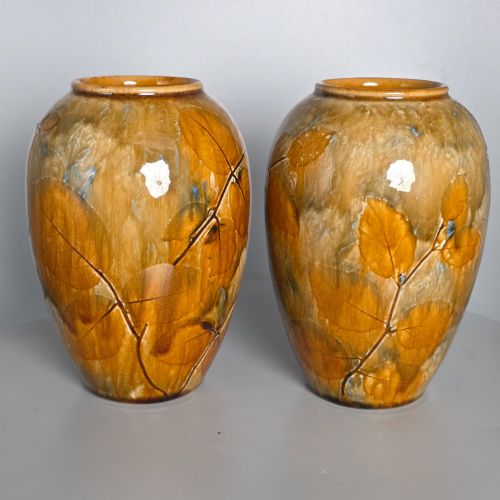
Potters shaped these vessels using earthenware, terracotta, stoneware, and ceramic bodies before applying various glazes. Tin glaze, enamel, and metallic lustre treatments create the characteristic glossy or iridescent surfaces seen across the pieces.
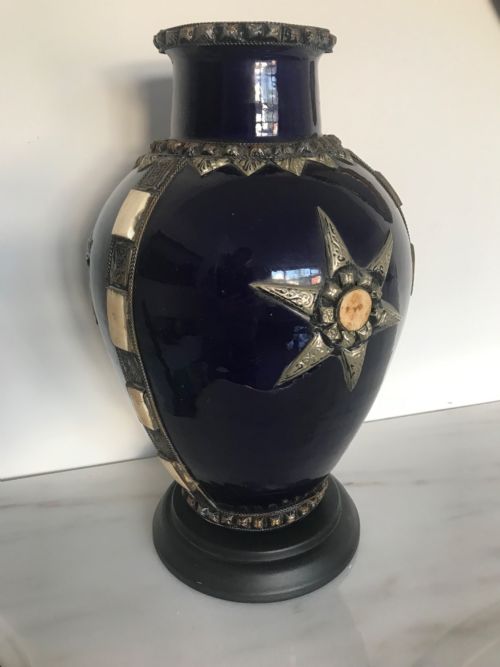
Makers integrated decorative elements including gold leaf, silver cabochons, and bronze mounts into the ceramic bodies. Surface painting, hand-painted patterns, and polychrome glazes define the finish of many examples from European and Asian kilns.
Several vessels feature three separate handles, designed specifically for hauling thick olive oil across 18th-century stone floors.
Assessing the work
Quality reveals itself in the execution of the glaze and the precision of the hand-painted details. Works featuring specific artistic signatures or complex polychrome schemes demonstrate a higher level of studio execution.
The integration of metal mounts, such as bronze or silver additions, distinguishes standard production items from more ambitious atelier pieces. The clarity of the ceramic body and the depth of the enamel or lustre finish determine the standing of each vessel.
Royal Doulton·Cantagalli·Boch Freres·Zsolnay Pecs·Wedgwood
The Glazed Pottery Urn Glossary
- Earthenware
- Porous pottery fired at lower temperatures, requiring a glaze to achieve water resistance. It forms the body of many historical vessels.
- Majolica
- Opaque tin-glazed earthenware decorated with coloured metal oxides on a white background. This technique appeared across Italian and European potteries.
- Stoneware
- Dense, impermeable pottery fired at high temperatures until vitrified. It provides a durable body for utilitarian and decorative pots.
- Lustre
- A metallic surface finish that creates an iridescent sheen when fired in a reduced oxygen atmosphere. It was utilised widely during the Art Nouveau period.
- Faience
- European tin-glazed earthenware, particularly associated with French and Dutch production. The technique supports intricate painted designs.
Glazed Pottery Urn: Frequently Asked Questions
What periods do these urns come from?
The pieces span from the seventeenth century through to the early twentieth century. Makers produced these vessels across distinct historical eras including the Victorian period and the Meiji period.
Design influences draw heavily from historical revivals alongside contemporary movements like Art Nouveau and Art Deco.
How do I care for antique pottery?
Keep ceramic vessels away from direct sunlight and dramatic temperature fluctuations to protect the glaze. Dust the surfaces gently with a dry cloth without using chemical cleaners.
Handle pieces supporting metal mounts or delicate handles with care to avoid stressing the joints.
How do I distinguish regional styles?
European pieces often exhibit tin-glazed earthenware techniques such as Delftware or Majolica, while Asian examples showcase Satsuma and Qing Dynasty traditions. Look at the baseline ceramic material and glaze characteristics to identify the origin.
Stylistic markers like Renaissance Revival motifs or Art Nouveau curves point directly to the era of manufacture.