




Glazed Pottery Set
A glazed pottery set brings colour and utility to a room through fired clay and finished surfaces.
Glazed Pottery Set
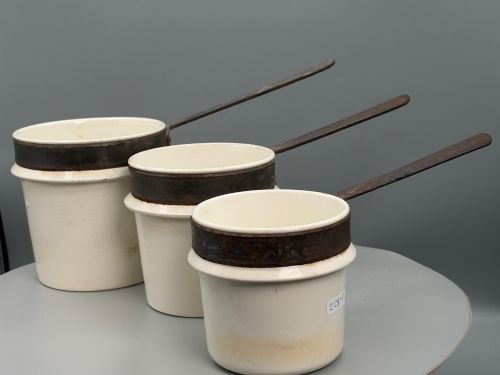
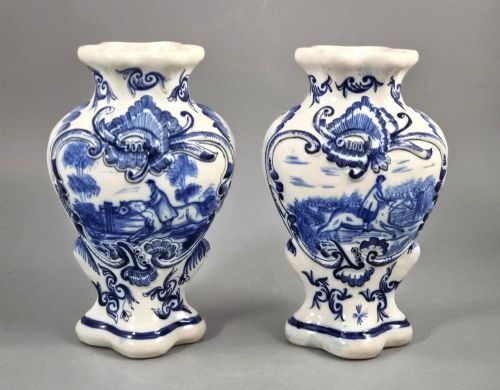
A glazed pottery set comprises matching or graduated vessels designed for domestic display, dining, or washing. When buyers search for a glazed pottery set, they encounter pieces ranging from Victorian bathroom sets and dairy bowls to Dutch Delft plates and Japanese garnitures.
The selections span the eighteenth century to the early twentieth century, incorporating earthenware, stoneware, and faience. Dining services, tea sets, and inkstands appear alongside decorative vases and wall tiles.
Materials and Working Methods
Potters shaped earthenware, stoneware, and ceramic bodies before applying tin-glaze, enamel, or cobalt pigment. High-temperature firing set the body, while specialised glazes provided protective and decorative surfaces.
Makers utilised hand-painting, applied figures, and blue and white pigment transfer to decorate the ceramic surfaces. Tin-glazed earthenware and faience received opaque white coatings before artists applied hand-painted cobalt scenes.
Glazed Pottery Set Retail Price Guide 2026
Typical asking prices for glazed pottery set among the pieces listed under this phrase on Sellingantiques today, from the lower quarter to the upper quarter. They describe what is for sale here now, not the wider market.
Object types include dinner services, tea sets, inkstands, and matched garnitures of vases.
Distinctions in Quality
Quality rests upon the precision of the form, the crispness of the hand-painted or transferred detail, and the integrity of the glaze. Graduated sets show mastery when proportions remain consistent across every piece from the largest to the smallest.
The sophistication of the palette and the clarity of the cobalt pigment or enamel separate standard utilitarian wares from fine decorative examples. Surface preservation and the absence of heavy glaze crazing elevate specific pieces.
Fourmaintraux-Courquin at Desvres·Doulton Lambeth·Booths·Ishiguro Kōko·Shelley
The Glazed Pottery Set Glossary
- Earthenware
- Porous pottery fired at lower temperatures, typically requiring a glaze to achieve impermeability. It forms the base for many historic plates, jugs, and bowls.
- Faience
- Tin-glazed earthenware produced in France and other European regions. It provides a smooth white background for painted decoration.
- Stoneware
- Dense, vitrified pottery fired at higher temperatures until non-porous. This material withstands heavy daily use and resists moisture naturally.
- Cobalt Pigment
- A blue colourant derived from cobalt oxide, used extensively under the glaze for painting traditional ceramic patterns. It maintains intensity through high-temperature firings.
- Garniture
- A matched set of ornamental vases or vessels designed for simultaneous display on a mantelpiece or sideboard. These groupings often consist of three or more pieces.
Glazed Pottery Set: Frequently Asked Questions
What defines a glazed pottery set?
A glazed pottery set consists of multiple ceramic vessels created in a uniform style, period, or material. These groupings range from dining services and tea sets to graduated jugs and mantel garnitures.
Each component shares decorative traits, such as cobalt blue painting, tin-glazing, or specific regional motifs, allowing the items to function as a cohesive collection.
How were these ceramic sets used?
Historic sets served both functional and decorative roles in homes. Table services and tea sets managed food and drink, while dairy bowls and bathroom sets handled household chores.
Other groupings, such as decorative plates, tiles, and vases, existed primarily to beautify domestic interiors through coordinated colour and design.
How do I care for antique pottery?
Antique ceramics require gentle handling to protect fragile glazes and historic earthenware bodies. Hand washing with mild soap prevents the thermal shock and surface wear associated with mechanical dishwashers.
Display environments should maintain stable humidity and temperature to safeguard old ceramic bodies and delicate enamel or cobalt decorations against deterioration.
How can I tell the period?
Dating relies on observing material composition, glaze characteristics, and decorative styles. Pieces from the eighteenth century often feature tin-glazed earthenware and hand-painted Dutch scenes, while nineteenth-century items frequently display Victorian moulding, majolica colours, or stoneware bodies.
Maker marks, backstamps, and stylistic indicators such as Art Nouveau curves further narrow the production era.