

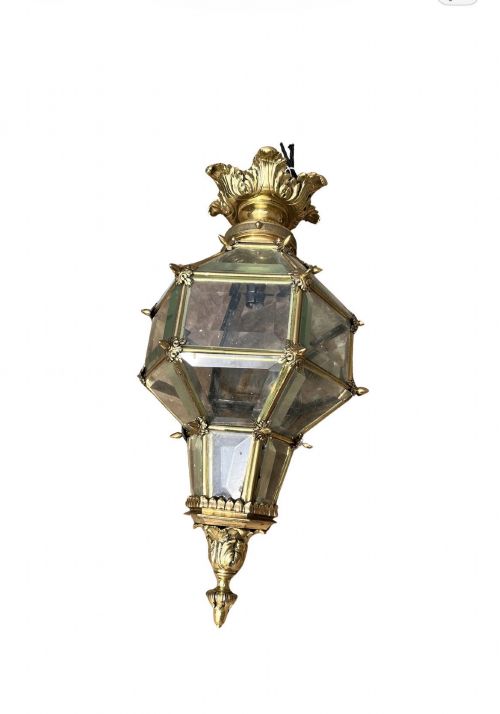
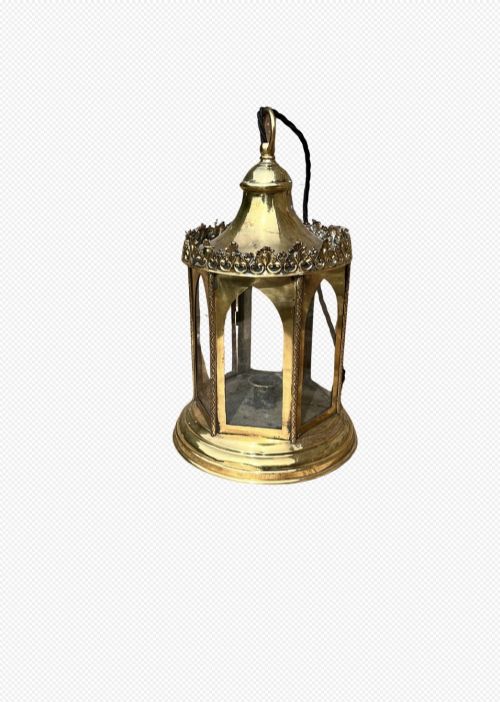
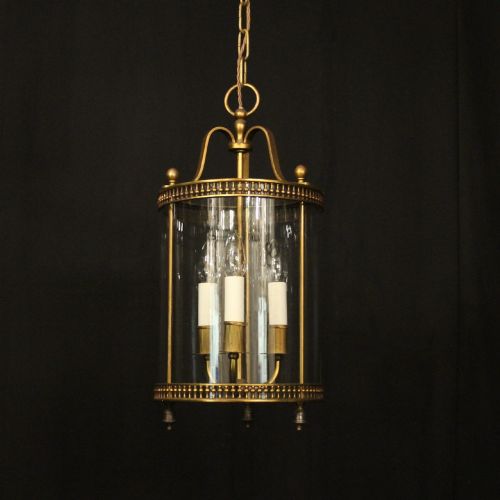
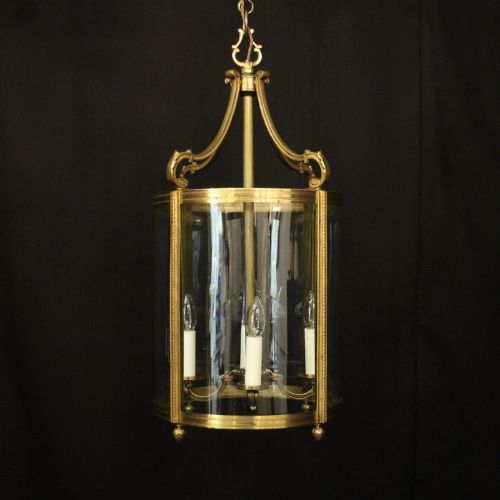
Glazed Pendant Lantern
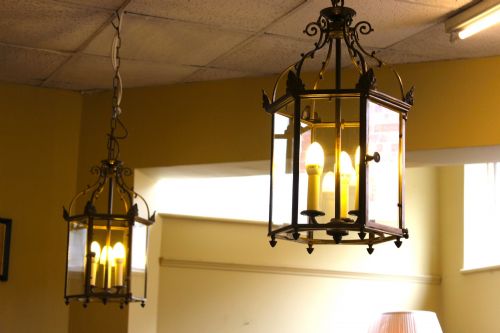
A glazed pendant lantern suspends interior illumination within panels of glass, bringing architectural presence and focused light to entrance halls and high-ceilinged landings.
Glazed Pendant Lantern
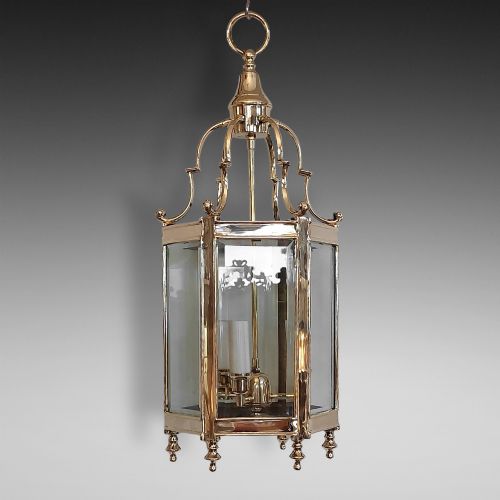
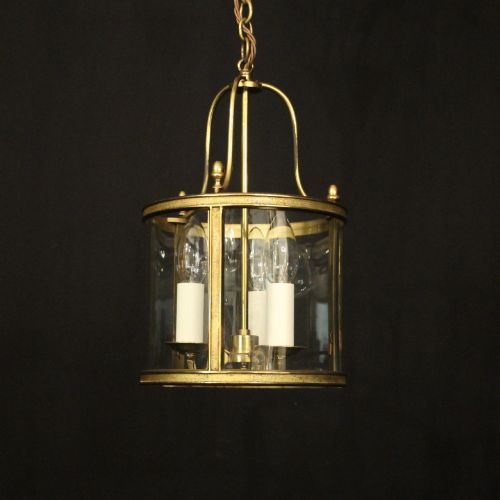
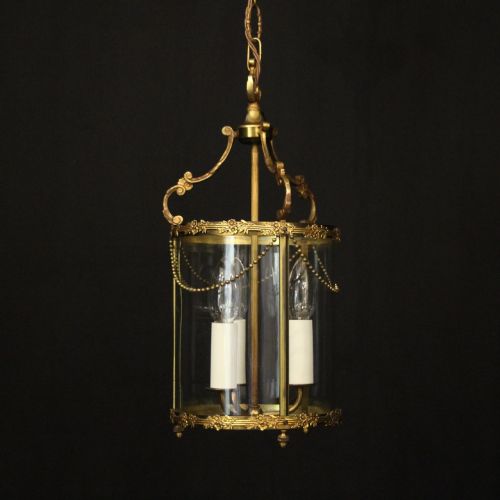
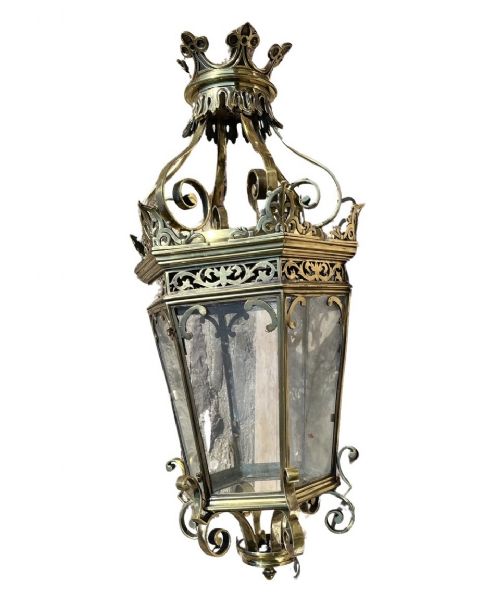
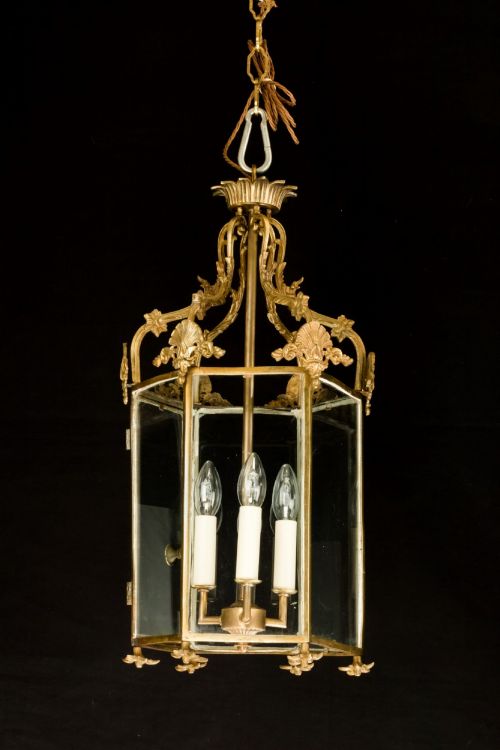
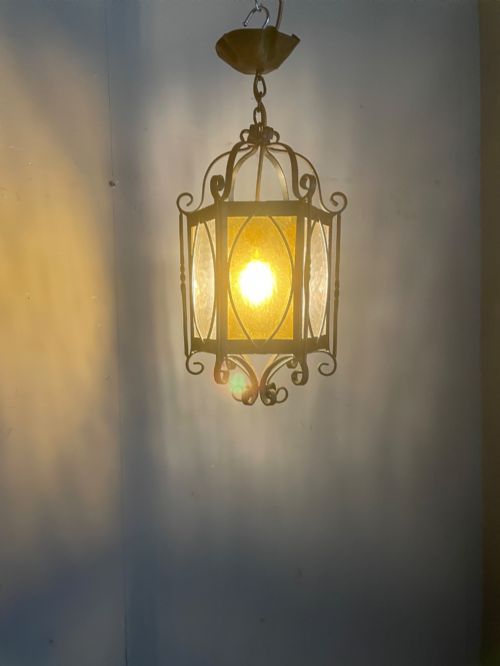
A glazed pendant lantern is designed to hang from ceilings in hallways, porches and principal rooms, serving both a functional and decorative purpose. These pieces appear primarily in forms such as hexagonal hanging lanterns, hall lanterns and multi-light pendant lights.
The selection ranges from nineteenth-century British and Victorian examples to early twentieth-century French designs. Buyers frequently encounter pieces influenced by Gothic Revival, Neo-Classical and French chateau styles.
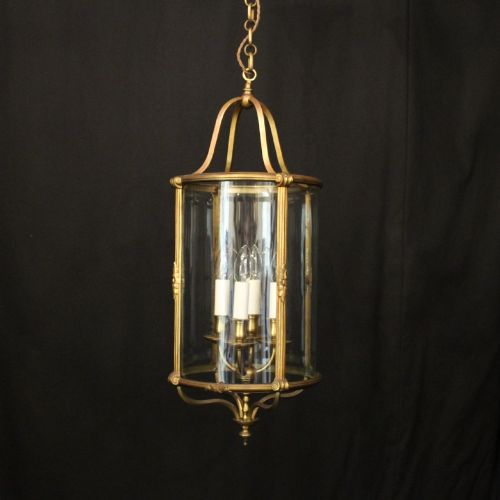
Object types on this page span ceiling lighting and hanging lanterns created to diffuse light through clear or bevelled glass panels. The proportions vary from compact side lanterns to grand, multi-bulb fixtures.
Materials and construction methods
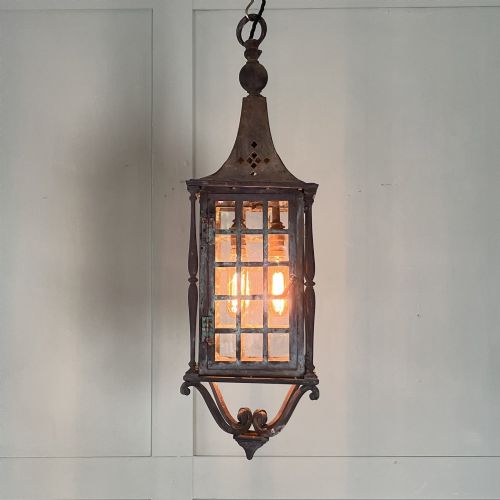
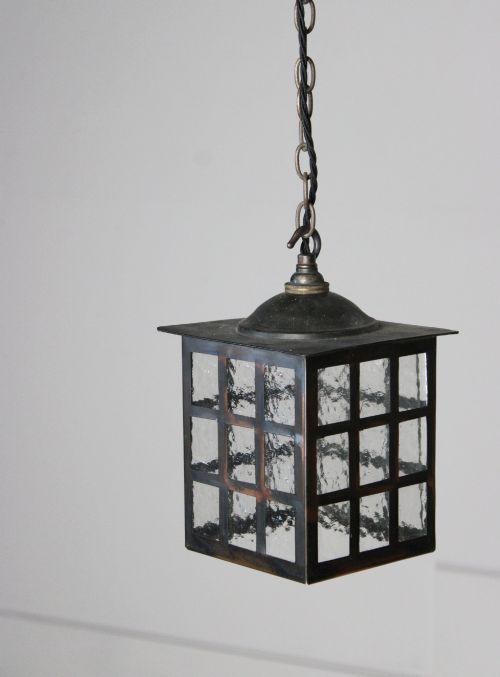
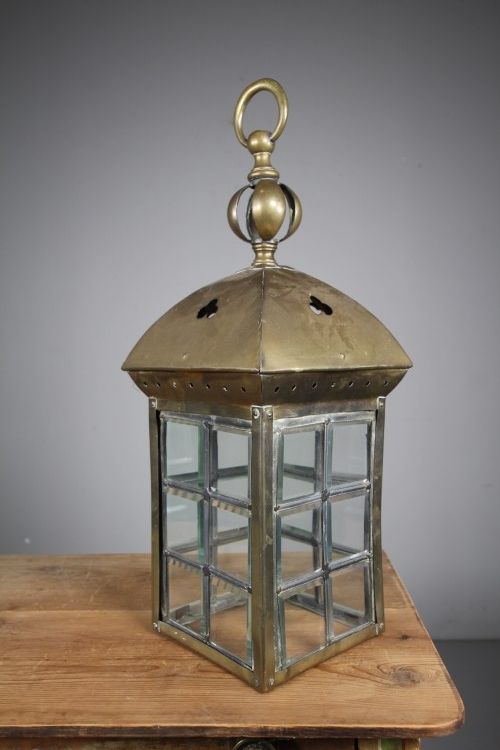
Constructed primarily using robust metal frames of brass, copper, wrought iron or steel, these fixtures often feature surface treatments such as gilding or bronze finishes. The structural metalwork is assembled to hold secure panels of glass in geometric shapes like hexagons or rectangles.
Glazing techniques involve fitted glass panels, sometimes bevelled for enhanced light refraction, secured within hinged doors or fixed metal channels. Metal components are cast, forged or beaten depending on whether the design follows an industrial steel aesthetic or an ornate gilded bronze French style.
One delightfully specific copper lantern carries an old decorative green man mask, watching over the hallway with ancient leafy vigilance.
Distinctions in quality and execution
The distinction between tiers of quality rests on the weight of the metal framework and the precision of the casting. Heavier cast bronze or thick brass structures demonstrate superior durability compared to lighter fabricated alternatives.
Finishing details also separate standard examples from finer works, particularly the crispness of applied gilding and the clarity of bevelled glass panes. The integration of functional elements like opening doors and multi-light internal clusters reveals the maker's original ambition.
The Glazed Pendant Lantern Glossary
- Hexagonal form
- A six-sided geometric construction commonly utilised in the framing of traditional hall lanterns. This shape allows light to disperse evenly across multiple angles.
- Bevelled glass
- Glass panes featuring an angled cut along the perimeter. This technique catches and refracts internal illumination to create decorative prismatic effects.
- Hall lantern
- A pendant light specifically proportioned for narrow corridors and entrance spaces. These fixtures provide vertical illumination without obstructing passage.
- Gilded bronze
- A metal substrate coated with a fine layer of gold leaf or powder. This finish imparts a warm, reflective lustre that distinguishes high-status French lighting.
- Wrought iron
- Iron beaten and shaped by hand into structural and decorative elements. It yields a sturdy, textured frame typical of Arts and Crafts and Gothic Revival pieces.
Glazed Pendant Lantern: Frequently Asked Questions
Where should a glazed pendant lantern be hung?
These lanterns suit spaces with adequate vertical clearance, such as entrance halls, stairwells and high-ceilinged landings where they function as a focal point.
Their enclosed design directs illumination downward while diffusing ambient light through the glass panels, making them practical for transitional thoroughfares.
How do I identify a French style lantern?
French style lanterns often incorporate gilded bronze or brass frames influenced by neoclassical or chateau aesthetics, featuring intricate cast ornamentation.
They frequently house multiple internal light clusters and may include bevelled glass or structural elements designed for grandeur and formal reception spaces.
Are these lanterns electrified?
Many examples on this page are described as electrified pendant lights or hanging lamps adapted for modern electrical supplies.
Buyers should inspect the internal wiring setup upon acquisition to ensure compatibility with contemporary domestic safety standards.
What materials are most common?
Brass and glass form the majority of the structural combinations, often supplemented by copper, wrought iron, steel and gilded bronze.
The choice of metal typically dictates the period aesthetic, ranging from industrial steel and iron to ornate Edwardian and Victorian brasswork.