



Glazed Faience Figurine
These glazed faience figurine examples span centuries of ceramic artistry, offering character and vibrant tin-glazed finishes for your home.
Glazed Faience Figurine
When you search for a glazed faience figurine, you encounter a diverse range of sculptural ceramics from ancient civilisations up to the twentieth century. These objects include animal studies, human figures, and utilitarian forms that double as decorative statuettes.
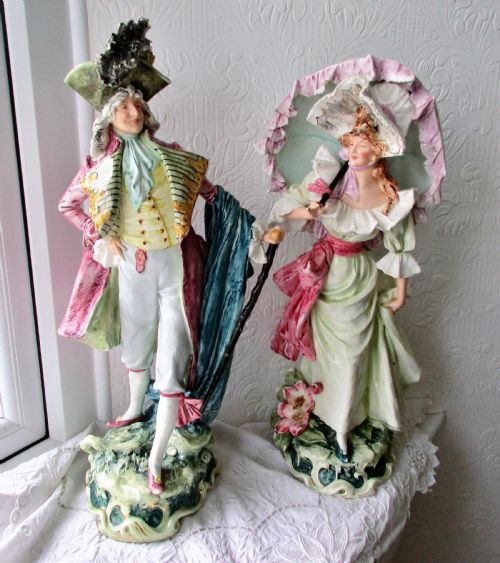
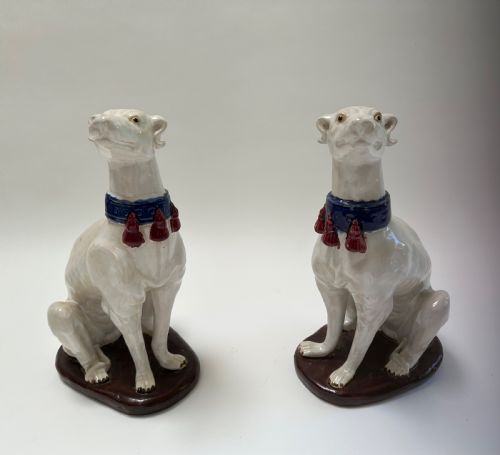
The pieces on this page lean heavily towards European traditions, particularly Dutch Delftware, French country pieces, and German fayence. You will frequently find pairs of animals, human figures like gallant ladies, and whimsical interpretations of lions or monkeys.
The materials span earthenware, ceramic, and traditional tin-glazed earthenware with polychrome or blue and white finishes. Each piece represents a specific historical period, from pre-sixteenth century ancient Egyptian shabtis to nineteenth-century revival styles.
How they were made
Makers formed these pieces using earthenware clay, shaping them into detailed ceramic figurines, sculptures, and jugs. The raw clay bodies provided a stable base for subsequent surface treatments.
The listings on this site feature earthenware, ceramic, and tin-glazed earthenware materials across periods from pre-sixteenth century to the twentieth century.
What varies in quality
Glaze application and pigment control dictate the visual appeal of tin-glazed earthenware. Skillful brushwork and well-preserved polychrome or blue and white palettes elevate the overall presence of the object.
Pieter Verburg·Le Manceau
The Glazed Faience Figurine Glossary
- Faience
- Tin-glazed earthenware produced in Europe, characterised by an opaque white glaze painted with metal oxides. It originates from a long tradition of ceramic manufacturing.
- Tin Glaze
- A lead glaze rendered opaque by the addition of tin oxide. This technique allows potters to paint vibrant colours directly onto a white background.
- Polychrome
- Decorated in several colours. This term describes ceramics featuring multi-coloured painted designs rather than a single blue and white scheme.
- Toby Jug
- A pottery jug shaped like the figure of a stout, cheerful man, usually wearing a eighteenth-century costume. These combine utility with figurative sculpture.
- Shabti
- A small funerary figurine placed in ancient Egyptian tombs to act as a servant for the deceased in the afterlife. They are typically moulded in faience.
Glazed Faience Figurine: Frequently Asked Questions
What is a glazed faience figurine?
A glazed faience figurine is a ceramic sculpture coated in an opaque tin glaze, often painted with coloured oxides.
These objects range from functional jugs and animal figures to decorative human statuettes produced across various European and ancient periods.
How do I care for my figurine?
Keep your ceramic and earthenware pieces away from direct sunlight and extreme temperature fluctuations to protect the glaze.
Dust them gently with a soft, dry cloth and avoid using chemical cleaners or immersing them in water.
How old are these figurines?
The age of these pieces varies considerably, spanning from ancient Egyptian artefacts dating before the sixteenth century to eighteenth- and nineteenth-century European works.
Twentieth-century pieces, including Art Deco designs, also appear within this selection.
What materials were used?
These items are constructed primarily from earthenware or ceramic bodies shaped into detailed sculptural forms.
Potters finished the surfaces with tin glaze, sometimes adding lustre glazes or polychrome and blue and white pigments for decoration.