



Glazed Earthenware Bird
These glazed earthenware bird figures bring centuries of ceramic artistry into a room, offering tactile charm for collectors.
Glazed Earthenware Bird
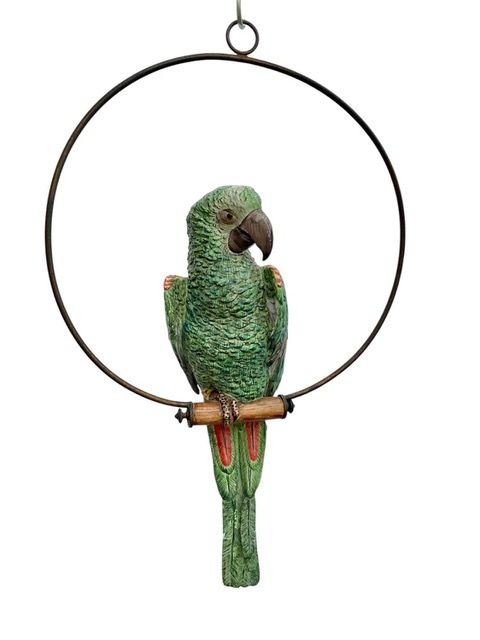
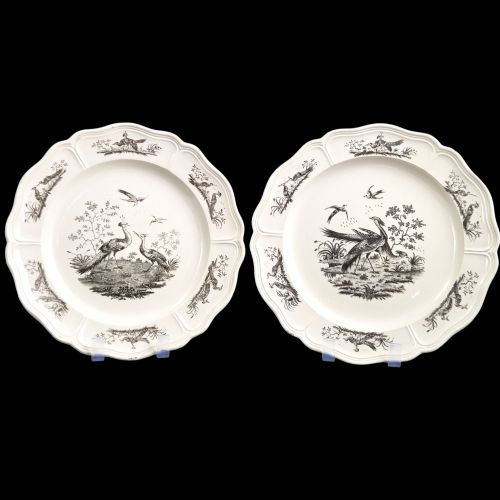
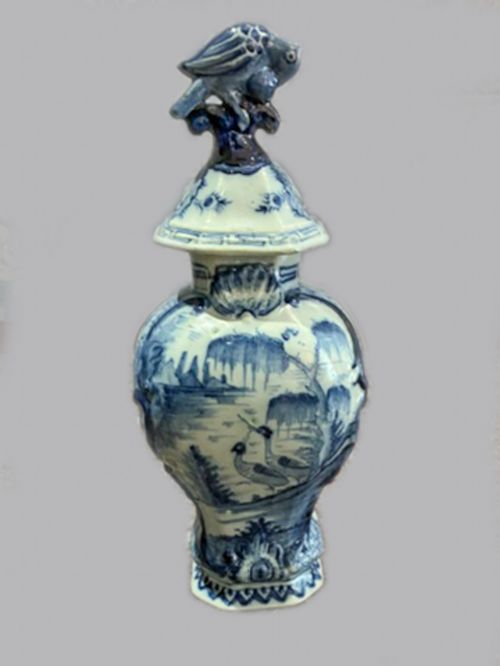
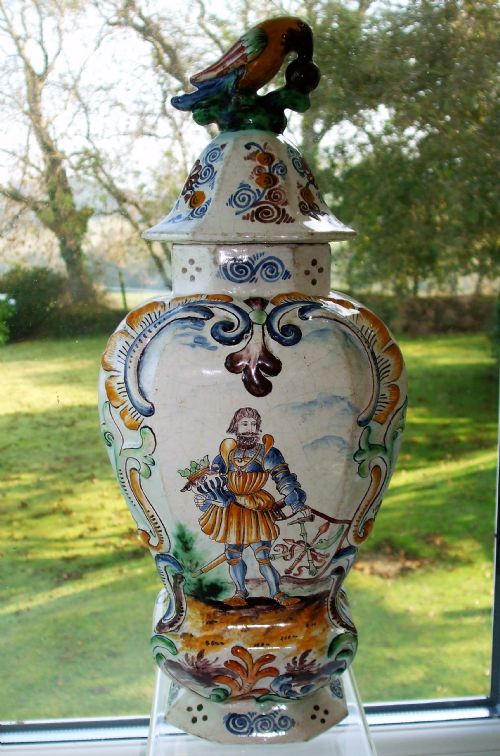
A glazed earthenware bird is a ceramic figure or vessel decorated with avian motifs, spanning centuries of kiln production from Georgian plates to Victorian majolica pieces. When searching for a glazed earthenware bird, buyers frequently encounter Staffordshire figures, Dutch Delftware jars, and continental faience tureens decorated with feathered subjects. These objects range from freestanding sculptural parrots and owls to painted birds upon plates, tiles, and vases.
The items found here cross several distinct periods, including 18th century English and Dutch pieces alongside Victorian and 1920s examples. Makers across Europe and Asia applied tin-glazes, polychrome pigments, and glossy transparent coatings to earthenware bodies to depict wildlife in domestic settings. The resulting objects served as decorative ornaments, inkwells, and tableware for historic interiors.
How they were made
Potters shaped these objects using local clays or refined earthenware bodies, often hand-sculpting the avian forms or pressing them into moulds. Artisans then applied tin-glazes, lead glazes, or enamel pigments to the porous ceramic surface before firing the piece in a kiln to fuse the vitreous coating. Some items received underglaze blue painting, while others were decorated with polychrome overglaze enamels to render plumage and foliage.
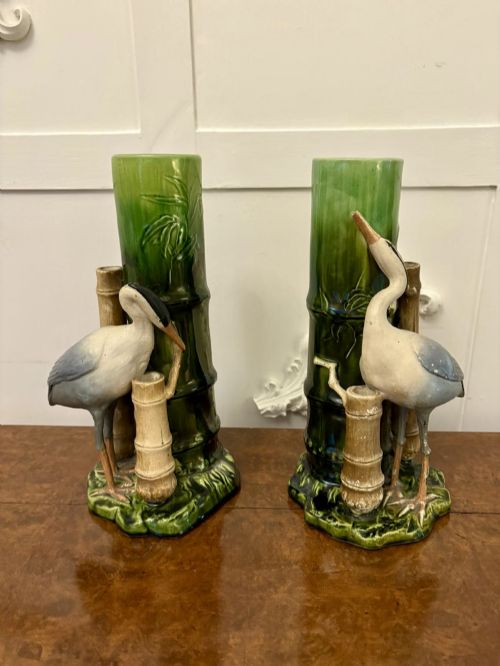
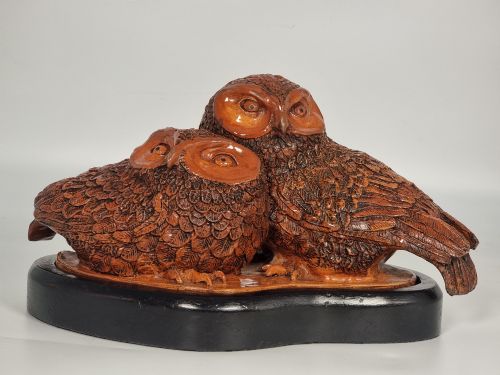
Certain Victorian and 19th-century works utilised majolica techniques, combining colourful opaque lead glazes over moulded earthenware to create vibrant relief ornamentation. Bases occasionally incorporated secondary materials such as ebonised wood to support heavier ceramic figures.
Glazed Earthenware Bird Retail Price Guide 2026
Typical asking prices for glazed earthenware bird among the pieces listed under this phrase on Sellingantiques today, from the lower quarter to the upper quarter. They describe what is for sale here now, not the wider market.
Materials recorded across the selection include ceramic, enamel, earthenware, tin-glazed earthenware, and wood.
What varies in quality
Quality in these ceramic figures rests on the crispness of the modelling and the control of the glaze during firing. Superior pieces display finely detailed feather work and steady, even brushwork on painted surfaces, whereas lesser examples show blurred pigments or clumsy moulding.
The depth and vibrancy of the glaze layer also separate standard production from finer output. Rich, well-fired tin-glazes and clean polychrome enamel application indicate greater skill in the kiln.
Bretby Vases·Leeds Pottery·Makuzu Kozan II·Minton and Hollins·George Jones
The Glazed Earthenware Bird Glossary
- Earthenware
- A porous pottery body fired at lower temperatures than stoneware or porcelain, requiring a glaze to hold liquids. It forms the structural base for majolica, Delftware, and creamware.
- Tin-Glazed Earthenware
- Pottery coated with a white, opaque glaze containing tin oxide, providing a smooth canvas for painted decoration. This technique defines traditional Delftware and faience.
- Majolica
- A type of earthenware covered with an opaque tin-lead glaze and decorated with coloured metal oxides. The Victorian era popularised this technique for vibrant garden and table wares.
- Creamware
- A refined, pale cream-coloured earthenware developed in 18th-century England, particularly associated with Leeds Pottery. It superseded heavier salt-glazed stonewares for table service.
- Polychrome
- Decoration employing multiple distinct colours, typically painted onto the ceramic body beneath or over the glaze. This method brings variety to avian plumage and floral backgrounds.
Glazed Earthenware Bird: Frequently Asked Questions
How do I identify a Victorian ceramic bird?
Victorian ceramic birds often exhibit the heavy moulding and glossy, colourful lead glazes typical of 19th-century majolica and Staffordshire production. Look for stylistic cues from the period, such as naturalistic foliage bases and rich polychrome enamel palettes.
Examine the condition of the glaze and the weight of the earthenware body to distinguish these mid-to-late 19th-century pieces from earlier Georgian or later 20th-century studio pottery.
What is the difference between Delftware and majolica?
Delftware primarily uses a white tin-glaze to support blue and white or polychrome painted designs, often originating from Dutch and English workshops during the 17th and 18th centuries. Majolica employs colourful opaque glazes over relief-moulded earthenware bodies, a technique favoured during the Victorian era.
Both fall under the wider umbrella of glazed earthenware, but their visual textures and historical periods differ significantly.
How were ceramic bird figures used historically?
These ceramic pieces functioned primarily as decorative ornaments on mantelpieces, side tables, and cabinets within historic homes. Some utilitarian items, such as inkwells, plates, and tureens, combined practical service with avian decoration.
Larger figures and jardinieres served to bring pastoral motifs into interior spaces during the Georgian and Victorian periods.
Are these ceramic pieces safe for daily use?
Most antique earthenware pieces are fragile and carry historical value, making them better suited for display rather than everyday functional use. Tin-glazes and softer earthenware bodies can chip or craze when subjected to modern culinary routines.
Gentle dusting and careful placement away from high-traffic areas help preserve the integrity of the antique glaze and clay body.