


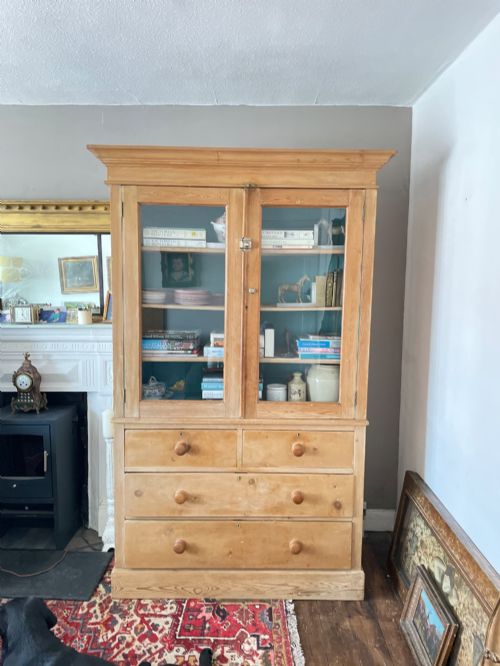
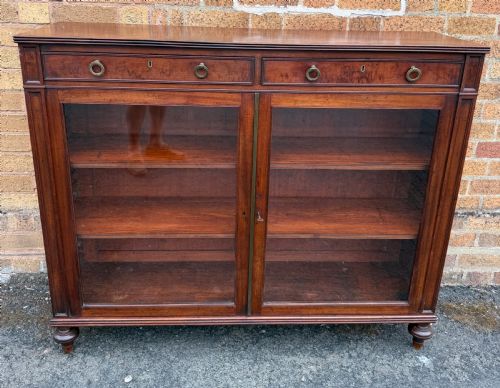
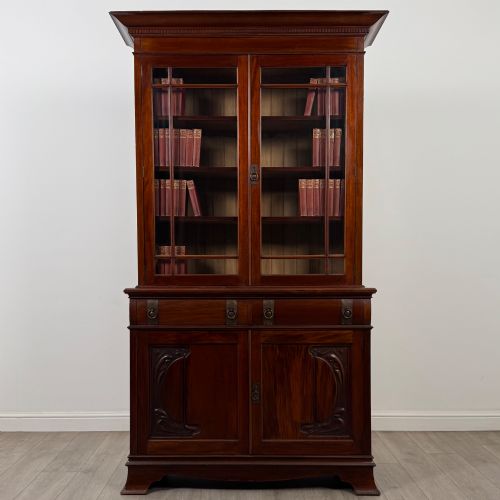
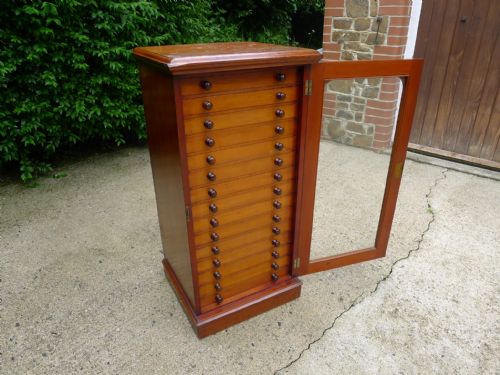
Glazed Drawer Cabinet
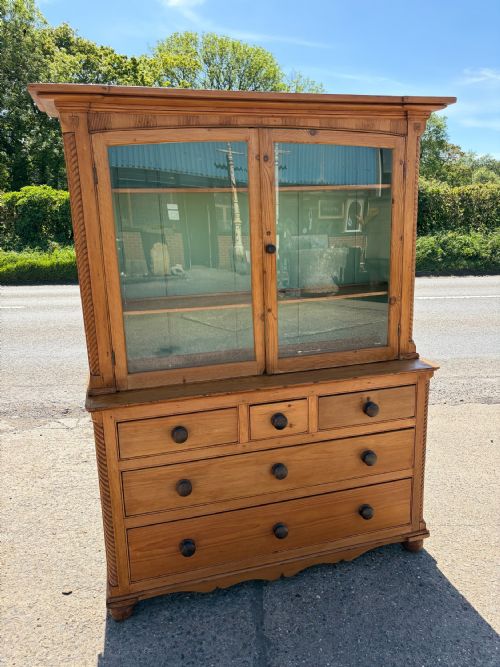
These glazed drawer cabinet pieces combine visible storage with compartmentalised organisation, offering both display space and practical drawers.
Glazed Drawer Cabinet
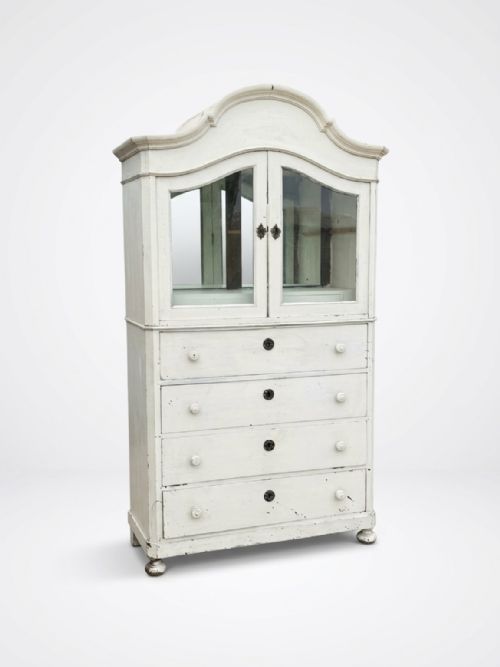
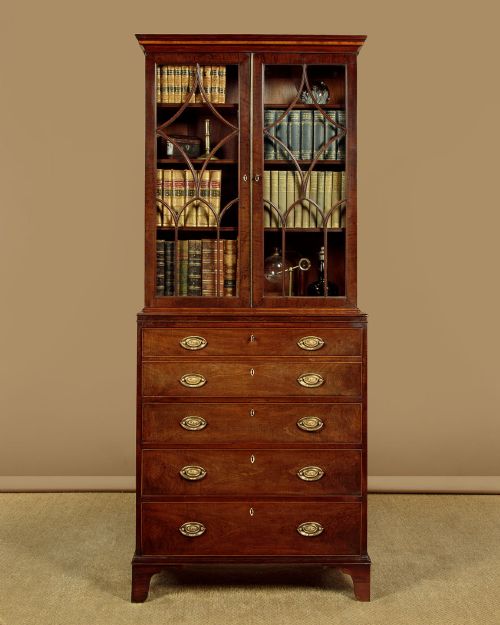
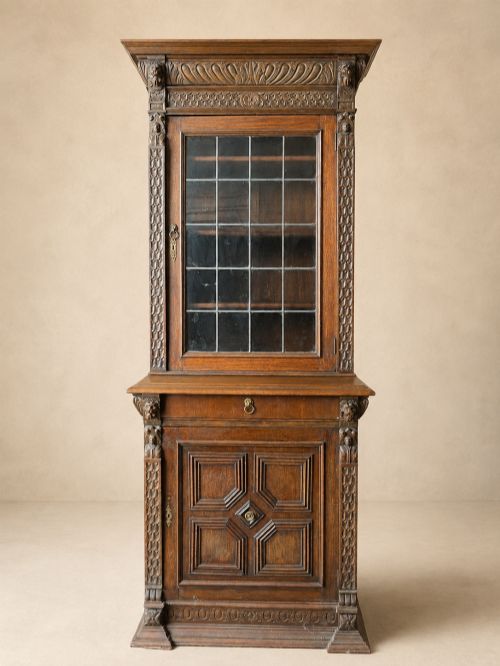
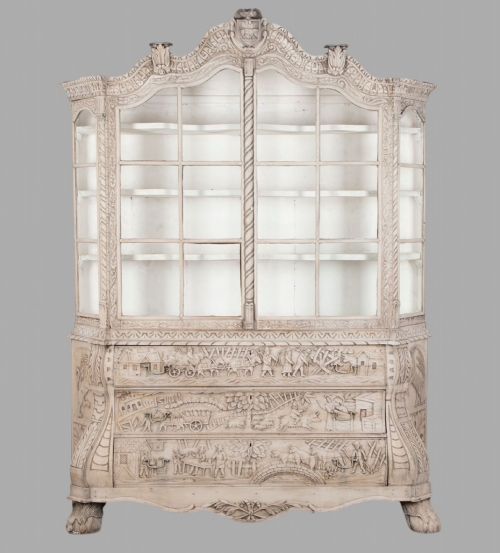
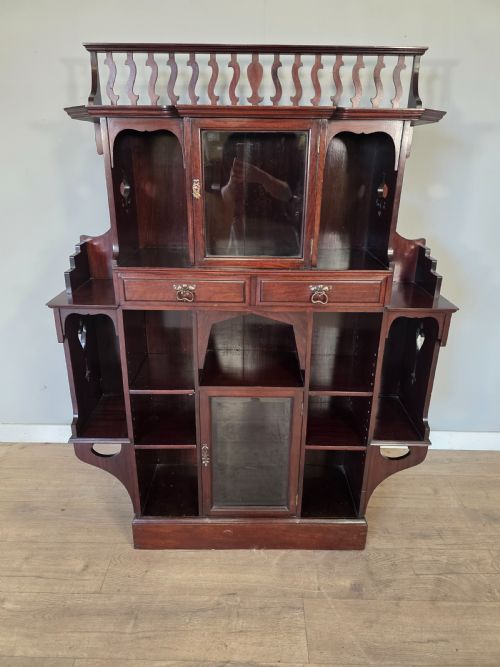
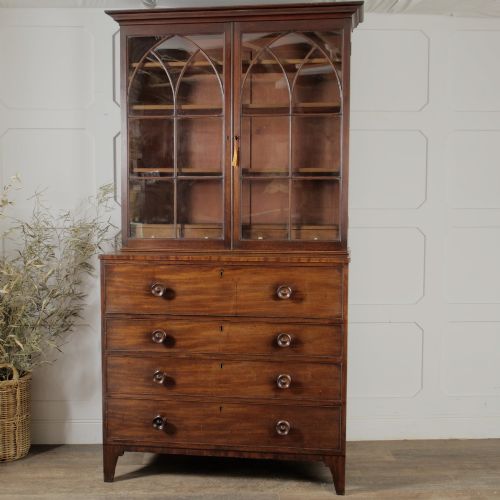
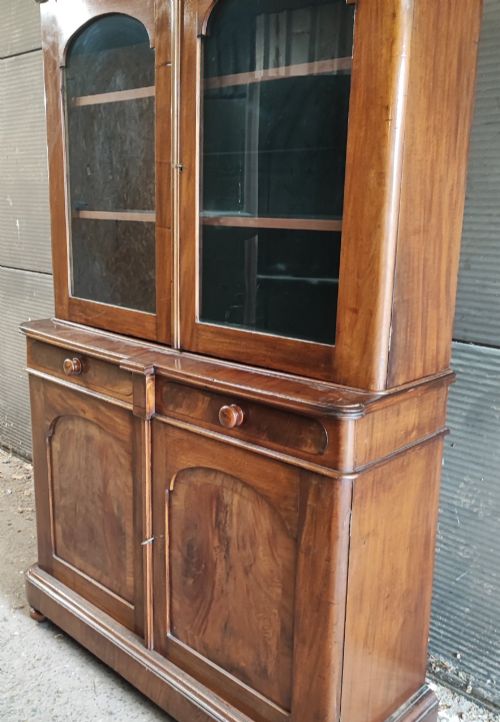
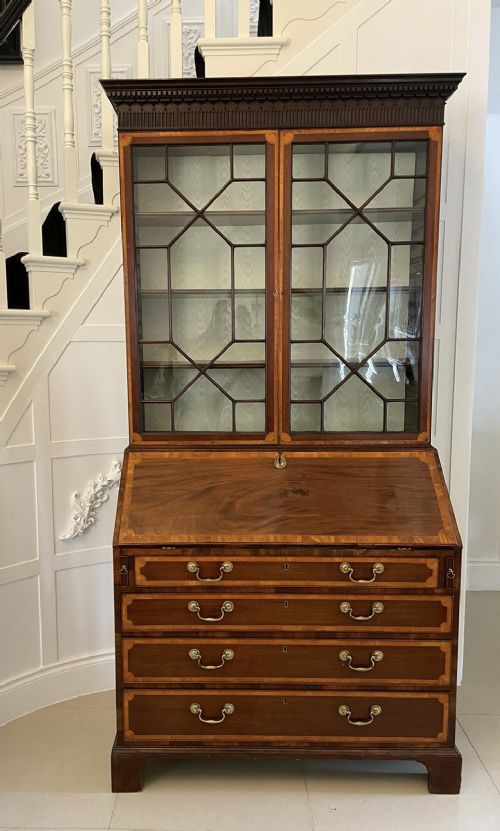
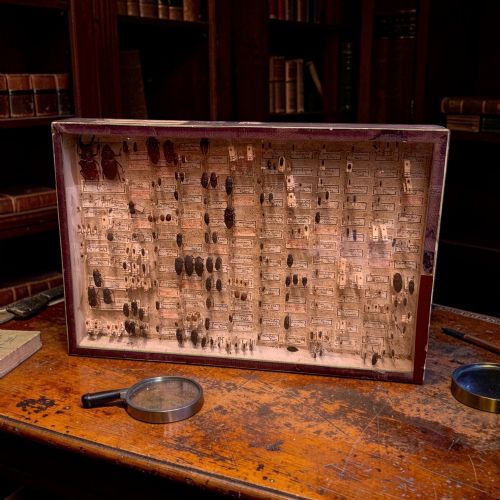
A glazed drawer cabinet brings together glass-fronted upper sections for display and lower drawer units for concealed storage, frequently appearing as bookcases, secretaire bookcases, and collectors cabinets across this selection.
The material record spans the 18th, 19th, and early 20th centuries, covering Georgian, Victorian, and Edwardian eras where timber furniture met the growing demand for specialised storage.
Makers and workshops constructed these hybrid forms in formats ranging from tall display pieces to multi-drawer specimen cabinets designed to hold specific collections.
Materials and construction
Cabinet makers utilised dense hardwoods like mahogany, walnut, and oak alongside softer pine and deal for internal structures, frequently incorporating satinwood and maple for decorative marquetry and inlay work.
Glazing techniques required timber frames rebated to hold glass panes securely, while drawer construction relied on traditional dovetail joints to withstand regular use.
Brass handles, escutcheons, and gilt mounts completed the hardware, fastened to timber carcasses shaped through turning, carving, and veneering.
Listings feature woods spanning mahogany, oak, walnut, pine, satinwood, and maple across Georgian, Victorian, and Edwardian periods.
Distinguishing quality
The standard of a glazed drawer cabinet rests upon the selection of timber veneers, the precision of the joinery in the drawer linings, and the clarity of the original window glass.
Superior examples demonstrate refined proportions, crisp carving on cornices and bracket feet, and integrated drawer arrangements that operate smoothly within the main carcass.
James Winter and Sons·Edwards and Roberts·Watkins and Doncaster·Brady of Edmonton
The Glazed Drawer Cabinet Glossary
- Secretaire bookcase
- A cabinet form incorporating a fitted writing drawer with a drop-front desk surface beneath glazed upper shelving.
- Collector cabinet
- A specialised piece containing numerous shallow drawers intended for housing natural history specimens or small artefacts.
- Glazing bar
- The narrow wooden strip that holds individual glass panes within a larger window or cabinet door frame.
- Marquetry
- Decorative patterns formed by fitting together thin veneers of various coloured woods onto a solid timber base.
Glazed Drawer Cabinet: Frequently Asked Questions
What is a glazed drawer cabinet?
It is a hybrid furniture piece that pairs glass-fronted upper display shelves with a lower chest of drawers or fitted bureau compartment.
These pieces served domestic and scientific purposes alike, functioning as libraries, display surfaces, and specialised storage units.
How were these cabinets used originally?
Owners used them to store and display books, ceramics, scientific specimens, and personal papers while keeping smaller items organised in the drawers below.
The upper glass doors protected valuable volumes and collections from dust while keeping them visible in principal rooms.
How do I identify a Victorian piece?
Victorian examples often employ denser timbers like mahogany or walnut, frequently featuring darker waxed finishes, heavy carved cornices, and plate glass doors.
Construction details during this era also show machine-assisted sawing alongside traditional hand dovetailing in the drawer boxes.
Where should I place one?
These tall hybrid forms suit studies, living rooms, and hallways where vertical wall space allows the combination of display and drawer storage to function effectively.
Ensure placement avoids direct sunlight to protect antique timbers and interior contents from fading over time.