
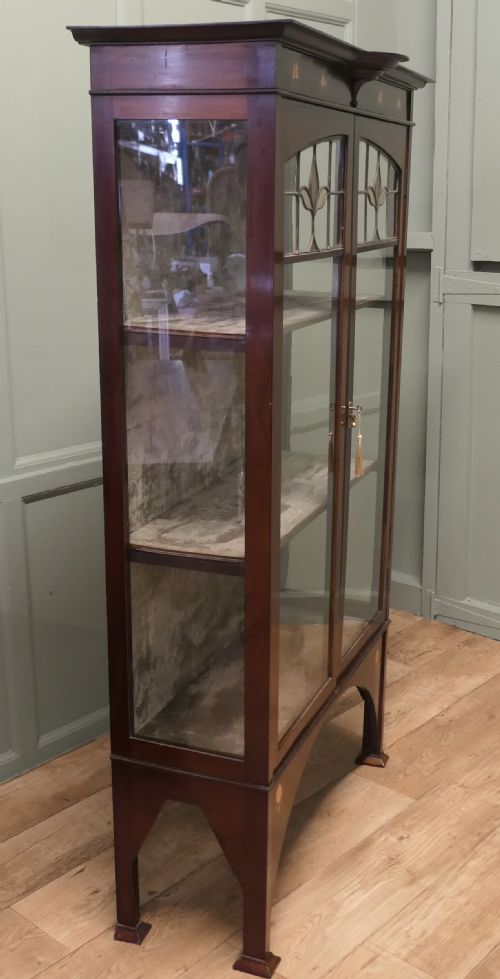
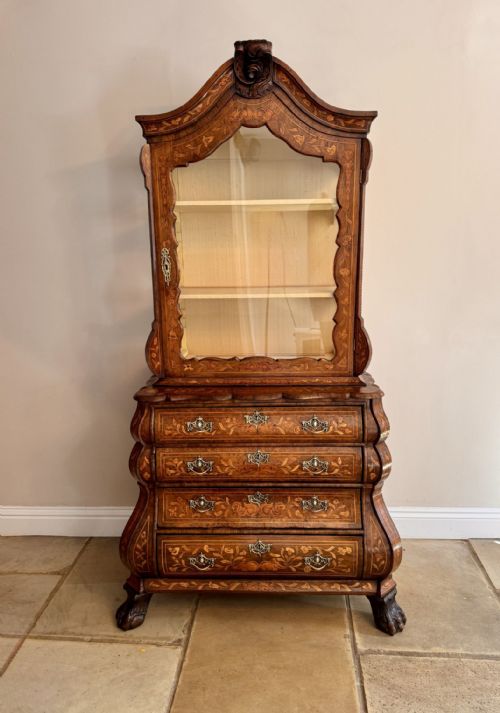
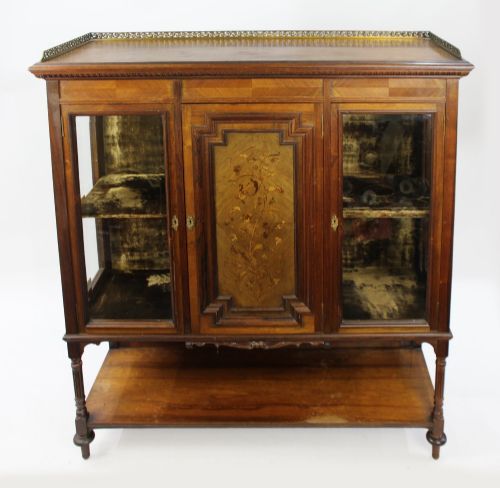
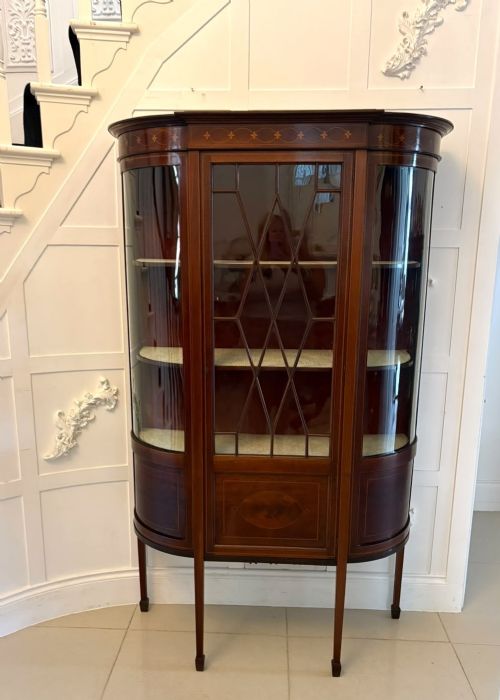
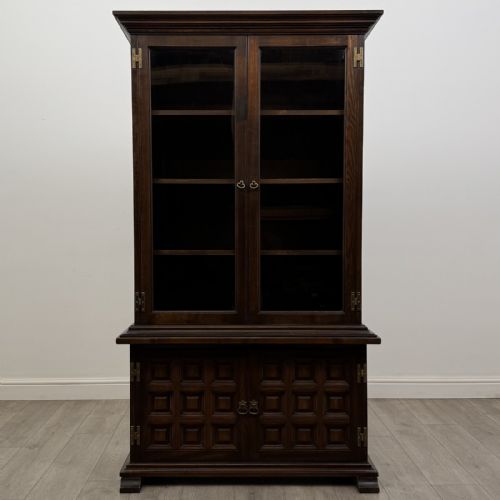
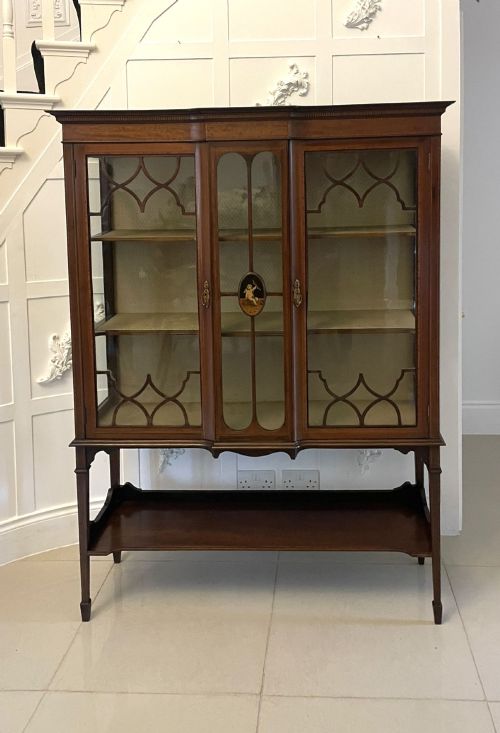
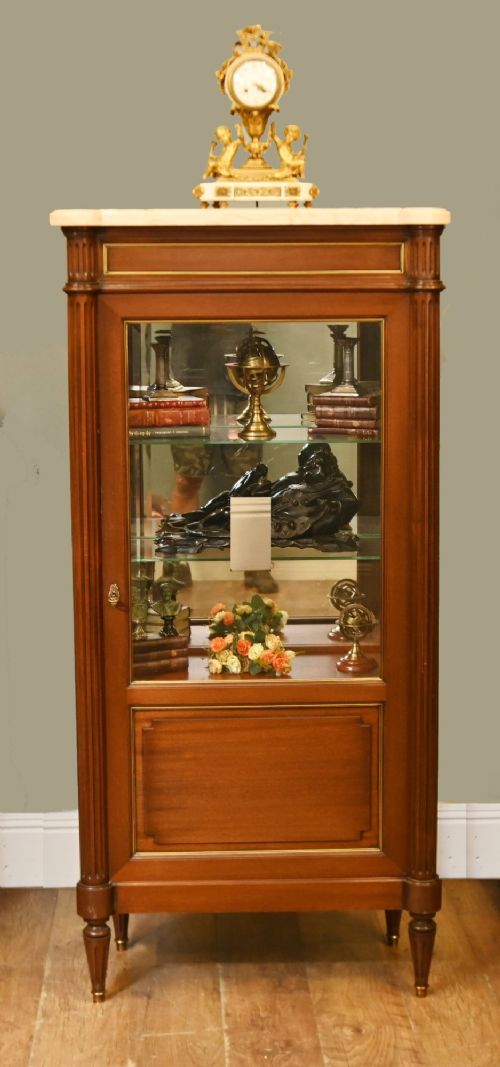
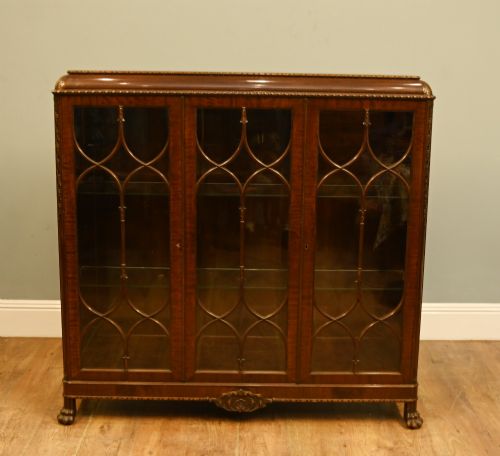
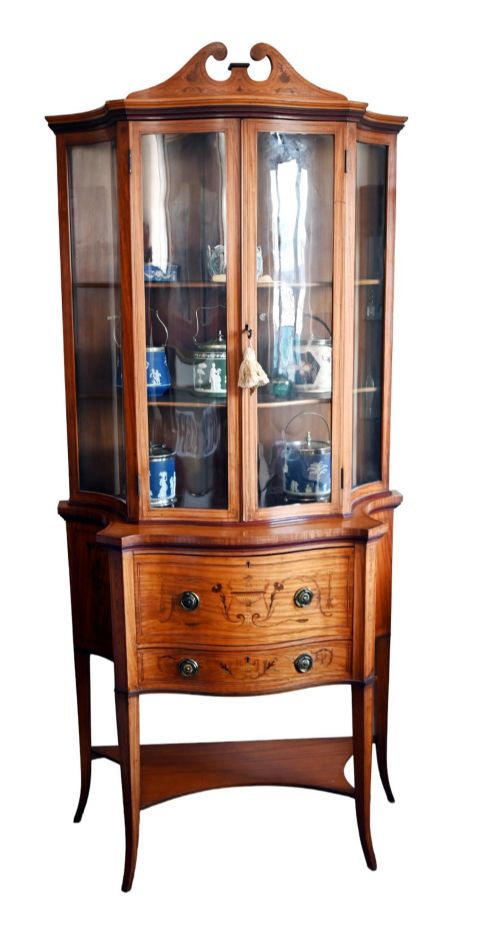
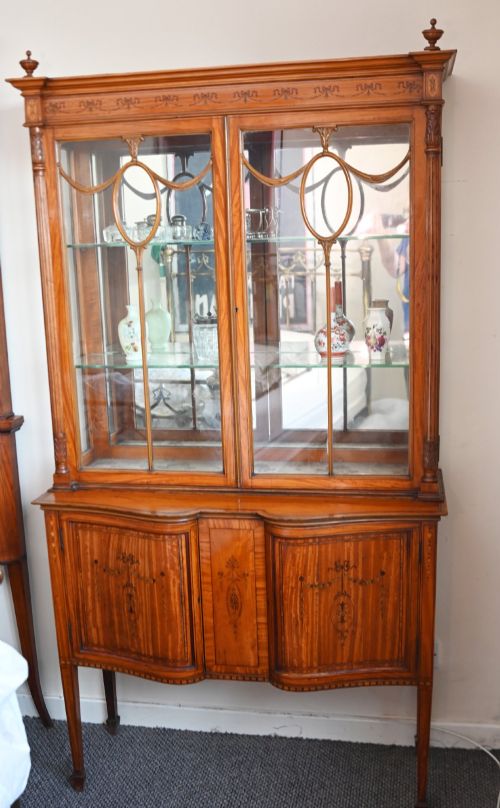
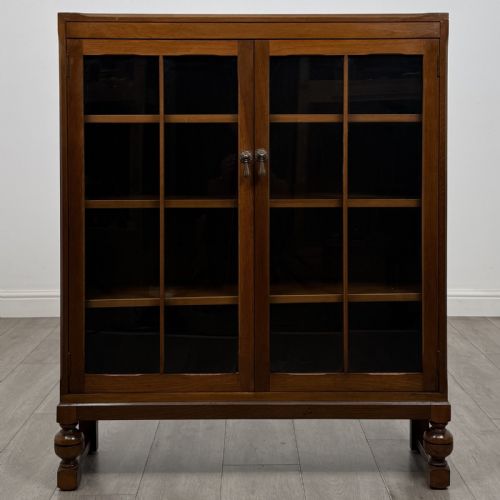
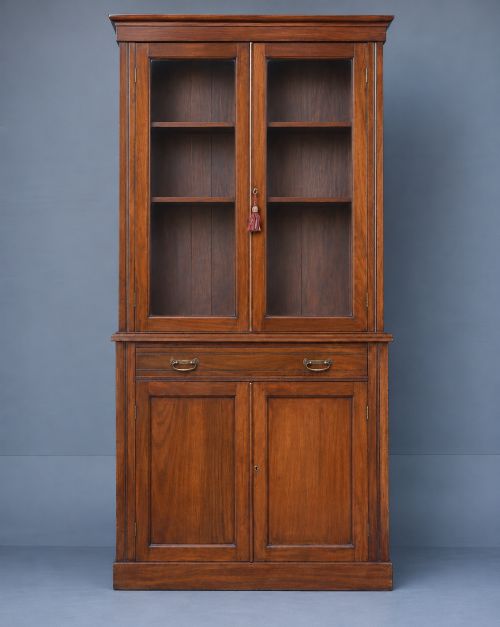
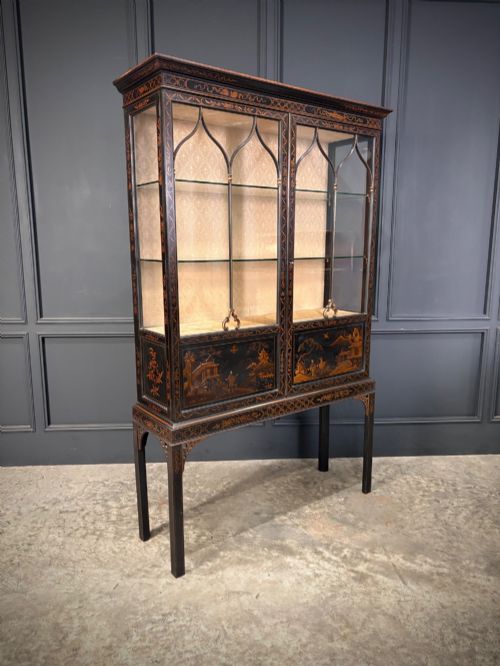
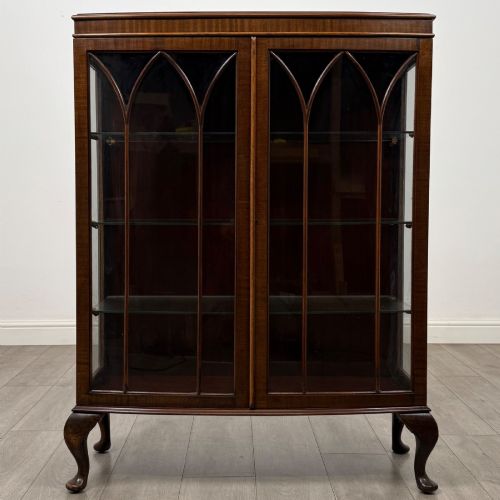
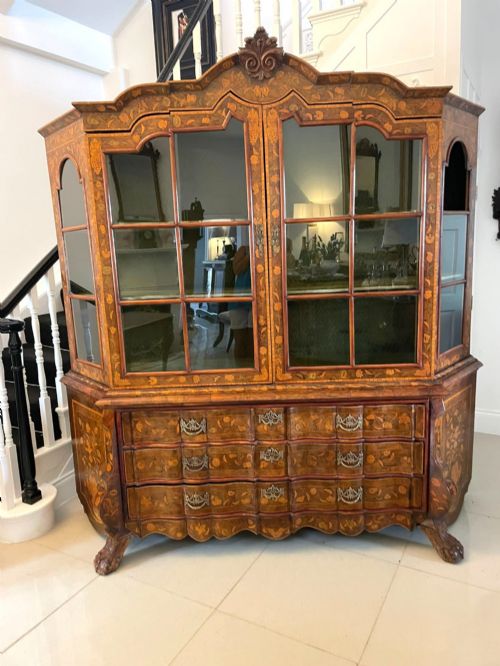
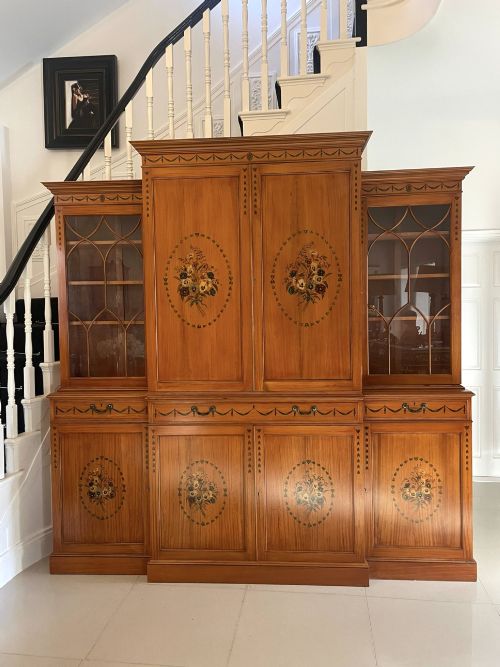
Glazed China Display Cabinet
A glazed china display cabinet holds porcelain and curios behind glass, bringing order and light to a room.
Glazed China Display Cabinet
When you search for a glazed china display cabinet, you meet tall bookcases, breakfront vitrines, and smaller pier cabinets dating from the eighteenth century to the art deco period. Edwardian mahogany pieces and Victorian incarnations form a large part of what appears here.
Makers constructed these cabinets with glass doors, shelves, and panelled bases to exhibit tableware and decorative objects safely in dining rooms and libraries.
Materials and construction
Cabinet makers utilised solid woods like mahogany, oak, and walnut, frequently applying satinwood veneers or intricate marquetry to the exterior surfaces.
Glazing takes the form of astral bars or simple leaded panes, while brass mounts, ormolu, and original painted decoration finish the finer examples.
Secret drawers occasionally hide beneath the lowest shelf of an Edwardian breakfront, waiting for a stray tea spoon.
Quality variations
The standard of a glazed china display cabinet depends upon the choice of timber figure, the crispness of any hand carving, and the restraint of the inlay.
Original glass panes, well-fitted doors, and retained painted decoration or authentic bronze mounts distinguish superior cabinet work from plainer utility items.
Jas Shoolbred·Collinson & Lock·Hampton & Sons
The Glazed China Display Cabinet Glossary
- Astral glazing
- Glass divided into small panes by wooden or metal strips called glazing bars. This technique creates a grid pattern typical of eighteenth and nineteenth-century furniture.
- Breakfront
- A piece of furniture where the central section projects forward from the flanking wings. This configuration adds architectural depth to large bookcases and cabinets.
- Vitrine
- A glass-fronted cabinet designed specifically for displaying fine porcelain and curiosities. The term originates from the French word for glass.
- Marquetry
- Decorative veneer work formed by fitting together small pieces of wood, shell, or ivory into pictorial or geometric patterns. Craftsmen applied these veneers to highlight the principal surfaces of cabinet furniture.
- Pier cabinet
- A low cabinet designed to stand against the wall space between windows. These pieces often feature a single glazed door and enclosed shelving.
Glazed China Display Cabinet: Frequently Asked Questions
What is a glazed china display cabinet?
A glazed china display cabinet is a piece of case furniture featuring glass panels in the doors or sides. It was designed to protect and exhibit ceramic collections while keeping dust away from delicate items.
Such cabinets appear in various woods, including mahogany, oak, and satinwood, spanning styles from Georgian proportions to Edwardian revival work.
How do I date a display cabinet?
Dating relies on observing construction methods, timber choices, and stylistic details. Edwardian pieces often display Sheraton revival satinwood inlay, whereas Victorian examples favour heavy carved mahogany or walnut.
Earlier eighteenth-century items show hand-cut dovetails and simpler structural lines, while art deco cabinets utilise walnut veneers and geometric forms.
Where should I place a cabinet in my home?
These cabinets suit dining rooms, living spaces, or hallways where natural light can strike the glass and illuminate the interior shelves. Placing them away from direct heat sources protects the timber and veneer.
Freestanding models require stable, level flooring to ensure the glazed doors open and close smoothly without jamming.
How do I clean an antique cabinet?
Maintenance involves dusting timber surfaces with a soft, dry cloth and applying natural beeswax sparingly to nourish the wood. Glass panels benefit from standard glass cleaner applied to a cloth rather than sprayed directly near the woodwork.
Harsh chemical polishes should be avoided because they can damage older French polish or waxed finishes.