



Glazed Ceramic Serving Platter
These glazed ceramic serving platter examples span centuries of table service, offering substance and historical presence to any dining arrangement.

Glazed Ceramic Serving Platter
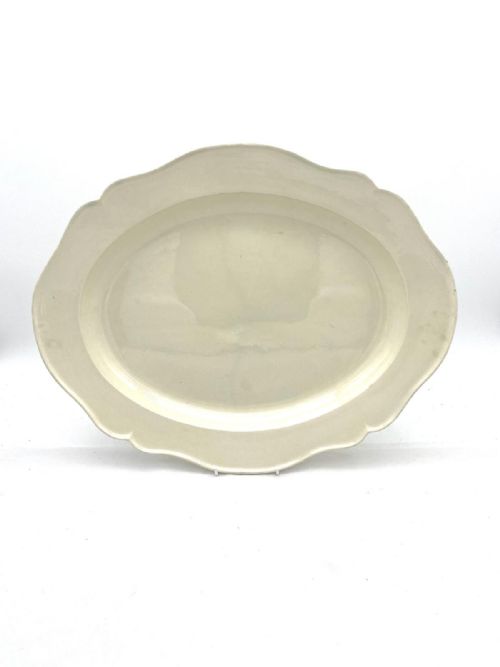
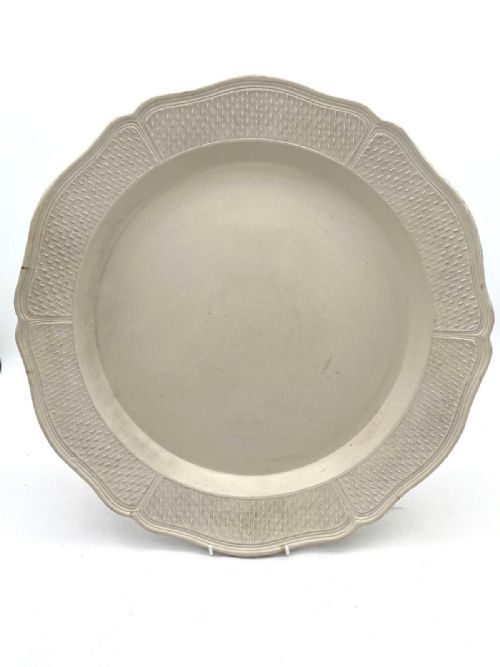
When searching for a glazed ceramic serving platter, a buyer encounters substantial vessels intended for presenting food across historical periods. The selections include large chargers, deep platters, and commemorative dishes spanning the eighteenth and nineteenth centuries.
Most entries belong to traditional categories such as Delftware, creamware, and transfer-printed earthenware. Forms range from simple meat plates to expansive decorative chargers produced in English, Dutch, and French workshops.
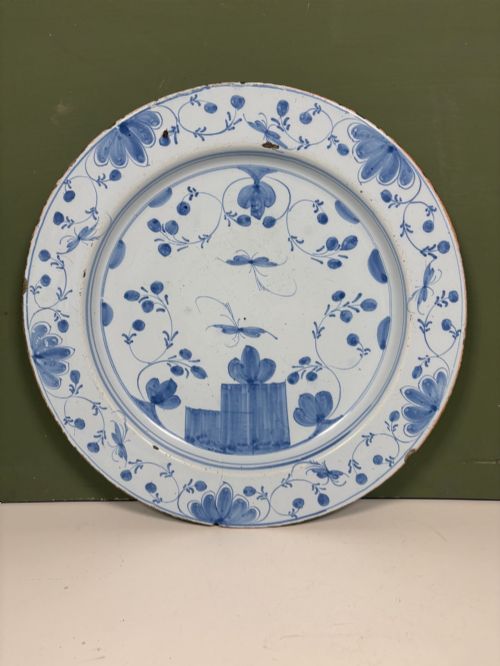
Origin styles stretch from Georgian and Victorian eras through to Edwardian production. Pieces often double as wall display items due to their pictorial blue and white designs and polychrome painting.
How they were made
Makers utilised earthen clays shaped into flat or slightly dished bodies, which were then fired to form a porous ceramic base. Lead glazes, tin glazes, and salt glazes provided the glossy protective surfaces necessary for practical serving.
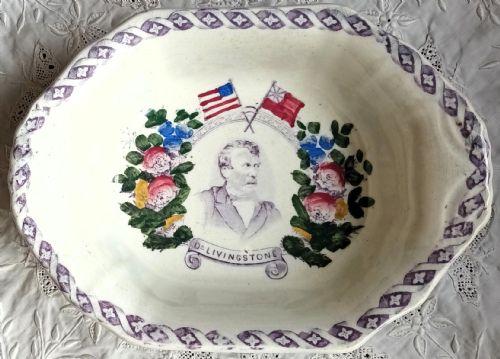
Decoration relied on cobalt oxide applied under the glaze or polychrome pigments painted directly onto tin glazes. Transfer printing emerged in later periods to apply intricate topographical scenes onto creamware and earthenware bodies.
What varies in quality
Quality rests upon the crispness of the transfer print or the painterly confidence of the hand-applied brushwork. Pieces displaying rich cobalt depths or nuanced manganese polychromy sit well above plain utilitarian wares.
The sophistication of the moulded shape, such as silver-shaped rims or heavy salt-glazed texturing, distinguishes finer presentation chargers from standard kitchen vessels.
Booths·Spode·Staffordshire
The Glazed Ceramic Serving Platter Glossary
- Creamware
- A fine earthenware developed in the eighteenth century with a pale yellowish lead glaze. It became the dominant domestic ceramic body before transfer printing transformed table services.
- Delftware
- Tin-glazed earthenware produced in England and the Netherlands, typically featuring white surfaces painted with blue oxide. It often emulates imported Chinese porcelain designs.
- Salt glaze
- A vitreous coating formed by throwing common salt into the kiln during high-temperature firing. This creates a pitted texture resembling orange peel across the ceramic body.
- Transfer printing
- A mechanical method of applying complex engraved designs to pottery using tissue paper. It allowed factories to produce uniform pictorial scenes on large meat platters.
- Majolica
- A colourful lead-glazed earthenware characterised by vibrant opaque glazes applied over moulded reliefs. It gained popularity during the Victorian period for decorative serving forms.
Glazed Ceramic Serving Platter: Frequently Asked Questions
How were these platters used?
These large vessels served joints of meat, bread, and communal courses at historical dining tables. Their robust earthen construction handled heavy daily use while providing a decorated surface for food presentation.
Many larger examples also functioned as decorative chargers displayed on walls or sideboards when not in active dining service.
Can I use them for serving food today?
Most historic earthenware and tin-glazed pieces suit gentle modern use, though older glazes require careful hand washing. Sudden thermal changes can harm eighteenth and nineteenth-century ceramic bodies.
Collectors often reserve these antique platters for display or dry presentation rather than heavy daily dining.
How do I date a ceramic platter?
Dating relies on body composition, glaze characteristics, and potting styles recorded across Georgian and Victorian eras. Creamware and salt-glazed items point toward the eighteenth century, while transfer-printed scenes usually indicate nineteenth-century production.
Maker marks and named series, such as shipping scenes or topographical bridges, offer further chronological markers.
What is the difference between a charger and a platter?
Chargers are exceptionally large decorative plates traditionally placed beneath smaller service courses or displayed upright on walls. Platters feature elongated or shaped oval forms specifically designed for carrying roasted meats and serving dishes.
Both categories utilise similar ceramic bodies and glazing techniques within historical kitchen services.