


Glazed Ceramic Basin
A glazed ceramic basin brings utility and ornament together, offering substantial earthen vessels and refined porcelain forms made to hold water, milk or dry goods.
Glazed Ceramic Basin
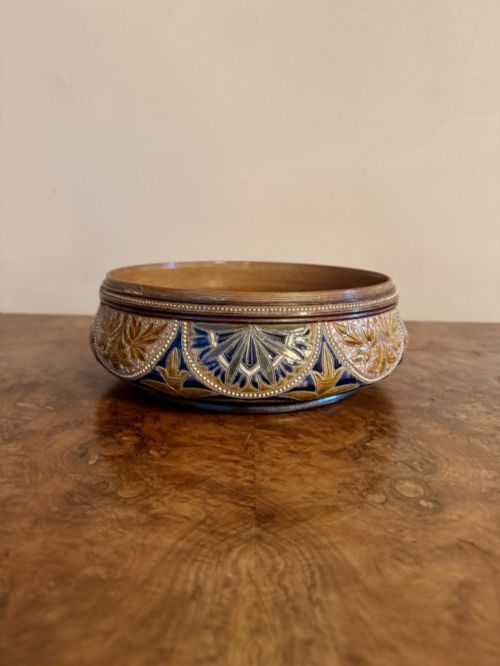
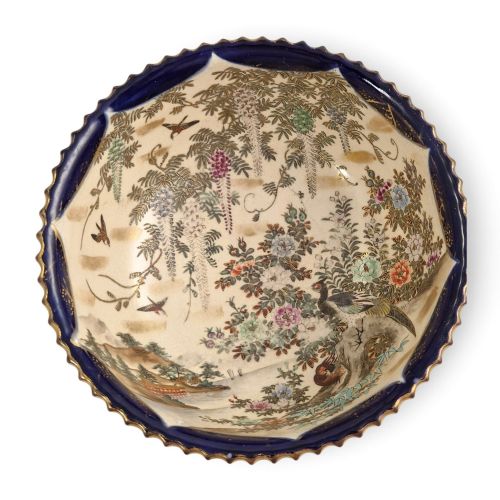
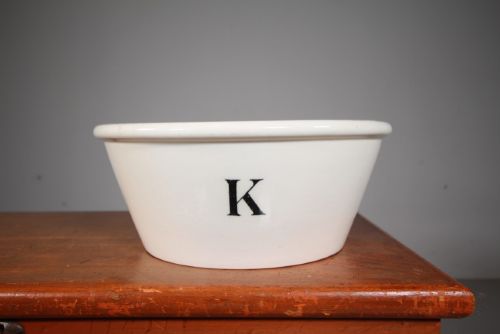
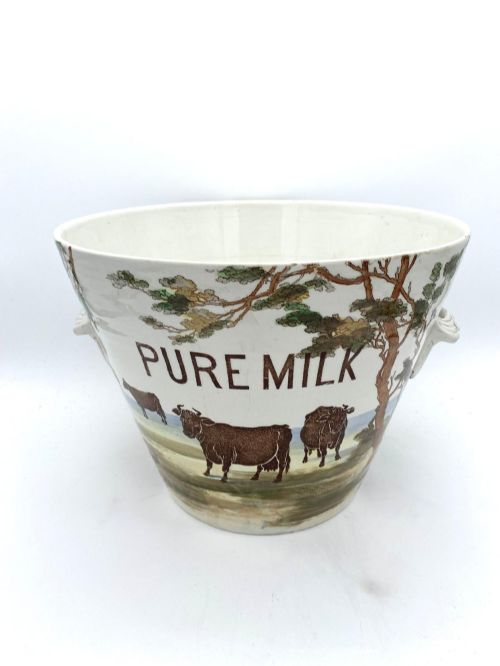
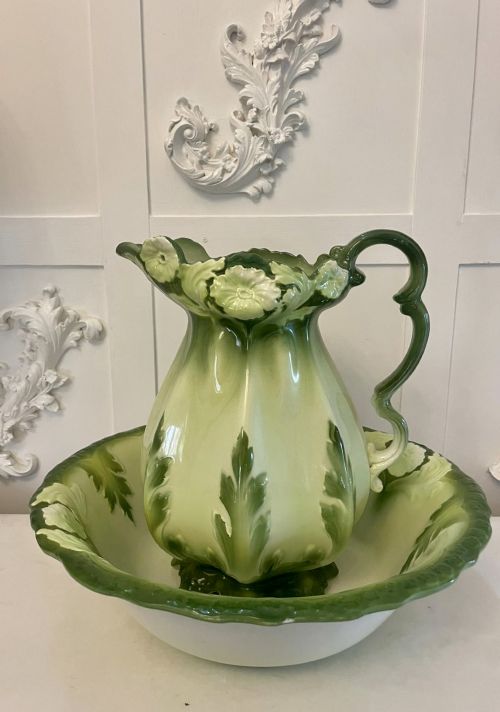
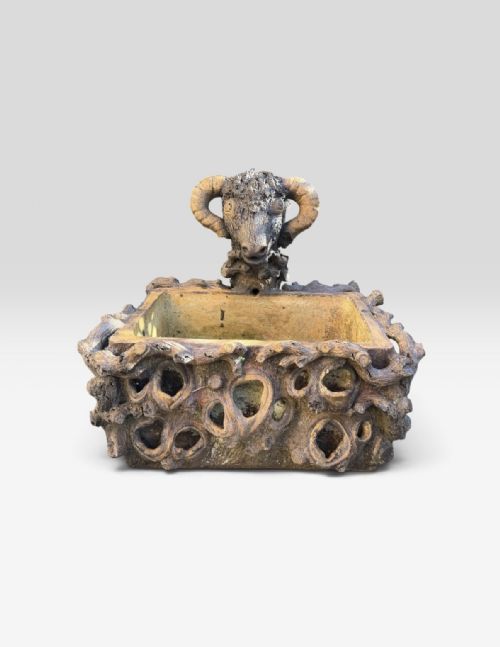
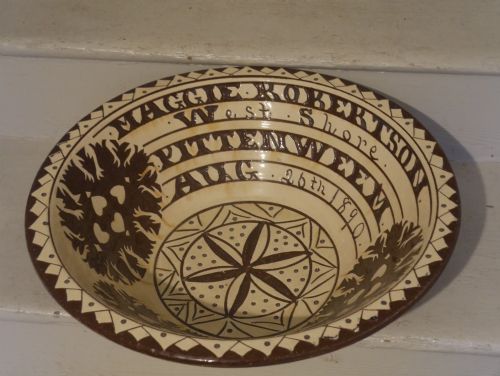
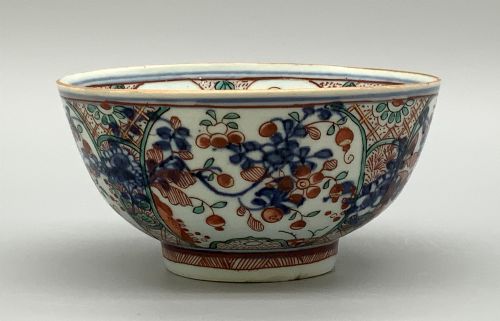
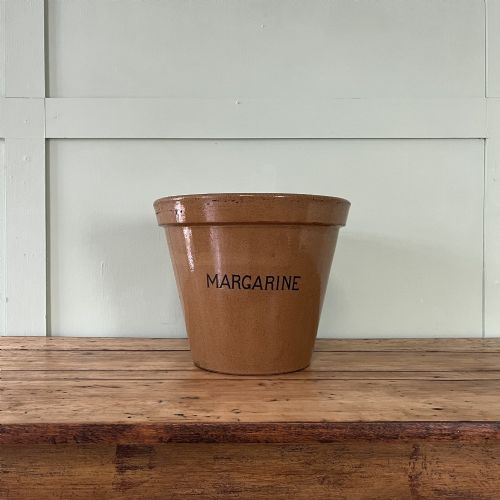
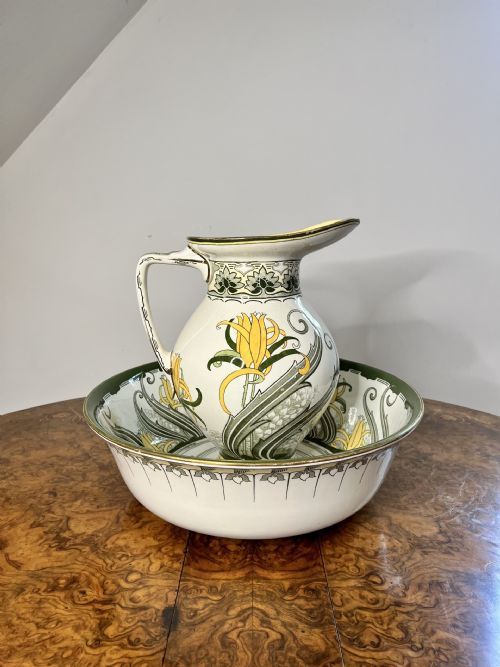
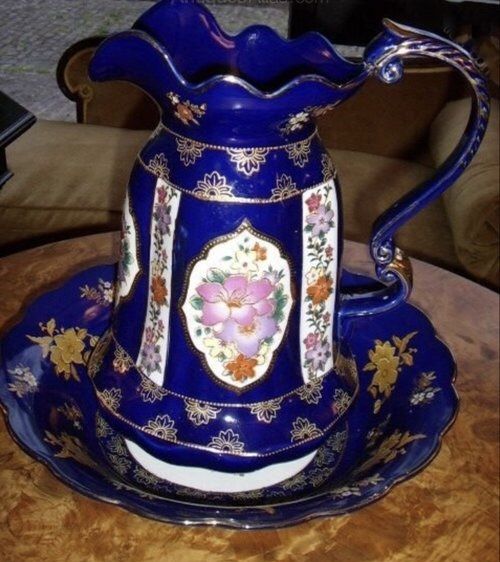
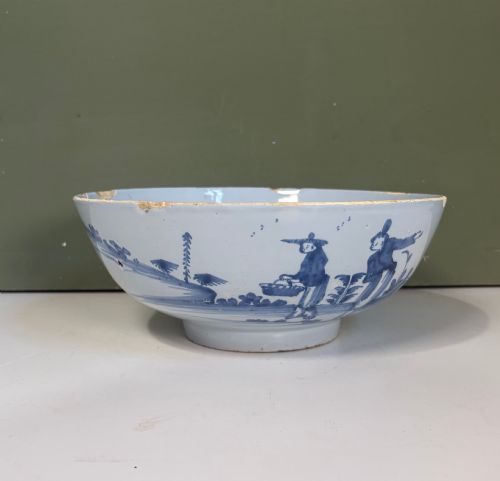
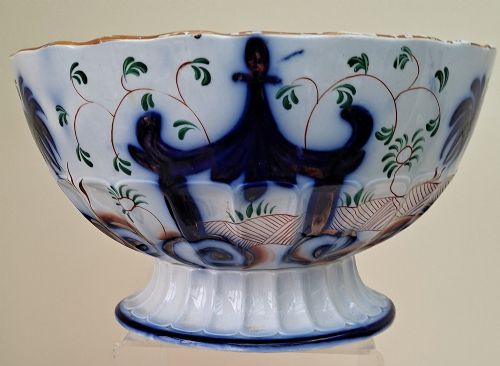
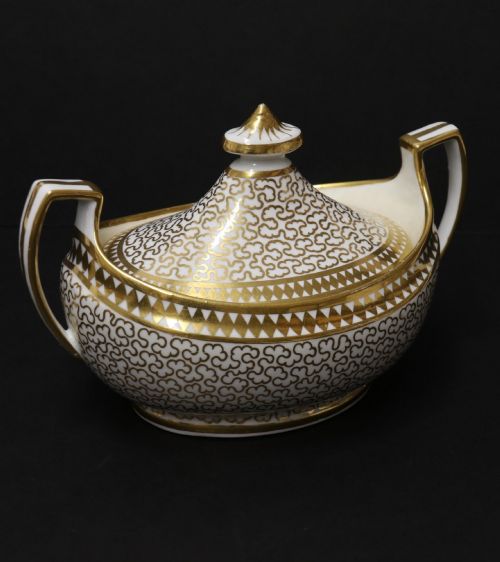
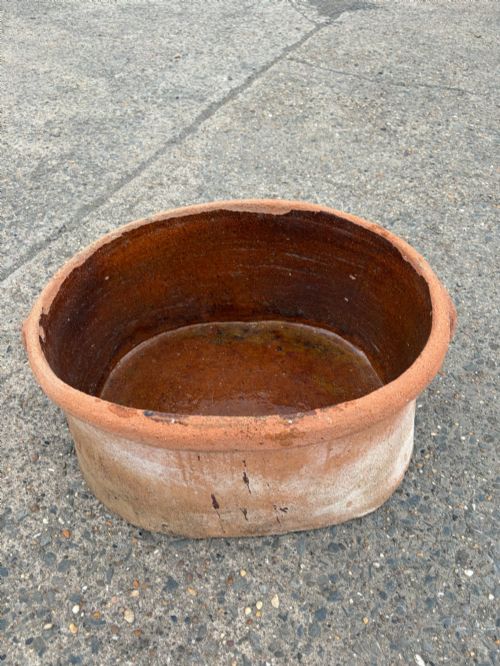
When you search for a glazed ceramic basin, you encounter a diverse selection of domestic vessels spanning several centuries. The pieces on this page range from utilitarian dairy pails and large terracotta mixing bowls to decorative Edwardian wash sets and delicate porcelain bowls from Chinese dynasties.
Utility shapes dominate the earlier nineteenth-century items, including salt glaze troughs and dairy bowls designed for practical farm work. In contrast, pieces from the Edwardian era and the late nineteenth century often lean toward wash jug and bowl sets or ornamental jardinières intended for the parlour.
Judging Quality
The standard of a glazed ceramic basin rests upon the precision of the potter's hand and the clarity of the glaze application. Finer pieces display crisp painted details, balanced proportions, and controlled kiln reactions without excessive distortion.
Maker attribution and artistic ambition separate standard utility items from collector pieces. Studio signatures, specific factory marks, and complex decorative schemes such as lustre finishes or hand-painted narrative scenes elevate individual items above ordinary kitchenware.
Glazed Ceramic Basin Retail Price Guide 2026
Typical asking prices for glazed ceramic basin among the pieces listed under this phrase on Sellingantiques today, from the lower quarter to the upper quarter. They describe what is for sale here now, not the wider market.
Materials span terracotta, salt glaze, enamel, and gold leaf, with origins ranging from British potteries to Chinese export kilns.
Seaton Pottery·Chamberlains Worcester·Doulton Lambeth·Royal Doulton·Wedgwood
The Glazed Ceramic Basin Glossary
- Earthenware
- Porous pottery fired at lower temperatures, requiring an impermeable glaze to hold liquids. It forms the body of many traditional dairy and kitchen vessels.
- Stoneware
- A dense, vitreous ceramic fired at higher temperatures that remains non-porous without glaze. It provides exceptional durability for heavy farm and kitchen use.
- Porcelain
- A fine, white, translucent ceramic made from kaolin and petuntse fired at high heat. It is associated with refined tableware and decorative bowls.
- Salt Glaze
- A finish created by throwing common salt into the kiln during high-temperature firing, producing a pitted texture resembling orange peel. It is typical of utilitarian stoneware.
- Slip
- Liquid clay mixture used for coating or decorating pottery surfaces before firing. Potters applied it to create contrasting patterns on coarse earthenware.
Glazed Ceramic Basin: Frequently Asked Questions
What were glazed ceramic basins used for?
These vessels served diverse roles ranging from farm dairy work and food storage to personal washing and parlour decoration. Utilitarian items held milk, cream or cooking ingredients, while finer sets handled washing routines.
Larger basins functioned as dairy pails, tian bowls, or footed wash basins, whereas smaller porcelain versions acted as sugar bowls, punch bowls, or brush washers.
How do I care for an antique basin?
Display these items away from direct sunlight and areas prone to sudden temperature shifts to protect the glaze and clay body. Dust them gently with a dry, soft cloth.
Avoid using harsh chemical cleaning agents or submerging porous earthenware items in water for extended periods, as moisture can penetrate old glaze crazing.
How can I tell the period of a basin?
Examine the material weight, glaze characteristics, and any visible base marks or signatures. Heavy terracotta and salt glaze pieces often indicate nineteenth-century utilitarian manufacture.
Delicate porcelain bodies with specific dynasty marks or Edwardian transfer-printed floral motifs point toward later decorative periods or specific Asian export eras.
Are these basins watertight?
Many stoneware, porcelain, and glazed terracotta pieces remain suitable for holding water, though older items may show hairline cracks or crazing in the glaze. Utility vessels were originally built to contain liquids reliably.
Terracotta dairy bowls typically feature interior glazing specifically designed to hold dairy products, but aged structural integrity varies between individual pieces.