




Glass Top Writing Desk
A glass top writing desk offers a practical writing surface paired with the protective elegance of clear or cut glass.
Glass Top Writing Desk
A glass top writing desk brings together traditional wooden furniture forms and protective surfaces, spanning periods from the Georgian era through to Art Deco and the Edwardian epoch. Buyers searching for a glass top writing desk encounter a range of forms including pedestals, bureaux, and associated desk accessories rather than a single uniform design.
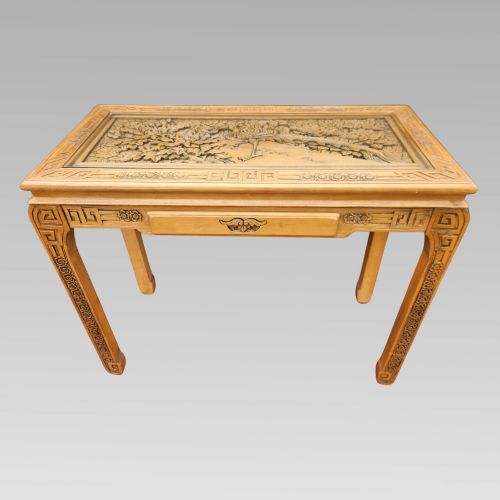
The material combination typically involves rich timbers such as mahogany, burr walnut, oak, and satinwood complemented by glass elements, brass fittings, and silver mounts. Pieces originate from diverse stylistic backgrounds, touching upon Chinese Export, Edwardian Sheraton Revival, and George IV designs.
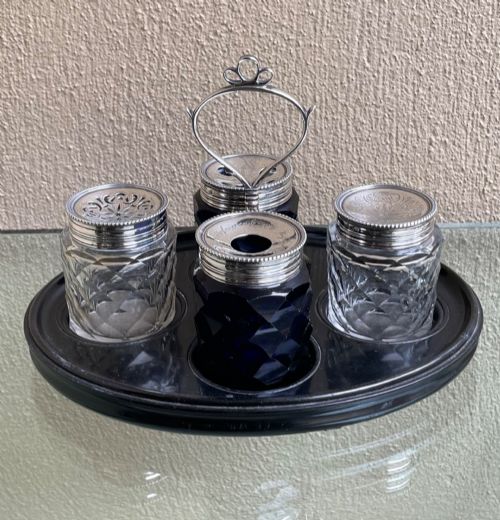
Many examples incorporate fitted writing compartments, bureau bookcases, and secretaire bookcases alongside standalone tables. The selection balances larger office furniture with smaller desk accessories and inkstands that serve a writing space.
Materials and construction
Construction relies upon traditional cabinet-making timbers including mahogany, walnut, oak, and satinwood, often shaped into bureau bookcases, rolltops, and pedestal desks. Timber frames provide the structural support for drawers, pigeonholes, and writing surfaces.
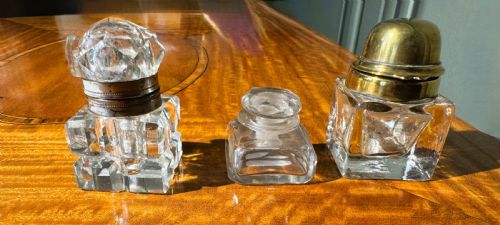
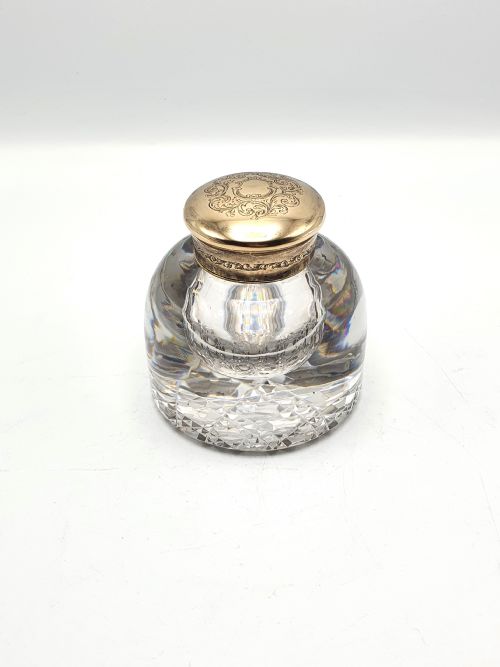
Cut glass and clear glass form protective tops, inkwells, glue pots, and bottles, frequently mounted with sterling silver or brass hardware. Detail work incorporates inlay, carving, and silver-gilt elements across George III, Victorian, and Edwardian pieces.
Glass Top Writing Desk Retail Price Guide 2026
Typical asking prices for glass top writing desk among the pieces listed under this phrase on Sellingantiques today, from the lower quarter to the upper quarter. They describe what is for sale here now, not the wider market.
The listings feature pieces spanning the Georgian, Victorian, Edwardian, and Art Deco periods, utilising mahogany, burr walnut, oak, and cut glass.
Assessing quality and finish
Quality reveals itself in the selection of timbers like burr walnut and satinwood, alongside the crispness of cabinet-making joinery and inlay work. Finer items demonstrate careful timber matching and robust structural integrity across complex bureau and pedestal forms.
The refinement of metal mounts, silver hallmarks, and cut glass vessels distinguishes standard utility items from more ambitious commissions. Original hardware and pristine surface preservation elevate the standing of a piece within its period.
Edwards and Roberts
The Glass Top Writing Desk Glossary
- Bureau bookcase
- A writing cabinet featuring a sloping fall-front desk combined with upper shelving or book storage behind doors. It provides both workspace and enclosed storage.
- Secretaire bookcase
- A tall case furniture piece containing a pull-out drawer with a fitted writing desk interior beneath upper bookcase doors. The writing surface slides out for use.
- Pedestal desk
- A freestanding office desk supported by two pedestals containing banks of drawers. The top surface frequently receives protective glass or leather.
- Cut glass
- Glass decorated by cutting facets or patterns into the surface using a wheel. It appears frequently in desk inkwells and pots.
- Sterling silver mount
- A decorative or functional fitting made from standard silver attached to glass inkwells or stamp boxes. These mounts often carry hallmarks indicating the assay office and date.
Glass Top Writing Desk: Frequently Asked Questions
What is a glass top writing desk?
A glass top writing desk is a piece of furniture designed for writing that incorporates a glass surface, either as a protective layer over timber or as part of a specialised desk design.
These pieces span various historical periods, including Georgian, Victorian, and Art Deco, combining traditional cabinetry with transparent surfaces.
What woods were used in antique desks?
Cabinet makers utilised a variety of fine timbers including mahogany, burr walnut, oak, and satinwood. Each wood imparts a distinct grain and colour to the finished furniture.
These timbers were often paired with brass fittings, inlay work, and glass components to complete the design.
How were antique inkwells used?
Antique inkwells served as desktop reservoirs for liquid ink used with dip pens before the widespread adoption of fountain pens. They were frequently housed in dedicated stands alongside stamp boxes and pen trays.
Many examples feature cut glass bodies with sterling silver or brass lids to prevent the ink from drying out.