



Glass Table Salts
Glass table salts are traditional dining accessories holding individual portions of seasoning, valued for their bright coloured bowls and tactile metal mounts.
Glass Table Salts
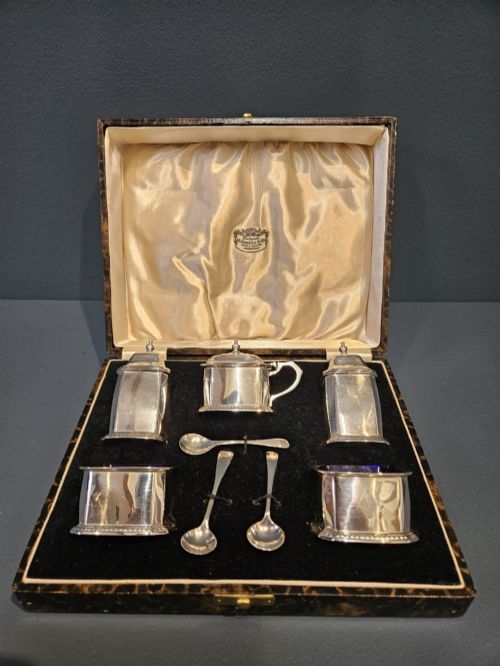
Glass table salts include open salt cellars, salt tubs, and structured cruet sets designed to sit upon dining tables during meals. These items appear across multiple eras, ranging from Georgian and Victorian designs to Edwardian and Art Deco pieces.
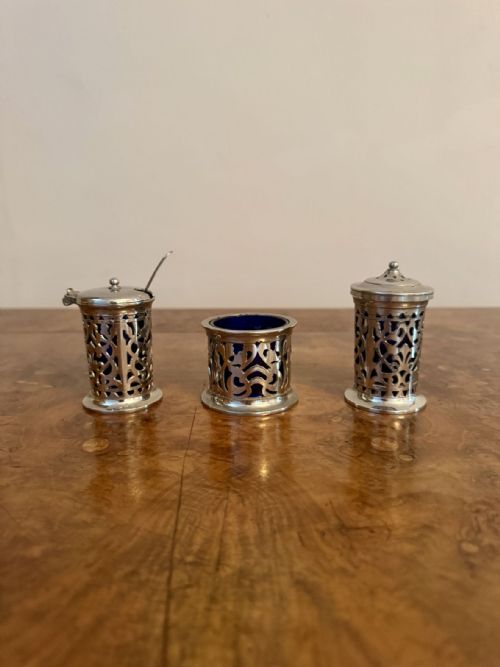
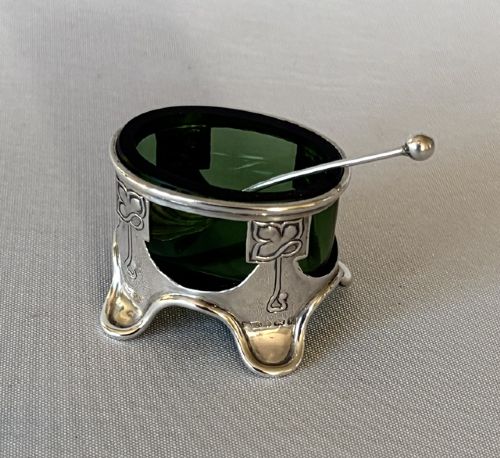
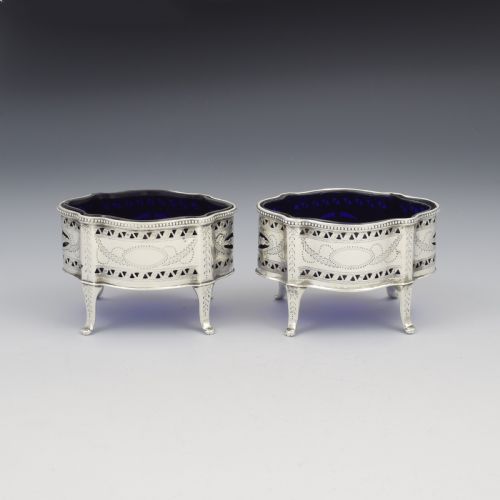
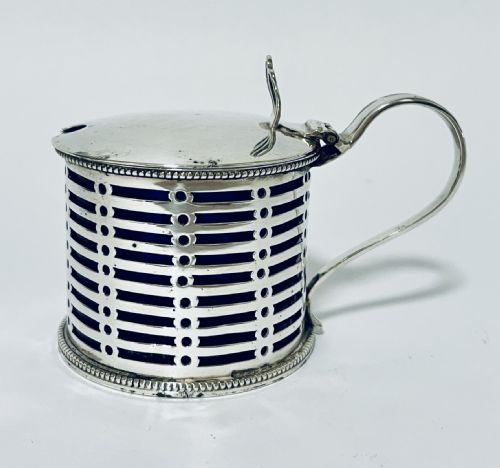
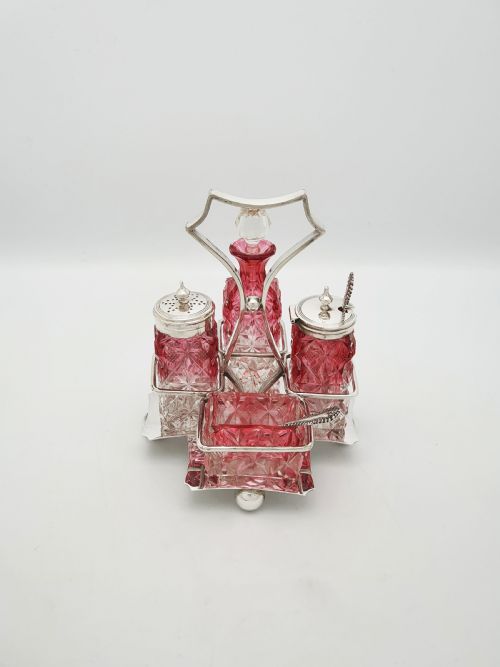
Buyers most frequently encounter open salt cellars paired with contrasting glass liners in cobalt blue, green, or cranberry flashed cut glass. They often sit alongside matching mustard pots, pepper shakers, and larger condiment stands within fitted frames.
How they were made
Manufacturers combined heavy moulded or cut glass bowls with structural mounts in sterling silver, silver plate, and occasionally oak. Coloured glass varieties utilised metal oxides during production to achieve distinct cobalt blue, emerald green, and cranberry hues.
Silversmiths constructed mounts using techniques such as piercing, casting, and repoussé, securing glass inserts inside boat-shaped, serpentine, or cylindrical silver frames.
Glass Table Salts Retail Price Guide 2026
Typical asking prices for glass table salts among the pieces listed under this phrase on Sellingantiques today, from the lower quarter to the upper quarter. They describe what is for sale here now, not the wider market.
What varies in quality
Quality rests upon the crispness of the glass cutting, the thickness of the silver or silver plate, and the presence of matching original liners. Pieces featuring hallmarks from recognised makers or solid sterling silver mounts rather than plated alternatives hold greater distinction.
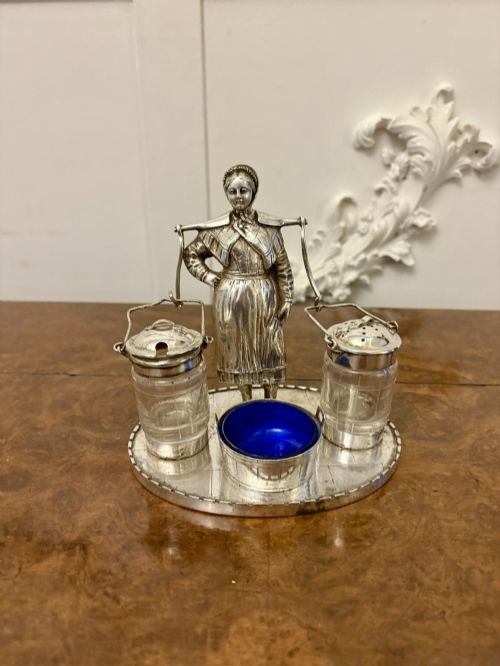
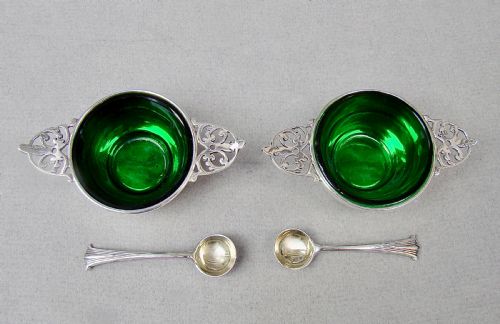
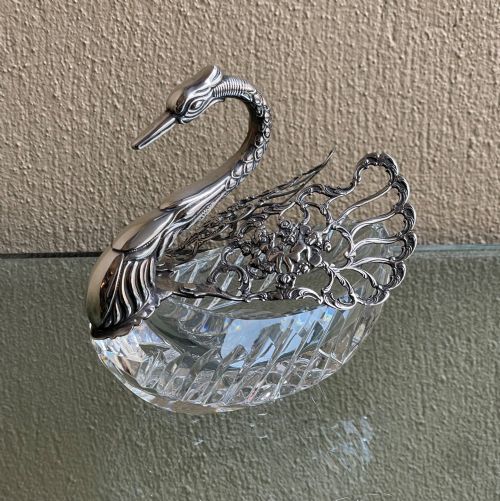
Design complexity also separates standard items from superior examples, such as novelty salt cellars shaped like quaichs or animal figures, alongside multi-bottle cruet frames with complete matching glassware.
Josiah Williams & Co·William Hutton & Sons·S Morden & Co
The Glass Table Salts Glossary
- Salt cellar
- A small open vessel placed on the dining table to hold individual portions of salt. They often accommodate removable glass liners.
- Cruet set
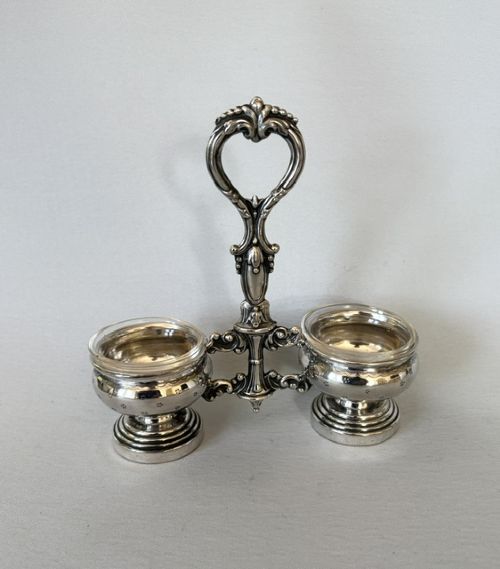
- A matched collection of bottles, jars, or cellars mounted in a metal stand for condiments. These frames frequently include handles for table service.
- Cobalt glass
- A deep blue glass coloured by the addition of cobalt oxide during the melting process. This material provides high contrast inside pierced silver mounts.
- Cranberry flashed
- Glass coated with a thin outer layer of red or pink glass over a clear core before being cut. This technique creates a two-tone decorative effect.
- Open salt
- A salt cellar without an attached lid designed for use with a small salt spoon. Guests dipped their spoon directly into the open bowl.
Glass Table Salts: Frequently Asked Questions
How were glass table salts used?
Dinners relied on individual salt cellars placed beside each setting before salt shakers became common practice. Guests used miniature spoons to take salt from the open glass bowl.
Larger cruet sets held multiple bottles and cellars together in a central stand. Servants or diners passed these stands along the table to access various seasonings.
How do I clean antique silver mounts?
Clean silver mounts gently using a specialist microfibre cloth and mild silver polish to avoid damaging adjacent glass surfaces. Prevent polish from settling in crevices or coming into direct contact with coloured glass liners.
Wash glass liners separately in warm soapy water using a soft cloth. Dry them thoroughly before reinserting them into metal frames.
How can I tell Victorian salts apart from Edwardian ones?
Victorian salt cellars often feature heavier silver mounts with ornate pierced decoration, repoussé floral motifs, or robust silver plating. These pieces frequently date from the mid to late nineteenth century.
Edwardian examples tend to display lighter construction influenced by classical revivals, Art Nouveau curves, or cleaner geometric lines as styles shifted towards the twentieth century.
Can I use antique table salts daily?
Table salts function well for everyday dining provided they receive careful hand washing after use. Salt residue is corrosive to both silver and silver plate over extended periods.
Avoid placing antique glass and silver items in modern dishwashers. Gentle cleaning preserves the structural integrity of older mounts and delicate coloured glass.