





Glass Shop Counter Display
Glass shop counter display pieces are utilitarian retail furnishings designed to showcase merchandise, bringing period commercial history directly into domestic interiors.
Glass Shop Counter Display
A glass shop counter display functions as a vitrine or cabinet intended to present retail goods to customers. When searching for a glass shop counter display, buyers encounter a range of forms including countertop cases, large serving counters, and specialised haberdashery units.
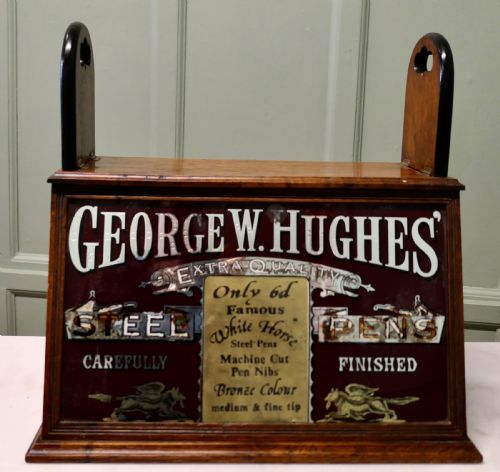
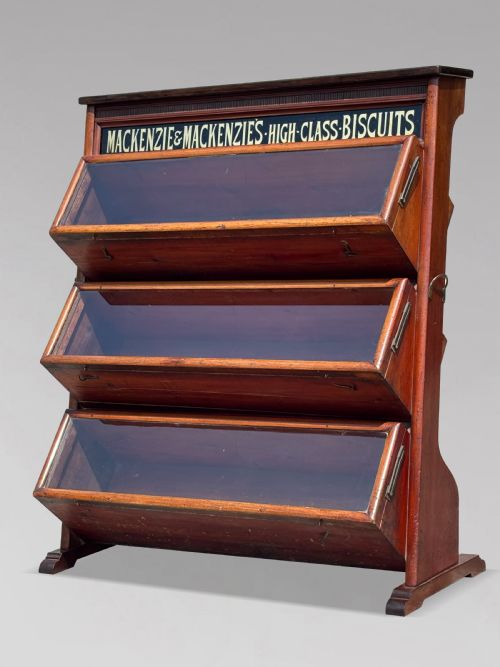
The pieces on this page span the Victorian and Edwardian eras through to the 1920s and 1930s. Commercial output from these decades encompasses both unbranded display cabinets and branded advertising pieces for soaps, chocolates, and biscuits.
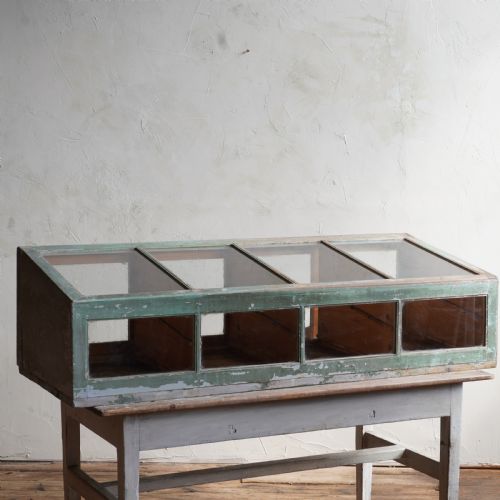
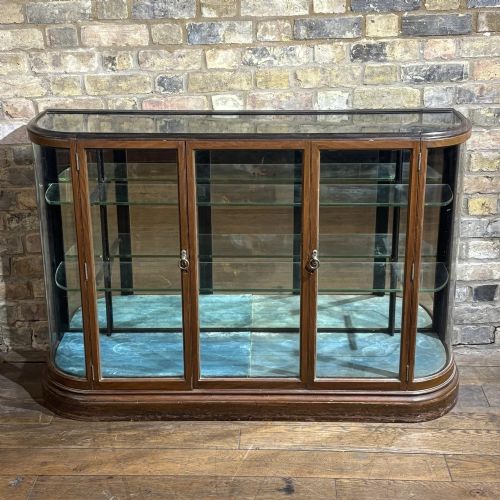
Originating in retail environments, these fixtures take the shape of table top cabinets, bow-end cases, and pentagonal counters. Oak and mahogany serve as the primary timber frames enclosing glazed viewing areas.
Materials and construction
Makers constructed these commercial units primarily using timber frames of mahogany, oak, or ebonized wood combined with transparent glass panes. Metal elements such as brass or chrome appear in later 1930s frames and mechanical dispensing mechanisms.
Interior surfaces often incorporate mirrored panels to reflect light through the displayed wares, alongside velvet linings in specific display cases. Distressed paint finishes or polished timber surfaces complete the exterior treatment of these retail counters.
Glass Shop Counter Display Retail Price Guide 2026
Typical asking prices for glass shop counter display among the pieces listed under this phrase on Sellingantiques today, from the lower quarter to the upper quarter. They describe what is for sale here now, not the wider market.
Soap and biscuits once sold faster when trapped behind glass with a mechanical lever.
Distinctions in craftsmanship and origin
Construction details such as mahogany framing, curved bow ends, and mirrored interiors demonstrate higher ambition in cabinet making than straightforward softwood or plain oak utility boxes.
F. Sage and Co·Dudley and Co·John Stow Ltd of Bradford·Saml. Elliott and Sons
The Glass Shop Counter Display Glossary
- Vitrine
- A glass display case used for exhibiting objects or merchandise. These units protect items from dust while maintaining visibility.
- Haberdashery cabinet
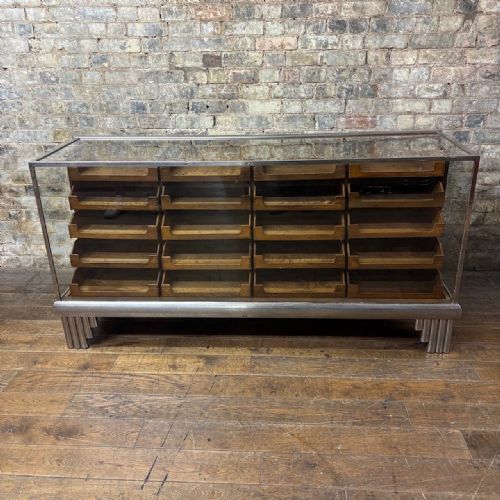
- A multi-drawer retail cabinet with glass fronts originally utilised for selling sewing cottons, ribbons, and small garments. They are prized for their compartmentalized storage.
- Dispensing cabinet
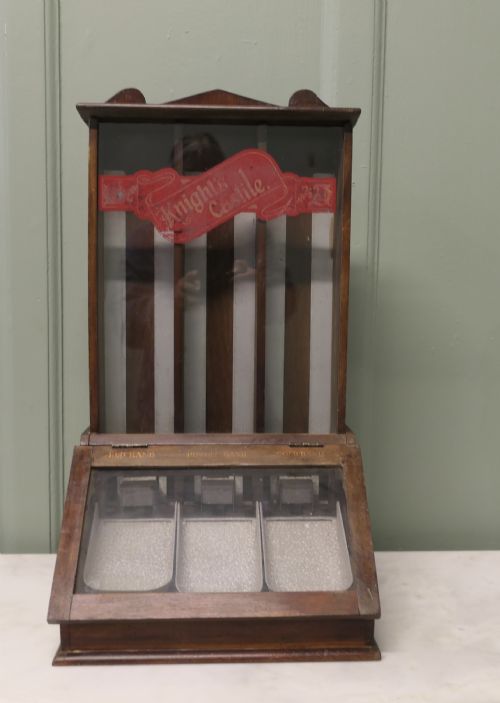
- A specialised commercial unit incorporating mechanical parts to deliver items like soap or confectionery directly to the customer. They often feature branded advertising facades.
- Countertop cabinet
- A smaller display case designed to sit upon a retail shop counter rather than standing independently on the floor. These bring merchandise to eye level for the purchasing public.
Glass Shop Counter Display: Frequently Asked Questions
What items go inside these display counters?
Original retail contents included chocolates, biscuits, soap, stationery, and sewing cottons. Contemporary owners utilise them to exhibit collections of small antiques, ceramics, and curiosities.
The glass panes and internal shelving provide dust-free protection while keeping the objects fully visible from the exterior.
How do I identify a 1930s counter?
Pieces from the 1930s often incorporate modern materials such as aluminium frames alongside oak and chrome. Art Deco influences appear in the geometric lines and distinct styling of these later commercial units.
Earlier Victorian and Edwardian examples lean heavily toward traditional mahogany and oak joinery with more ornate timber mouldings.
Where were these counters used originally?
Merchants placed these glass fixtures upon shop counters or positioned them on the sales floor of chemists, grocers, and drapers. They encouraged impulse purchases by placing products directly in front of waiting customers.
Branded examples served to advertise specific commercial goods such as Fry's chocolate or Knight's Castile soap.
Are these cases suitable for modern homes?
Countertop cabinets and small display cases adapt well to modern domestic spaces as tabletop units or standalone surfaces. Their glazed sides allow light to pass through while organising collections effectively.
Larger serving counters function as kitchen islands or sideboard surfaces within residential interiors.