




Glass Pepper Caster
A glass pepper caster brings bright sparkle and formal charm to a dining table.
Glass Pepper Caster
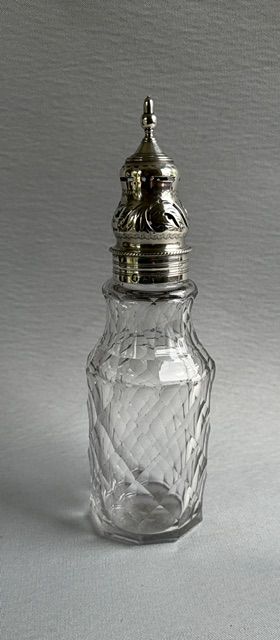
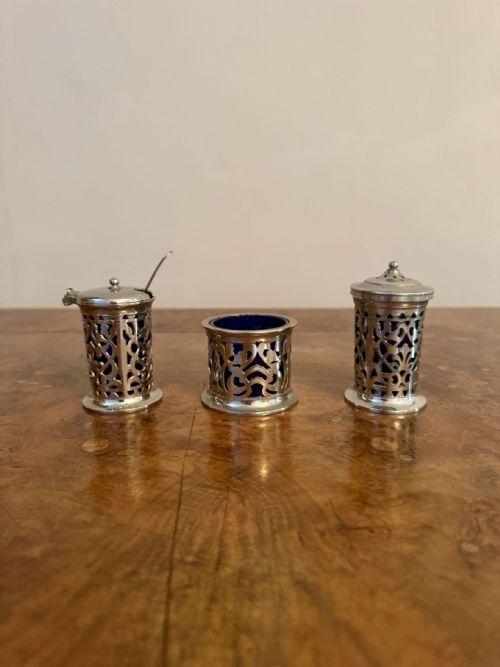
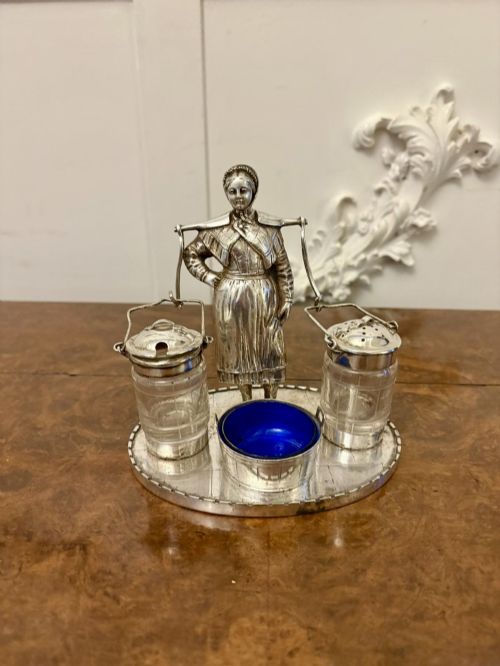
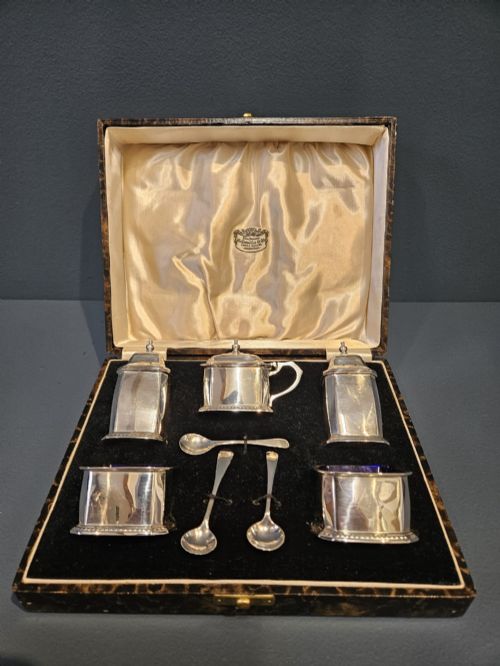
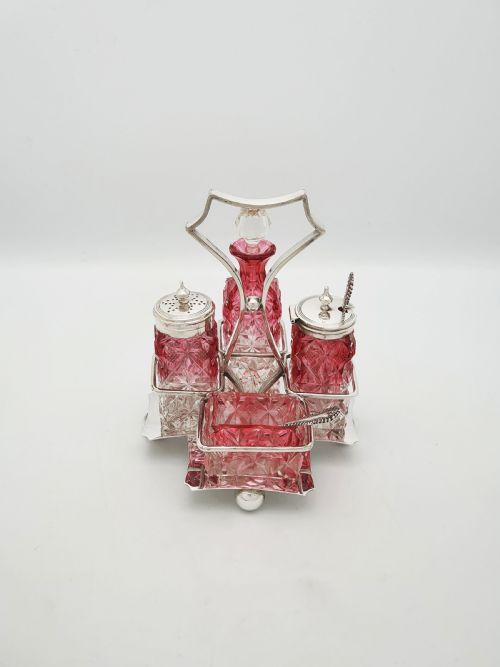
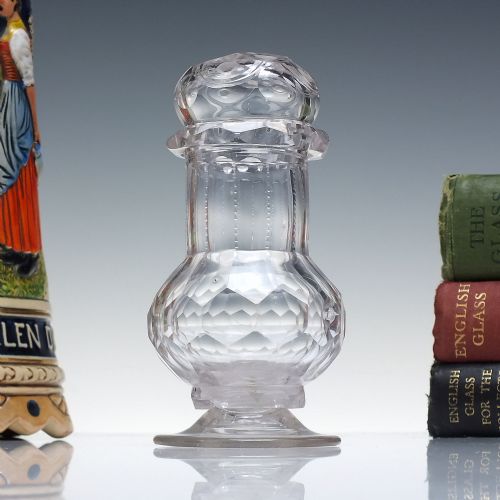
A glass pepper caster is a tabletop vessel designed for dispensing ground pepper through a pierced metal or glass lid. When you search for glass pepper caster, you encounter individual pepper pots alongside larger cruet sets, condiment sets, and sugar casters.
The pieces on this page span the Georgian, Victorian, and Edwardian eras up to the mid-twentieth century. Most examples you meet combine clear or coloured glass bodies with silver plate or sterling silver mounts.
Materials and construction
Makers utilised heavy cut glass and pressed glass for the bodies, sometimes applying cranberry flash or cobalt blue colouration. These glass reservoirs were then fitted with pierced screw-on or push-fit tops made from sterling silver, silver plate, or pewter.
Glass Pepper Caster Retail Price Guide 2026
Typical asking prices for glass pepper caster among the pieces listed under this phrase on Sellingantiques today, from the lower quarter to the upper quarter. They describe what is for sale here now, not the wider market.
Nineteenth-century makers turned everyday dining into a menagerie by shaping pepper pots into wide-eyed owls and loyal dogs.
Factors of distinction
Quality rests in the crispness of the glass cutting and the weight of the metal mounts. Thick, resonant cut glass paired with substantial solid silver or heavy plate indicates superior workshop output.
Design complexity also separates standard condiment pieces from exceptional items. Novelty shapes, complete matched sets, and crisply pierced lids demonstrate finer craftsmanship than plain utilitarian equivalents.
Goldsmith & Silversmith's·Mappin Brothers·Walker & Hall·Charles Thomas Fox
The Glass Pepper Caster Glossary
- Cruet set
- A matched collection of bottles and shakers held in a metal or wooden frame for the dining table. These sets typically house oil, vinegar, mustard, and pepper.
- Cranberry flashed
- A technique where a thin layer of rich red glass is fused over a clear glass body before being cut away to reveal patterns. This dual-layer method creates strong contrast.
- Pepperette
- A small shaker specifically designed for dispensing ground pepper. The term often applies to novelty or smaller Victorian and Edwardian examples.
- Silver plate
- A base metal, usually copper or Britannia metal, coated with a thin layer of silver through electroplating or older fusion methods. This provided the appearance of solid silver at a lower cost.
- Condiment set
- A group of open salts, mustard pots, and pepper shakers intended for individual or shared use during a meal.
Glass Pepper Caster: Frequently Asked Questions
What is a glass pepper caster?
A glass pepper caster is a small container with a perforated top used for sprinkling ground pepper onto food. They are often found either as standalone vessels or housed within larger table cruet sets.
These pieces combine functional glassware with decorative metal tops, serving as both dining utensils and decorative table ornaments across various historic periods.
How do I date a glass pepper caster?
Dating relies on examining the style of the glass cutting, the shape of the metal mounts, and any accompanying hallmarks or registration marks. Georgian pieces often show heavier, simpler hand-cut facets, while Victorian and Edwardian examples frequently feature more elaborate ornamentation or silver plate.
Maker marks and silver hallmarks stamped on the metal lids or collars provide precise years and locations of manufacture for many pieces.
How were cruet sets used?
Cruet sets held liquid and dry seasonings within easy reach of diners at the formal dining table. Servants or hosts placed them centrally so guests could season food to taste.
Over time, these sets evolved from large multi-bottle Georgian frames to smaller Edwardian and bachelor formats designed for more intimate dining.
How should I clean antique silver and glass?
Glass bodies benefit from warm soapy water and a soft brush to remove dust from cut facets. Metal mounts and silver tops require gentle polishing with a non-abrasive cloth to preserve the finish.
Harsh chemical dips should be avoided, particularly near older glass or glued joints, to prevent permanent damage to the materials.