

Glass Hall Pendant
A glass hall pendant casts a warm, welcoming light through an entranceway, turning a narrow corridor into a proper room.
Glass Hall Pendant
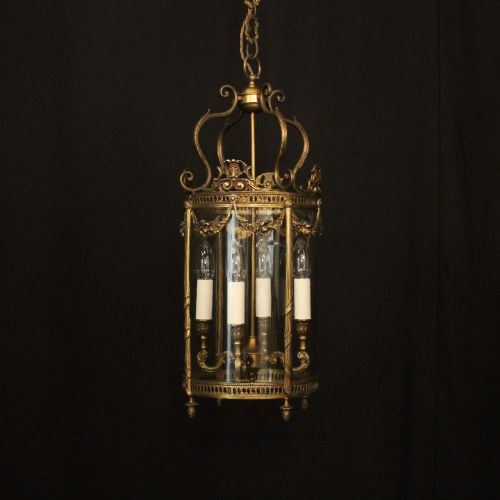
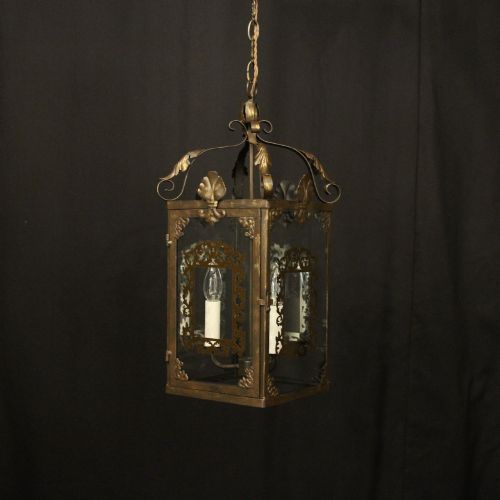
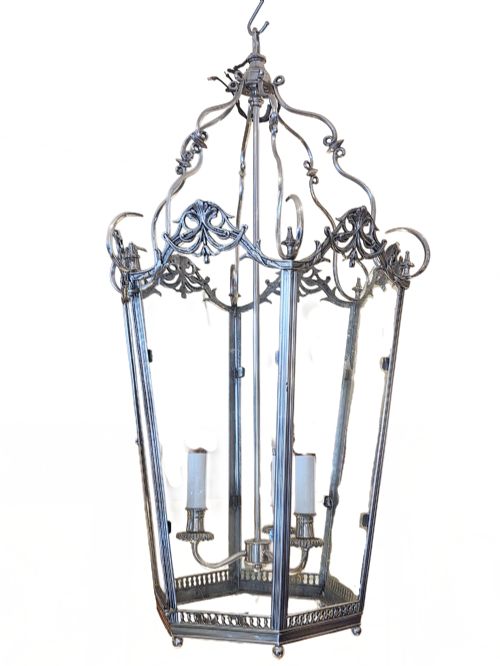
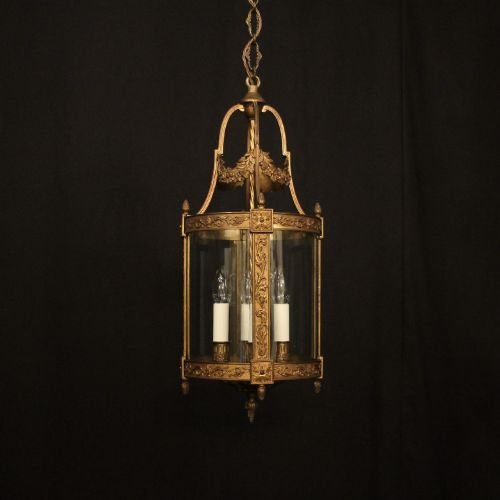
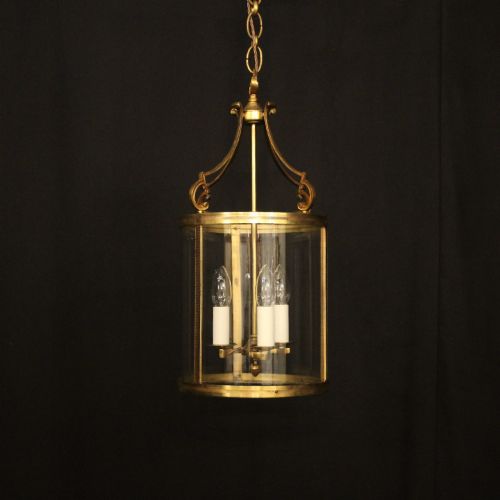
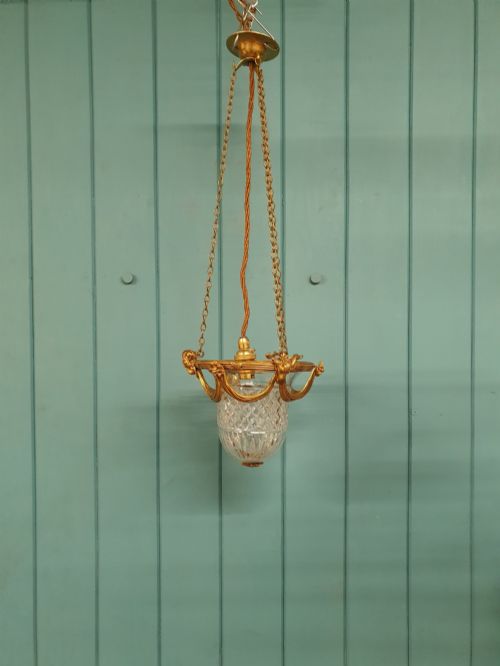
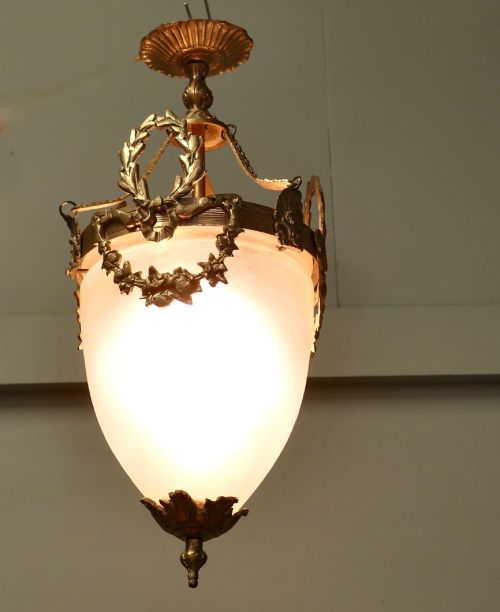
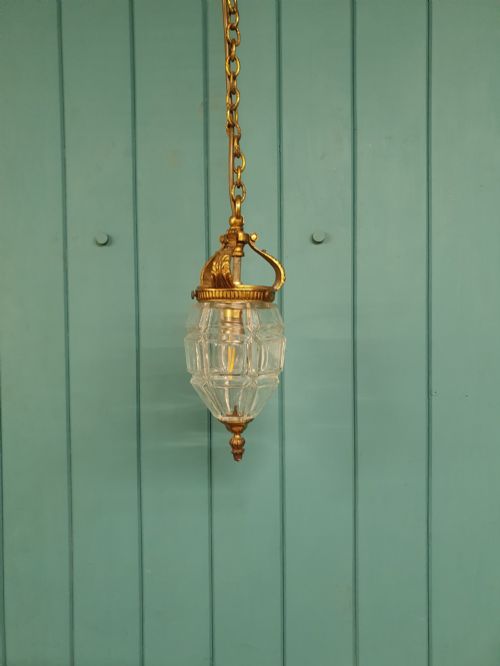
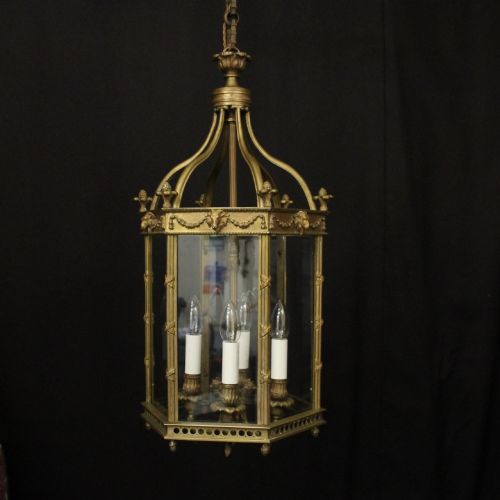
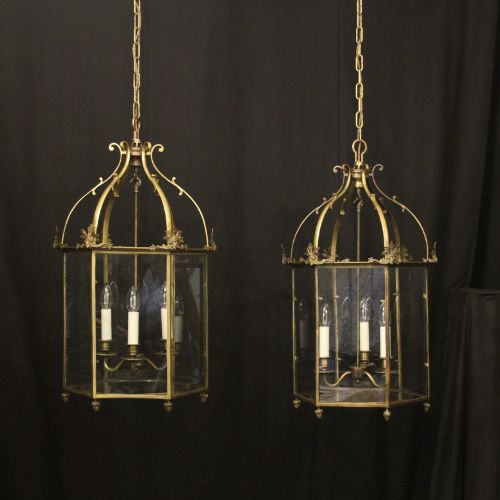
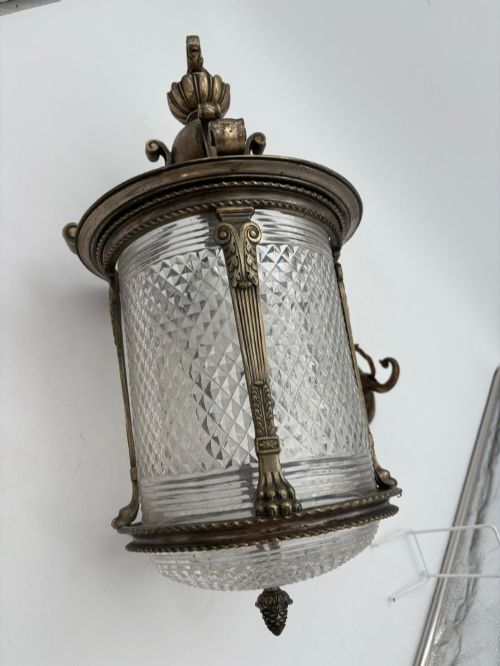
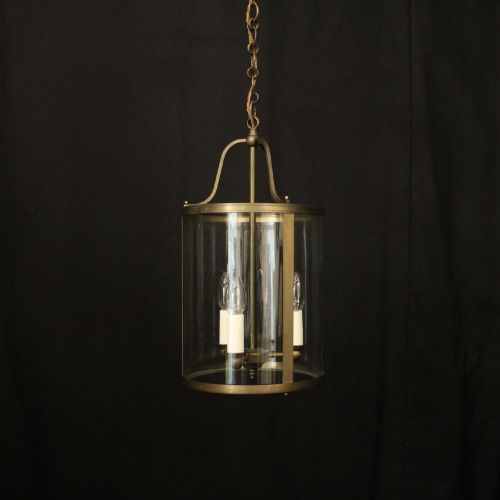
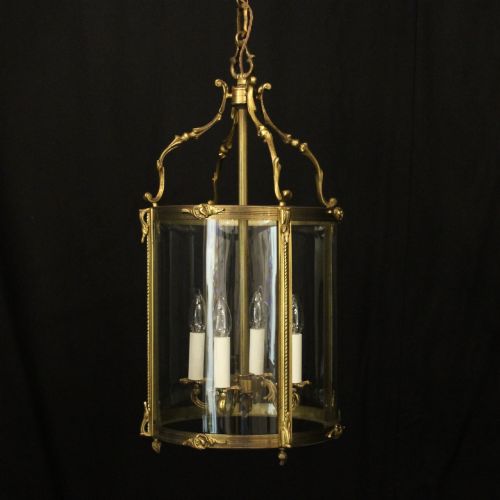
A glass hall pendant provides functional overhead illumination for corridors, vestibules, and entranceways, drawing the eye upward with its hanging form. These fixtures appear primarily as lanterns and ceiling lights originating across the nineteenth and early twentieth centuries.
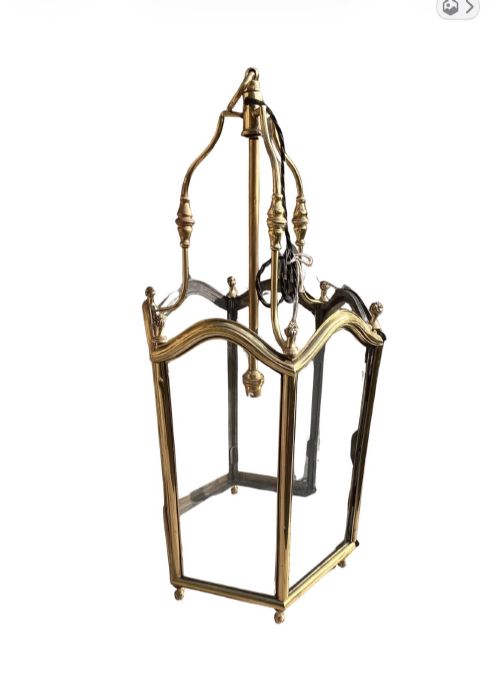
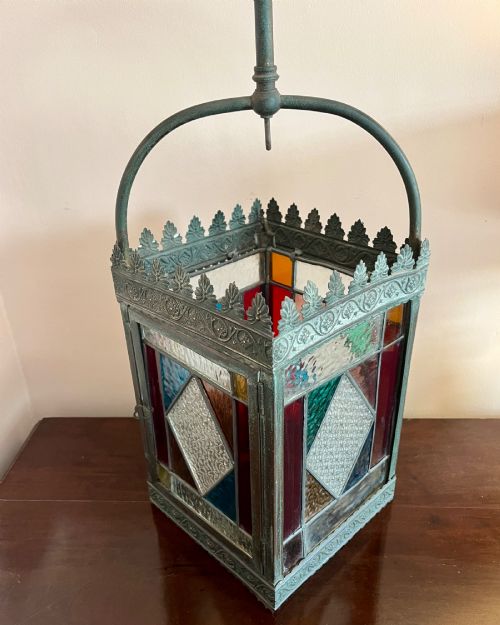
French examples dominate the selection, frequently taking the form of gilded bronze or brass frames fitted with convex glass panels. English pieces run from simple Edwardian brass lanterns to robust Victorian leaded glass designs.
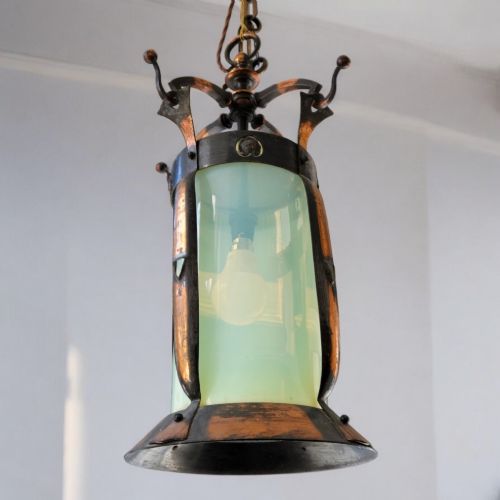
Early twentieth-century variations include Arts and Crafts brass fixtures and distinctive moonstone or bullseye glass creations. Buyers encounter everything from compact hexagonal shapes to substantial multi-light chandeliers designed for high ceilings.
Materials and Technique
Frames rely on cast or sheet brass, gilt bronze, and wrought iron to provide structural integrity for the hanging glass panels. Metalwork is frequently gilded or left with a natural aged finish.
Glass elements include plain panes, etched designs, leaded sections, and heavy hand-blown bullseye or convex formations. These components are secured within metal cages or frames featuring hinged doors for bulb access.
Glass Hall Pendant Retail Price Guide 2026
Typical asking prices for glass hall pendant among the pieces listed under this phrase on Sellingantiques today, from the lower quarter to the upper quarter. They describe what is for sale here now, not the wider market.
Some lanterns feature tiny hinged doors originally designed so servants could relight candles without dismantling the entire fixture.
Assessing Quality
The distinction between ordinary and superior pieces rests on the weight of the metal casting and the clarity of the glass. Heavier bronze or brass frames with crisp chasing and secure corner joints represent the upper tier of manufacture.
Glazing execution further separates the output, with hand-blown convex or bullseye panes commanding greater attention than flat, machine-cut glass. Original gilding and integrated matching suspension chains indicate a higher standard of survival.
The Glass Hall Pendant Glossary
- Convex glass
- Curved glass panels that project outward to diffuse light across a wider angle. They require specialist blowing techniques to achieve an even arc.
- Gilt bronze
- An alloy of copper and tin coated with a thin layer of gold. It provides a rich surface that resists tarnishing over decades.
- Leaded glass
- Individual pieces of glass joined together by lead cames to form geometric or decorative patterns. This technique is common in Victorian and Edwardian examples.
- Moonstone glass
- An opalescent glass type that softens and diffuses bulb glare. It creates a milky, glowing appearance when illuminated.
Glass Hall Pendant: Frequently Asked Questions
Where should I hang a glass hall pendant?
These fixtures suit entrance halls, corridors, and high-ceilinged landings where overhead illumination is required. They create an immediate visual focal point upon entering a property.
Ensure adequate clearance beneath the lowest point of the pendant for foot traffic and door swings.
How do I clean an antique glass lantern?
Remove dust with a soft, dry cloth before wiping the glass panels with a mild glass cleaner applied to a rag rather than sprayed directly. This prevents moisture from seeping into old metal frames or electrical fittings.
Take care around aged gilt surfaces to avoid rubbing away the remaining metallic finish.
Are these lights ready for modern wiring?
Most antique pendants require rewiring to meet contemporary safety standards before installation. A qualified electrician can easily update the internal lampholders and wiring while preserving the historic exterior.
Check the fixture's weight capacity to ensure your ceiling joists can support heavy bronze or brass frames.
How do I date a brass hall lantern?
Dating relies on combining the fastener types, metal thickness, and stylistic cues such as Arts and Crafts motifs or French Rococo revival scrolling. Edwardian and Victorian pieces often display distinct construction methods compared to 1930s alternatives.
Examining the glass type and suspension loop provides further clues to the manufacturing decade.