





Glass Globe Table Lamp
A glass globe table lamp brings functional warmth and period character to a room, ranging from ornate Victorian brass designs to streamlined Art Deco figures.
Glass Globe Table Lamp
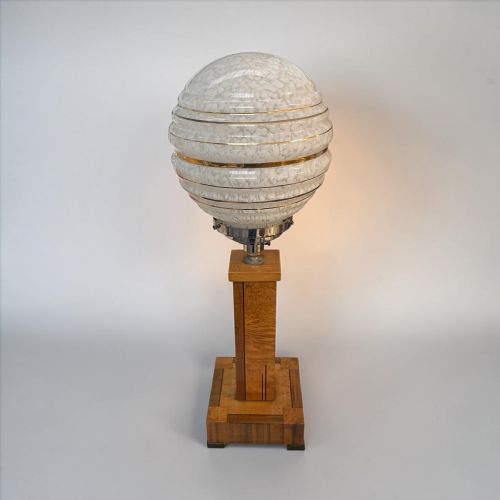
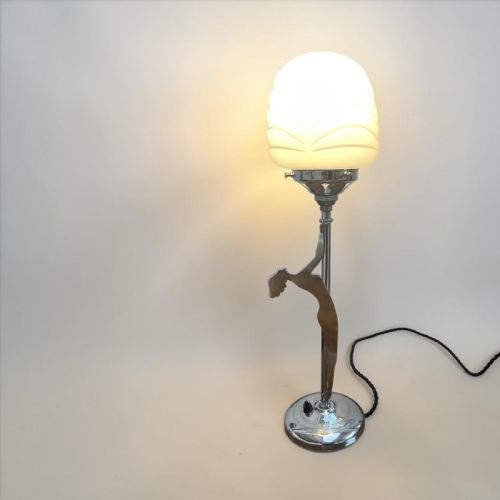
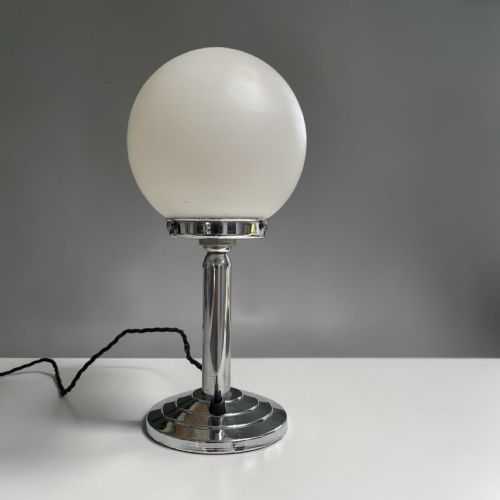
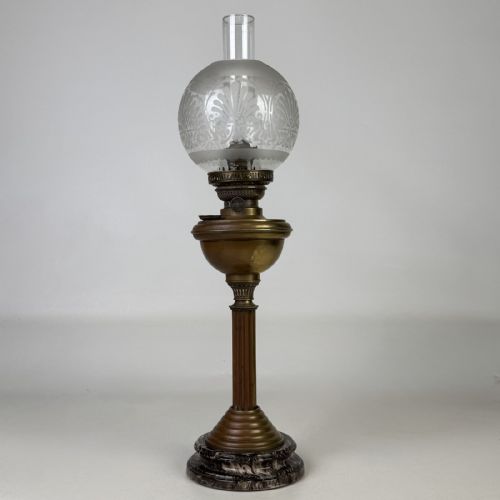
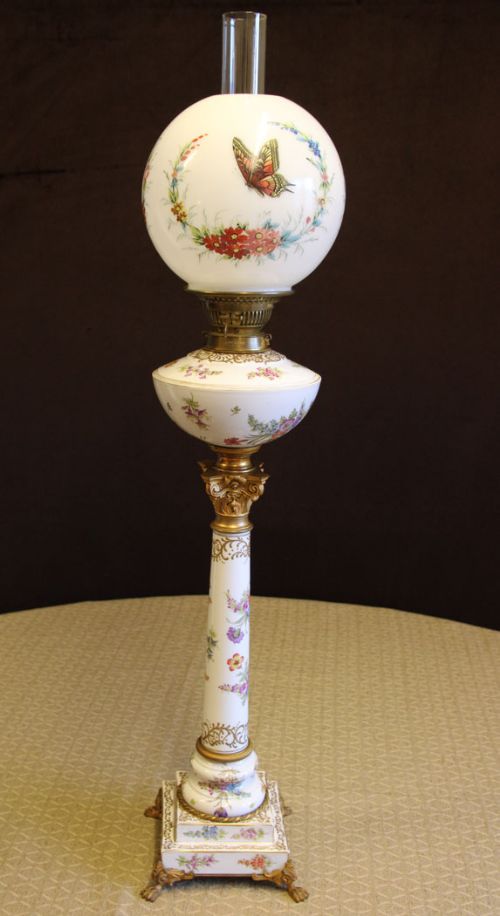
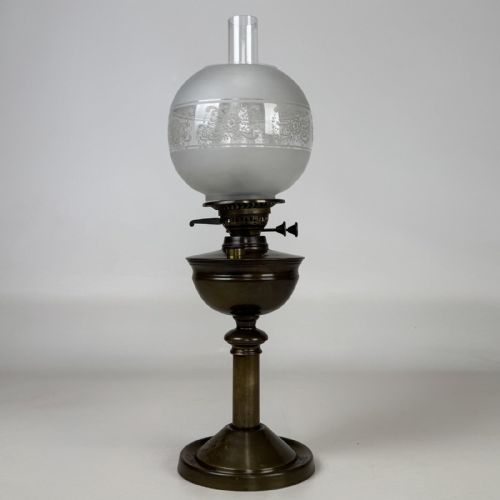
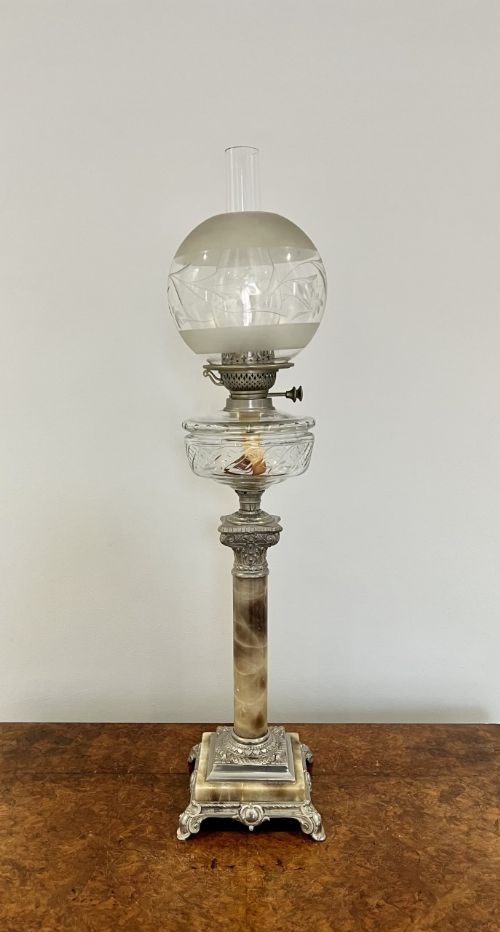
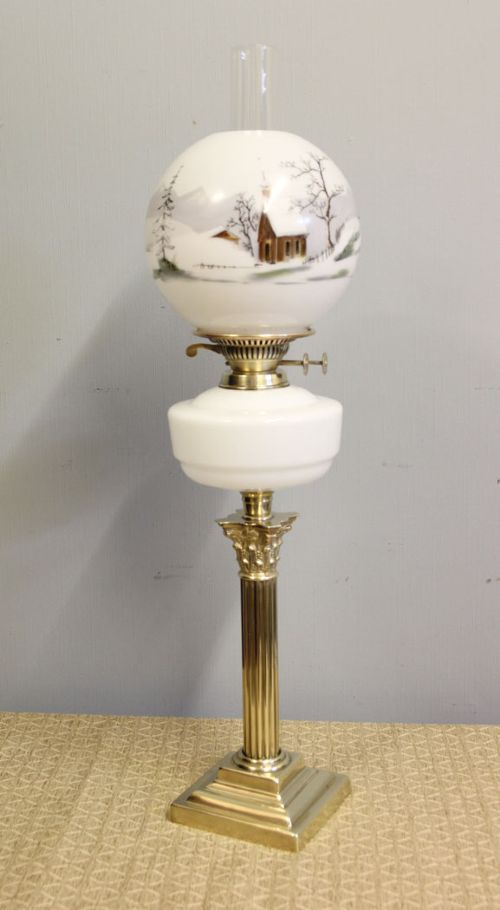
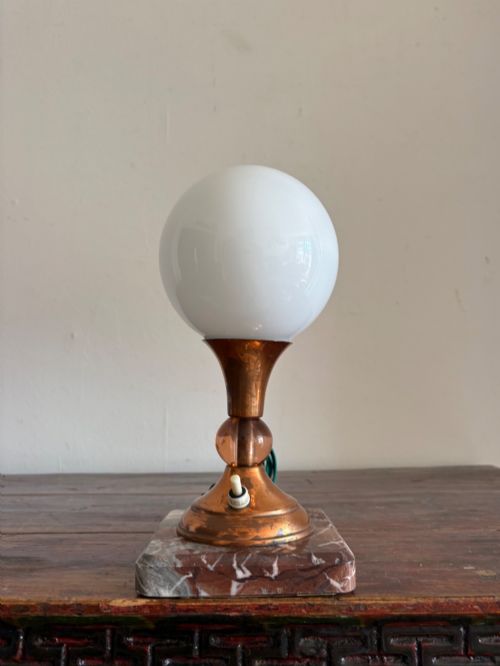
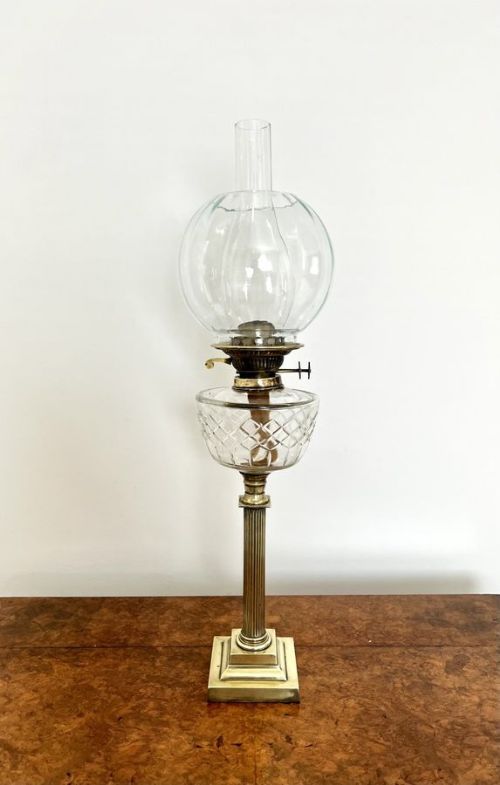
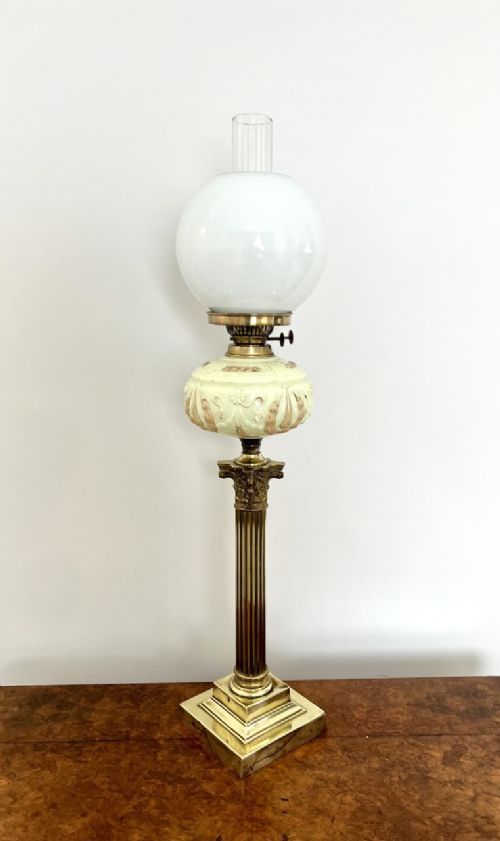
When searching for a glass globe table lamp, collectors encounter a diverse array of lighting forms that span the Victorian, Edwardian, and Art Deco eras. The selection on this page relies heavily on converted oil lamps with glass shades alongside dedicated electric table lamps from the early twentieth century.
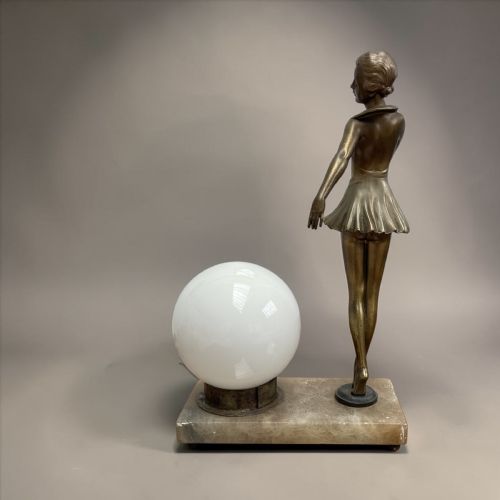
Victorian and Edwardian examples frequently pair heavy brass or marble bases with frosted, opaline, or etched glass fonts and shades. Later pieces from the 1920s, 1930s, and 1940s introduce spelter figures, marble plinths, chrome, and bakelite in distinct Art Deco styles.
The materials reflect their original utilitarian or decorative purposes, shifting from robust nineteenth-century brass columns to stylized figurative sculptures holding globe-like or spherical lighting elements. Buyers meet both British and French origins across these periods.
Materials and construction methods
Makers utilised a combination of cast brass, spelter, and marble for the structural foundations of these lamps, ensuring sufficient weight to support the upper fittings. Metal casting and turning created the rigid columns and decorative bases characteristic of Victorian and Edwardian manufacturing.
The glass components, including fonts, opaline shades, and etched globes, required skilled glassblowing and moulding techniques. Artisans applied acid-etching or frosted finishes to diffuse light evenly through the spherical and bell-shaped shades.
Glass Globe Table Lamp Retail Price Guide 2026
Typical asking prices for glass globe table lamp among the pieces listed under this phrase on Sellingantiques today, from the lower quarter to the upper quarter. They describe what is for sale here now, not the wider market.
Some Art Deco lamps feature athletes and figures balancing balls, bringing an unexpectedly athletic energy to your bedside table.
Judging quality and execution
Quality rests in the crispness of the metal casting and the weight of the base materials, such as solid brass or genuine marble rather than lighter alloys. Superior figural lamps display refined detailing in the spelter or bronze work, particularly on Art Deco lady and athletic figures.
The integrity and originality of the glass shade heavily influence the piece, with intact hand-etched patterns or undamaged opaline and frosted surfaces representing superior preservation. The harmony between the original metal components and the glass vessel dictates the overall cohesion of the lamp.
Hinks of Birmingham·Messengers·Harrods
The Glass Globe Table Lamp Glossary
- Spelter
- A zinc-based alloy frequently cast to imitate bronze in figural sculptures. It provides a durable base for patination and metallic finishes on twentieth-century lamps.
- Opaline glass
- An opaque or semi-translucent glass that varies in colour, often used for softening light output in Victorian and Edwardian lighting. It gives shades a milky appearance when unlit.
- Font
- The reservoir portion of an oil lamp that held the fuel beneath the burner. In many surviving antique examples, this section is formed from coloured or clear glass.
- Corinthian column
- An architectural order featuring an ornate, leaf-decorated capital used as a decorative motif on the brass stems of nineteenth-century oil lamps. This classical styling remained popular throughout the Victorian period.
Glass Globe Table Lamp: Frequently Asked Questions
How do I date a glass globe table lamp?
Dating relies on identifying stylistic markers such as the heavy brass columns and floral etched shades typical of the Victorian era. Later pieces display the geometric lines, spelter figures, and chrome materials associated with 1920s and 1930s Art Deco.
Examining the construction methods of the base and the type of glass used also helps distinguish nineteenth-century oil lamp conversions from mid-century electric designs.
Were these lamps originally electrified?
Many of the earlier examples on this page began as oil lamps featuring brass burners and glass fonts. These pieces were subsequently converted for modern electrical use while retaining their original aesthetic components.
Dedicated electric mood lamps and figural sculptures from the Art Deco period were manufactured specifically for electrical illumination from the outset.
How should I clean an antique glass shade?
Cleaning requires removing the glass component from the base and washing it gently in warm water with mild soap. Harsh chemical cleaners must be avoided, especially on frosted, etched, or painted surfaces where the finish is delicate.
Metal bases should be dusted with a dry cloth to preserve any existing patina rather than polished aggressively.
What is an opaline glass shade?
Opaline glass is a type of translucent white or tinted glass designed to diffuse light softly without harsh glare. It became widely popular during the Victorian and Edwardian periods for oil lamp shades and gaseliers.
The density of the glass obscures the interior bulb or burner while casting an even glow across the room.