


Glass Front Shop Display
These pieces of glass front shop display bring commercial history into a room, offering practical storage through glazed panels and fitted drawers.
Glass Front Shop Display
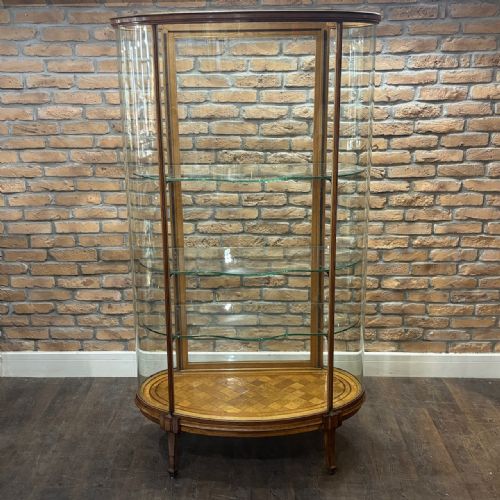
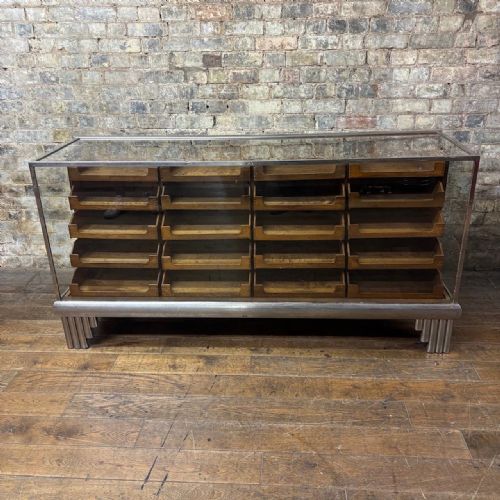
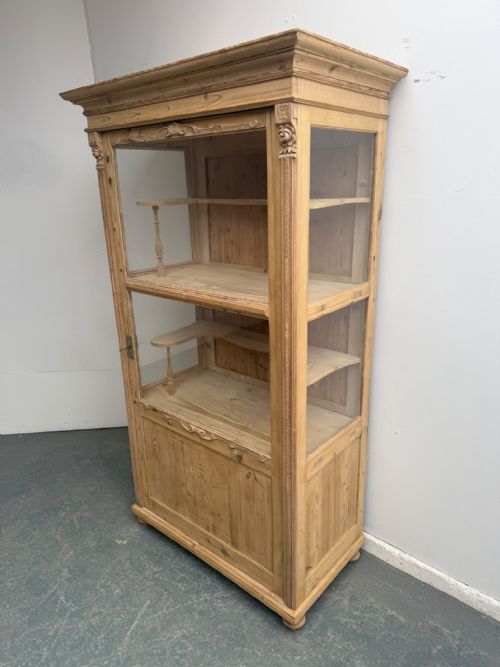
When you search for glass front shop display, you encounter utilitarian furniture designed to showcase merchandise in nineteenth and twentieth-century commercial spaces. These items span display cabinets, haberdashery counters, shop signs, and wall hanging display cases originating from the Victorian, Edwardian, and Art Deco eras.
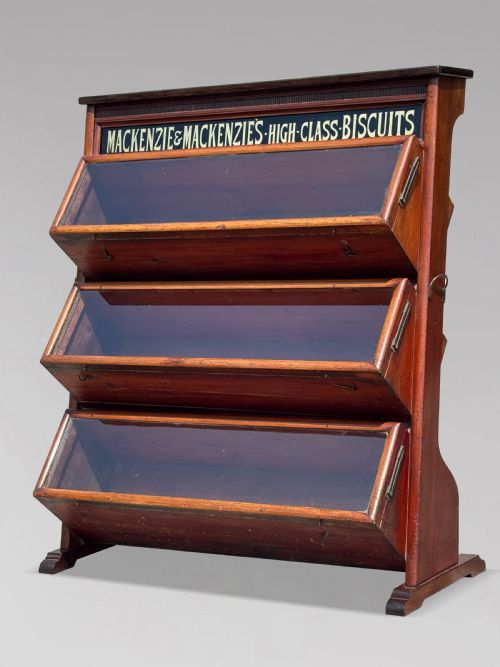
The most common examples on this page are timber cabinets and counters with glazed fronts, alongside specialised sewing cotton cases and branded wall displays. They bridge the gap between retail history and domestic storage, utilising glass panels to protect contents while maintaining visibility.
Materials and construction
Makers constructed these commercial fixtures using durable hardwoods like mahogany and oak, alongside pine, ebonised wood, and occasionally chrome or brass mounts. Glass forms the primary viewing panels for the fronts and doors, framing the contents for customer inspection.
Joinery methods prioritized durability for daily retail use, integrating drawers, fabric linings, and fitted compartments within counters and cabinets. Painted wooden frames and sign-written lettering completed the commercial branding on specific trade signs and display cases.
Several cabinets retain surviving perfume brand names and sewing cotton logos, preserving the exact retail smells and habits of past high streets.
Understanding quality in commercial displays
Quality rests on the integrity of the timber, the clarity and originality of the glass panels, and the retention of working hardware such as drawers and brass mounts. Finer examples retain original maker signatures, brass plaques, or authentic brand sign-writing rather than later restorations.
The sophistication of the joinery distinguishes standard utility counters from refined display cabinets, particularly in bow-fronted designs and ebonised finishes. Superior pieces maintain their original structural configuration without heavy alterations from their retail origins.
F. Sage & Co·Dudley & Co·Mackenzie's·Ermen & Roby
The Glass Front Shop Display Glossary
- Haberdashery counter
- A shop counter traditionally fitted with multiple shallow drawers and glass fronts to display small sewing items and accessories. These pieces provide organised storage with immediate visual access.
- Ebonised wood
- Timber treated with a dark stain or chemical process to imitate ebony. This finish appears frequently on nineteenth and early twentieth-century display pieces.
- Bow front
- A convex, curved cabinet front that projects outward from the frame. This design offers wider viewing angles for merchandise.
- Trade sign
- A painted board or glass panel utilised by businesses to advertise goods or services. They employ original wooden framing and period lettering.
Glass Front Shop Display: Frequently Asked Questions
What were glass front shop display cabinets used for?
These cabinets served in nineteenth and twentieth-century shops to merchandise goods securely while allowing customers a clear view of the stock inside. Merchants utilised them on counters or against walls for items ranging from biscuits to sewing cottons and perfume.
Over time, many of these commercial fixtures transitioned into domestic settings, where collectors employ them to exhibit collections behind protective glass panels.
Are haberdashery counters suitable for modern homes?
Haberdashery counters fit well in modern interiors due to their practical combination of display glass and multiple shallow drawers. They offer functional storage for clothing, tableware, or collections while serving as a central room feature.
The shallow drawers were originally designed for small items like ribbons and threads, which translates effectively to organising modern accessories.
How do I care for antique display wood and glass?
Maintenance involves dusting the wooden frames with a dry cloth and cleaning the glazed panels with standard glass cleaner applied to a cloth rather than the wood. Maintaining stable room humidity prevents the timber from warping and protects original finishes.
Avoid placing these cabinets in direct sunlight to protect interior fabrics and painted trade signs from fading over time.