





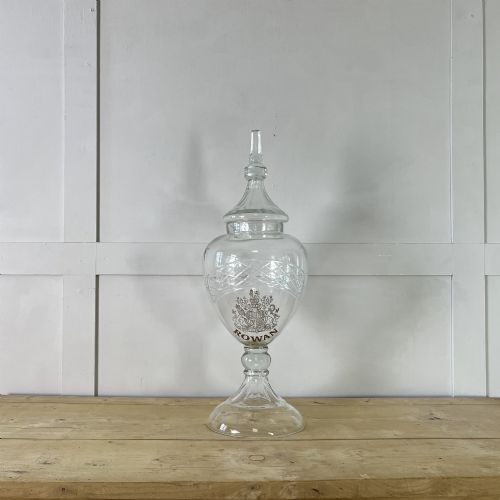


Glass Display Jars
Glass display jars bring clarity and protection to treasured specimens, botanical arrangements and pharmacy supplies.
Glass Display Jars
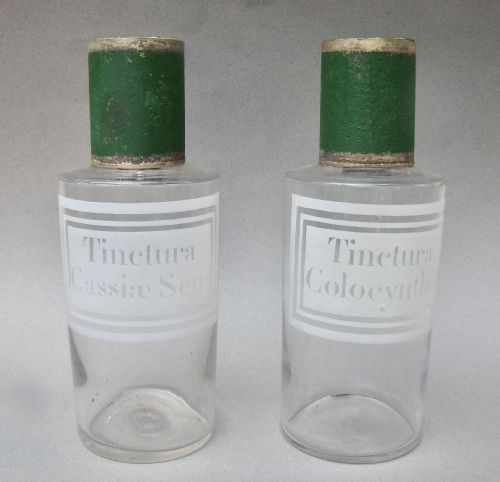
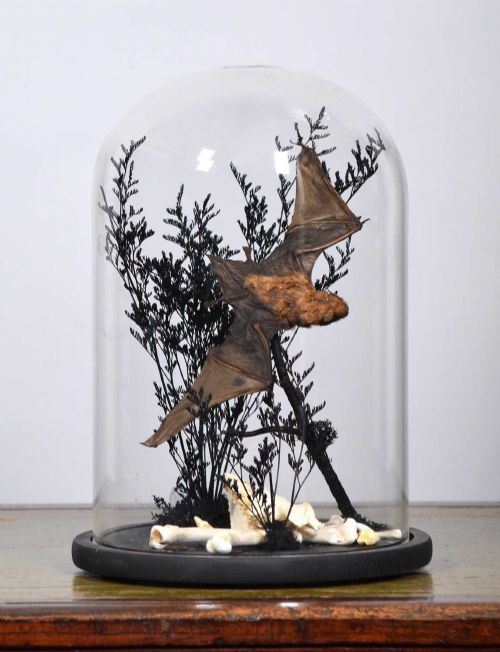
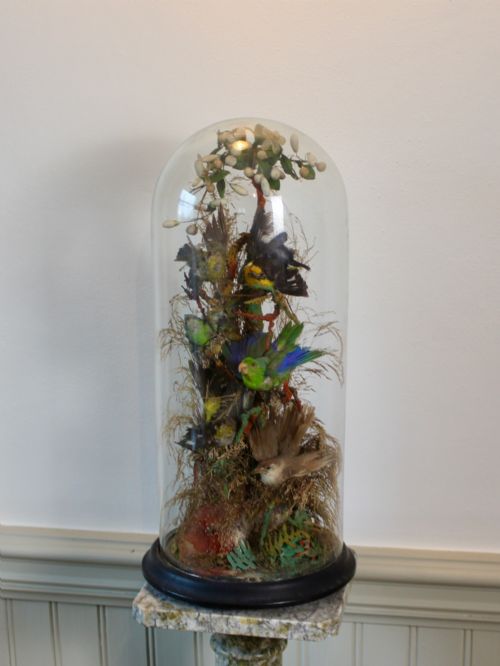
Glass display jars encompass a range of protective enclosures, apothecary vessels and chemist bottles found in Victorian and Edwardian interiors. These pieces typically serve to shield delicate taxidermy, still-life compositions and botanical specimens from dust while permitting full visibility.
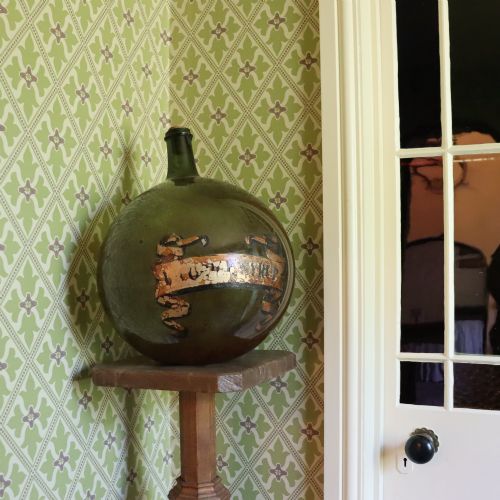
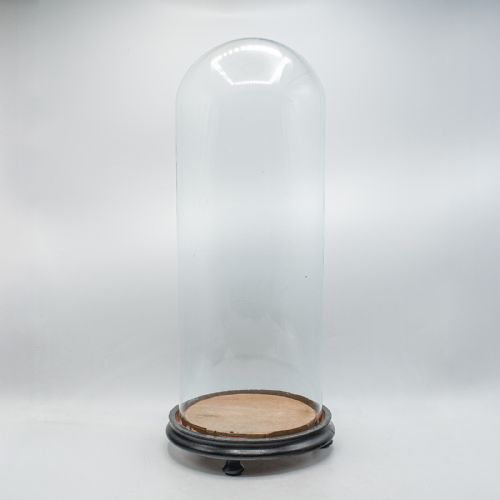
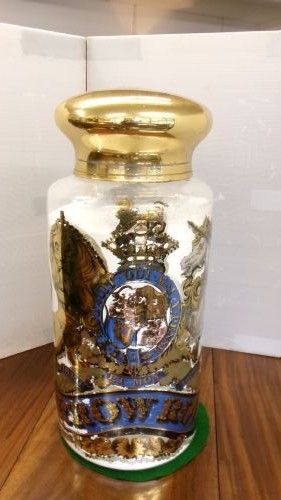
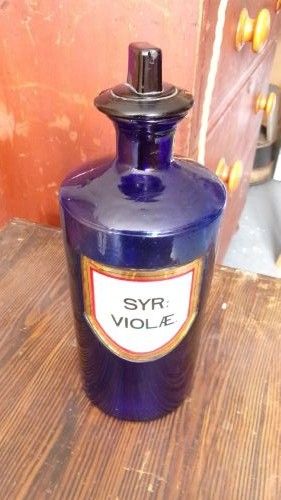
The selection on this page leans heavily toward nineteenth-century apothecary jars, chemist carboys and tall display domes with wooden bases. Buyers frequently encounter large glass cloches and specialised specimen cases originating from English and French workshops.
How glass display jars were made
Makers utilised free-blown or mould-blown glass techniques to create the clear domes, heavy jars and hollow stoppers that characterise these pieces. The resulting glass often displays slight thickness variations and tiny air bubbles inherent to period production methods.
Wooden bases, frequently fashioned from ebonised wood, oak, beech or pine, provide stable foundations for the glass covers. Selected examples incorporate interior elements such as velvet, fabric, paint and gold leaf to display botanical bouquets or taxidermy compositions.
Glass Display Jars Retail Price Guide 2026
Typical asking prices for glass display jars among the pieces listed under this phrase on Sellingantiques today, from the lower quarter to the upper quarter. They describe what is for sale here now, not the wider market.
Current listings span the Victorian and Edwardian eras, featuring materials such as glass, ebonised wood, velvet and gold leaf.
What varies in quality
Clarity and uniformity of the blown glass distinguish finer specimens from standard utility vessels. Superior examples maintain smooth surfaces with minimal distortion, whereas simpler pieces show pronounced waviness in the glass walls.
Craftsmanship in the mounting and base construction marks another distinction across the range. Fitted wooden bases with careful joinery and well-preserved interior linings indicate higher grade presentation pieces.
The Glass Display Jars Glossary
- Dome
- A convex glass cover designed to fit over a base for protecting ornaments and specimens. These enclosures are also referred to as cloches.
- Carboy
- A large glass vessel with a narrow neck, historically utilised in apothecary settings for storing liquids. These containers often feature heavy glass stoppers.
- Ebonised
- Wood treated with a dark finish to imitate ebony. This technique appears frequently on the display bases of Victorian domes.
- Apothecary jar
- A lidded container used by chemists for holding medicinal ingredients and dry drugs. Many surviving examples retain period labels or etched decorations.
Glass Display Jars: Frequently Asked Questions
What fits inside a display dome?
These enclosures traditionally house taxidermy specimens, dried botanical bouquets, clocks and delicate ornaments. The transparent cover protects fragile arrangements from dust and handling.
Collectors also utilise these glass covers to display sculptural pieces, still-life compositions of fruit and intricate beadwork under controlled conditions.
How are chemist jars cleaned?
Careful dusting with a soft, dry cloth maintains the exterior glass surface. Avoid submersing vessels that retain original painted labels or delicate interior residues.
Gentle wiping with a damp cloth suffices for plain glass surfaces. Strong chemical cleaners should be avoided to protect antique finishes.
Are wooden bases original?
Many display domes retain their fitted wooden platforms made from oak, beech, pine or ebonised wood. These foundations often include interior grooves designed to secure the glass dome edge.
Matching timber grain and period wear help indicate whether the base belongs to the glass cover. Bases frequently feature feet or recessed channels typical of nineteenth-century manufacture.
How do I date a glass jar?
Dating relies on manufacturing characteristics such as pontil marks, glass thickness and bubble distribution. Nineteenth-century pieces typically exhibit heavier, less uniform glass than twentieth-century equivalents.
Stylistic cues on apothecary jars, including cut glass stoppers and specific lettering styles, also point toward Victorian or Edwardian production periods.