


Glass Desk Inkwell
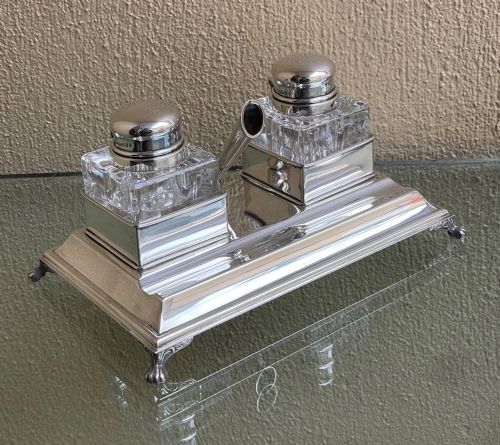
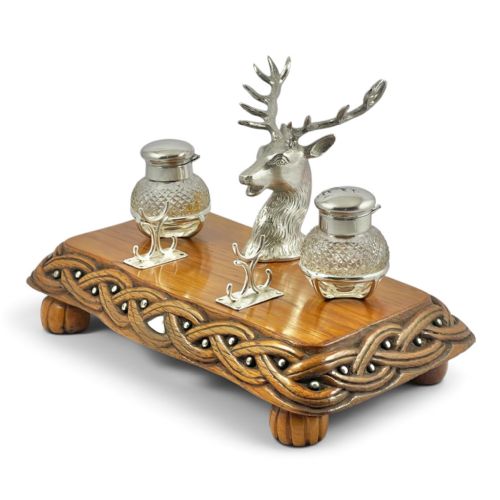
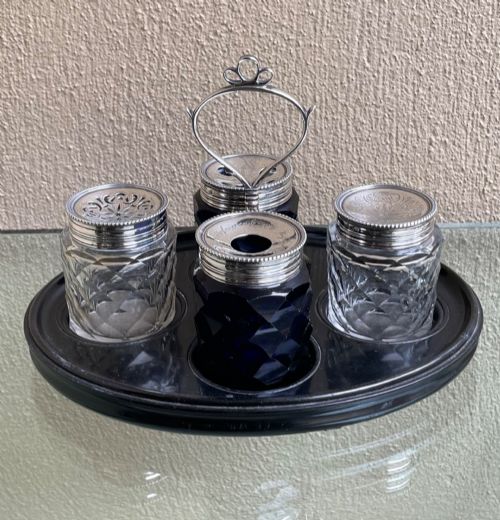
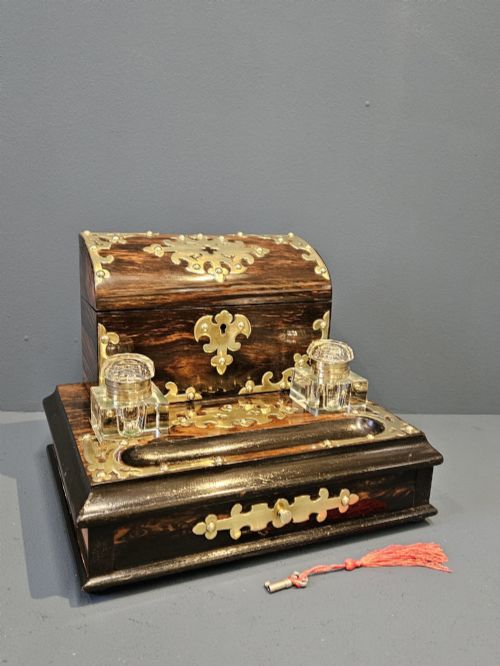
Glass desk inkwell designs range from heavy cut glass vessels to silver-mounted desk sets used for daily correspondence.
Glass Desk Inkwell
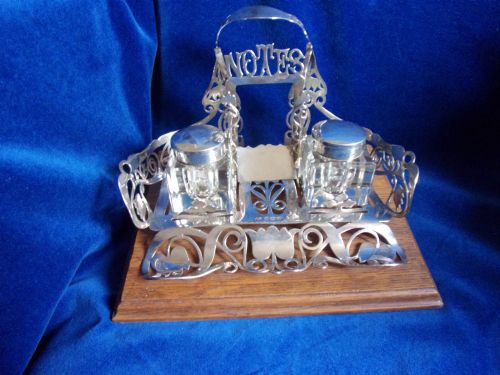
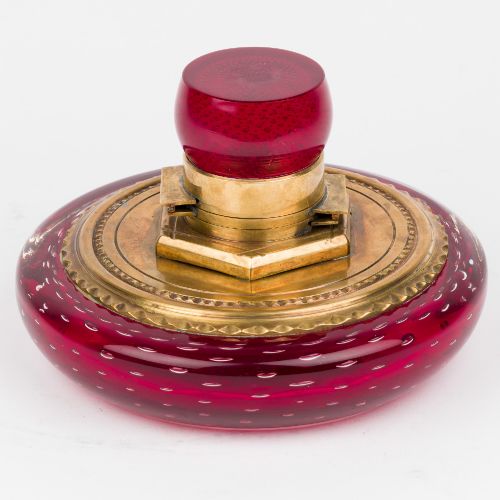
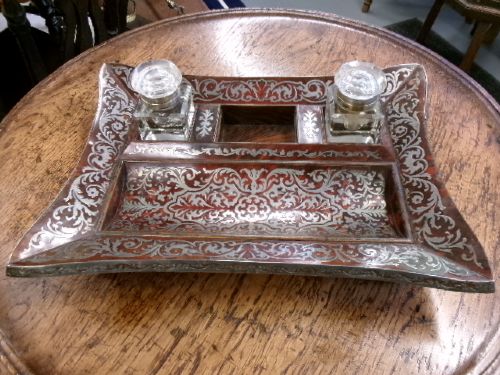
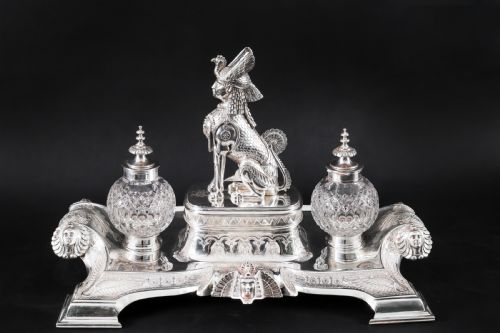
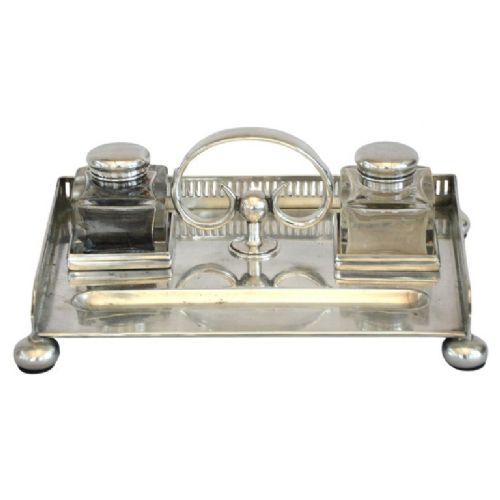
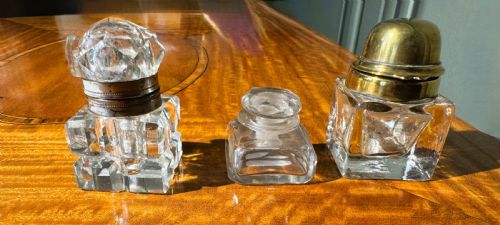
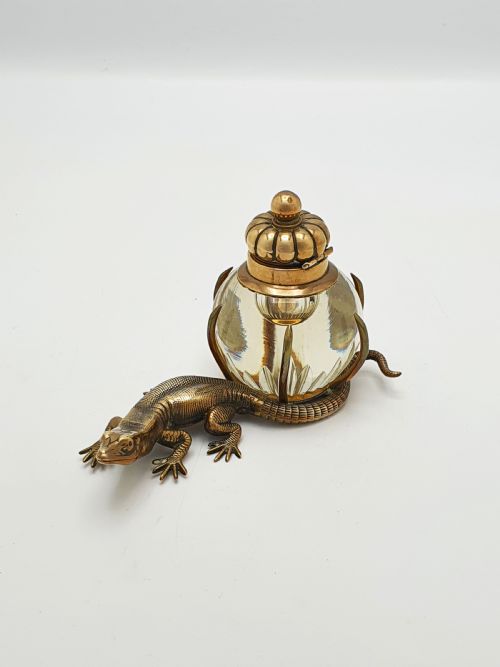
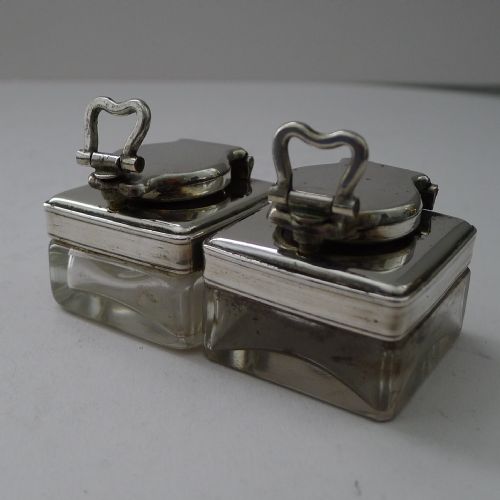
A glass desk inkwell serves as a sturdy desktop reservoir for liquid ink, designed to hold a sufficient supply for daily writing while keeping the nib moist. The most common examples on this page pair moulded or heavy cut glass bodies with hinged metal lids, often sitting within dedicated stands.
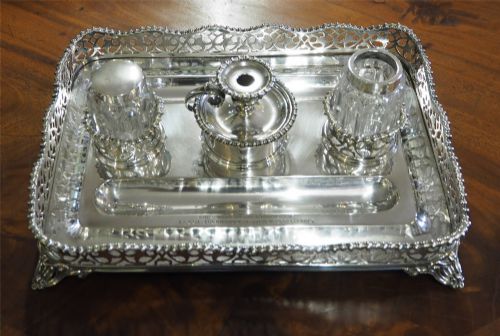
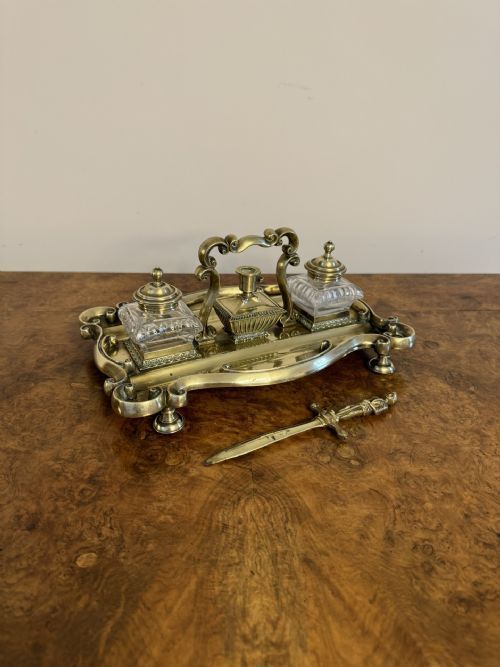
Many of these pieces date from the Victorian and Edwardian eras, spanning simple standalone vessels to complex double desk stands fitted with pen trays. Surviving items frequently show the combined use of glass reservoirs and silver-plated or sterling mounts.
Collectors encounter everything from plain domestic ink bottles to elaborate travel inkwells housed in protective leather or metal cases. These accessories reflect the central role of handwriting in nineteenth and early twentieth century correspondence.
Assessing craftsmanship and design
Quality shows in the weight and clarity of the glass, where deeply cut facets and heavy lead content distinguish finer desk accessories from simple pressed glass items. The precision of the metal mount and the tight closure of the hinged lid also separate standard utility pieces from higher-end examples.
The sophistication of the accompanying stand significantly alters the character of the piece, moving from basic wooden bases to elaborate combinations of brass, tortoiseshell, and mother-of-pearl. Maker attribution to notable silversmiths or manufacturers further elevates the standing of an inkwell within a collection.
Listings for glass desk inkwell examples span the Victorian and Edwardian periods, frequently combining cut glass bodies with silver plate, sterling silver, or brass mounts.
Wilkinson And Co·Walker And Hall·Tiffany And Co·A And J Zimmerman·William Hutton
The Glass Desk Inkwell Glossary
- Inkstand
- A complete desk accessory comprising one or more inkwells alongside spaces for pens, sanders, and wafers. These larger desk sets formed the centrepiece of the nineteenth-century writing table.
- Standish
- An alternative historic term for an inkstand or portable writing tray. Such pieces often incorporated small compartments for sealing wax and stamps alongside the central ink reservoir.
- Cut glass
- Glass shaped and patterned by holding the vessel against a rotating abrasive wheel. This technique creates sharp, deep facets that enhance the brilliance and weight of a desk inkwell.
- Silver plate
- A layer of silver fused or electroplated onto a base metal such as copper or brass. Many Edwardian and Victorian inkstands utilised this method to achieve the look of solid silver at a lower cost.
- Guilloche
- A decorative mechanical engraving technique producing precise, intricate geometric patterns beneath translucent enamel. This finish occasionally appears on the silver lids of high-end Edwardian inkwells.
Glass Desk Inkwell: Frequently Asked Questions
How do I clean an old inkwell?
Dried ink residue inside glass reservoirs responds best to warm water and gentle bottle brushes, avoiding harsh abrasives that might scratch the interior.
Metal mounts require separate care, keeping moisture away from historic cork seals and hinged mechanisms to prevent corrosion.
Are these inkwells safe for modern ink?
Most historic glass inkwells hold modern fountain pen inks without issue, provided the interior glass surface remains free from deep cracks or chips.
Users should check that the historic metal lid closes securely to prevent the liquid contents from drying out too quickly during daily use.
How can I date my glass inkwell?
Hallmarks on silver collars and mounts offer the most reliable dating evidence, pointing to specific assay offices and active years for the silversmith.
Stylistic cues such as heavy facet cutting, brass bases, and the presence of desk calendars or pen trays further narrow down the decade of manufacture.