


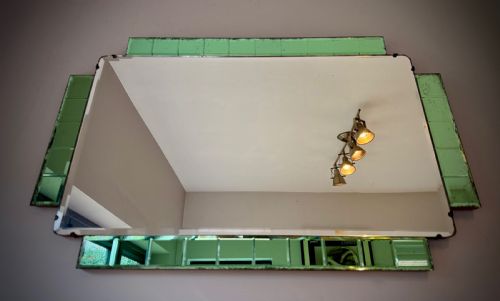


Glass Art Panel
Glass art panel pieces bring colour and historic craftsmanship into a room through leaded windows and decorative wall hangings.
Glass Art Panel
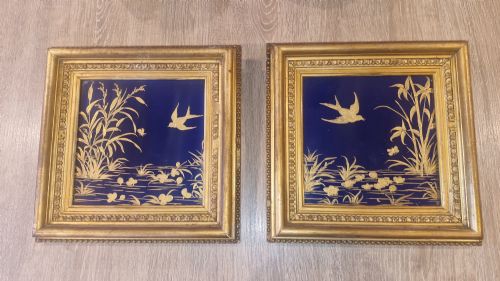
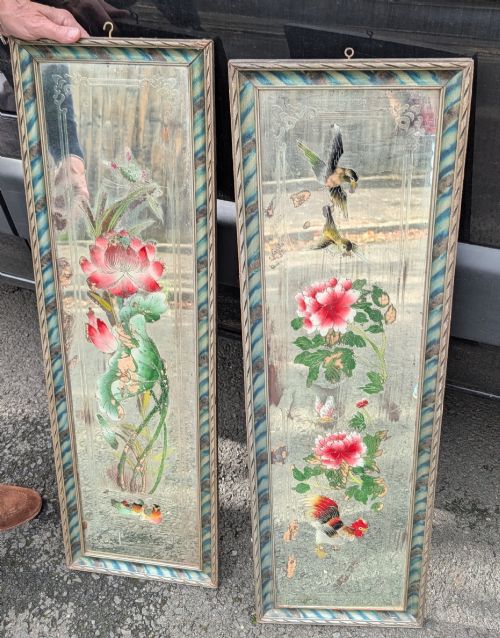
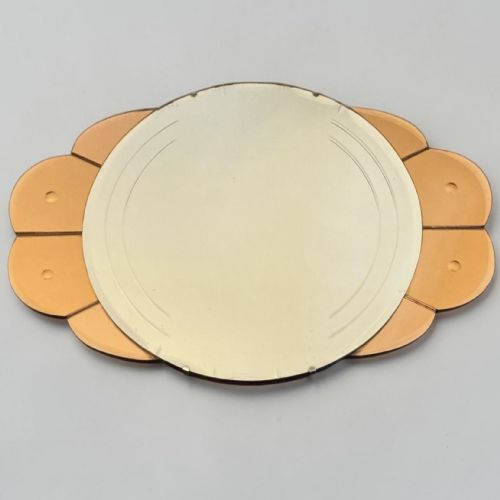
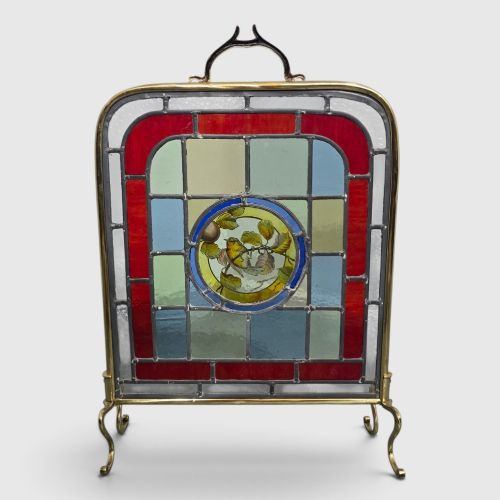
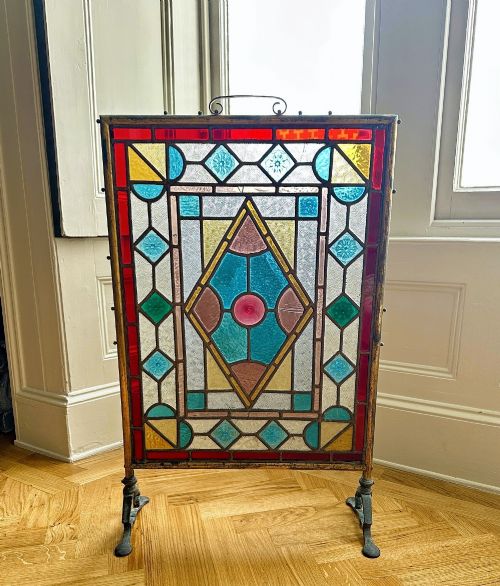
A glass art panel search reveals architectural salvage, stained glass windows, and decorative wall pieces originating from periods spanning the Victorian era through to the mid-twentieth century. Buyers encounter leaded glass windows featuring hand-painted countryside scenes, birds, and floral designs alongside geometric Art Deco mirrors and shop window panels.
The selection ranges from domestic architectural fittings like door windows and firescreens to specialised advertising panels and reverse glass paintings. Pieces from the Edwardian period and the 1930s appear frequently, showcasing styles from Arts and Crafts to Art Nouveau and Art Deco.
Materials and construction
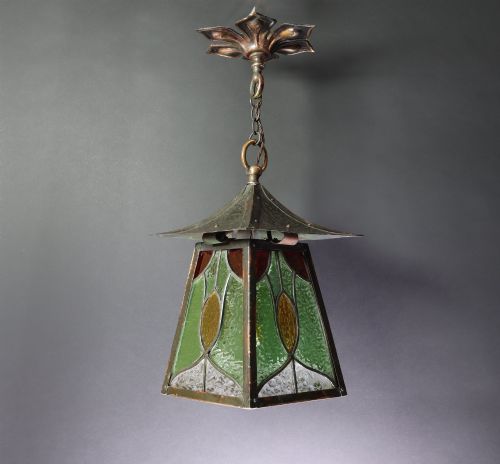
Construction relies heavily on glass combined with lead came to hold individual coloured or clear pieces together within wooden, iron, or brass frames. Artisans utilised techniques such as hand-painting directly onto the glass surface, incorporating amber bullseyes, and adding copper elements.
Framing materials reflect the domestic and architectural context of each item, utilising oak, pine, walnut, and metal supports. Structural integrity depends on the stability of the lead framework holding the glass panels in place.
Glass Art Panel Retail Price Guide 2026
Typical asking prices for glass art panel among the pieces listed under this phrase on Sellingantiques today, from the lower quarter to the upper quarter. They describe what is for sale here now, not the wider market.
Listings feature glass art panels spanning the Victorian era, Edwardian period, and the 1930s, utilising wood, brass, and lead.
Distinctions in quality
Quality separates through the intricacy of the hand-painted details on the glass and the complexity of the leaded design. Pieces with pictorial subjects like birds, figures, or detailed landscapes demonstrate greater artisan skill than plain geometric glazing.
The integration of specialised materials such as bevelled mirror glass, copper detailing, and original frames enhances the execution of the work. The clarity and preservation of the painted elements also mark the distinction between standard architectural salvage and finer artistic productions.
Maple and Co·Sir Edward Burne-Jones
The Glass Art Panel Glossary
- Leaded glass
- Glass pieces held together by strips of lead came. This technique allows for the creation of intricate windows and decorative panels.
- Bullseye
- A round centrepiece of blown glass showing a circular distortion. These appear frequently in windows to let in light while obscuring vision.
- Stained glass
- Glass coloured by the addition of metallic salts during its manufacture. It is often hand-painted and fired before being assembled into panels.
- Architectural salvage
- Building elements rescued from older structures for reuse or display. This category includes doors, windows, and privacy screens.
- Reverse painting
- An art technique where the image is painted on the back of the glass sheet so it is viewed correctly from the front.
Glass Art Panel: Frequently Asked Questions
How do I hang a heavy glass panel?
Support the weight of a heavy glass or leaded panel using appropriate wall anchors secured directly into structural studs. Hang mirrors and window panels with brackets that distribute the load evenly along the frame.
Avoid relying solely on decorative picture wire for substantial architectural pieces. Consult a professional installer if the framing timber is old or fragile.
How do I clean antique stained glass?
Clean antique glass surfaces gently with a soft cloth and a mild, neutral soap solution. Prevent moisture from seeping under the lead cames or damaging any hand-painted details.
Refrain from using harsh chemical cleaners or abrasive materials that can scratch the glass or corrode the lead and metal frames.
Can these windows be hung as wall art?
Displaying leaded glass windows on walls works effectively when paired with a backlighting box to illuminate the colours. Secure the window frame firmly to ensure the lead structure does not sag under its own weight over time.
Positioning panels near natural light sources also highlights the painted designs and coloured glass without requiring artificial illumination.
How do I identify the period of a glass panel?
Dating relies on stylistic clues such as the floral motifs of Art Nouveau, the geometric lines of Art Deco, or the pastoral hand-painted scenes common in early twentieth-century work. Examining the type of wood in the frame and the construction of the lead cames provides further context.
Victorian and Edwardian pieces often incorporate rich amber bullseyes and traditional pictorial subjects, whereas later 1930s examples lean towards stylised figures and simpler borders.