

Glass and Silver Decanter
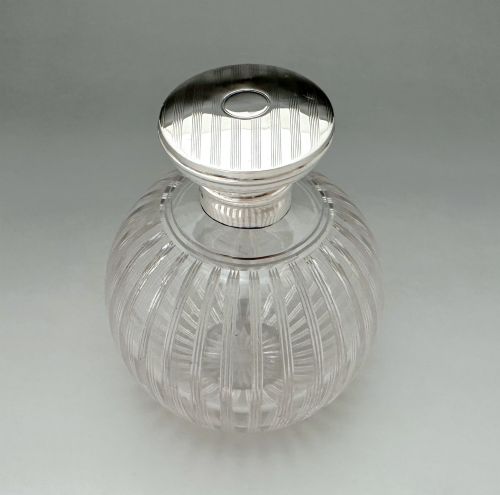
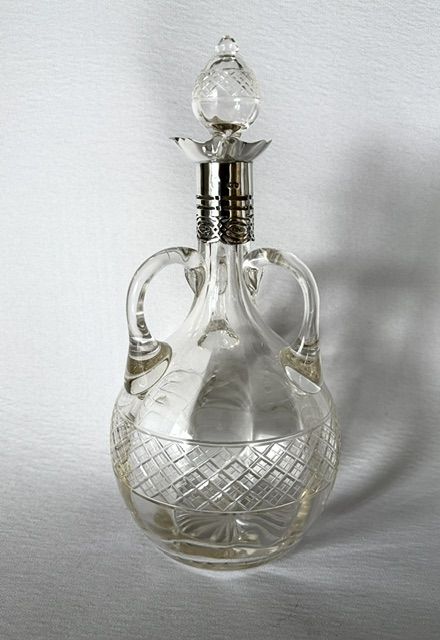
When you search for a glass and silver decanter, you are looking at barware and serving vessels that combine clear or coloured glass with sterling silver or silver plate mounts.
Glass and Silver Decanter
A glass and silver decanter serves wine, spirits, and liqueurs while offering a decorative element for the dining table or sideboard. These vessels combine functional storage with precious metal collars, mounts, and stoppers.
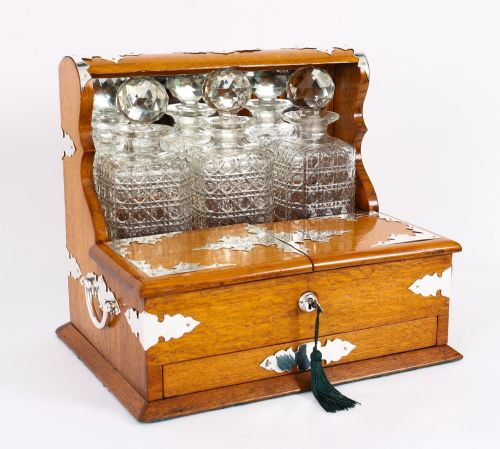
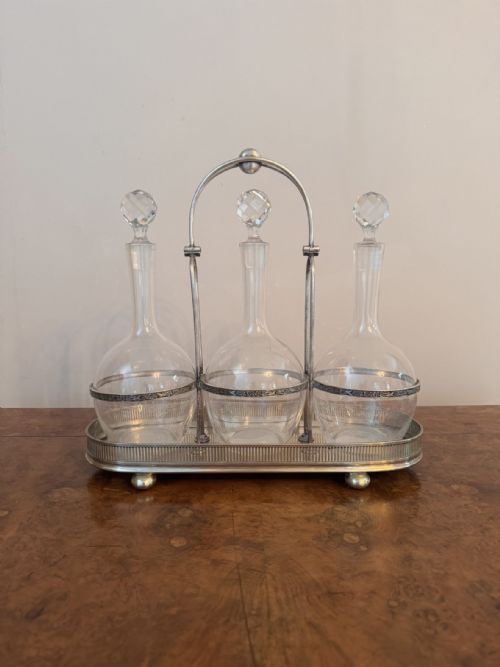
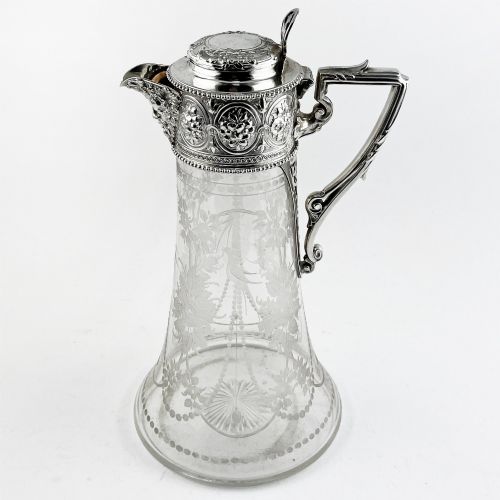
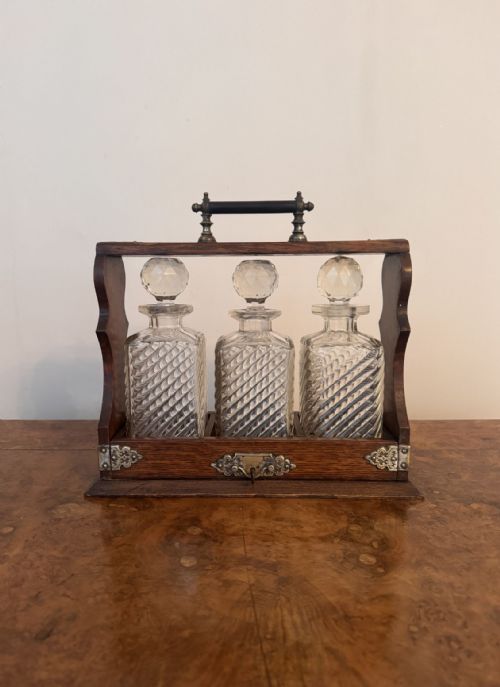
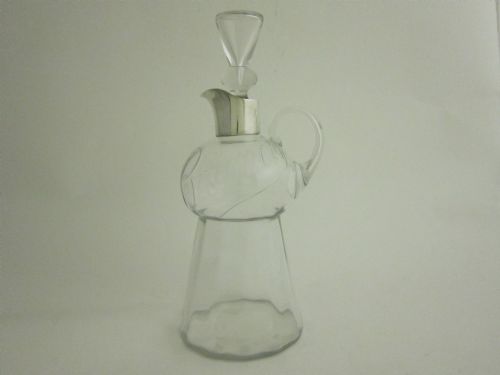
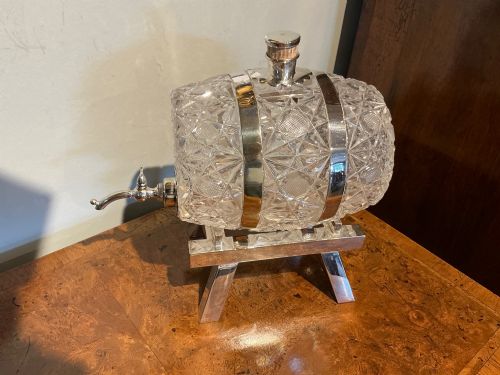
The selections span Victorian, Edwardian, and George V periods, alongside nineteenth-century and Art Nouveau examples. Common formats include claret jugs, spirit decanters, whiskey noggins, and matched sets housed in silver-plated stands or oak tantalus frames.
How They Were Made
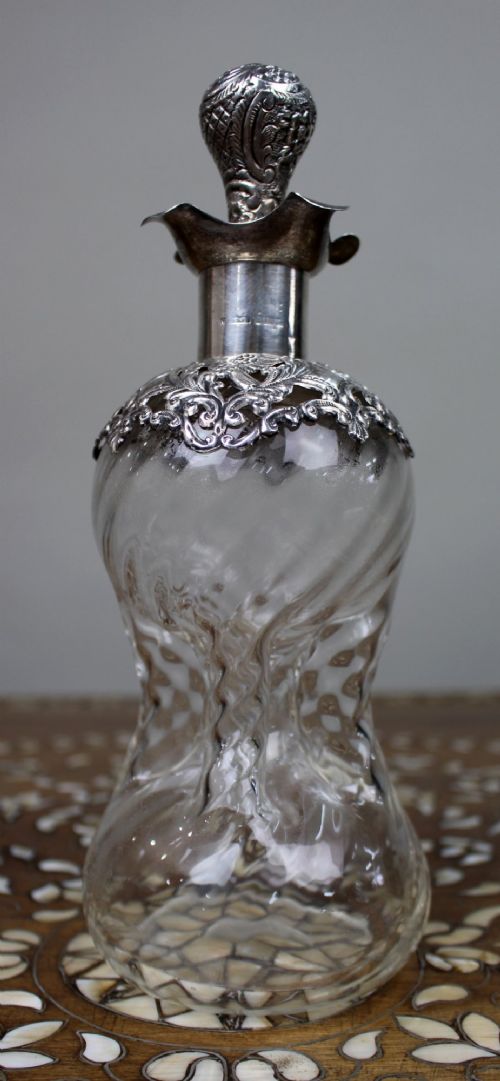
Vessels utilise heavy-walled glass that is either blown into moulds, wheel-cut with geometric patterns, or overlaid in colours such as ruby, green, and cranberry. Specialised techniques include nailsea patterning and deep carving.
Mounts and hardware combine sterling silver and silver plate, frequently bearing hallmarks from assay offices in London, Birmingham, and Sheffield. Metalwork is secured to necks, shoulders, and handles using traditional adhesives and mechanical collars.
What Varies in Quality
Quality rests in the weight and clarity of the glass, the depth of hand-cutting, and the thickness of the silver mounts. Heavier crystal bodies and solid sterling silver collars denote higher standards than thin blown glass and light silver plating.
Design complexity also dictates the tier, ranging from plain collars to figural mounts, serpent handles, and elaborate cast stands. Original matching stoppers and intact silver hallmarks elevate the standing of a piece.
Asprey and Co. Ltd·Gorham·Henry Matthews·Walker and Hall·Betjemann·Mappin and Webb·Henry Wilkinson and Co·Charles James Fox·Martin Hall and Co·WMF
The Glass and Silver Decanter Glossary
- Tantalus
- A locking wooden frame that secures decanters to prevent unauthorized access to the contents while displaying the glass and silver work.
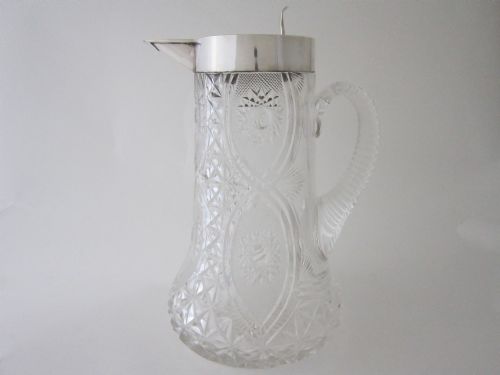
- Claret Jug
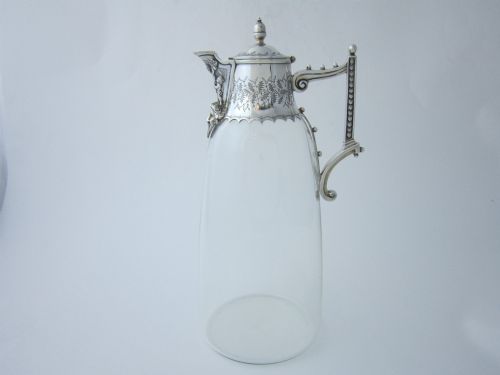
- A specialised pouring vessel designed for red wine, typically featuring a hinged silver lid, handle, and a tall glass body.
- Noggin
- A small vessel used for serving a single measure of spirits, often supplied with a silver collar and a matching pouring lip.
- Old Sheffield Plate
- An early composite material made by fusing a thin sheet of silver to a copper base, seen on nineteenth-century pieces.
- Silver Overlay
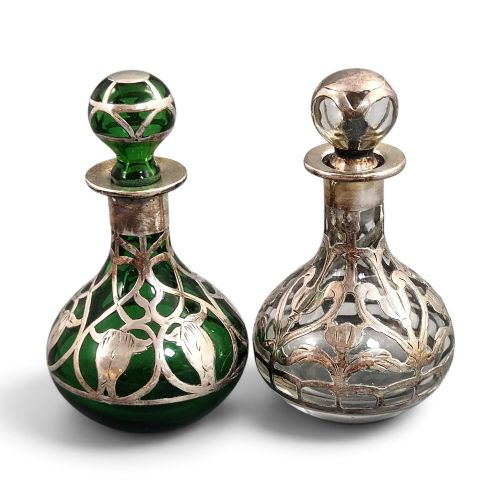
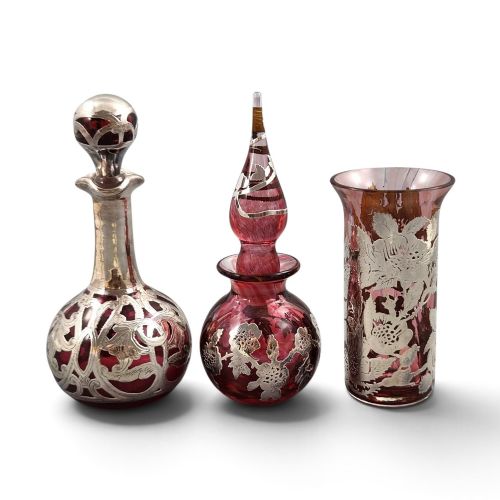
- A decorative technique where sterling silver is applied directly onto the surface of the glass in intricate floral or abstract motifs.
Glass and Silver Decanter: Frequently Asked Questions
What is a glass and silver decanter?
A glass and silver decanter is a serving vessel combining a glass body with silver collars, mounts, handles, or stoppers used for wine and spirits.
These pieces range from tall nineteenth-century claret jugs to compact whiskey noggins and multi-bottle table stands.
How do I date a silver mounted decanter?
Dating relies on the silver hallmarks stamped onto the metal collars or mounts, which record the assay office, date letter, and maker's mark.
Stylistic indicators such as Art Nouveau floral motifs or heavy Victorian cutting also help establish the period.
What is a tantalus decanter set?
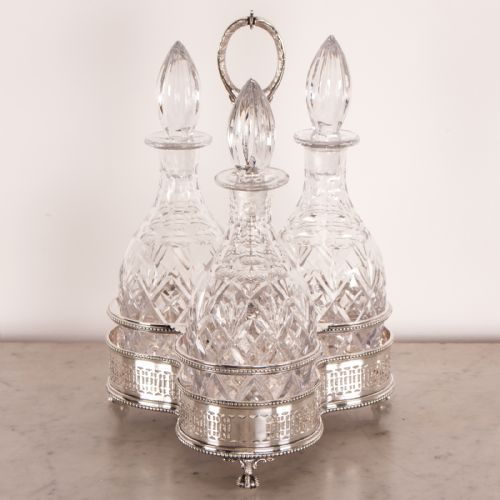
A tantalus set houses two or three decanters inside a secure wooden frame fitted with a locking metal bar across the stoppers.
This nineteenth-century invention allowed hosts to display their fine glassware and spirits while keeping the contents locked away.
How should I clean antique glass and silver?
Silver mounts require careful polishing with a non-abrasive cloth to preserve the metal and avoid contact with the glass surface.
Glass bodies can be washed in warm water, avoiding harsh detergents that might affect old glass or historical adhesive mounts.