
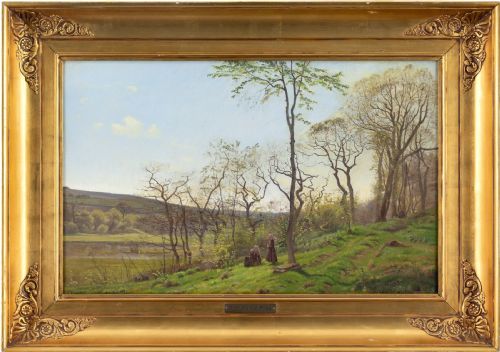
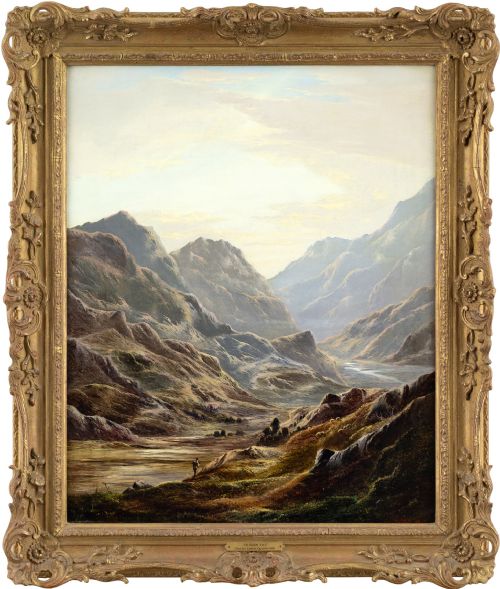
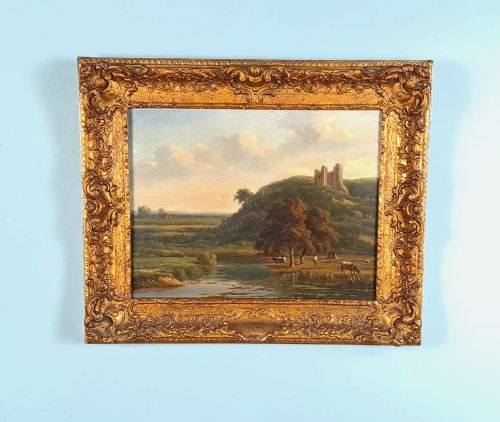
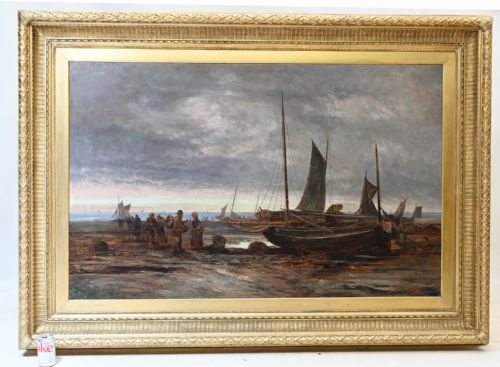


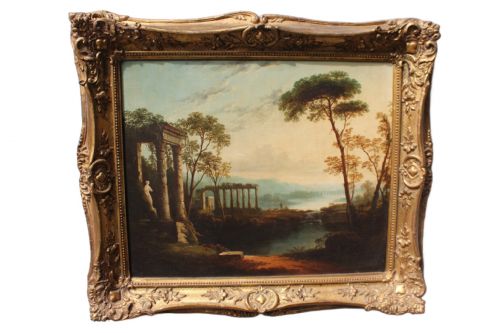


Giltwood Landscape Picture
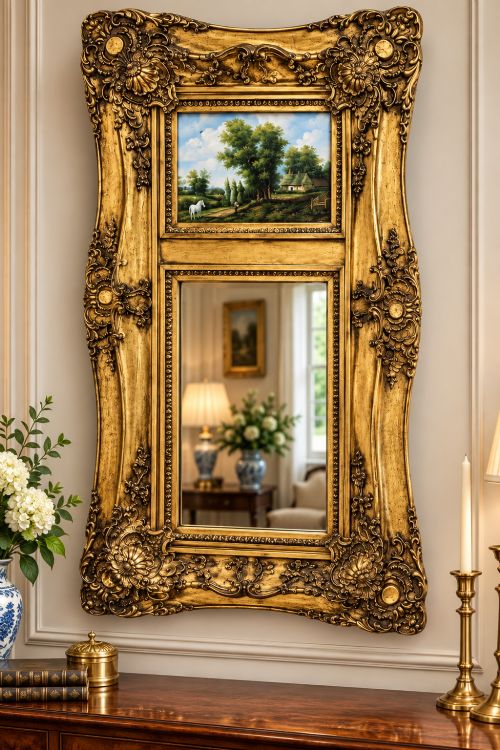
When you search for a giltwood landscape picture, you uncover framed oil paintings on canvas and panel alongside giltwood mirrors.
Giltwood Landscape Picture
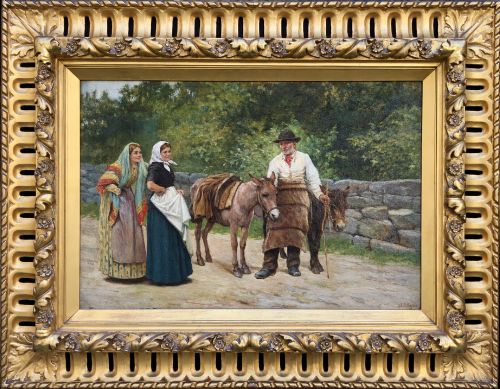
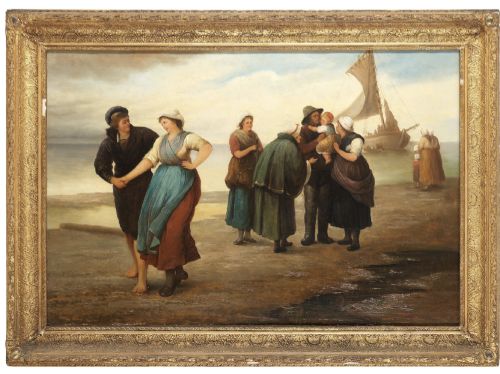
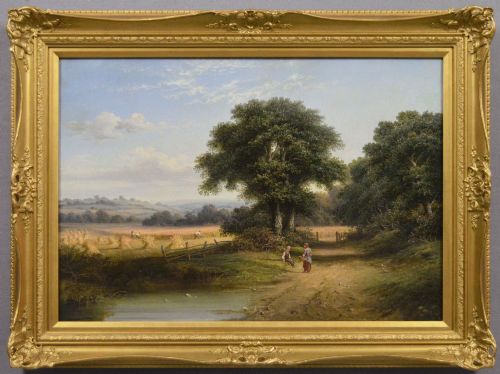
A giltwood landscape picture brings together nineteenth-century and eighteenth-century pastoral scenes, marine views, and forest panels enclosed in gilded frames of gesso and wood. Buyers hunting for these works encounter everything from expansive Victorian maritime canvases to intimate rural tracks and Italianate classical landscapes.
The selections span the Georgian period, the Victorian era, and the Edwardian years, reflecting schools from French and Danish origins to English country scenes. Many examples pair oil paint on canvas with ornate carved giltwood moulding, creating a complete decorative unit designed to command a wall.
While some listings focus purely on the antique picture frames themselves, the dominant form is the framed oil painting depicting figures near harvest fields, mountainous regions, or coastal stretches. These works capture the nineteenth-century fascination with natural topography and rural life through layered oil pigments.
How they were made
Makers built these pieces using traditional methods, applying oil paint to woven canvas or wood boards prepared with a gesso ground. Artisans carved wooden frames and coated them in layers of gesso before applying thin sheets of gold leaf to produce the characteristic giltwood finish.
Painters layered oil pigments to build depth in skies, water, and foliage, utilising fine brushes for figures and animals while handling broader strokes for landscapes and atmospheric effects. The combination of durable oil media on stretched canvas ensured that compositions survived centuries with their tonal quality intact.
Several canvases feature stubborn cows wading into rivers, proving that nineteenth-century livestock had a universal talent for ruining a tranquil pastoral composition.
What varies in quality
Quality reveals itself in the handling of light, shadow, and perspective within the painted landscape, distinguishing masterly brushwork from simpler decorative output. The execution of fine details, such as livestock, figures, and architectural elements, sets superior canvases apart from standard regional works.
The craftsmanship of the accompanying giltwood frame also dictates overall merit, where deep hand-carved gesso ornamentation and well-preserved gilding elevate the piece. Intricate mouldings that complement the specific era of the painting demonstrate a higher level of historical cohesion.
BENJAMIN BARKER OF BATH·Walter Heath Williams·Harald Foss·Charles Leslie·T C Hofland·Thomas Sidney Cooper·Henry John Boddington·Johannes Philippus Galjaard·TOM SEYMOUR·JOHN HENRY DELL·Sidney Yates Johnson·Jan Evert Morel·Jane Vivian·John Charles Tunnard·George Kilburne·Claude Cardon·E Tucker·Ebeneezer Colls·George Goodwin Kilburne·Arthur Walker Redgate·Frank Myers Boggs·Benjamin CALLOW·Augustus William Ennes·William Mellor·Alexandre Decamps
The Giltwood Landscape Picture Glossary
- Giltwood
- Wood that has been coated with gold leaf or gold paint for decorative effect. This finish is typical of framing used for formal landscape paintings.
- Gesso
- A plaster mix applied to a wooden frame or canvas substrate to create a smooth surface for gilding or painting. It allows artisans to carve intricate relief details before applying gold leaf.
- Oil on Canvas
- Pigment mixed with drying oil applied to a woven fabric support stretched across a wooden frame. This medium dominated landscape painting throughout the eighteenth and nineteenth centuries.
- Italianate
- A stylistic approach inspired by the idealized landscape paintings of seventeenth-century Italy. Artists utilised classical ruins, warm light, and balanced compositions to evoke a Mediterranean atmosphere.
Giltwood Landscape Picture: Frequently Asked Questions
How do I date a giltwood landscape picture?
Dating relies on the stretcher construction, canvas type, costume of any figures depicted, and the specific style of the giltwood frame moulding. Examining the signature, artist records, and the chemical composition of the oil paint provides further chronological clues.
Eighty-year spans or reign markers help narrow down the decade of creation. Comparing the artistic style to known regional schools clarifies the period of origin.
Where should I hang a large giltwood landscape picture?
These substantial works suit primary living spaces, hallways, or dining rooms with adequate wall space to support heavy frames. Ensure the hanging location avoids direct sunlight and excessive humidity to protect both the oil paint and the gesso.
Pairing a large maritime or pastoral scene with traditional interior architecture enhances its visual impact. Professional wall anchors are essential given the weight of timber and plaster frames.
What is the difference between an oil on canvas and an oil on board?
Oil on canvas involves pigment applied to stretched textile, offering slight flexibility and a distinctive woven texture beneath the paint layers. Oil on board uses a rigid wooden panel or stiff card as the foundational support for the pigments.
Board supports were often favoured for smaller plein air studies painted outdoors. Canvas allowed artists to create much larger landscape compositions for formal exhibition.