
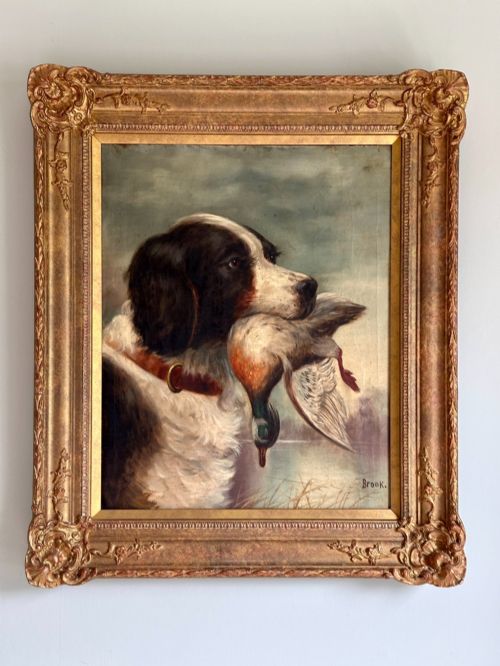
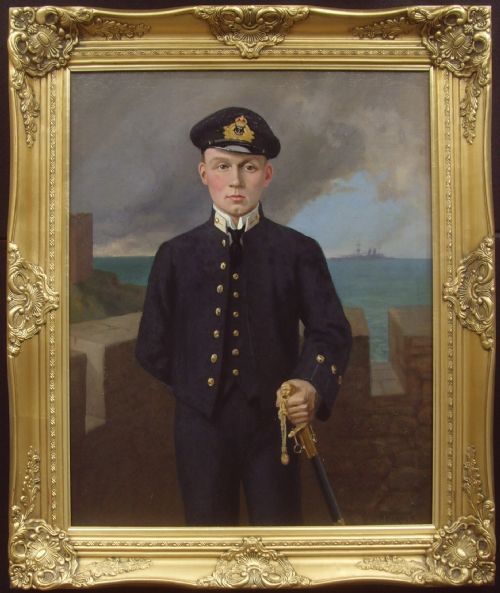
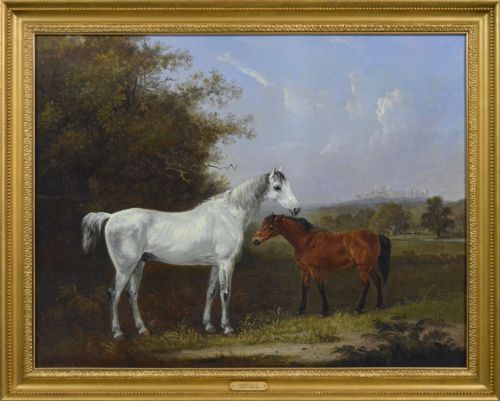
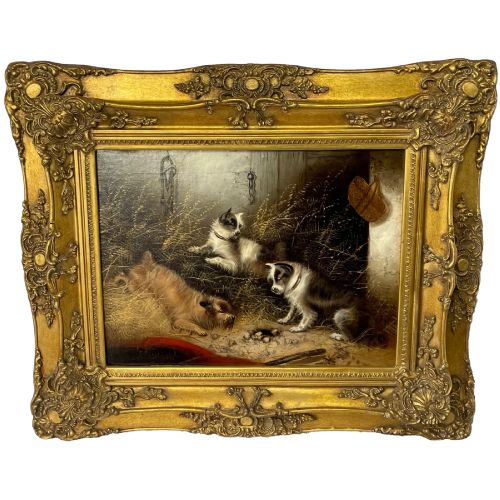
Gold Gilt Oil Painting
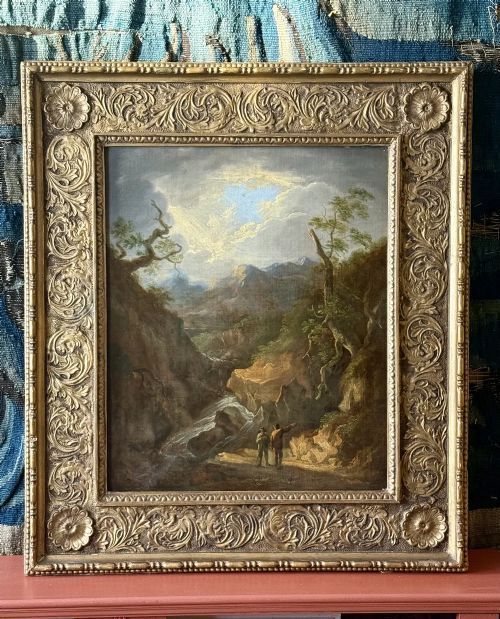
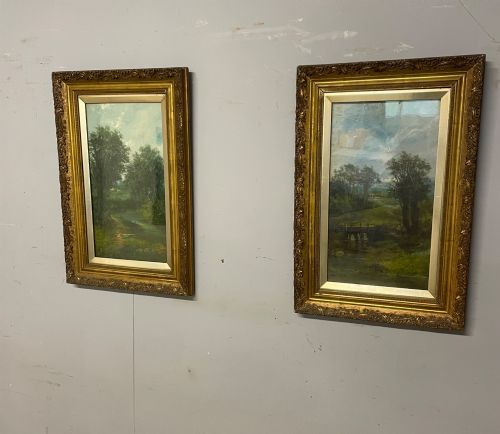
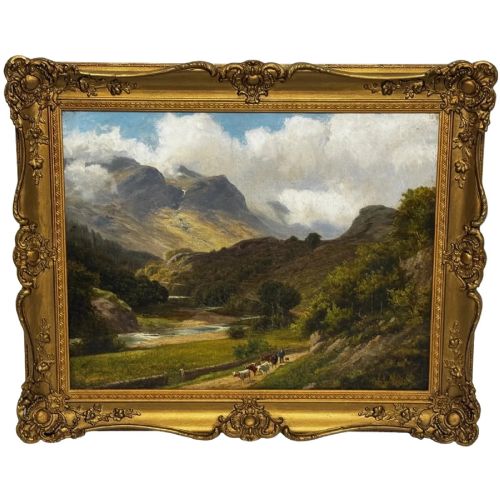
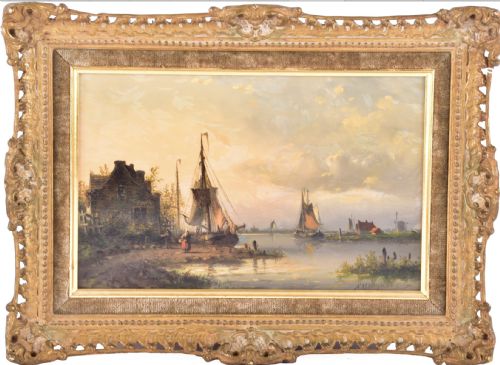
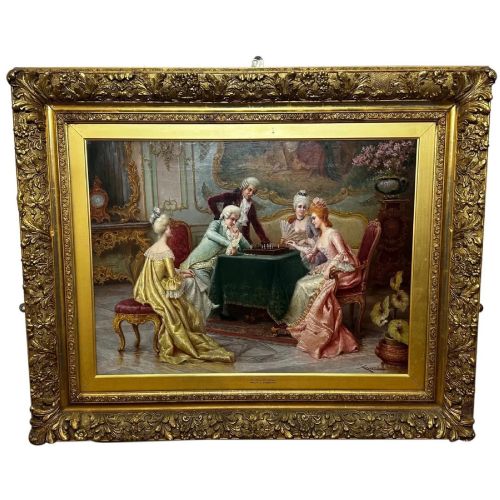
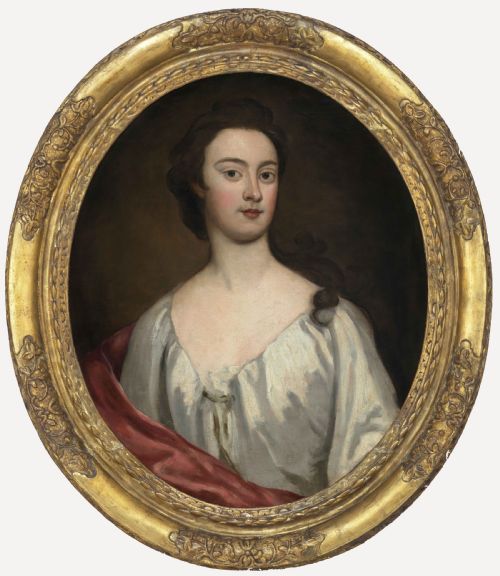
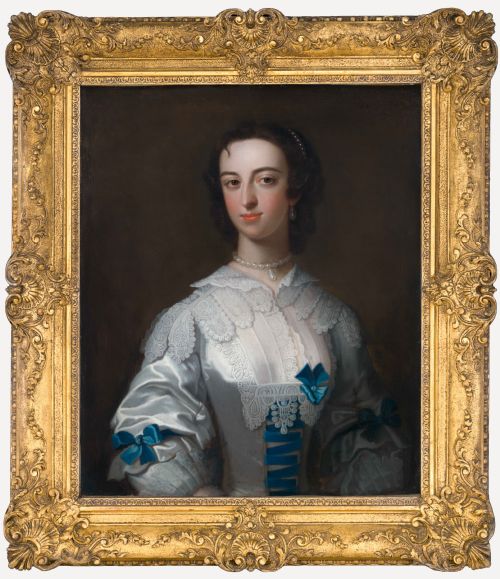
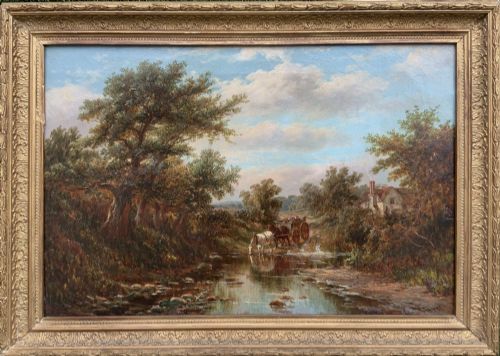
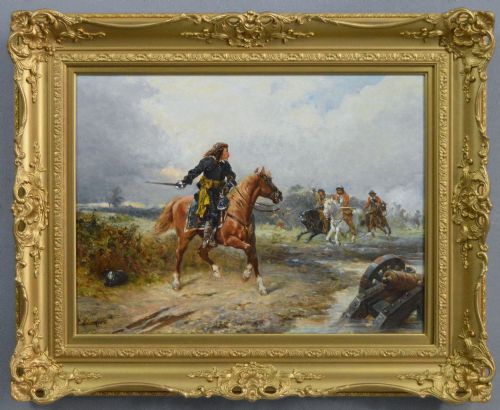
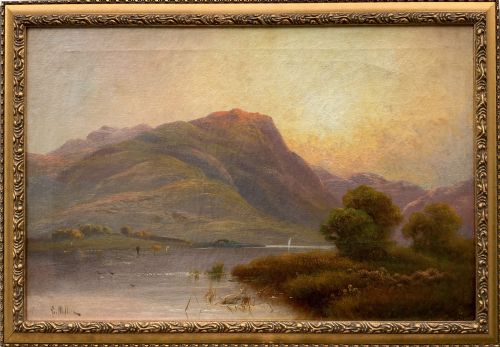
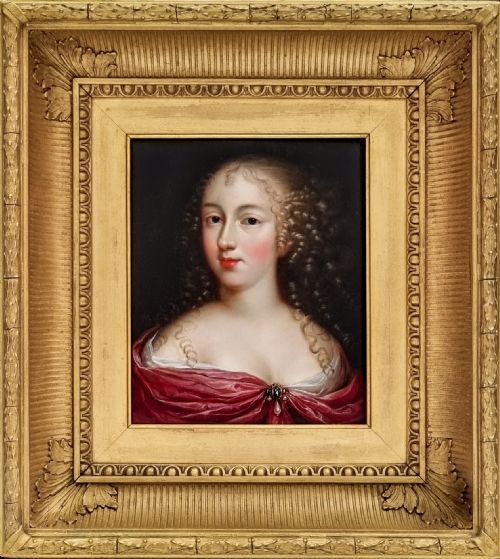
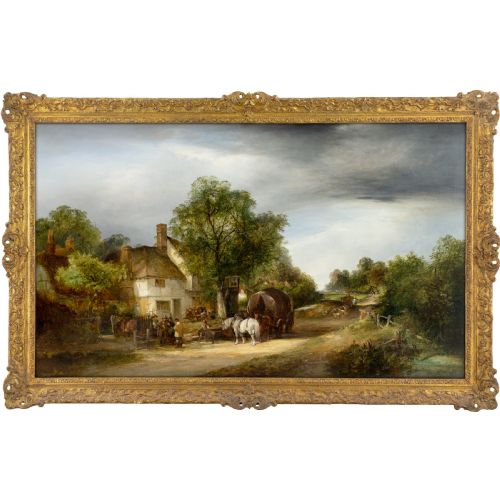
When you encounter a gold gilt oil painting, you find works bound in luminous frames that bring centuries of portraiture and landscape into focus.
Gold Gilt Oil Painting
A gold gilt oil painting encompasses framed canvases and panels originating from the 17th century through the Victorian era up to the mid-20th century, capturing subjects from aristocratic portraits to serene coastal scenes.
The most common examples on this page are oil on canvas portraits and landscapes rendered in Georgian, Victorian, and Baroque styles, housed within their original or period frames.
Buyers look for these pieces to anchor a room with historical depth, combining painted pigment with the warm sheen of gold leaf and gesso mouldings.
Materials and construction
The artworks themselves rely on oil paint applied to stretched canvas or wooden panels, utilising ground pigments suspended in drying oils to achieve deep colour and texture.
Surrounding these works, the frames utilise carved wood or moulded gesso coated in fine gold leaf, creating the characteristic reflective borders that define the pieces.
Several portraits feature subjects staring firmly past the viewer, accompanied by remarkably attentive spaniels and baskets bulging with seasonal apples.
Evaluating the standard
Quality rests in the fidelity of the brushwork and the anatomical or spatial conviction of the composition, distinguishing master hands from provincial copyists.
The integrity of the frame matters equally, where crispness in the gesso moulding and the preservation of the original gold leaf elevate the piece far above later replacements.
Joseph Clover RA·Theude Grönland·Charles Antoine Coypel·Sir Joshua Reynolds·William Oliver·Jean Baptiste Van Loo·William Beattie Brown·Jozsef Molnar·Felix Stone Moscheles·John Maler Collier·Arthur Wardle·Francois Boucher·Sir Peter Lely·Sir Anthony van Dyck·Sir Godfrey Kneller
The Gold Gilt Oil Painting Glossary
- Gesso
- A plaster-like mixture applied to wood frames to create a smooth surface for gilding. It holds intricate relief details before the gold leaf is laid down.
- Giltwood
- Timber that has been coated with gold leaf or gold paint. It provides the heavy, reflective border typical of period picture frames.
- Trumeau
- A decorative wall mirror or panel featuring a painted scene above the glass. These incorporate oil paintings directly into architectural woodwork.
- Oil on Canvas
- Pigment mixed with drying oil applied to a woven fabric support. This technique allows for rich blending and longevity.
Gold Gilt Oil Painting: Frequently Asked Questions
How do I date a gold gilt oil painting?
Dating relies on stylistic clues within the subject's costume, the method of canvas preparation, and the construction of the stretcher bars behind the painting.
The accompanying frame also offers strong chronological indicators, as gesso profiles and gilding techniques shifted significantly between the seventeenth and nineteenth centuries.
Are these paintings cleaned or restored?
Many historical paintings undergo conservation to remove accumulated grime and discoloured varnish, revealing the original pigment beneath.
Professional intervention aims to stabilise the canvas and repair minor losses while preserving the authentic surface texture and age character.
How should I hang and light my painting?
These works require stable indoor humidity away from direct sunlight and heat sources to prevent the canvas and wooden frame from warping.
Positioning them beneath a dedicated picture light enhances the metallic sheen of the gold leaf without exposing the oil pigments to damaging UV rays.
What subjects are most common?
Portraiture dominates the early periods, featuring nobility, officers, and gentlemen depicted in formal attire against dark backgrounds.
Later centuries introduce wider subject matter, including pastoral landscapes, botanical studies, marine scenes, and narrative genre paintings.