

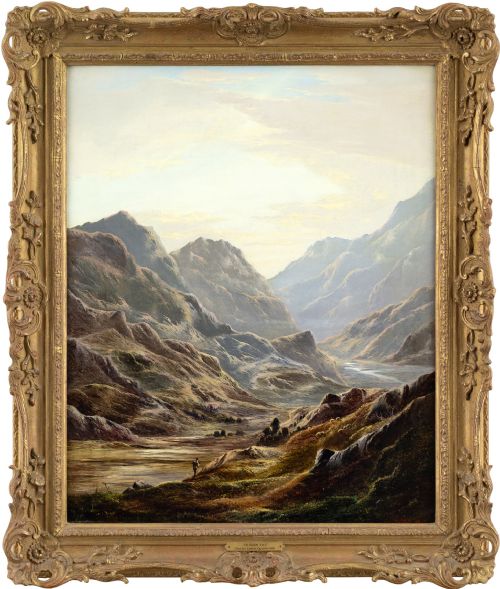
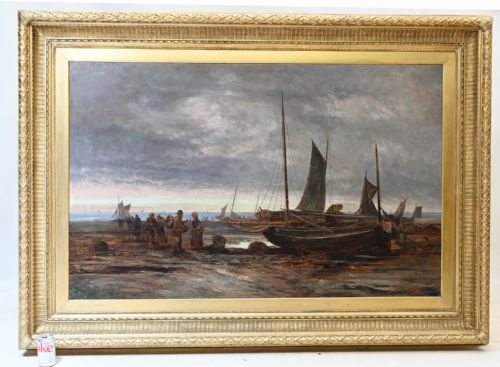
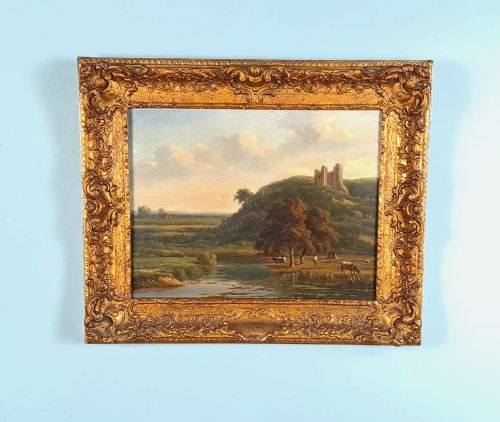


Giltwood Framed Landscape Picture
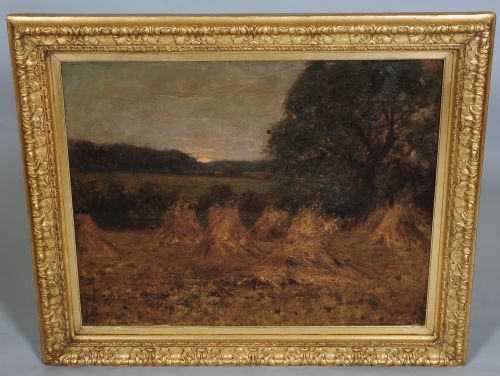
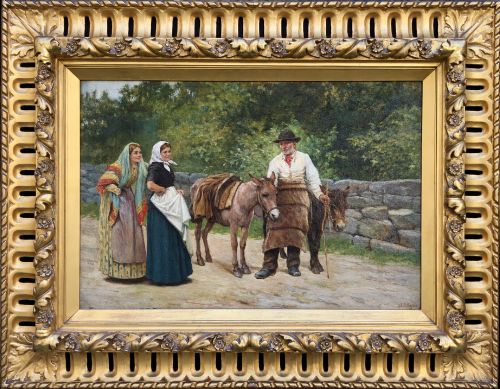
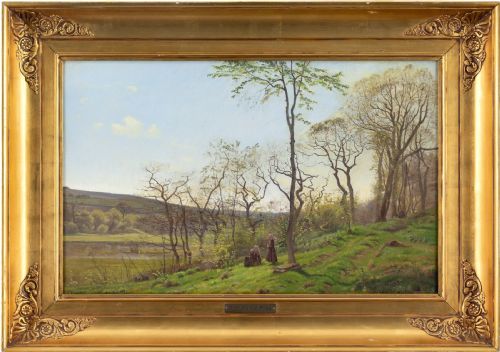
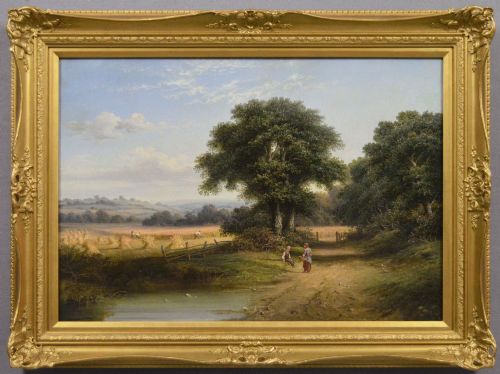
A giltwood framed landscape picture brings depth and historical atmosphere to a room through traditional oil paint and ornate gilded moulding.
Giltwood Framed Landscape Picture
A giltwood framed landscape picture encompasses oil paintings on canvas or board, architectural wall mirrors, and picture frames originating from the eighteenth, nineteenth, and early twentieth centuries. Buyers seeking this category encounter various regional interpretations, from English rural scenes and Scottish views to French school compositions and Italianate classical landscapes.
The most common examples on this page are nineteenth-century oil paintings set within period giltwood or gesso frames, depicting pastoral life, maritime views, and woodland terrain. These works frequently feature signature details from named artists alongside unsigned Victorian canvases housed in substantial decorative surrounds.
How they were made
Makers constructed these frames using wood as a foundation, applying layers of gesso before laying gold leaf or metallic gilding over sculpted ornamentation. Canvases and wooden boards received applications of oil paint, utilising pigments bound in oil to build up depth in skies, foliage, and figures.
Craftsmen carved intricate decorative motifs directly into the wooden or gesso frame structure, often incorporating corner cartouches and leaf scrolls that complemented the period aesthetic of the enclosed artwork.
Giltwood Framed Landscape Picture Retail Price Guide 2026
Typical asking prices for giltwood framed landscape picture among the pieces listed under this phrase on Sellingantiques today, from the lower quarter to the upper quarter. They describe what is for sale here now, not the wider market.
Several canvases capture cows, sheep, ducks, and hunting dogs staring directly out at the viewer through centuries of varnish.
What varies in quality
Quality rests in the precision of the artist's brushwork and the structural integrity of the surrounding frame, where finer examples display confident handling of light and shadow alongside deeply sculpted, intact gilding. Superior pieces maintain a harmonious relationship between the canvas and its original housing, whereas lesser items pair mismatched components or exhibit heavy-handed later gilding over damaged plaster ornament.
Benjamin Barker of Bath·Thomas Sidney Cooper·Henry John Boddington·Tom Seymour·William Mellor
The Giltwood Framed Landscape Picture Glossary
- Giltwood
- Wood that has been coated with gold leaf or a gold-coloured finish. This material forms the decorative perimeter of traditional picture frames and wall mirrors.
- Gesso
- A plaster-like mixture applied to wooden frame bases to create a smooth surface for carving and gilding. Artisans mould this substance into intricate relief patterns.
- Oil on canvas
- Pigment mixed with drying oil applied to a stretched woven fabric support. This combination underpins the majority of nineteenth-century landscape paintings.
- Italianate
- A stylistic approach inspired by the idealized landscapes and classical architecture of Italy. Artists often employ warm lighting and ruined structures within these compositions.
Giltwood Framed Landscape Picture: Frequently Asked Questions
How do I hang a heavy giltwood frame safely?
Heavy frames require secure wall anchors and appropriate picture wire rated well above the weight of the wood and canvas. Fixing the piece directly into wall studs ensures long-term stability.
Position the centre of the picture at eye level to achieve the correct visual balance within your living space.
Can I clean an antique oil painting myself?
Surface dust can be gently removed with a soft, dry brush, but deeper grime requires professional conservation. Avoid using water or chemical solvents on aged varnish layers.
Touching the paint surface directly risks disturbing delicate glazes applied by the original artist.
How do I identify a Victorian landscape?
Victorian landscapes often feature romanticised rural views, pastoral livestock, or dramatic coastal scenes rendered in rich oil pigments. The scale of the work and the style of the stretcher frame provide further clues to the period.
Signatures, framing materials, and canvas stamps help narrow down the exact decade of creation.
Where should I place these pictures at home?
These works suit traditional living rooms, studies, or hallways where natural light enhances the giltwood frame without causing direct glare on the canvas. Keeping paintings away from direct heat sources protects the wood and oil paint.
Pairing a large landscape with period furniture creates a cohesive interior aesthetic.