
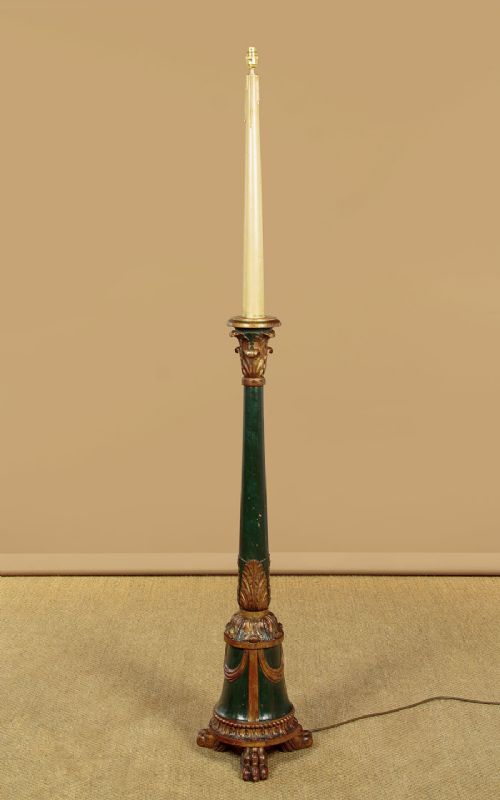


Gilt Wood Style Lamp
A gilt wood style lamp brings warmth and historic presence to a room, channelling centuries of European design into domestic lighting.

Gilt Wood Style Lamp
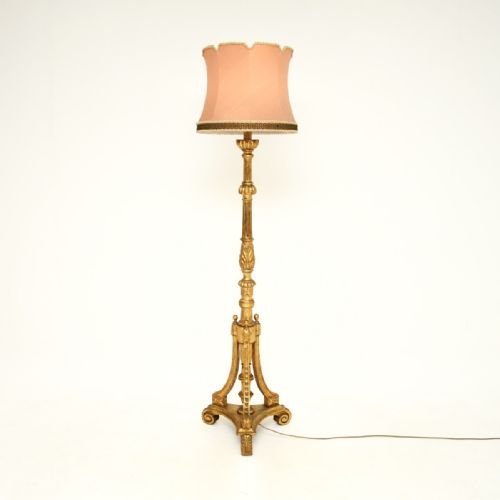
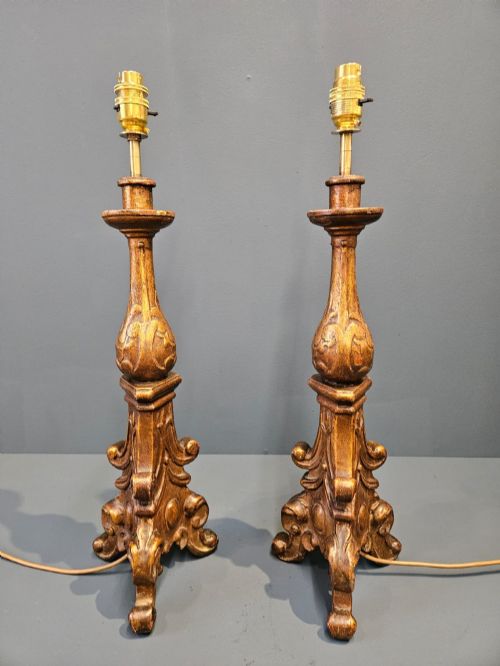
A gilt wood style lamp encompasses floor-standing torchères, slender table bases and standard lamps created to emulate older decorative traditions. When searching for a gilt wood style lamp, you encounter pieces that draw heavily on Italian Baroque, French Rococo and neoclassical vocabularies.
The selection ranges from nineteenth-century survivals to early twentieth-century interpretations, often incorporating carved pine, gesso and applied gold leaf. Many examples reflect specific regional aesthetics, notably Florentine workshops and French chateau styles.
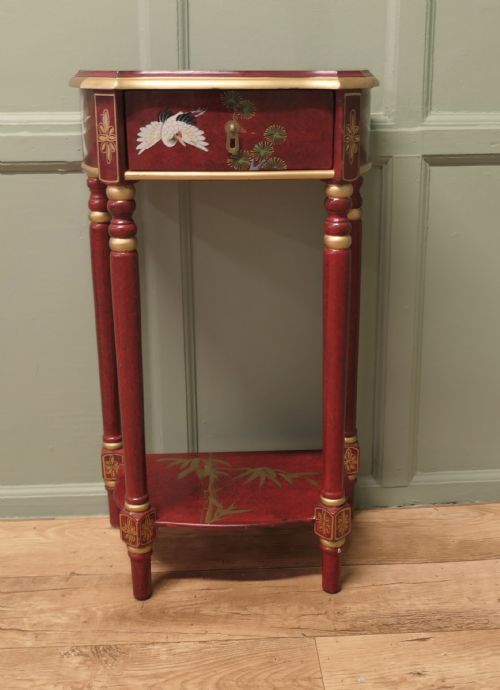
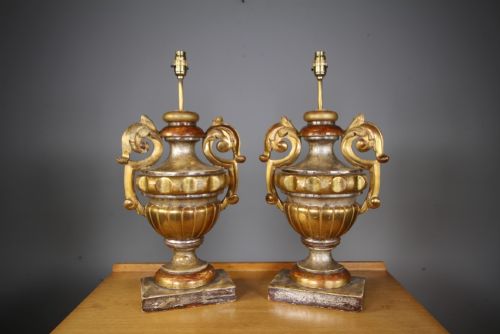
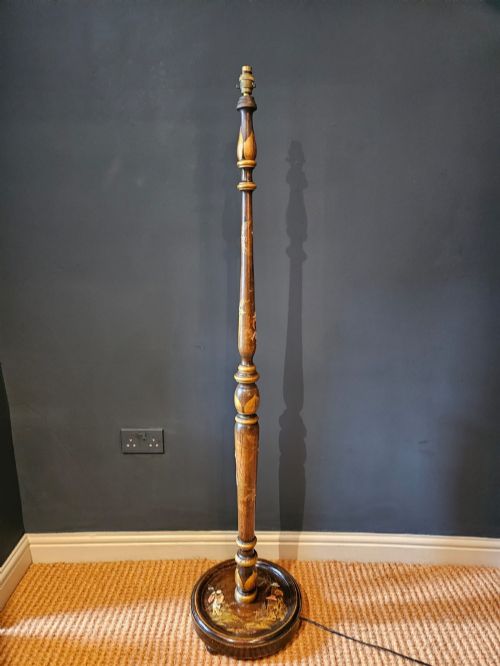
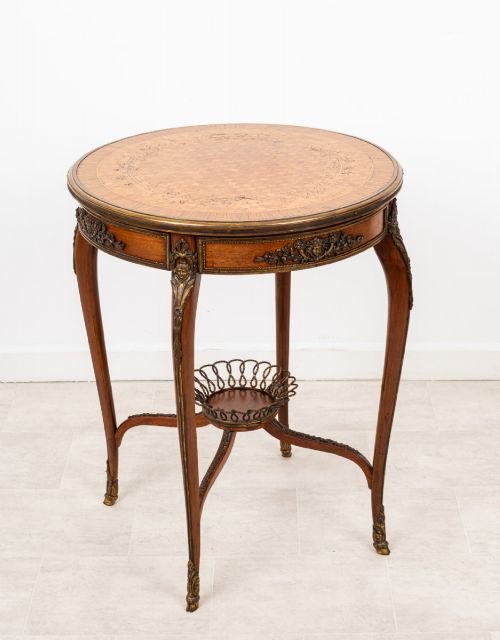
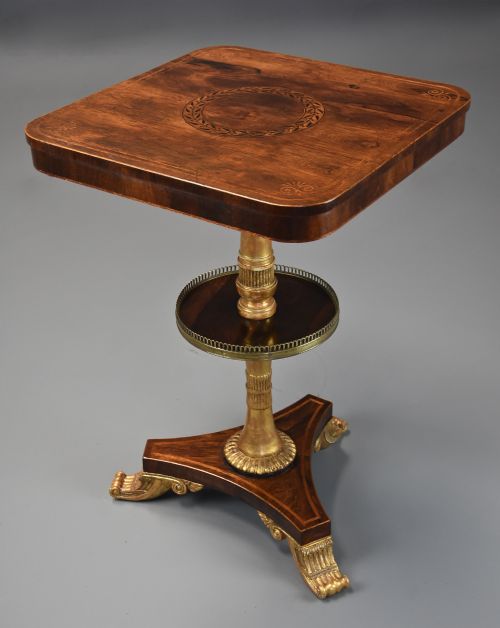
Floor lamps and standard lamps dominate the larger offerings, frequently paired with smaller table lamps derived from converted candlesticks or carved urns. These light fittings often accompany occasional furniture sharing similar gilded and painted surfaces.
Materials and construction
Makers typically built these lamp bases from timber such as pine or mahogany, applying a foundation layer of gesso to smooth the surface before carving intricate details. This gesso layer provided the ideal absorbent ground for laying delicate sheets of gold or silver leaf.
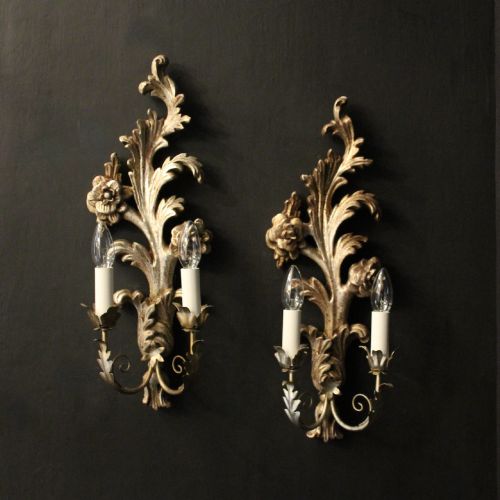
Giltwood and parcel gilt finishes define the visual character of these pieces, sometimes combined with polychrome paintwork, brass fittings or ormolu mounts. Carving ranges from deep, exuberant Baroque acanthus leaves to restrained neoclassical fluting and reeding.
The listings span from the eighteenth to the twentieth century, uniting carved pine, gesso, brass, and rich fabrics across floor and table formats.
Distinctions in quality
Depth and crispness of hand-carving separate standard production pieces from superior examples, where artisans worked the timber and gesso with individual flair. The quality of the gilding itself, including the transition between burnished and matte gold leaf, dictates how the lamp catches ambient light.
Structural integrity relies on the original turning of the timber and the stability of joint work in tall standards or multi-tiered bases. Proportion and balance remain crucial, ensuring that towering floor lamps maintain both visual harmony and physical steadiness.
The Gilt Wood Style Lamp Glossary
- Giltwood
- Wood that has been coated with gold leaf or gold paint. This finish creates a luminous metallic surface that defines much of traditional European decorative arts.
- Gesso
- A plaster mixture applied to wood surfaces as a base for carving and gilding. It provides a smooth, white ground that takes fine detail and metal leaf exceptionally well.
- Standard Lamp
- A tall floor-standing lamp designed to illuminate a room from standing height. These fixtures often share proportions with traditional torchères and candlesticks.
- Chinoiserie
- European theatrical interpretations of Chinese and East Asian artistic traditions. The style frequently appears on lacquered lamp bases and matching occasional furniture.
- Ormolu
- Gilded bronze mounts applied to furniture and decorative objects. The technique adds architectural definition and metallic contrast to timber and painted surfaces.
Gilt Wood Style Lamp: Frequently Asked Questions
How do I clean a gilt wood lamp?
Dust the surface gently with a very soft, dry brush or feather duster to remove loose particles without disturbing the delicate leaf.
Avoid all water, liquid cleaners and polishes, which can permanently strip or dull historic gold leaf and underlying gesso.
Are these lamps recently wired?
Most antique and vintage lighting offered by dealers has been updated with modern flex and plugs to meet current safety standards.
It remains wise to have a qualified electrician inspect any vintage lamp before connecting it to a mains supply.
How do I date a gilt standard lamp?
Examine the timber species, the preparation beneath the gilding, and the turning style of the central column or baluster.
Twentieth-century revival pieces often display machine-tooled elements, whereas nineteenth-century examples show hand-finished tool marks and denser core woods.
Can I use modern shades on these lamps?
Standard shade carriers and fittings accommodate a wide variety of contemporary fabric or parchment shades.
Choose proportions that balance the visual weight of the carved wooden base without overwhelming the silhouette.