





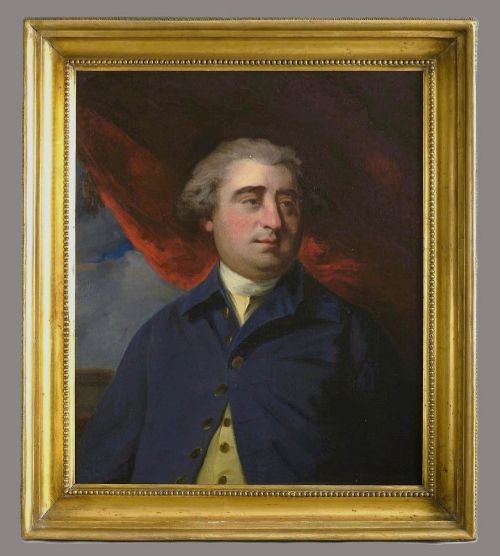

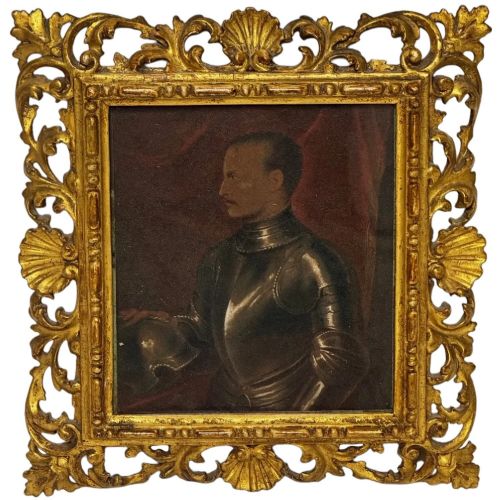
Gilt Wood Portrait
Gilt wood portrait pieces unite painted, printed, or reflected likenesses with ornate metallic frames that elevate historical interiors.
Gilt Wood Portrait
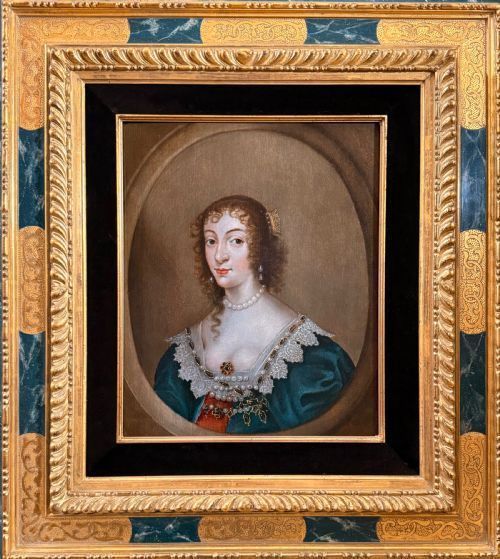
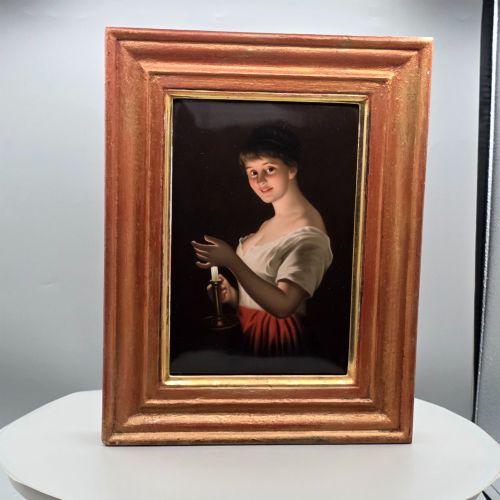
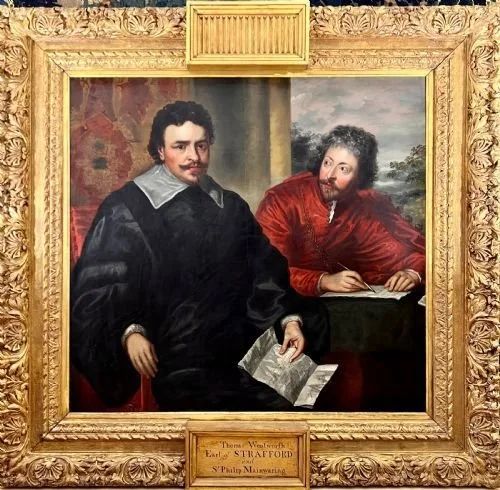
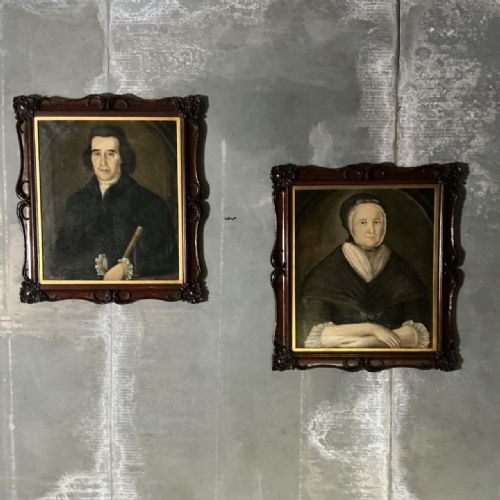
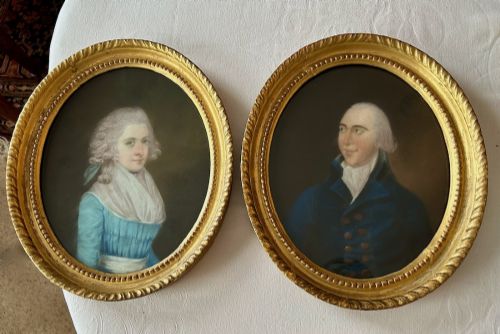
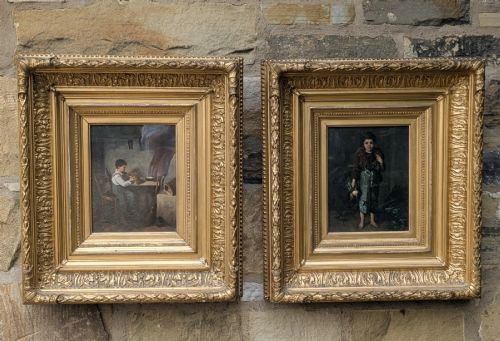
A gilt wood portrait brings together historical artwork and decorative framing, most commonly presenting oil paintings, pastels, or mirrors housed within gilded surrounds. These pieces span from the seventeenth century through the Edwardian era, capturing subjects ranging from aristocratic sitters to military officers.
The objects on this page emerge primarily from English, French, and Italian schools, encompassing formal oil on canvas works, miniature paintings, and carved wall mirrors. Buyers encounter both original period frames paired with contemporary artworks and unified works where the gilded wooden setting dates directly to the creation of the portrait itself.
Materials and construction methods
Makers constructed the primary support structures using seasoned woods such as oak or pine, often applying layers of gesso to smooth the surface before gilding. Artisans then laid down gold leaf by hand, burnishing the metallic surface to achieve a bright finish or leaving it matte for a softer glow.
Portraits themselves utilise oil on canvas, pastel on paper, or porcelain plaques, secured within rebated wooden frames joined at the corners with pegged or mitred joints. Carved ornamentation, from simple egg and dart mouldings to elaborate Baroque and Rococo scrolls, was shaped directly into the wooden substrate or built up in gesso.
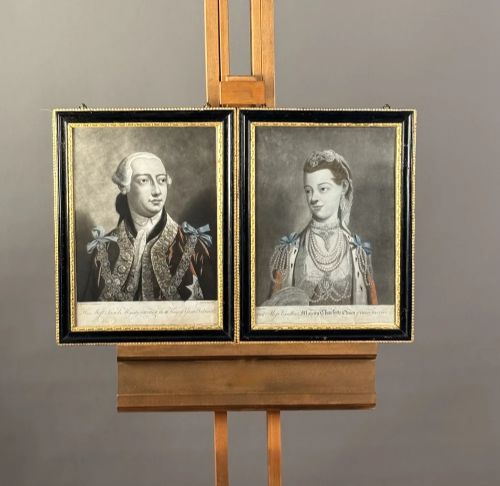
Listings feature works spanning the seventeenth through the early twentieth centuries, utilising oil, pastel, engraving, and print mediums within carved wood and gesso frames.
Distinctions in craftsmanship and preservation
Superior examples display deep, hand-carved wooden relief work within the frame rather than moulded composition paste applied over a plain wooden core. The crispness of the gesso detail and the integrity of the original gold leaf indicate the level of care taken by the original workshop.
The artistry of the portrait itself dictates overall standing, with pieces executed by named studio artists or skilled regional schools commanding greater visual depth. Preservation of the uncompromised surface, minimal relining on canvases, and matching historical frame alignment separate the finest pieces from those with mismatched or heavily restored components.
Sir Joshua Reynolds·Alfred Egerton Cooper·Sir Anthony Van Dyck·Albin Mattenheimer·Élisabeth Louise Vigée Le Brun
The Gilt Wood Portrait Glossary
- Gesso
- A plaster-like mixture applied to wood frames to create a smooth surface for gilding. Artisans carve fine details directly into this hardened layer before applying gold leaf.
- Gold leaf
- Extremely thin sheets of beaten gold applied to the prepared surface of a frame. This material provides the brilliant metallic finish characteristic of period frames.
- Oleograph
- A polychromic print textured to simulate an oil painting on canvas. These works often appear in nineteenth-century decorative settings.
- Pastel
- A dry medium consisting of pigment and a binder used on paper or vellum. These works require glass protection to prevent the pigment from smudging over time.
- Florentine frame
- An ornate, heavily carved wooden frame style originating in Italy. These frames frequently feature pierced scrollwork and rich gilding designed to complement Old Master paintings.
Gilt Wood Portrait: Frequently Asked Questions
How do I date a gilt wood frame?
Examine the construction joints at the corners and the composition of the gesso layer beneath the gold leaf. Hand-cut mitres, tool marks on the wood, and the wear pattern of the metallic leaf often reveal the period of manufacture.
Compare the moulding profile with documented historical styles, keeping in mind that frames and portraits were frequently reunited later in their history.
Can I hang these in direct sunlight?
Direct sunlight poses a significant risk to both the portrait medium and the gilded surface. Ultraviolet rays fade oil paints and pastels, while heat fluctuations cause wood panels and canvas supports to warp.
Position these pieces on interior walls away from direct windows and strong heat sources to preserve the pigments and the stability of the wood.
How should I clean a gilded frame?
Dust the carved surfaces gently with a soft, dry artist brush or a feather duster. Avoid using water, chemical sprays, or abrasive cloths, as moisture and friction easily lift delicate gold leaf from the gesso.
Professional conservators should handle any repairs involving flaking gesso or damaged gilding to prevent further loss to the wooden substrate.
Are original paintings always matched with original frames?
Frames and paintings were frequently separated, replaced, or upgraded over the centuries depending on changing interior tastes. Many period portraits reside in later replacement frames from the same or an earlier century.
Assess the fit of the artwork within the rebate and check for consistent wear between the canvas and the surrounding wood to determine their history together.