






Gilt Wood Pediment
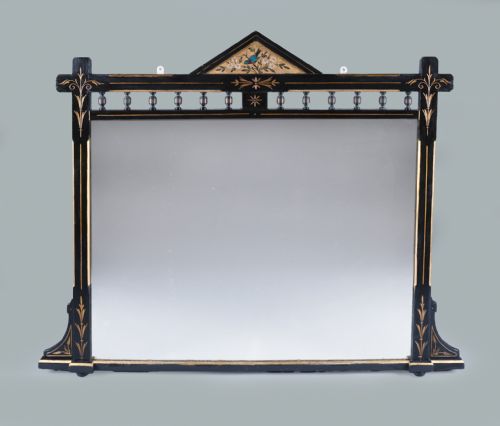
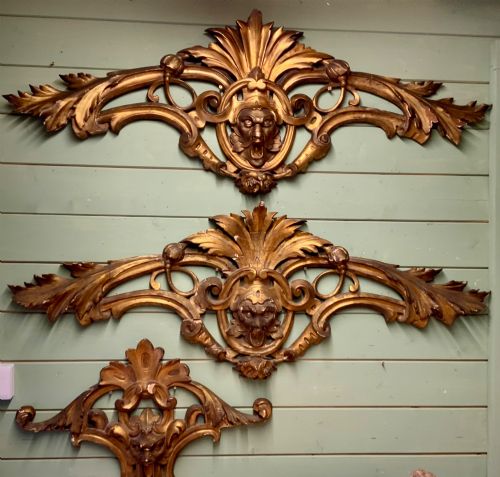
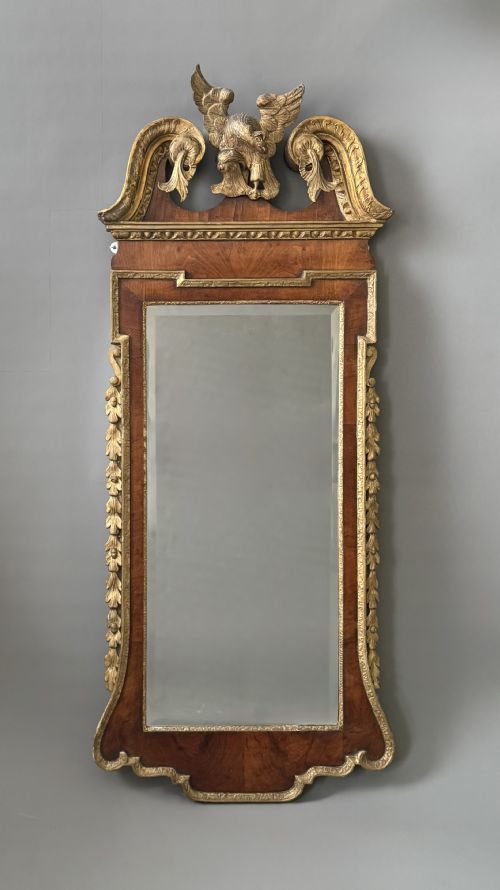
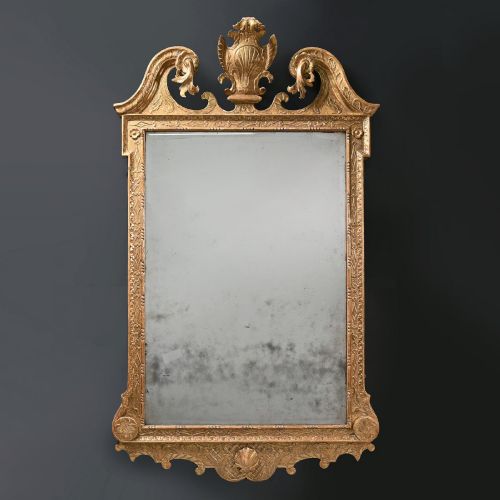
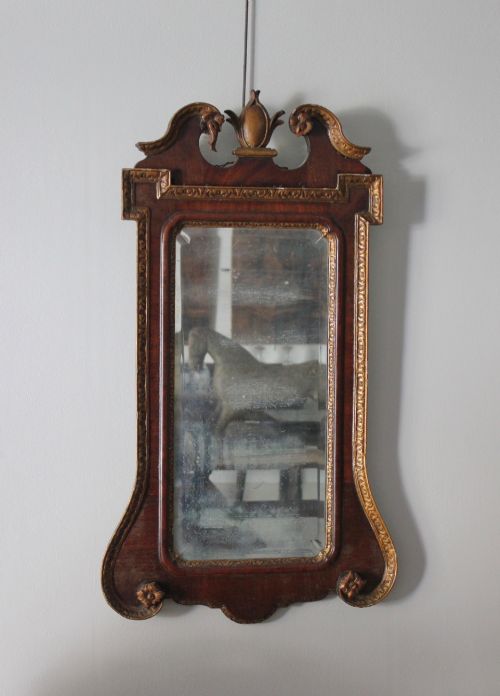
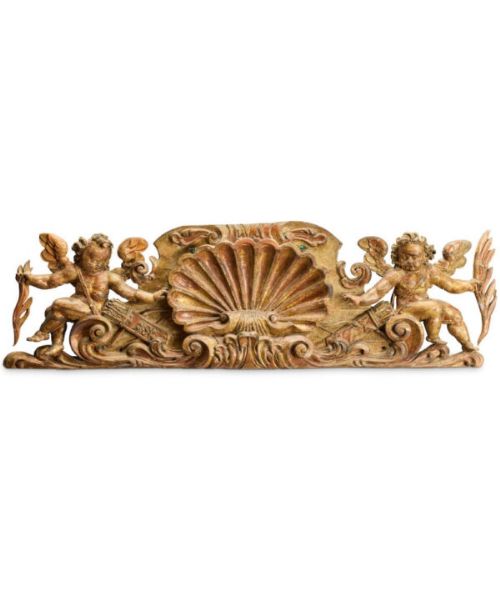
These gilt wood pediment pieces are architectural elements and carved frames bringing classic proportion and gold leaf warmth to an interior.
Gilt Wood Pediment
A gilt wood pediment sits above mirrors, doors, and architectural joinery, bringing carved detail and historical weight to a room. When you search for a gilt wood pediment, you encounter architectural fragments, wall carvings, and mirror crestings spanning the seventeenth through the nineteenth centuries.
The selections on this page draw from Georgian, Baroque, and Rococo styles, reflecting English, French, Italian, and Swedish origins. Pieces range from eighteenth-century carved wood and parcel gilt architectural pediments to nineteenth-century overmantel mirror crests and Italian tabernacles.
Mirrors form a large part of what you meet here, appearing as pier mirrors, overmantels, and marriage mirrors framed in walnut or carved gesso. Alongside these are standalone architectural salvage pieces, wall carvings, and wooden over-doors carrying figures such as cherubs.
Materials and construction methods
Makers shaped these pieces from carved wood, walnut, mahogany, and rosewood, applying gesso to smooth surfaces before gilding. Gold leaf and silver leaf provide the reflective metallic finish seen across the eighteenth and nineteenth century listings.
Carving technique dictates the depth and sharpness of foliage, scrolls, and architectural mouldings on each pediment and frame. Original glass plates, brass inlay, and parcel gilt highlights appear alongside structural elements built with traditional joinery.
Gilt Wood Pediment Retail Price Guide 2026
Typical asking prices for gilt wood pediment among the pieces listed under this phrase on Sellingantiques today, from the lower quarter to the upper quarter. They describe what is for sale here now, not the wider market.
The inventory includes Italian tabernacles, Swedish neoclassical wall mirrors, and English architectural salvage dating back to the seventeenth century.
Judging quality in carved gilt wood
The crispness of the hand-carved detail separates competent joinery from exceptional craftsmanship in architectural wood elements. Deeper undercut foliage and well-defined human or animal figures demonstrate superior skill from the maker.
The preservation of the original gold leaf surface and gesso ground dictates the visual integrity of an antique piece. Uniformity in the gilt finish, minimal loss to the carved wooden substrate, and intact original glass plates elevate certain examples above standard decorative items.
The Gilt Wood Pediment Glossary
- Pediment
- The triangular or curved architectural crowning feature placed above a door, window, or mirror frame. It provides a classical focal point to the top of a structure.
- Giltwood
- Timber that has been coated with gold leaf or gold paint over a prepared gesso ground. This technique creates a rich metallic sheen on wooden frames and carvings.
- Parcel Gilt
- A finishing method where only specific carved details or raised areas of a wooden object are gilded, leaving the underlying wood visible. Walnut and mahogany frequently display this treatment.
- Gesso
- A plaster-like mixture applied to wood to create a smooth surface for subsequent gilding and fine carving. It allows crisp, detailed ornamentation to be modelled before leaf is laid.
- Overmantel
- A large mirror or decorative panel designed specifically to hang above a fireplace mantelpiece. These pieces often feature elaborate carved crests and pediments.
Gilt Wood Pediment: Frequently Asked Questions
What is a gilt wood pediment?
A gilt wood pediment is a decorative architectural crown piece carved from timber and finished with gold leaf. These elements historically sat above doorways, furniture, or mirrors to add grandeur and classical proportion to a room.
On this page, you find pediments integrated into larger mirrors, wall carvings, and architectural salvage pieces dating from the seventeenth to the nineteenth century.
How do I date an antique gilt wood piece?
Dating relies on examining the timber species, the style of the carving, and the composition of the gesso and gilt layers. Eighteenth-century pieces often display hand-carved depth and walnut framing, while nineteenth-century items may reflect revival styles.
Comparing the construction methods of the backing wood and the wear patterns on the gold leaf helps establish the period of origin.
Where should I hang an architectural pediment?
Architectural pediments and carved wood panels suit placement above interior doorways, large windows, or high consoles. They create a strong focal point and draw the eye upward in rooms with high ceilings.
Wall mirrors with carved pediments work effectively above mantelpieces or as standalone statement pieces in hallways and reception rooms.
What is the difference between giltwood and parcel gilt?
Giltwood describes an object where the entire wooden surface is covered in gold leaf or gold paint. The underlying timber is completely hidden beneath the metallic finish.
Parcel gilt refers to a finish where only selected portions of the wood, such as carved motifs or mouldings, receive gilding while the contrasting walnut or mahogany grain remains exposed.