
Gilt Wood Painting
Gilt wood painting brings together the warmth of traditional pigments and the rich, reflective depth of gilded frames or integrated mirror panels.
Gilt Wood Painting
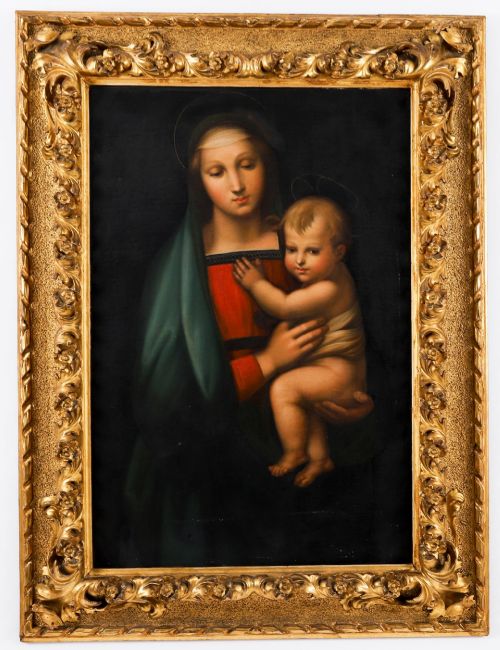
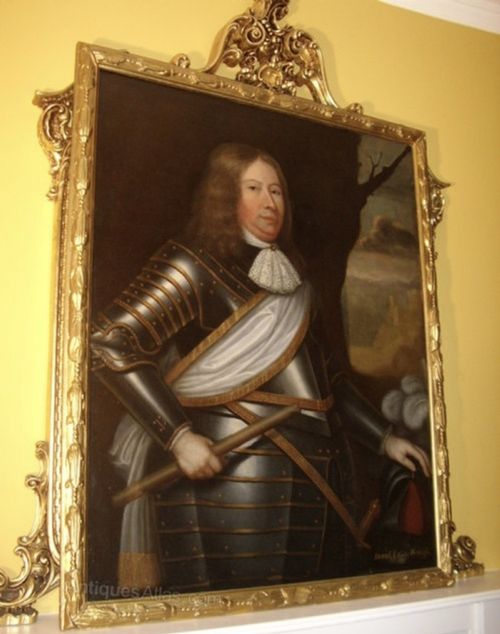
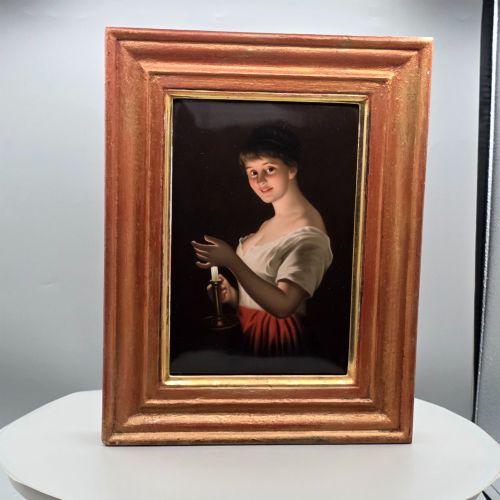
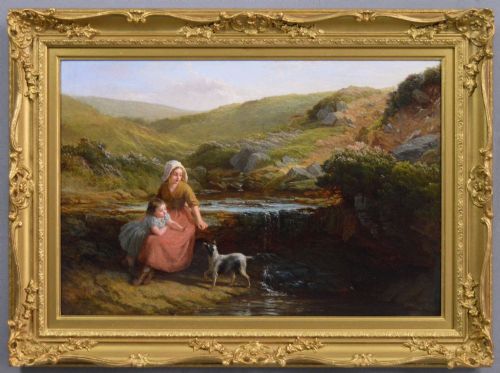
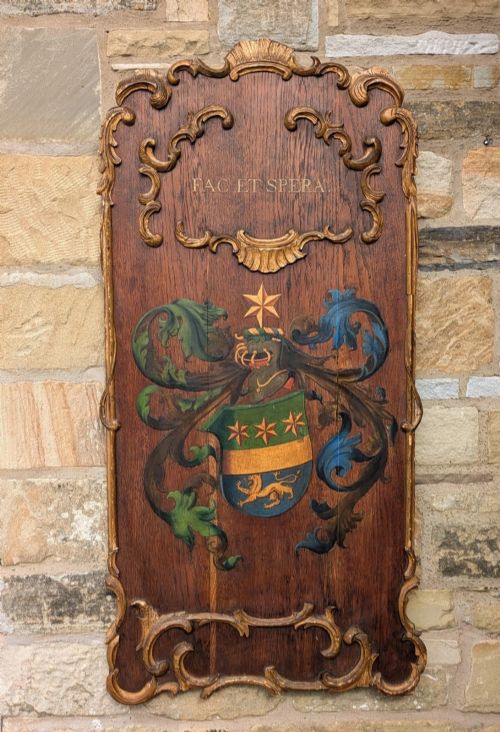
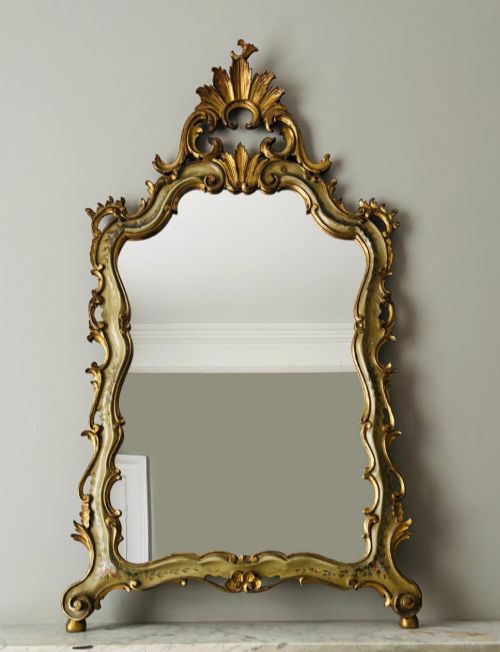
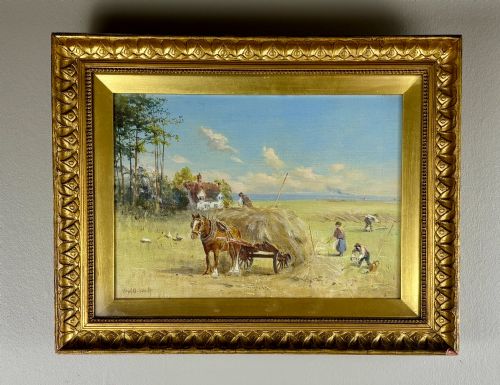
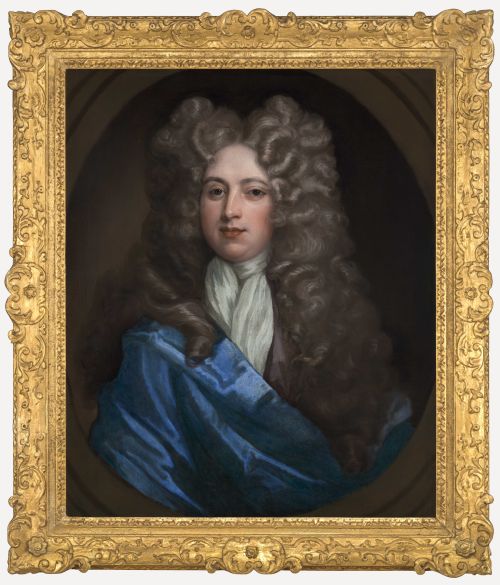
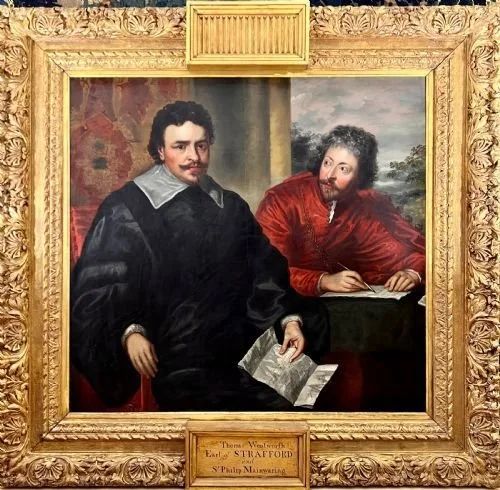
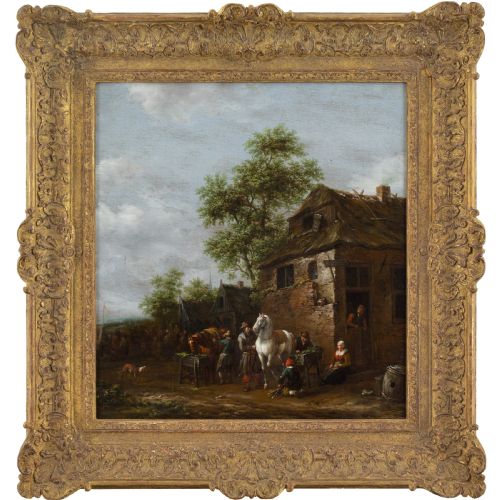
When browsing for gilt wood painting, collectors encounter a diverse selection of framed artworks, decorative mirrors with inset canvases, and painted wooden panels dating from the seventeenth century through to the Edwardian period.
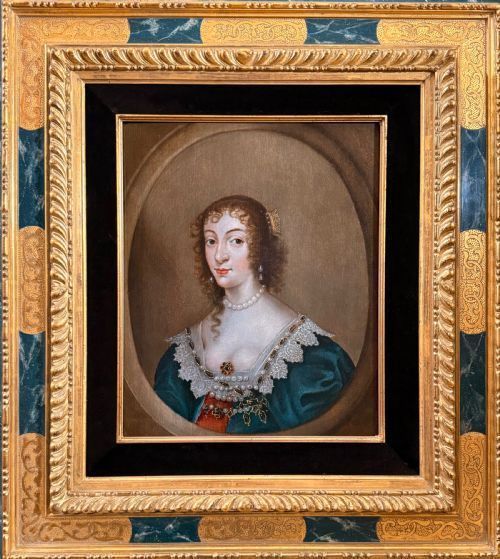
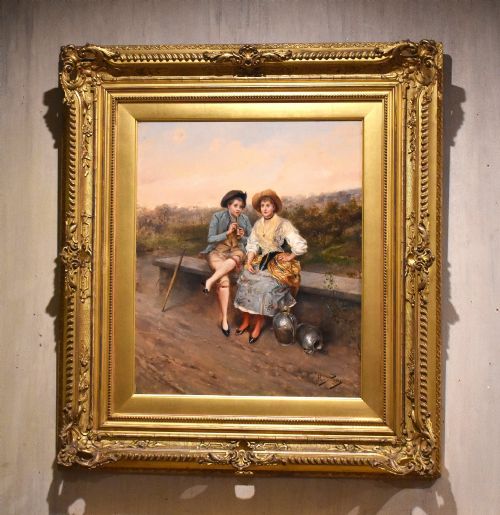
The category encompasses oil paintings on canvas and wood panel, pastels, and watercolours housed within ornate gilded wooden surrounds, alongside architectural trumeau mirrors featuring pastoral or landscape scenes.
Originating from British, French, Dutch, and Italian schools, these works combine fine artistic execution with elaborate framing techniques that define their visual presence.
How they were made
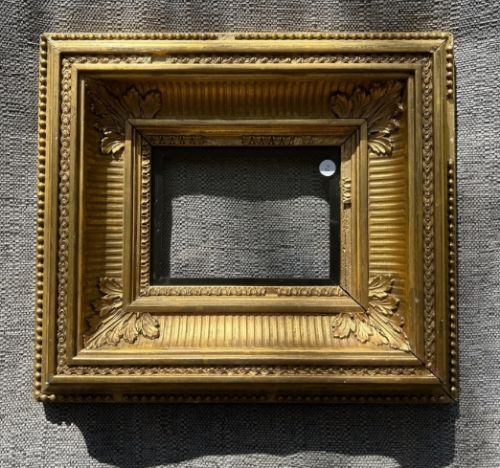
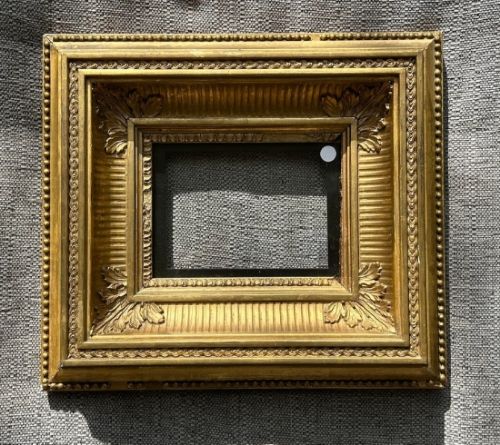
Artisans applied layers of gold leaf or gesso onto carved wooden frames, often burnishing the metal surface to achieve varied sheens that complemented the artwork within.
Canvas, wood panel, and paper served as the primary supports for oil, watercolour, and pastel pigments applied by hand during the seventeenth, eighteenth, and nineteenth centuries.
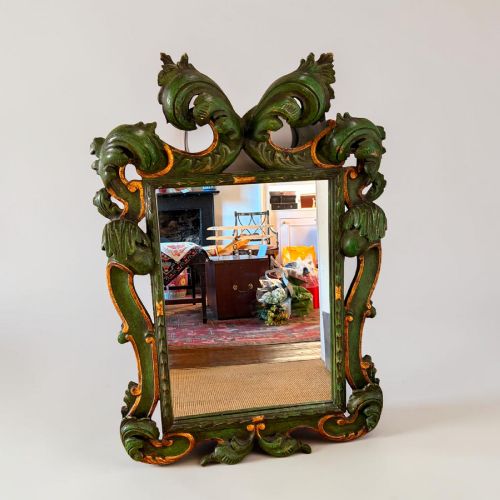
Makers utilised carved wood, glass, and specialised paint finishes such as ebonising or parcel gilt to construct elaborate mirrors, screens, and picture frames.
Several mirrors include pastoral oil scenes positioned high above the glass, allowing livestock to silently supervise everyone in the room.
What varies in quality
The depth and intricacy of hand-carved gesso work on the wooden frames distinguish simpler production from master craftsmanship.
The original integrity of the gilding and the preservation of the underlying canvas or panel significantly influence the overall character of the piece.
Provenance and attribution to documented schools or named artists elevate certain works above standard decorative examples.
The Gilt Wood Painting Glossary
- Giltwood
- Wood that has been coated with gold leaf or gold paint. This technique was widely utilised across centuries to decorate picture frames and furniture.
- Trumeau mirror
- A tall wall mirror that incorporates an oil painting or panel artwork in the upper section. These pieces often feature carved wooden borders and originated largely in eighteenth and nineteenth-century France.
- Gesso
- A paint mixture consisting of a binder mixed with chalk, gypsum, or pigment. It was applied to wooden frames as a smooth base before the application of gold leaf.
- Oil on canvas
- Pigments bound in a drying oil medium applied to a stretched canvas support. This method became standard for European painting from the Renaissance onwards.
- Parcel gilt
- A decorative technique where only specific portions of a wooden object or frame are gilded, leaving other areas painted or exposed.
Gilt Wood Painting: Frequently Asked Questions
How do I care for a gilt wood frame?
Keep the piece away from direct sunlight and fluctuating humidity to protect the delicate gold leaf and underlying wood from cracking or fading.
Dust the carved surfaces very gently with a dry, soft brush rather than using wet cloths or chemical cleaning solutions.
What periods do these paintings come from?
The available selection spans from the seventeenth century through the Victorian and Edwardian eras up to the early twentieth century.
Earlier examples often feature Dutch or Italian school influences, while later pieces reflect nineteenth-century realism and impressionist styles.
How are trumeau mirrors used in a room?
These tall architectural mirrors were traditionally hung above mantelpieces or console tables to reflect light and fill vertical wall space.
The integrated oil painting serves as a secondary decorative artwork fixed permanently into the upper portion of the frame.