



Gilt Wood Columns
Gilt wood columns provide architectural presence through carved timber, gesso and gold leaf.
Gilt Wood Columns
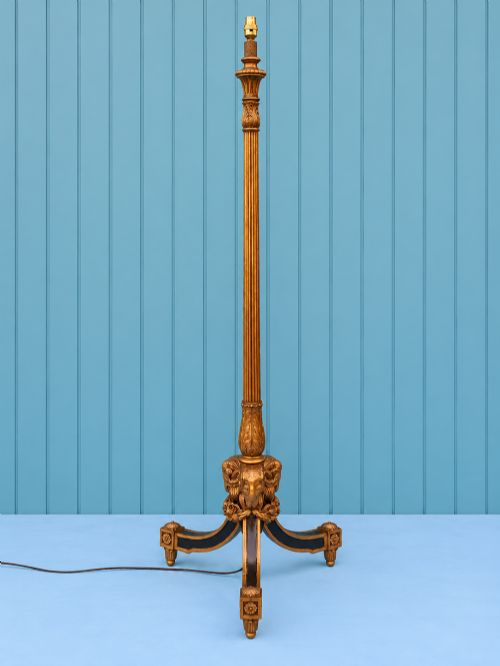
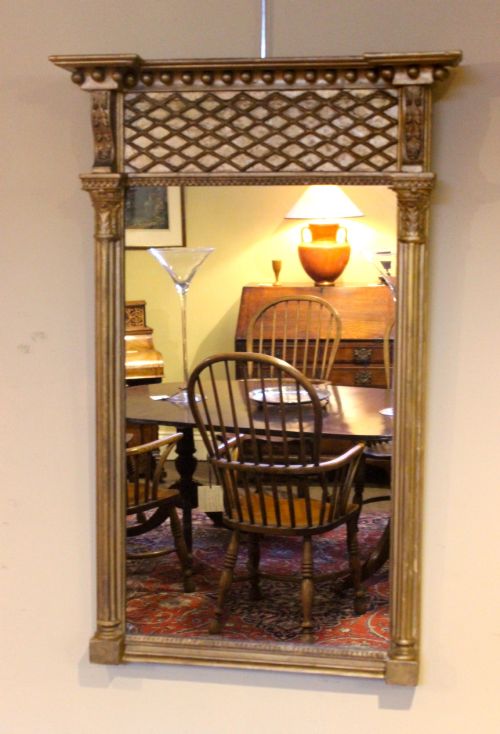
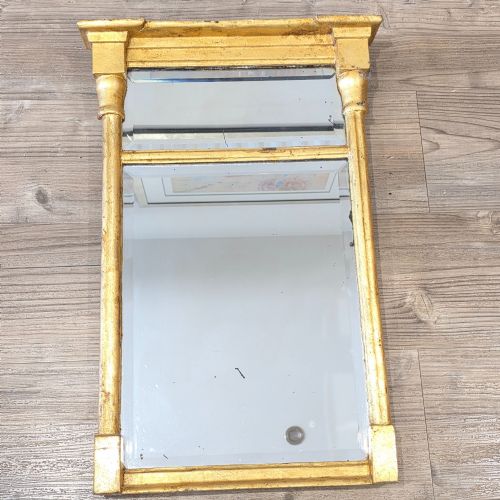
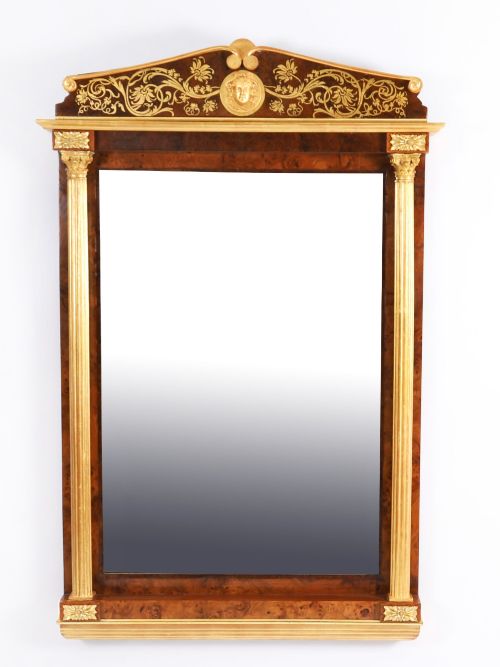
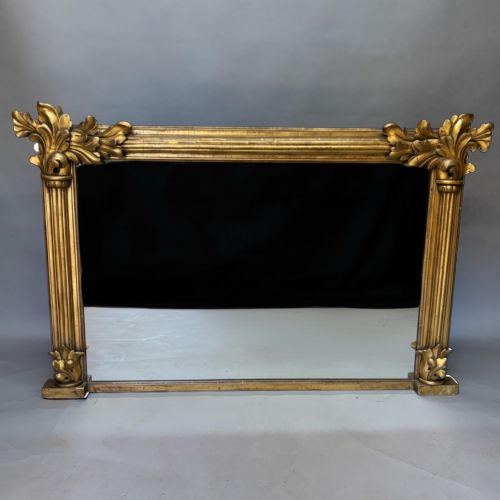
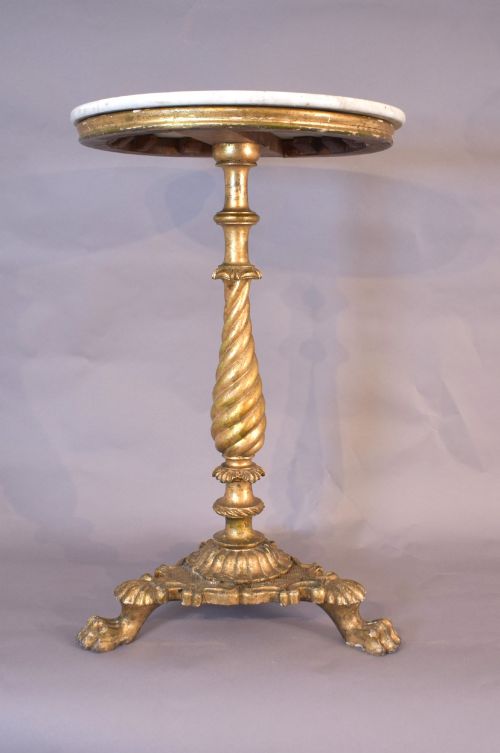
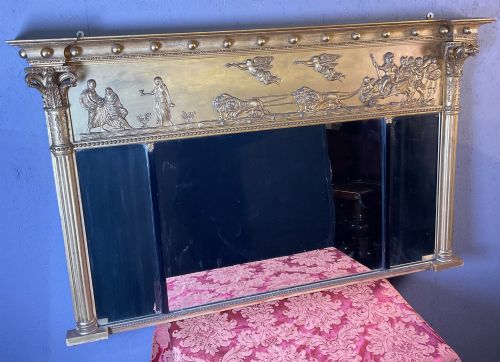
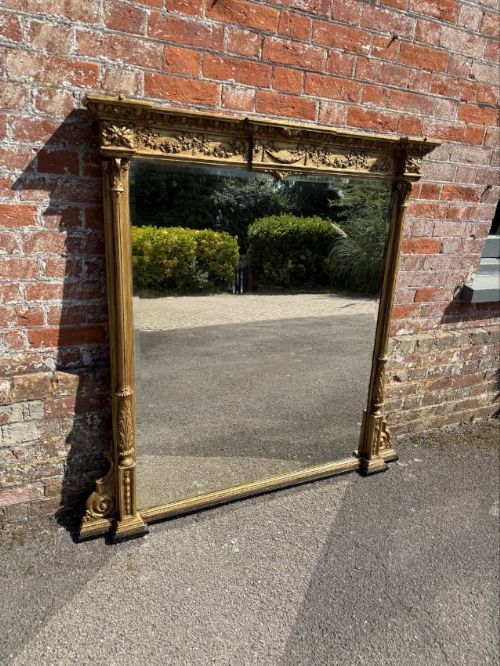
When buyers search for gilt wood columns, they look at architectural supports, torcheres, pedestals and framing elements around mirrors that bring neoclassical or baroque warmth to a room. The most common examples met on this page are nineteenth century English and French overmantel mirrors and freestanding pedestals featuring gilded timber.
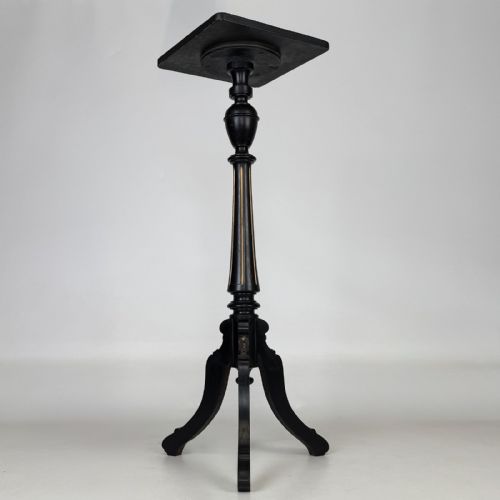
The objects span centuries from the eighteenth to the twentieth, incorporating Regency, Victorian, and Italian Baroque styles. Alongside standalone pedestals and torchere stands, columns appear integrated into the sides of pier mirrors and overmantel frames.
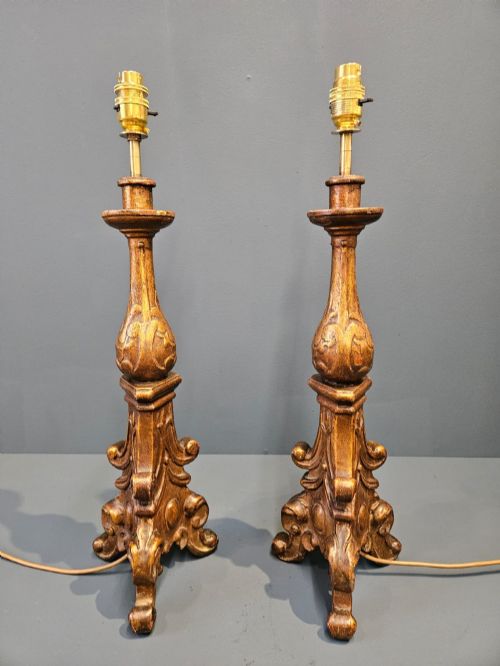
Makers utilised these forms to elevate domestic interiors, drawing on French Chateau and Grand Regency aesthetics. Pieces range from grand scale architectural salvage columns to smaller decorative table lamps and plant stands.
How they were made
Carved wood provides the primary structural core for these pieces, often shaped from timber such as walnut, maple, or olive wood before surface treatment. Artisans applied layers of gesso over the carved wood to create a smooth, dense base for detail work.
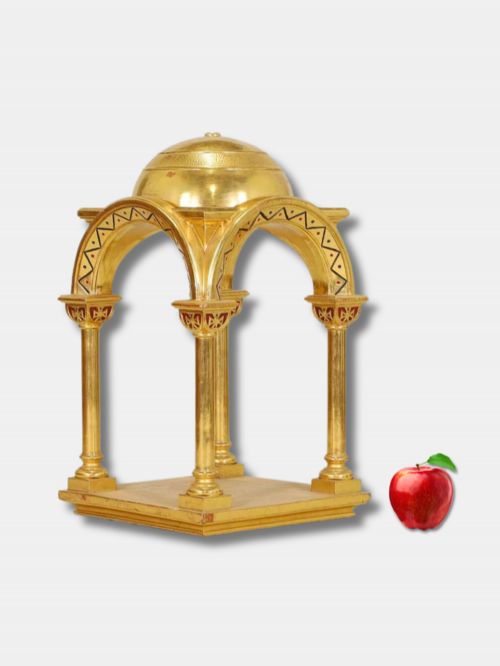
Gold leaf or liquid gilding was laid meticulously over the gesso preparation to achieve a reflective metallic finish. Parcel gilt examples combine exposed wood grain, paint or ebonisation alongside sections of bright gold leaf.
Gilt Wood Columns Retail Price Guide 2026
Typical asking prices for gilt wood columns among the pieces listed under this phrase on Sellingantiques today, from the lower quarter to the upper quarter. They describe what is for sale here now, not the wider market.
The goddess Fortuna stands carved in wood from seventeen-ninety, ready to distribute luck to any room she graces.
What varies in quality
The depth and crispness of the hand-carved wood under the gesso layer separate finer pieces from simpler production. Superior objects retain intact, detailed gesso mouldings without heavy cracking or poor modern repairs.
The application of gold leaf demonstrates maker skill, where burnished high points contrast against matte recesses. Quality also shows in the choice of underlying timber and the structural integrity of joints on tall pedestals and mirrors.
Gillow and Co
The Gilt Wood Columns Glossary
- Gesso
- A plaster mixture applied to wood surfaces as a preparation for gilding or painting. It accepts fine carving and holds gold leaf securely.
- Giltwood
- Timber decorated with gold leaf or gold paint applied to the surface. It captures ambient light in period rooms.
- Pier Mirror
- A tall glass designed to hang on the wall between windows, frequently flanked by columns or pilasters. These often incorporate gilt frames.
- Torchere
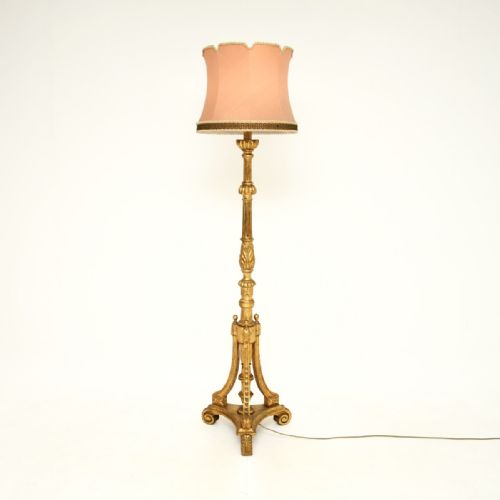
- A tall stand or pedestal designed to support a candelabrum, lamp or decorative object. Examples here use carved and gilded wood.
- Parcel Gilt
- Decoration where only specific portions of an object are gilded, leaving painted or polished wood visible elsewhere. This technique highlights particular architectural lines.
Gilt Wood Columns: Frequently Asked Questions
How do I place a gilt wood column in a modern room?
Freestanding pedestals and torcheres function well as display surfaces for sculpture or plants in a corner. They introduce height and vertical lines to a minimalist space.
Wall-mounted mirrors with column frames bounce light across a room while serving as focal points above a fireplace or console table.
What is the difference between giltwood and parcel gilt?
Giltwood describes an object completely covered in gold leaf or gold paint over its wooden base. Every visible surface shines with a metallic finish.
Parcel gilt objects feature partial gilding where gold leaf accents specific carved details against a painted, ebonised or natural wood background.
How do I care for antique gilded surfaces?
Dust these pieces gently with a dry, soft feather duster or a clean microfibre cloth. Avoid all commercial cleaning sprays, water and abrasive materials.
Keep gilded furniture away from direct sunlight and strong heat sources to prevent the underlying gesso and wood from drying out or cracking.
How can I tell a nineteenth-century piece from a later reproduction?
Examine the construction joints, timber type, and the ageing of the gesso and gold leaf under magnification. Hand-carved elements display minor irregularities absent in cast resin copies.
Nineteenth-century mirrors often feature original old glass with minor foxing and heavy timber backboards secured with handmade screws.