



Gilt Tooled Leather
Gilt tooled leather covers functional surfaces and decorative items with pressed gold leaf designs across desks, boxes, and books.
Gilt Tooled Leather
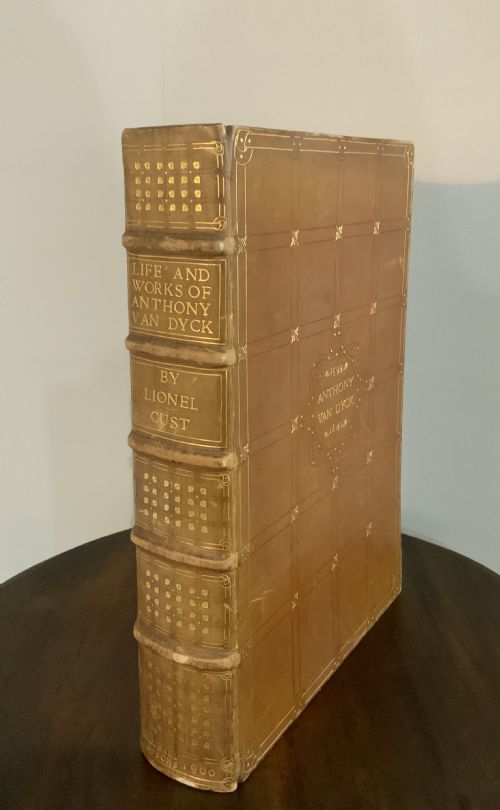
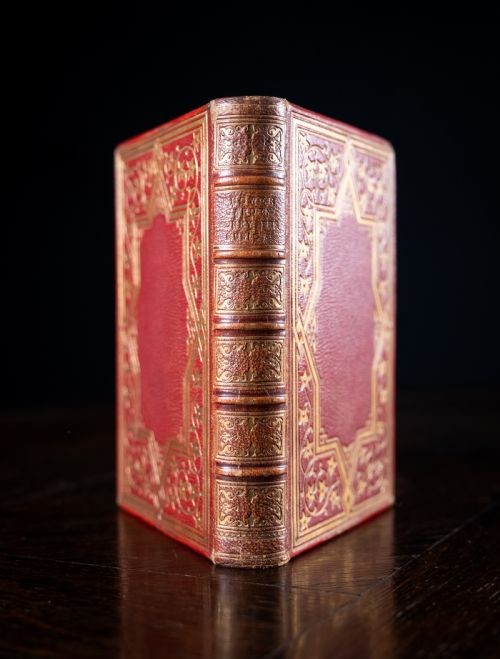
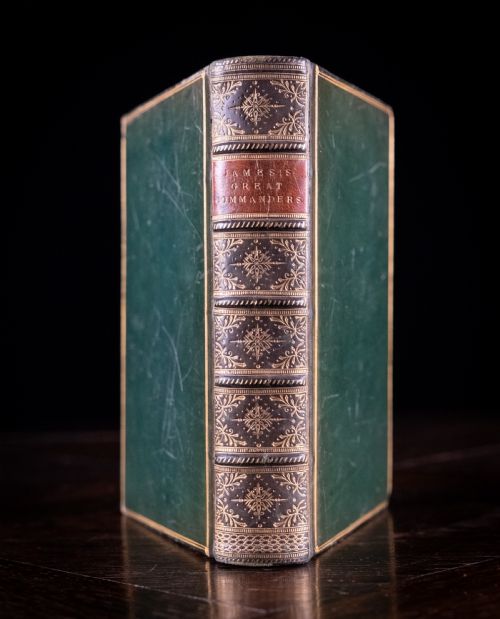
When you search for gilt tooled leather, you encounter a variety of objects that integrate pressed gold leaf ornamentation upon animal hide surfaces. These pieces range widely in function, covering library volumes, games boards, writing furniture, and small decorative caskets.
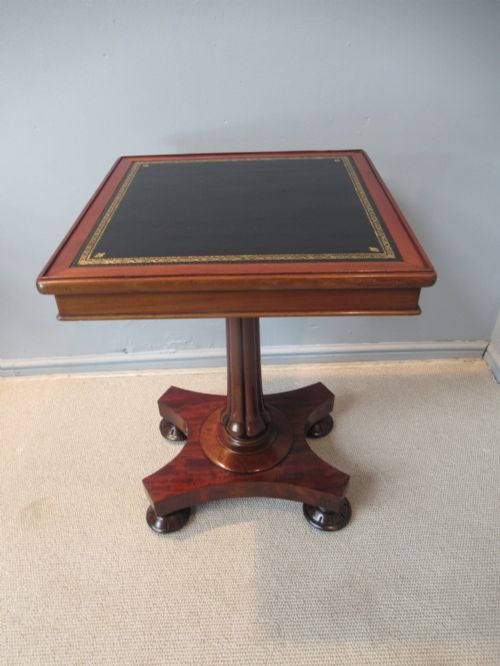
The items you meet on this page lean heavily toward nineteenth-century domestic and study furnishings, alongside antiquarian books and specialised storage boxes. Victorian desks, side tables, and faux book containers form a prominent portion of the selection.
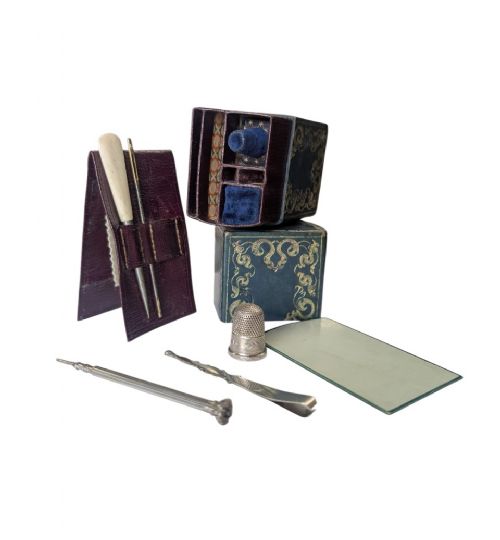
Beyond desk accessories, the material appears on portable containers including sewing boxes, etuis, and instrument cases. Each object uses the decorated hide to introduce texture and a metallic gleam to functional everyday items.
Materials and construction methods
Craftsmen built the underlying structures of these items using durable timbers such as mahogany, walnut, oak, and kingwood, often shaping them into tables, boxes, or book bindings. Selected hides, predominantly calfskin and general leather, were then pared down and stretched over the wooden cores or pasteboard foundations.
Decoration relied on heated brass tools pressed into the leather through gold leaf or foil, leaving a permanent metallic impression in the depressed channels. Binders and cabinetmakers also incorporated secondary elements like brass mounts, ormolu, velvet, and paper linings to complete the works.
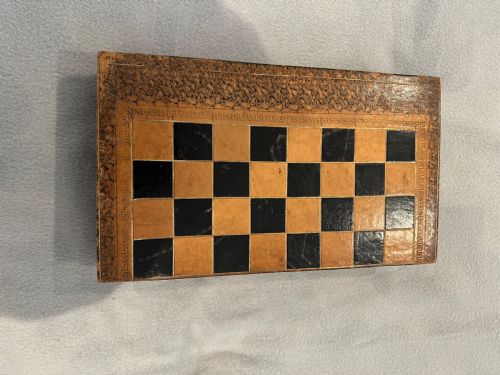
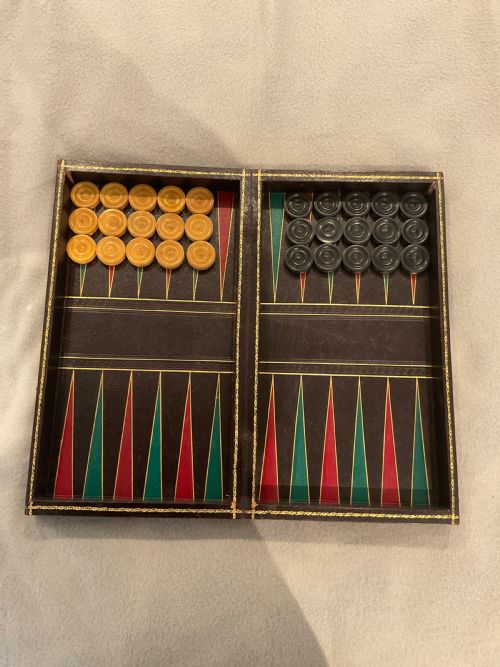
Several items disguise themselves as innocent volumes on the shelf, secretly opening up to reveal games boards or hidden storage compartments.
Distinctions in craftsmanship
The standard of the gold tooling largely determines the distinction between ordinary utility pieces and finer creations. Crisp, deep impressions that retain their metallic brilliance indicate skilled hand application, whereas shallow or blurred gilding suggests hurried production.
The selection of the underlying timber and the precision of the leather paring around corners and hinges further separate workshop tiers. Superior examples display seamless joins in the hide alongside carefully matched wood grain and robust internal construction.
Fitzmaurice West London
The Gilt Tooled Leather Glossary
- Skiver
- A thin split leather surface traditionally used for the writing inserts on desks and tables. It provides a smooth plane specifically suited for handwriting.
- Gilding
- The application of gold leaf to a surface using heat and pressure. This technique creates the metallic sheen characteristic of the stamped designs.
- Faux Book
- A container, box, or games board constructed to resemble a collection of bound volumes. These items often conceal compartments for storage or gaming pieces.
- Tooling
- The process of impressing patterns or text into leather using heated metal stamps. Artisans repeat individual stamps along borders or combine them into larger decorative motifs.
- Ormolu
- Gilded bronze mounts applied to furniture, caskets, and writing boxes. The metalwork provides structural reinforcement and decorative contrast against the dark leather.
Gilt Tooled Leather: Frequently Asked Questions
What is gilt tooled leather?
It is a decorative technique where gold leaf is pressed into animal hide using heated metal tools to create permanent metallic patterns.
The process appears across a wide variety of domestic objects, from library bindings and games boards to desk inserts and storage caskets.
How do I care for antique leather?
Antique leather requires protection from direct sunlight and excessive dryness to prevent the hide from cracking over time.
Gentle dusting with a dry cloth is generally sufficient, avoiding modern chemical cleaners that might lift the delicate gold leaf tooling.
Where were these pieces used?
These items were primarily utilised in nineteenth-century studies, libraries, drawing rooms, and offices as functional writing surfaces or decorative containers.
Portable versions such as etuis, sewing boxes, and blotters were also carried or kept close at hand for daily correspondence.
How can I tell the period?
Dating relies on combining the underlying wood timbers, the style of the furniture carcass, and the typography or binding style of associated books.
Victorian and Edwardian examples often feature walnut or mahogany frames paired with distinct decorative motifs like Chinoiserie or classical revival styles.