






Gilt Religious Sculpture
These gilt religious sculpture pieces bring centuries of devotion into a room through gold leaf, carved wood, and bronze.
Gilt Religious Sculpture
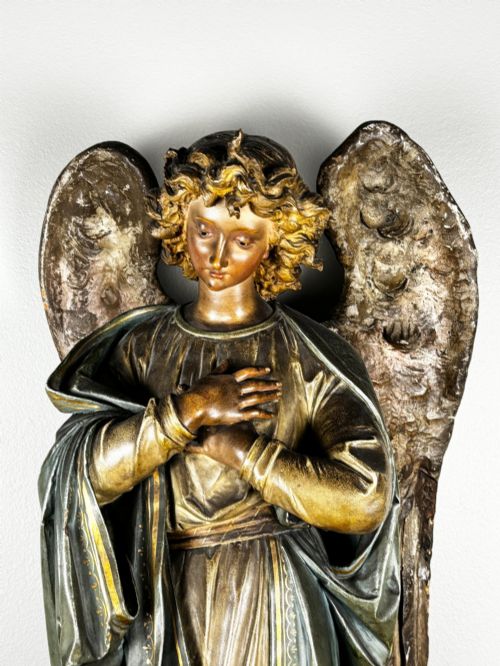
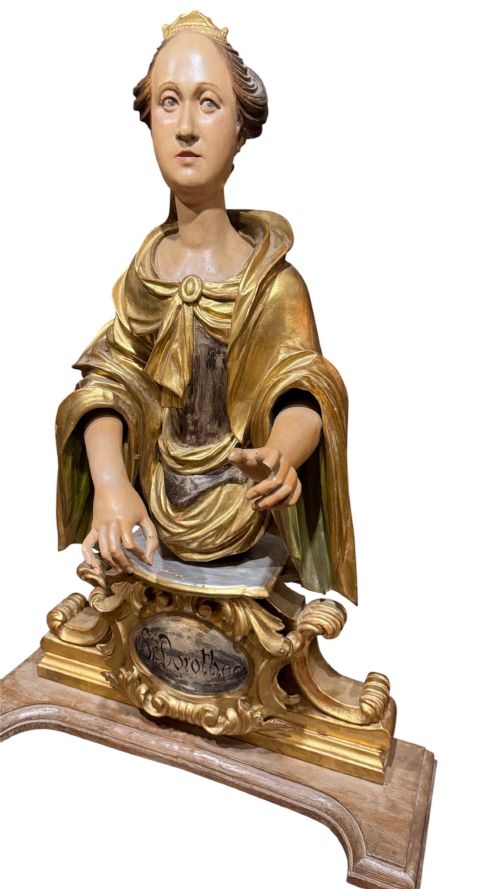
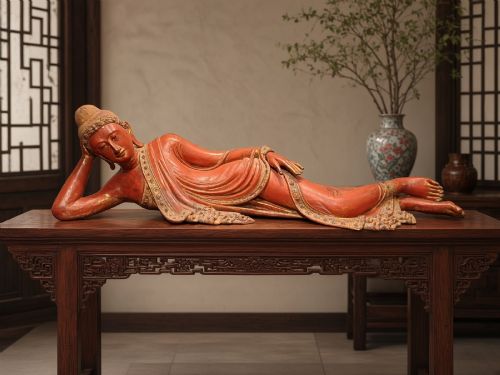
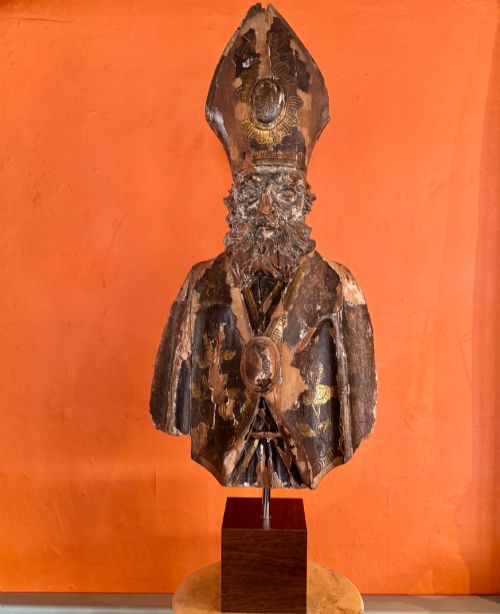
A gilt religious sculpture is an ecclesiastical or devotional figure dressed in gold leaf, spanning the sixteenth century to the Edwardian period. Buyers searching this phrase encounter everything from French angels and Italian bishops to Burmese and Chinese figures.
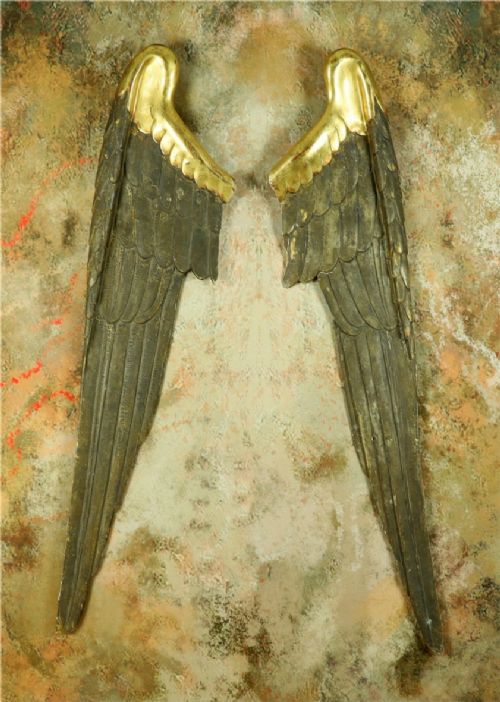
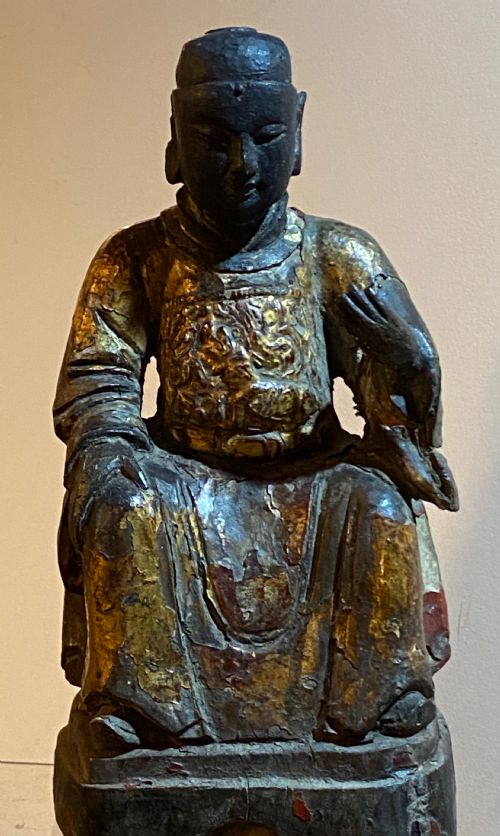
The selection ranges from architectural fragments like carved wood angel wings and cherub heads to substantial statues of saints, Buddhas, and temple guardians. These pieces cross European and Asian traditions, uniting diverse faiths through the common application of gold leaf and gesso.
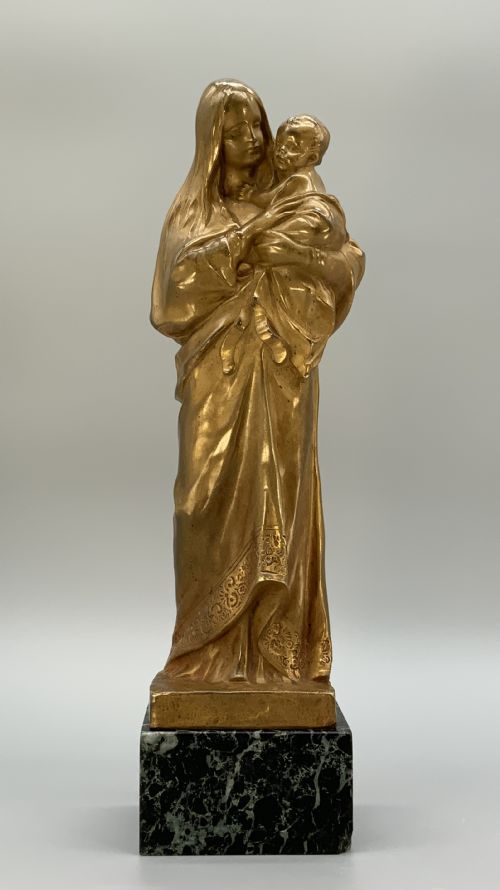
Figures of the Virgin Mary, Saint Francis, and various Buddhas appear frequently across the centuries. Most works rely on carved wood as a substrate, though bronze examples also surface.
How they were made
Makers shaped these sculptures primarily from woods like limewood or general carved wood, applying gesso as a smooth base for subsequent gilding. Gold leaf provided the brilliant surface that caught candlelight in dim churches and temples.
Polychrome decoration often accompanied the gilding, adding naturalistic skin tones and coloured garments beneath or beside the gold. Bronze casting formed an alternative method for durable figures, finished with gilt details or overall plating.
Gilt Religious Sculpture Retail Price Guide 2026
Typical asking prices for gilt religious sculpture among the pieces listed under this phrase on Sellingantiques today, from the lower quarter to the upper quarter. They describe what is for sale here now, not the wider market.
Materials across these listings span gold leaf, wood, gesso, polychrome, carved wood, lacquer, gilt bronze, and bronze.
What varies in quality
The depth of carving separates standard figures from exceptional works, visible in the treatment of drapery folds and facial expressions. Master carvers captured movement in hair and fabric that lesser workshops missed.
The preservation of the original gold leaf and gesso surface dictates much of the visual impact. Patina accumulated over centuries on wood and bronze adds depth, provided the underlying material remains stable.
Hans Müller
The Gilt Religious Sculpture Glossary
- Gesso
- A plaster mixture applied to wood surfaces to prepare them for gilding or painting. It provides a smooth ground that holds fine carved detail.
- Gold Leaf
- Gold beaten into extremely thin sheets used to gild the surface of wood or bronze sculptures. It creates a luminous finish resistant to tarnish.
- Limewood
- A fine-grained wood favoured by European carvers for its even texture and suitability for intricate detail. It holds sharp edges exceptionally well.
- Ecclesiastical
- Relating to the Christian Church or its clergy. These pieces typically originate from church interiors or private chapels.
Gilt Religious Sculpture: Frequently Asked Questions
How should I clean a gilt sculpture?
Dust these pieces gently with a soft dry brush to protect the delicate gold leaf and gesso surfaces.
Avoid liquid cleaners, moisture, and chemical polishes entirely, as they strip the historic gilding.
Where were these sculptures displayed?
Original settings included European churches, domestic shrines, and Asian temples where they served focal points for prayer.
Today they sit on mantels, brackets, or dedicated tables in private collections.
How do I identify the period?
Look to the carving style, such as Baroque curves or regional characteristics from French or Asian workshops.
Material composition and the wear of the gesso also point toward specific centuries.
Are bronze and wood pieces different?
Bronze figures offer heavier weight and cast detail, while wood sculptures rely on hand carving and gesso layers.
Both methods utilise gold leaf to achieve a luminous finish.