
Gilt Porcelain Urn Pair
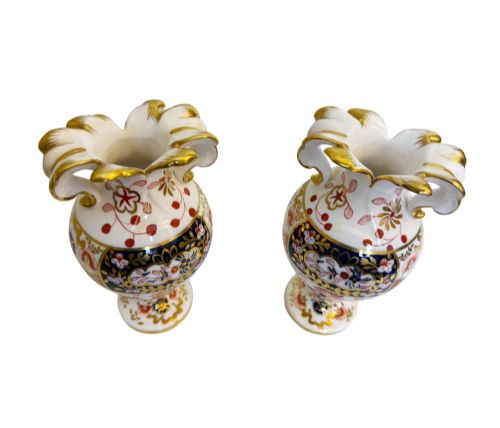
These gilt porcelain urn pairs bring together hand-painted ceramics and gleaming metal mounts, offering symmetrical elegance for any mantelpiece or side table.
Gilt Porcelain Urn Pair
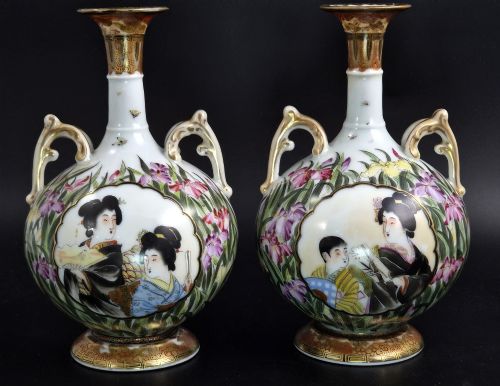
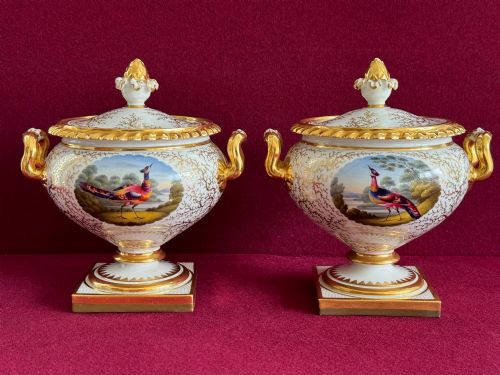
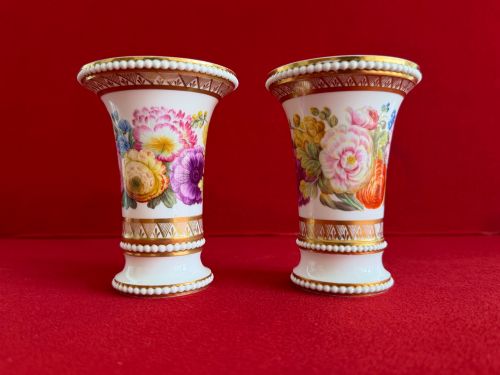
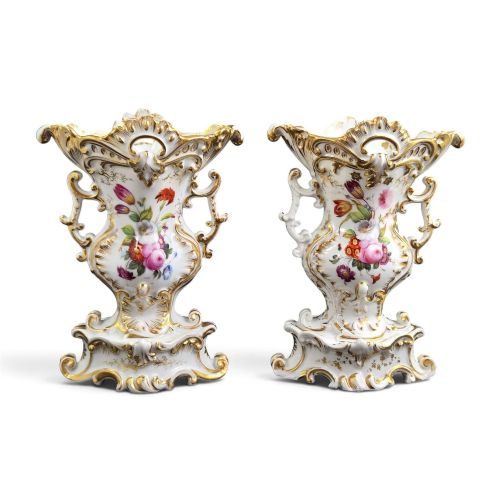
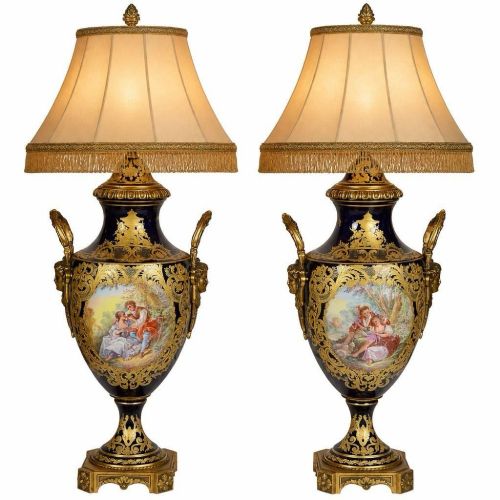
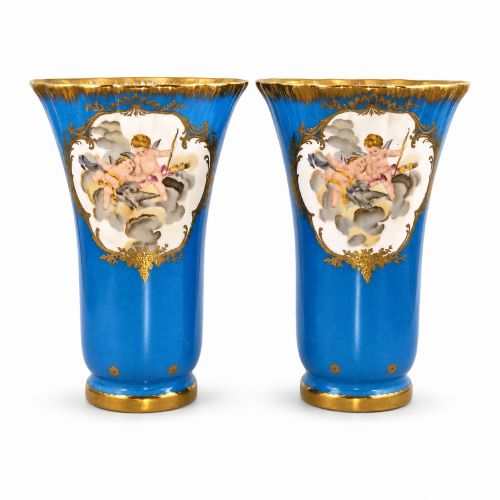
The forms span lidded jars, campana vases, baluster vases, and jardinieres, frequently adapted across periods like the Regency, Victorian, and Edwardian eras. Many French pieces adopt the Sèvres style or Rococo Revival aesthetics, displaying hand-painted scenes alongside rich cobalt and turquoise glazes.
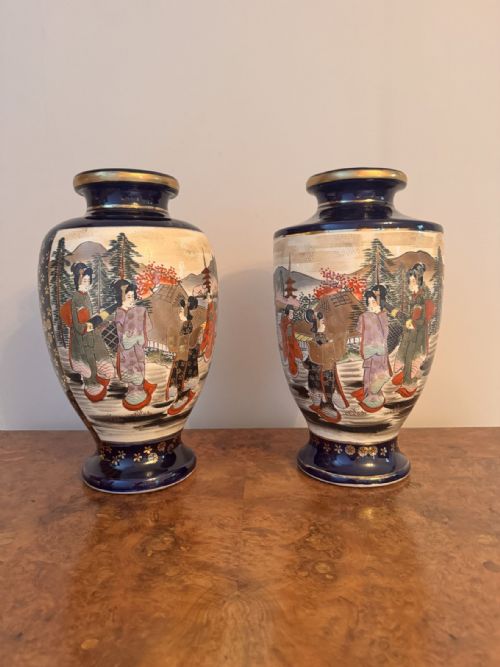
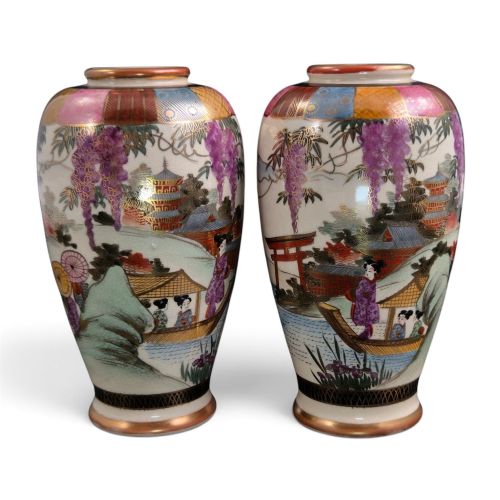
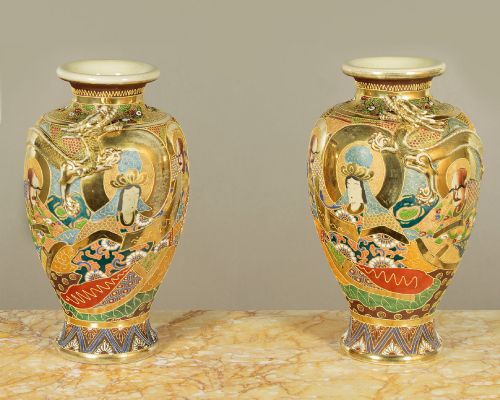
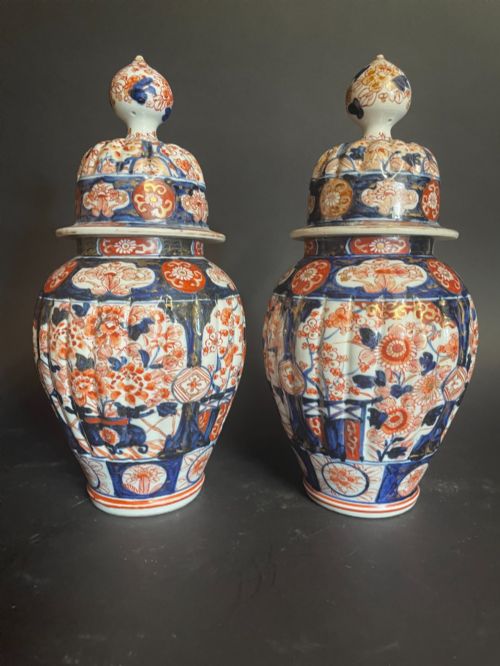
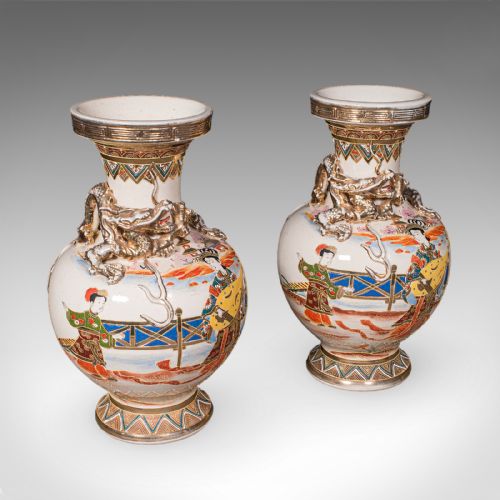
Asian export ceramics also feature strongly, particularly Japanese Satsuma and Kutani wares produced during the Meiji and Taisho periods. These dual groupings often served as decorative mantel garnitures or were later converted into table lamps with handmade shades.
How they were made
Makers shaped the ceramic bodies by throwing clay on a wheel or slip-casting in moulds before applying glazes such as blue celadon, powder blue, or blush ivory. Artisans then hand-painted detailed floral motifs, landscapes, or figurative scenes using enamels and gold leaf.
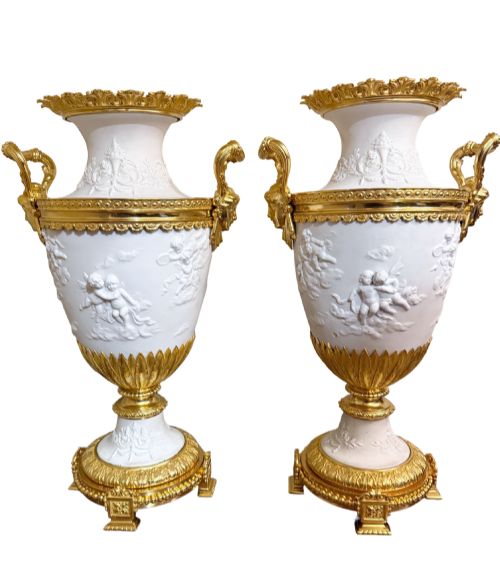
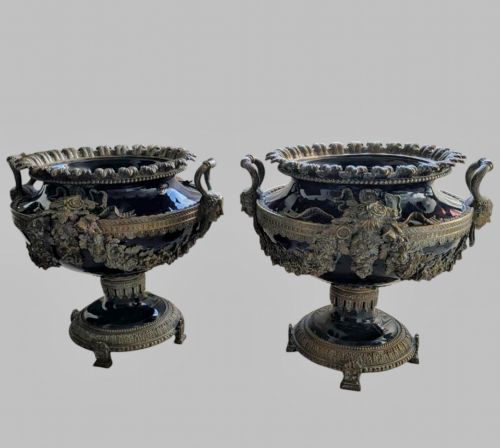
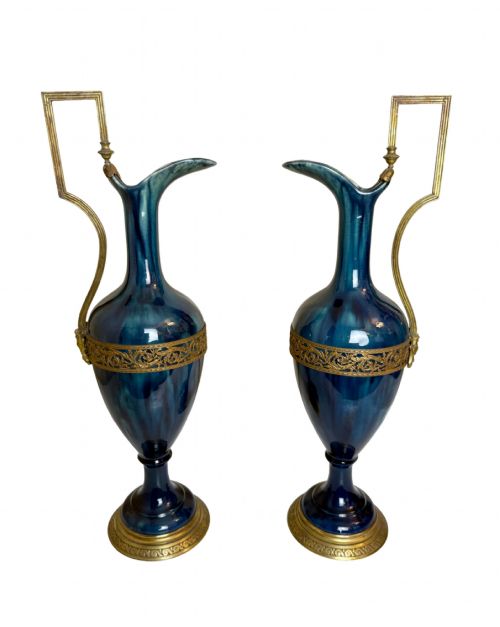
Metalworkers cast bronze mounts using the lost-wax technique to create handles, bases, and rims, subsequently applying mercury gilding or ormolu finishes. These metal mounts were secured to the porcelain bodies using threaded bolts, pins, or adhesives.
Napoleon Bonaparte makes a cameo appearance on exhibition-grade Sèvres lidded vases designed to commemorate his legacy.
What varies in quality
The crispness of the hand-painted detail and the precision of the enamel work set finer examples apart from standard decorative wares. Exhibition pieces often display intricate gilding and finely articulated figural scenes that reflect the skill of leading ceramicists.
The weight and chasing of the ormolu or gilt bronze mounts indicate the standard of manufacture. Well-cast metalwork fits the contours of the ceramic body precisely, whereas lesser pieces show simpler casting with minimal hand-finishing.
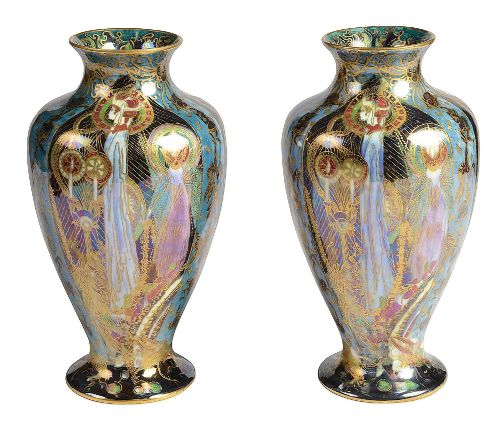
Jacob Petit·Daisy Makeig Jones·Helena Wolfsohn·Manpei·Kinkōzan
The Gilt Porcelain Urn Pair Glossary
- Ormolu
- Gilded bronze mounts used to trim furniture and porcelain vessels. The technique involves applying a mercury and gold amalgam to cast bronze before heating.
- Cassolette
- A decorative urn or vase featuring a reversible lid that functions either as a closed vessel or a holder for incense. These pieces frequently incorporate gilt bronze mounts.
- Satsuma
- Japanese earthenware originating from the Satsuma province, typically characterised by a crackle-glaze ivory surface decorated with polychrome enamels and gold.
- Campana
- A bell-shaped classical urn form popular in ancient Rome and revived during the Regency and Victorian periods for decorative vases.
Gilt Porcelain Urn Pair: Frequently Asked Questions
Were these urns meant for holding flowers?
Most of these vessels were produced as decorative garnitures for display on mantelpieces rather than for practical use with water and stems. Lidded jars and cassolettes were specifically designed as ornamental objects.
Some campana urns and jardinieres were functional, though many surviving examples retain pristine interiors that suggest they remained purely decorative.
How do I identify French pieces from Japanese ones?
French pieces typically display European revival styles such as Rococo or Neoclassical motifs, often incorporating bleu céleste glazes and heavy ormolu mounts. They frequently reference Sèvres designs.
Japanese pieces in the listings rely on Satsuma crackle glazes or Imari palettes, featuring wisteria, landscapes, or dense gold and cobalt patterning characteristic of the Meiji period.
Can I safely convert lamp urns back into vases?
Converting lamps back depends on how the wiring was installed through the ceramic body. Many conversions involve drilling a hole through the base or running a cord through existing apertures.
Restoring an original vase form requires professional ceramic repair if the body was altered to accommodate electrical fittings.
How should I clean gilt bronze mounts?
Gilt bronze and ormolu require gentle dusting with a soft, dry brush to prevent the accumulation of dirt in recessed areas. Avoid abrasive metal polishes because they strip the thin layer of gold leaf or mercury gilding.
Moisture can damage both the historic gilding and the underlying bronze, so professional conservation is advisable for tarnished pieces.