

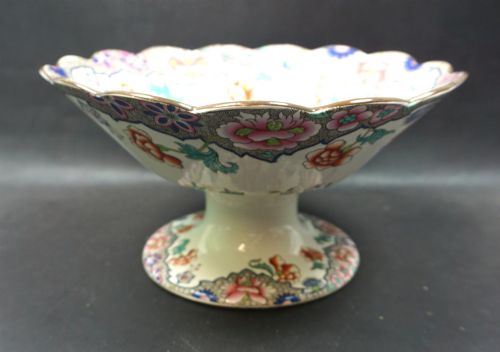
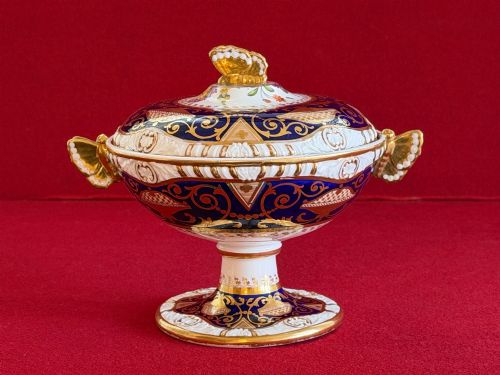
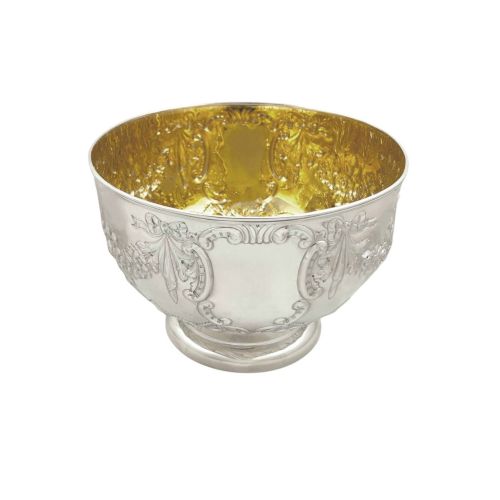
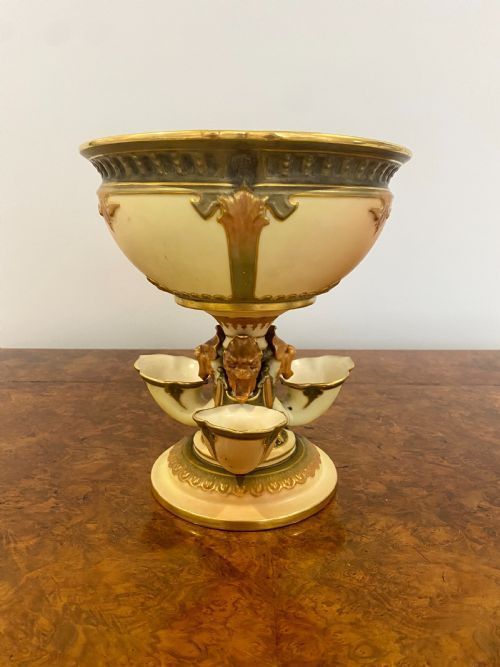




Gilt Pedestal Fruit Bowl
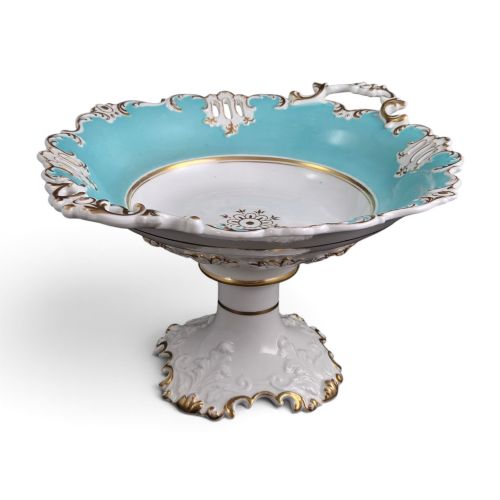
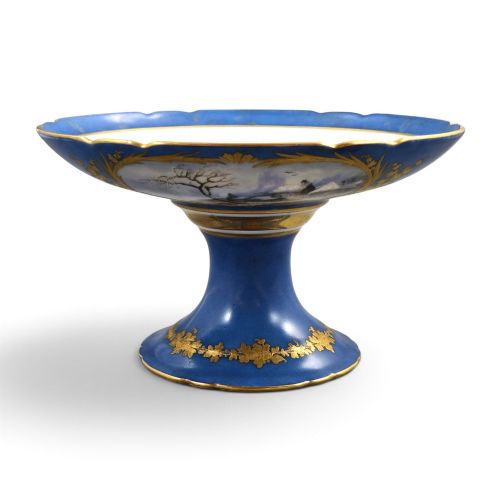
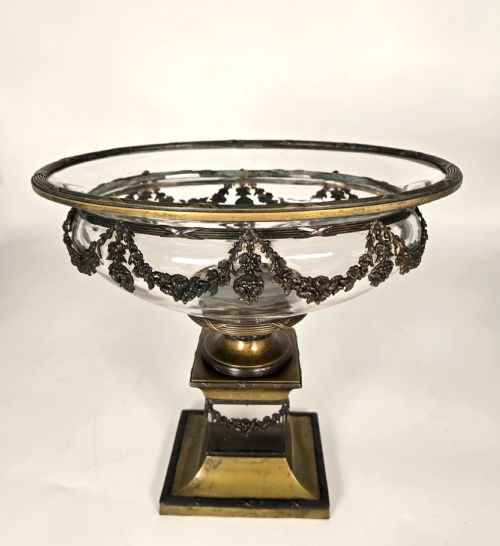
These gilt pedestal fruit bowl examples combine elevated presentation with rich surface finish, offering a striking centrepiece for formal rooms.
Gilt Pedestal Fruit Bowl
A gilt pedestal fruit bowl elevates the serving of fruit upon a raised stem, drawing the eye upward through classical proportion and decorative height. When searching for a gilt pedestal fruit bowl, buyers encounter various elevated forms including tazzas, comports, and footed centrepieces.
The pieces appearing here span the nineteenth century through the Edwardian period, encompassing Victorian British workshops alongside continental European centres. Forms range from classical French Empire designs to ornate Rococo Revival and elaborate German porcelain creations.
Makers and manufacturers represented include Coalport, Royal Worcester, and C.G. Schierholz & Sohn, alongside unlabelled French and Chinese export pieces. Most examples function primarily as decorative centrepieces rather than everyday tableware.
Materials and construction methods
Construction relies heavily on the combination of fired ceramic bodies and cast metal mounts, utilising porcelain, bone china, and glass paired with gilt bronze, ormolu, and gold leaf. Metal components are often cast and hand-gilded, providing a brilliant metallic contrast to the cool white or coloured ceramics.
Decoration is applied through hand-painting, enamelling, and the application of intricate applied details such as roses, putti, and champlevé work. Many pieces incorporate specialised techniques like Limoges enamel plaques or cut crystal bowls secured within metal frames.
Gilt Pedestal Fruit Bowl Retail Price Guide 2026
Typical asking prices for gilt pedestal fruit bowl among the pieces listed under this phrase on Sellingantiques today, from the lower quarter to the upper quarter. They describe what is for sale here now, not the wider market.
Distinguishing quality across examples
Quality reveals itself in the crispness of the casting on bronze mounts and the fineness of detail in hand-painted ceramic motifs. Superior pieces demonstrate meticulous integration between the metal pedestal and the bowl, whether porcelain, glass, or enamel.
The depth and application of the gilding further separate standard production from exceptional work, with genuine gold leaf and ormolu retaining a warmer, more durable lustre. Elaborate sculptural additions, such as modelled cherubs or applied flowers, show greater artistry when the modelling is sharp and lifelike.
Coalport·Royal Worcester·C.G. Schierholz & Sohn
The Gilt Pedestal Fruit Bowl Glossary
- Tazza
- A shallow bowl or cup mounted on a stem and foot, commonly used for serving fruit or displaying sweetmeats. This form originates from classical antiquity and remains central to nineteenth-century dining display.
- Ormolu
- Finely chopped high-karat gold applied to a bronze base using a mercury amalgamation process, or simply a term for gilded bronze mounts. It provides a rich, warm metallic finish characteristic of French decorative objects.
- Comport
- A decorative dish raised on a high foot, used for dessert service or as a table centrepiece during the Victorian and Edwardian eras. These pieces frequently match larger ceramic dessert services.
- Champlevé
- An enamelling technique where troughs or cells are carved into the surface of a metal object and filled with vitreous enamel before firing. The resulting design shows colourful enamel bordered by thin lines of exposed metal.
- Rococo Revival
- A nineteenth-century design style drawing on the asymmetrical scrolls, shell motifs, and naturalistic curves of the eighteenth-century French Rococo movement. This style dominates many of the ornate porcelain and gilt bronze pieces found here.
Gilt Pedestal Fruit Bowl: Frequently Asked Questions
What is a tazza?
A tazza is a shallow, footed vessel raised on a central pedestal, traditionally used for serving fruit or sweetmeats.
In nineteenth-century interiors, these pieces transitioned from functional dining items to ornamental centrepieces displayed on tables or sideboards.
How were these bowls used?
These elevated vessels served as dessert service centerpieces, holding fruit, sweetmeats, or floral arrangements during formal dining.
Their height allowed them to command attention above other table elements while keeping the table surface organised.
How do I care for gilt surfaces?
Gilt bronze, ormolu, and gold leaf require gentle dusting with a soft dry cloth and protection from abrasive cleaning agents.
Moisture and harsh chemicals can damage fragile metallic finishes and disrupt the bond between the gilding and its substrate.
How do I distinguish periods?
Periods are identified by a combination of material composition, mark styles, and decorative vocabulary such as Empire symmetry or Rococo asymmetry.
Victorian and Edwardian pieces often exhibit eclectic revivalism, whereas earlier nineteenth-century works adhere more strictly to neoclassical or empire canons.