



Gilt Painted Pedestal Table
A gilt painted pedestal table brings a bright, classical presence to a room, combining rich surface decoration with a central support.
Gilt Painted Pedestal Table
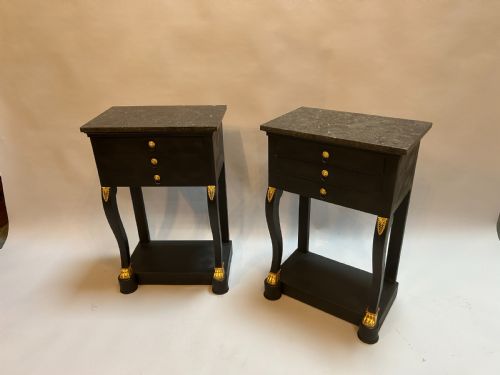
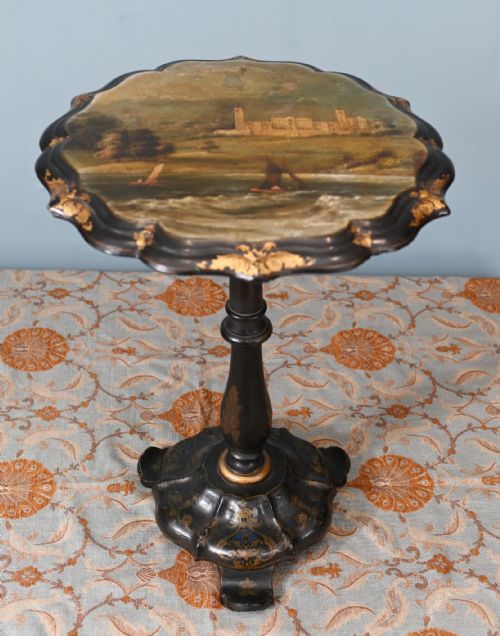
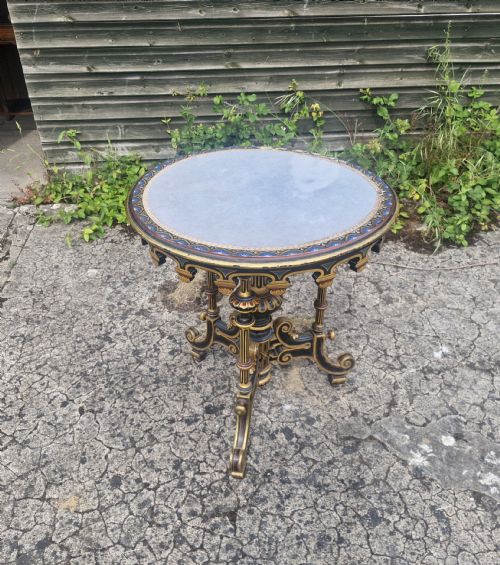
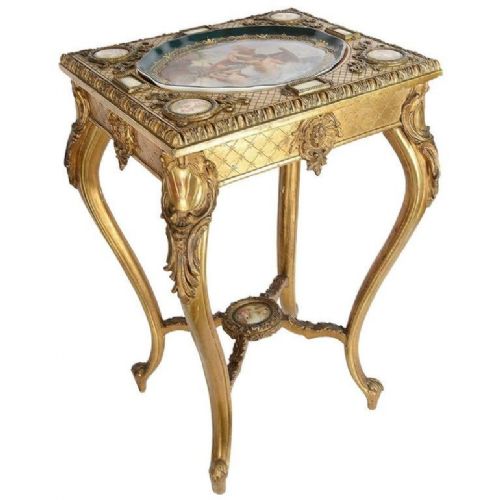
A gilt painted pedestal table is typically a compact piece designed to stand beside a chair or in the centre of a room, resting on a single central column rather than four legs. These tables appear in styles ranging from French Empire and Italian Neoclassical to Victorian, spanning the nineteenth and early twentieth centuries.
The forms seen here include occasional tables, side tables, centre tables, and bedside tables, often featuring painted wooden tops enriched with metallic leaf. Many examples reflect revivalist movements, drawing inspiration from Venetian interiors, Regency design, and classical motifs such as dolphins or neoclassical lines.
How they were made
Carpenters constructed these tables using wood as the primary foundation, often shaping timber for circular or tilt-top surfaces and central pedestals. Surface preparation involved applying gesso to create a smooth ground suitable for receiving paint and metallic decoration.
Artisans applied paint and gold leaf or gilt highlights by hand, occasionally incorporating lacquer, japanning, or porcelain plaques into the design. This layered technique produced the reflective, decorative finishes characteristic of nineteenth- and early-twentieth-century furniture.
Listings span the nineteenth and early twentieth centuries, featuring wood, gesso, porcelain, and gold leaf across forms like side tables, centre tables, and occasional tables.
What varies in quality
The refinement of the carving on the pedestal and the precision of the hand-painted details define the upper tier of these pieces. Tables with crisp neoclassical motifs, well-preserved gilding, and balanced proportions show a higher degree of workshop skill.
Materials also indicate distinction, particularly where makers integrated porcelain plaques, detailed gesso work, or specialised lacquer techniques. Simpler production pieces rely on plainer painted surfaces without the depth of decorative layering found in finer examples.
The Gilt Painted Pedestal Table Glossary
- Gesso
- A plaster-like mixture applied to wood surfaces to prepare them for painting and gilding. This material allows for crisp carved details and a smooth finish.
- Gilt
- Covered thinly with gold leaf or gold paint to give the appearance of solid gold. It reflects light and accents decorative carvings.
- Pedestal table
- A table supported by a single central pillar or column resting on a base. This design maximises legroom and provides a stable, compact footprint.
- Japanning
- A European imitation of East Asian lacquerware using heat-dried varnishes. It creates a dark, glossy surface often decorated with painted or gilt motifs.
- Tilt-top table
- A table with a tabletop that hinges to a vertical position when not in use. This feature allowed the furniture to be stored flat against a wall.
Gilt Painted Pedestal Table: Frequently Asked Questions
Where should I place a pedestal table?
These tables suit smaller spaces such as hallways, corners, or beside seating where a full-sized table would crowd the room. Their central column design allows them to fit neatly into compact areas.
They also function effectively as display surfaces for lamps, ceramics, or decorative objects, drawing the eye with their painted and gilt finishes.
How do I clean a painted gilt surface?
Dust the surface regularly with a soft, dry cloth to prevent dirt from settling into the details of the paint and gilding. Avoid using harsh chemical cleaners or abrasive sponges.
Moisture can damage fragile gesso and gold leaf, so keep liquids away from the top and wipe up spills immediately with a dry cloth.
What is the difference between an occasional table and a centre table?
An occasional table is designed to be moved easily and used as needed, often placed against a wall or beside furniture. These are typically smaller in scale.
A centre table stands independently in the middle of a room, finished on all sides to be viewed from any angle. They frequently feature more elaborate decoration.
How can I tell a nineteenth-century table from a later revival piece?
Examine the construction methods, tool marks on the timber, and the natural wear of the paint and gilding. Nineteenth-century pieces often show hand-planed timbers and traditional joinery.
Revival pieces from the early twentieth century may incorporate machine-sawn elements or finishes that mimic earlier styles while retaining the distinct aesthetic of their own era.