







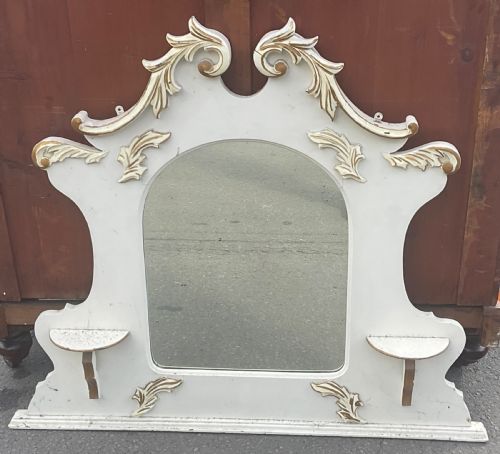
Gilt Mirror with Shelf
These gilt mirror with shelf pieces combine reflective glass with practical display ledges, offering a decorative surface that brings light and utility to any room.

Gilt Mirror with Shelf
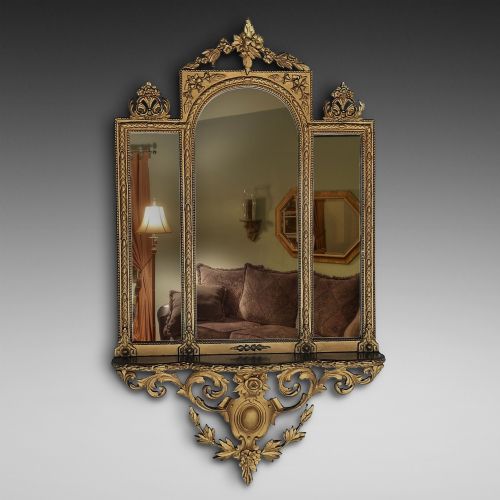
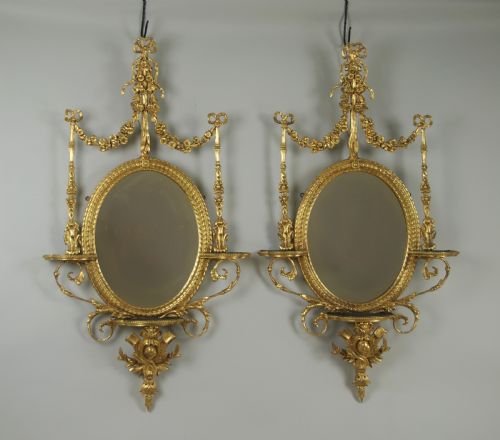
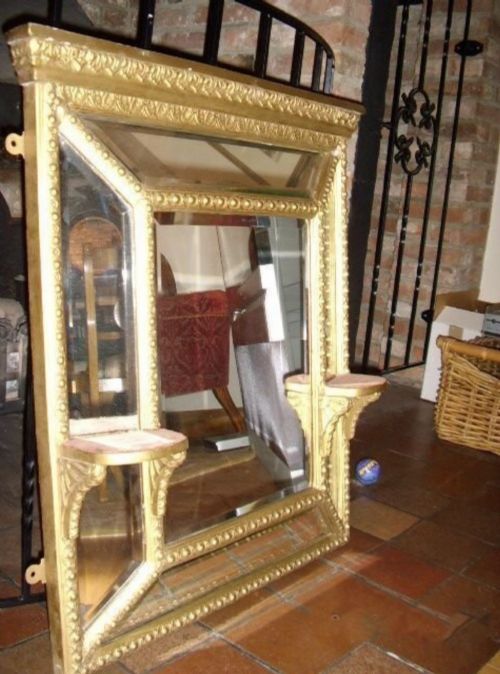
When searching for a gilt mirror with shelf, buyers encounter a selection of wall mirrors, overmantel mirrors, pier mirrors, and console mirrors designed with integrated display brackets or shelves. These items emerge from the nineteenth century, including specific dates such as 1860, 1870, 1880, and 1920, alongside Victorian, William IV, and Empire styles.
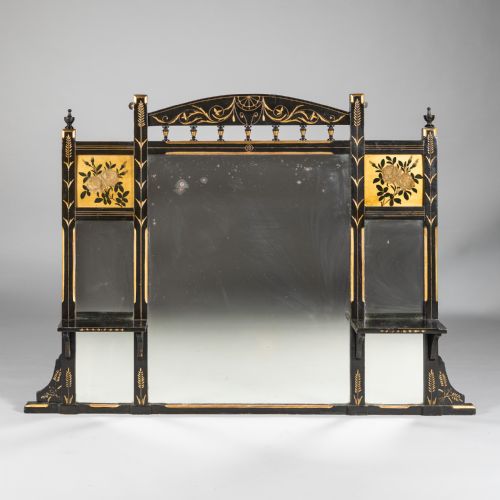
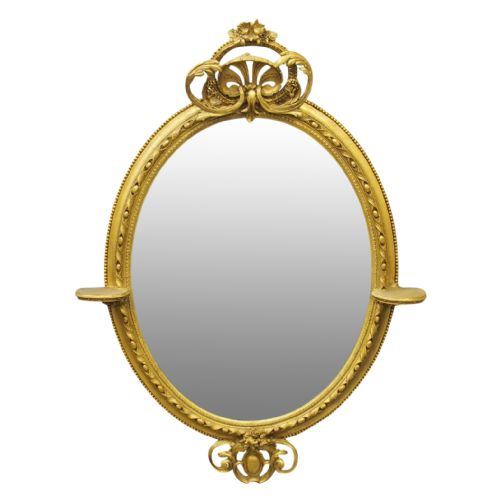
The primary forms on this page include large overmantel mirrors fitted with gilded brackets, oval wall mirrors with display brackets, and decorative console mirrors featuring shelves underneath. Pieces range from English Victorian giltwood designs to French Chateau, Rococo Revival, and Aesthetic Movement interpretations.
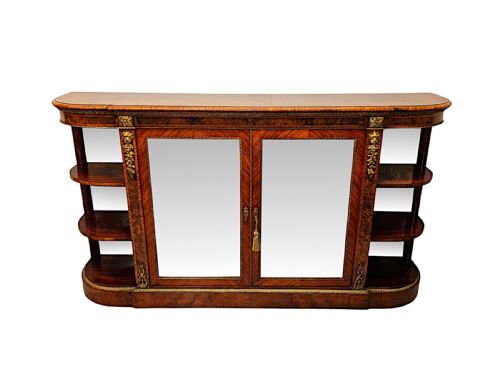
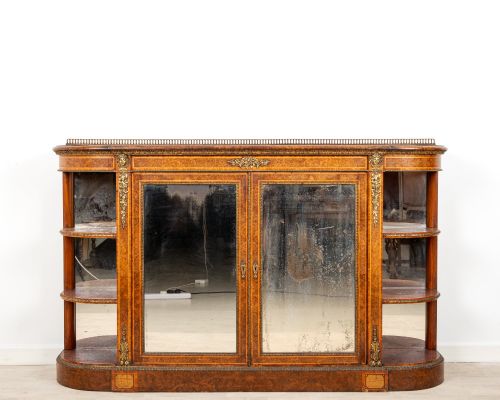
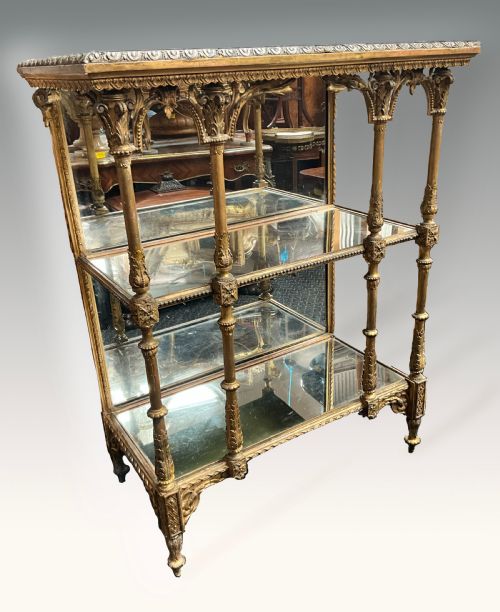
Beyond standalone mirrors, the selection encompasses related furniture types such as credenzas featuring mirrored doors and burr walnut construction. These diverse objects share a common reliance on reflective glass paired with surfaces intended for small decorative items or lighting.
How they were made
The construction of these mirrors relies heavily on traditional framing and finishing techniques utilising giltwood, gesso, and composition applied over wooden carcases. Artisans shaped intricate mouldings and applied gold leaf or gilding to create the characteristic metallic sheen seen on Victorian and continental pieces.
Mirror glass forms a central component, often featuring bevel cuts as recorded in nineteenth-century cushion mirrors. Supporting elements such as display shelves and brackets are integrated directly into the frame structure or mounted securely to handle the weight of displayed objects.
Cabinet pieces incorporate timber foundations of burr walnut and walnut, frequently enhanced with ormolu mounts, inlaid details, and ebonised or parcel gilt surfaces. These varied materials demonstrate the craftsmanship typical of nineteenth-century workshops producing both mirrors and credenzas.
Gilt Mirror with Shelf Retail Price Guide 2026
Typical asking prices for gilt mirror with shelf among the pieces listed under this phrase on Sellingantiques today, from the lower quarter to the upper quarter. They describe what is for sale here now, not the wider market.
Listings feature pieces from the 19th Century, 1860, 1870, 1880, 1920, and Victorian periods.
What varies in quality
Quality in these mirrors rests upon the crispness of the gesso and giltwood carving, where depth and definition separate standard mouldings from finer artistic work. The application of the gilding itself determines how light catches the surface over time.
The choice of secondary materials, such as figured burr walnut veneers, solid walnut carcases, and cast ormolu mounts, dictates the tier of a piece. Integral structural elements, including the secure attachment of display shelves and the clarity of the mirror glass, further distinguish the items.
Gillows
The Gilt Mirror with Shelf Glossary
- Giltwood
- Timber carved and coated with gold leaf or metallic powder. This finish defines the reflective frames characteristic of nineteenth-century wall and overmantel mirrors.
- Gesso
- A plaster-like mixture applied to wood frames to create a smooth surface for gilding. Artisans carved intricate decorative motifs directly into this dried layer.
- Ormolu
- Gilded bronze mounts applied as ornamentation on furniture and mirrors. This decorative technique adds metallic contrast to walnut and ebonised surfaces.
- Overmantel mirror
- A large mirror designed to hang above a fireplace mantel. These pieces frequently incorporate shelves or brackets for displaying small ornaments.
- Pier glass
- A tall mirror designed to hang on the wall space between windows. These vertical glasses often feature narrow proportions to fit specific architectural gaps.
Gilt Mirror with Shelf: Frequently Asked Questions
What is a gilt mirror with shelf used for?
These mirrors serve both a functional and decorative purpose by reflecting interior light while providing a small ledge for holding candles, figurines, or small ornaments. Their design combines the utility of a display bracket with the spatial enlargement of a wall glass.
Historically placed above fireplaces or between windows, they acted as focal points in Victorian reception rooms. The integrated shelf allowed owners to showcase prized mantel decorations in close proximity to the reflecting surface.
How do you date a Victorian gilt mirror?
Dating relies on examining the framing styles, materials, and construction techniques visible across the piece. Pieces from the mid-to-late nineteenth century often exhibit specific revival styles like Rococo or Aesthetic Movement characteristics.
The use of composition ornament over carved wood, the weight of the glass, and specific markers like backboards or stamps provide further chronological context. Comparing the decorative motifs to documented periods from the 1860s through the 1880s helps narrow the timeframe.
Where should an overmantel mirror be hung?
An overmantel mirror is traditionally mounted directly above a fireplace mantelpiece to anchor the wall composition. Its scale is chosen to match the width of the fireplace surround below.
When hanging these heavy pieces, secure wall fixings are essential to support the combined weight of the timber frame, glass, and attached shelf brackets. Positioning them at the correct height ensures optimal reflection of the room.
What is the difference between a pier glass and a wall mirror?
A pier glass is specifically designed for the narrow stretch of wall between two windows, known as the pier. These mirrors are typically tall and slender to fit those exact architectural proportions.
Standard wall mirrors feature more flexible dimensions suited for general placement across various room surfaces. Both types can incorporate shelves or display brackets depending on the specific nineteenth-century style.