



Gilt Metal Bowl
These gilt metal bowl pieces offer striking decorative presence, bringing classical forms and rich gilding directly into your interior scheme.
Gilt Metal Bowl
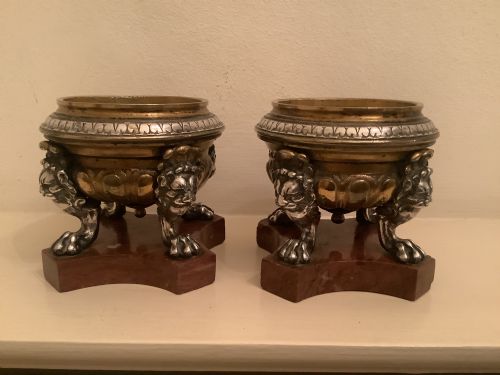
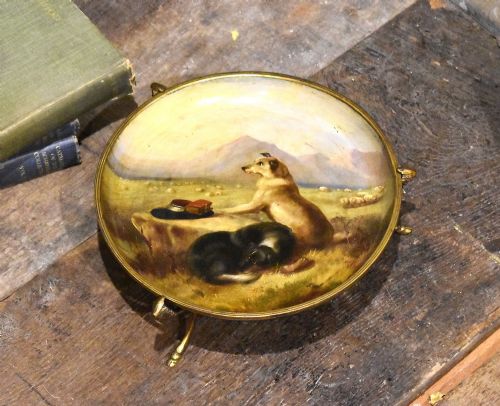
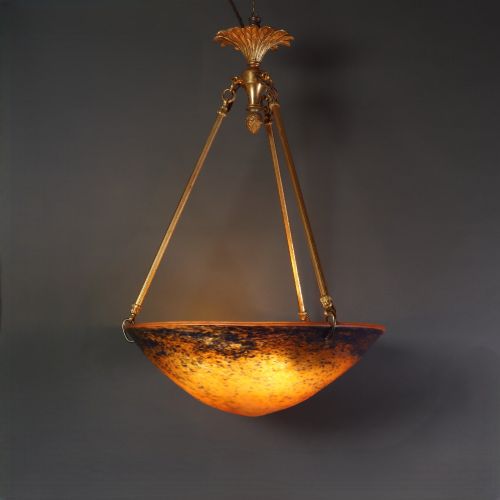
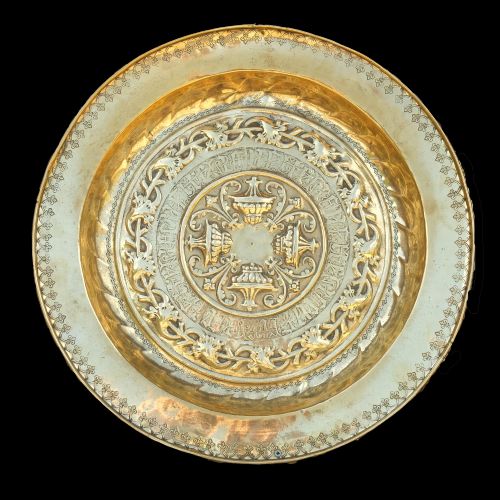
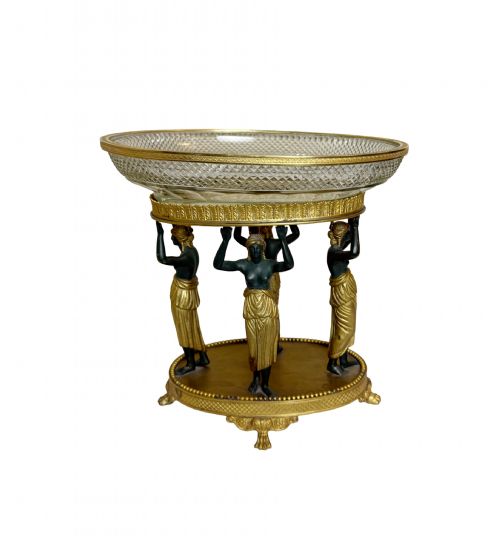
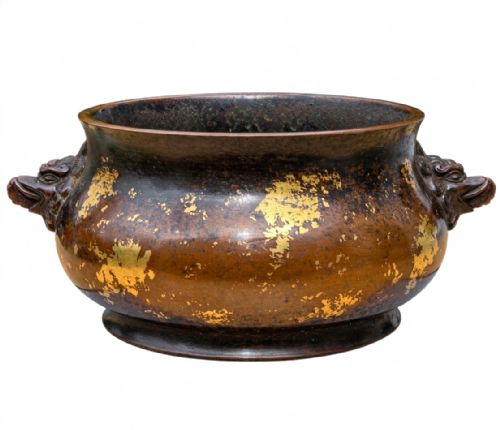
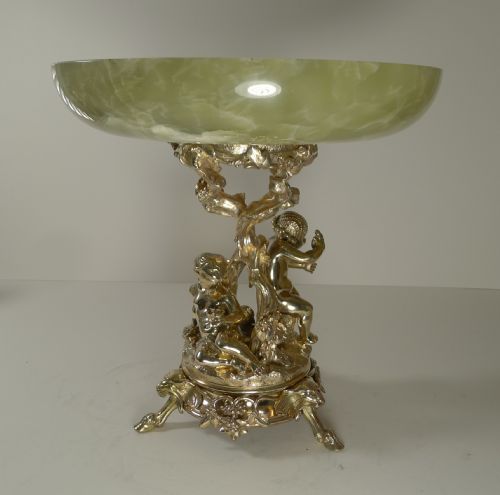
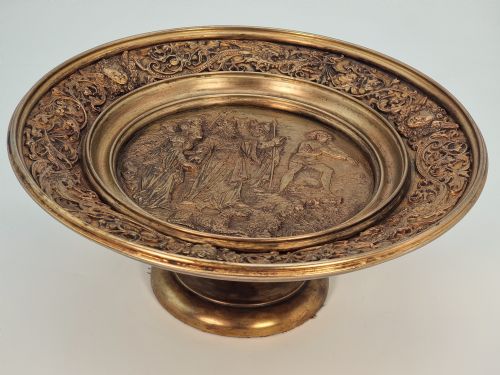
A gilt metal bowl encompasses a diverse group of ornamental vessels, ranging from French Empire tazzas and grand centrepieces to Chinese censers and toleware bowls. Buyers searching for a gilt metal bowl encounter pieces fashioned primarily in the nineteenth century, alongside earlier sixteenth-century works and later twentieth-century examples.
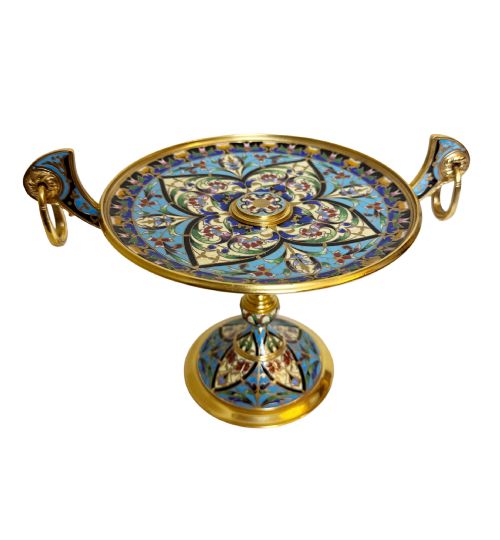
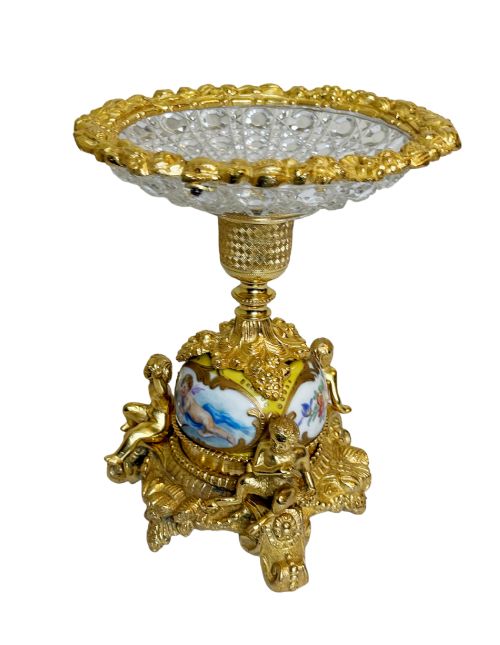
The forms vary considerably across the selection, featuring pedestal bowls, tazzas with cherubs, mirrored porcelain stands, and jardinières. European Grand Tour pieces sit alongside Asian cloisonné enamel works and Longwy pottery mounts, showing broad international influences.
Nineteenth-century French designs dominate the available selection, often adopting Revival styles such as Rococo, Renaissance, and Aesthetic Movement motifs. These pieces function primarily as decorative table centrepieces or mantel displays rather than utilitarian vessels.
Assessing quality and execution
The refinement of the casting and chasing work separates standard decorative items from superior examples. Crisp detailing in figures such as cherubs and mask handles indicates a high level of artisanal skill during production.
The integration of secondary materials like cut crystal, porcelain, and enamel defines the overall sophistication of the piece. Substantial weight, careful mercury gilding, and firm mounting of decorative plaques elevate the status of the vessel.
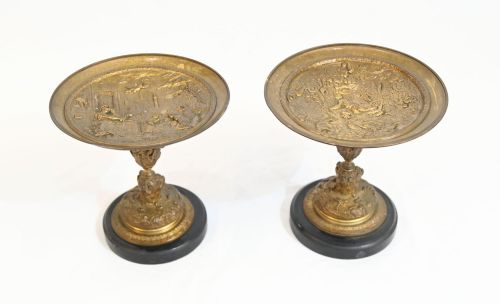
Some nineteenth-century bronze tazzas feature watchful cherubs peering over the rim, seemingly keeping a close eye on whatever fruit or sweets you place inside.
Christofle Paris
The Gilt Metal Bowl Glossary
- Ormolu
- Gilt bronze, typically referring to finely chased and gilded bronze mounts applied to decorative objects during the eighteenth and nineteenth centuries. The technique involves applying a gold and mercury amalgam to a bronze base before heating.
- Tazza
- A shallow bowl or cup mounted on a stem and foot, commonly utilised as a centrepiece or display vessel. These forms often feature classical ornamentation and decorative handles.
- Champlevé
- An enamelling technique where troughs or cells are hollowed out of the metal surface and filled with vitreous enamel before firing. This creates intricate patterns flush with the surrounding metal.
- Cloisonné
- A method of decorating metal objects by soldering flat metal wires to the base to form compartments, which are subsequently filled with enamel paste. The piece is then fired and polished to a smooth finish.
- Toleware
- Painted or lacquered sheet metal items produced primarily in Europe during the eighteenth and nineteenth centuries. The technique yields durable domestic wares with coloured finishes.
- Centrepiece
- A large decorative object placed in the middle of a dining table or sideboard. These items frequently incorporate mirrors, crystal bowls, and elaborate metal stands.
Gilt Metal Bowl: Frequently Asked Questions
How were tazzas used historically?
Historically, tazzas served as elevated display vessels on dining tables or sideboards, often holding fruit, sweetmeats, or flowers during formal meals. Their raised pedestal form ensured they commanded visual attention among other tableware.
Over time, their function shifted toward purely decorative display, particularly during the nineteenth-century revival periods when Grand Tour collectors sought them for drawing-room ornamentation.
What is the difference between ormolu and gilt bronze?
Ormolu specifically denotes high-quality European gilt bronze from the eighteenth and nineteenth centuries, characterised by meticulous mercury gilding and sharp chasing work. The term derives from the French phrase meaning ground gold.
Gilt bronze is a broader descriptive term for any bronze object coated with a layer of gold leaf, paint, or electroplated gold, encompassing a wider range of periods and execution standards.
How do I care for gilt metal?
Maintaining gilt metal requires gentle dusting with a soft, dry microfibre cloth to remove particulate matter without abrading the delicate gold surface. Avoid chemical cleaning agents and polishes, which can strip away thin layers of gilding or damage integrated enamel and crystal elements.
Keep these pieces away from direct sunlight and damp environments to preserve the integrity of both the metal substrate and any applied patination.
How can I identify a Grand Tour piece?
Grand Tour pieces typically combine classical architectural motifs, such as marble bases and bronze columns, reflecting the souvenirs collected by travellers in Italy during the nineteenth century. They frequently emulate ancient Roman or Greek artefacts while utilising contemporary manufacturing methods.
The presence of materials like cut crystal, malachite, or micro-mosaics alongside cast bronze often points to this tradition of wealthy travellers commissioning or purchasing decorative art abroad.